Maximizing Small Spaces: 7 Innovative Small Space Storage Solutions for U.S. Homes in 2026
In an increasingly urbanized landscape, U.S. homes are often characterized by their compact footprints. Whether you’re living in a bustling city apartment, a cozy suburban townhouse, or a minimalist tiny home, the challenge of maximizing every square inch of living space is a universal one. The good news is that with ingenuity and innovation, even the smallest areas can be transformed into highly functional and aesthetically pleasing environments. This article delves into 7 groundbreaking small space storage solutions that are set to revolutionize how Americans organize their homes in 2026.
The demand for efficient storage has never been higher, driven by a desire for decluttered living, sustainable consumption, and the rising cost of real estate. Homeowners and renters alike are seeking smart ways to store their belongings without sacrificing style or comfort. From intelligent furniture designs to advanced organizational systems, the future of small space storage is bright, offering a plethora of options to suit every need and aesthetic preference. Let’s explore these innovative solutions that promise to make your home feel bigger, more organized, and utterly delightful.
1. The Rise of Modular and Customizable Built-Ins
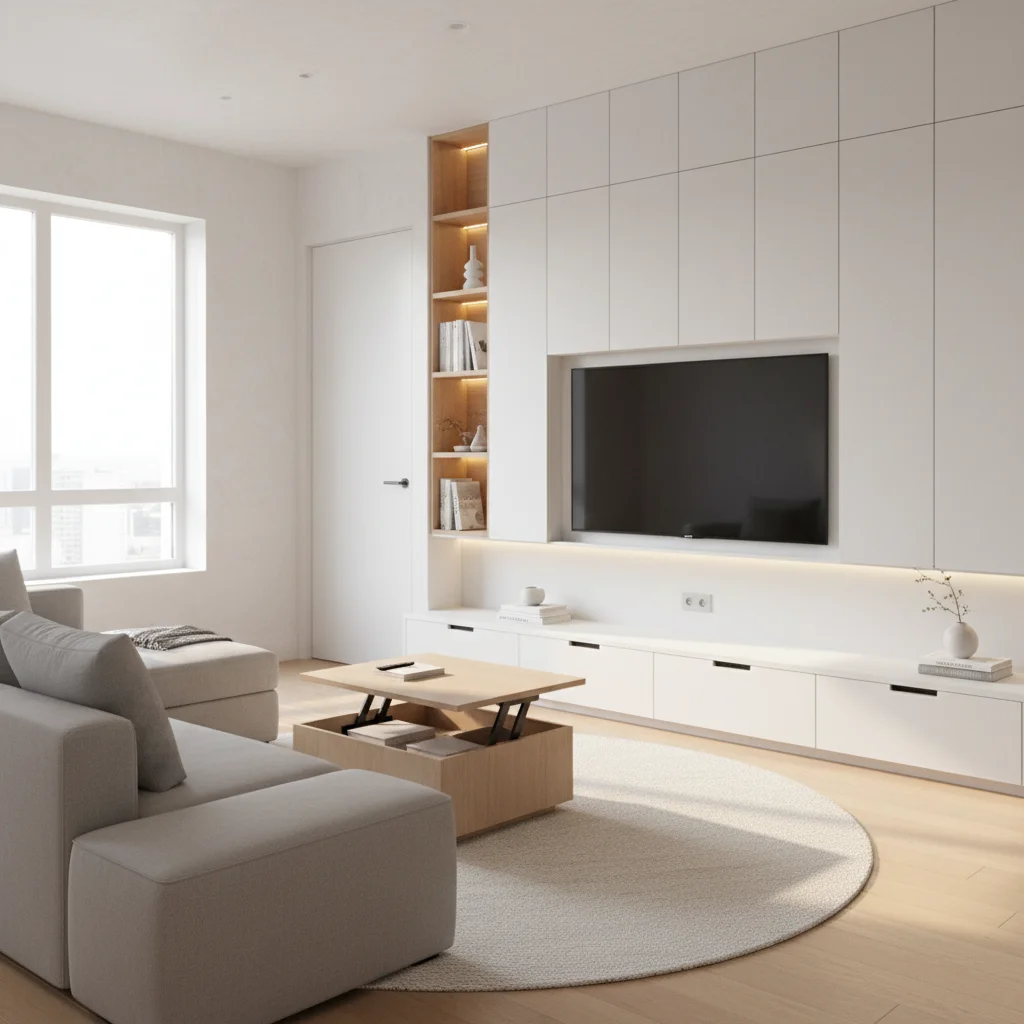
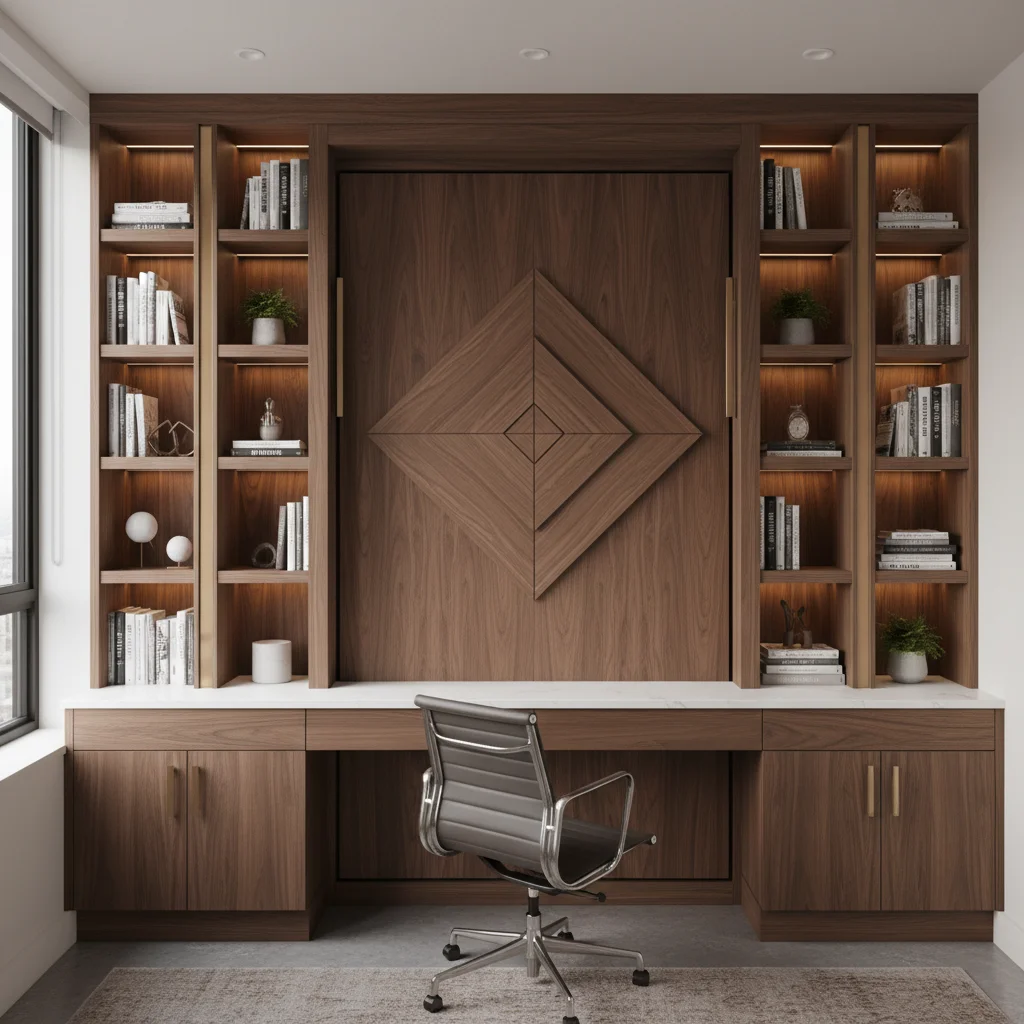
Gone are the days of one-size-fits-all storage. The future of small space storage lies in modular and customizable built-in units. These systems are designed to perfectly fit the unique dimensions and architectural nuances of any room, turning awkward nooks and crannies into valuable storage real estate. Imagine a wall unit that seamlessly integrates shelving, drawers, and even a fold-down desk, all tailored to your specific needs and aesthetic.
Modular systems offer unparalleled flexibility. Homeowners can select individual components – cabinets, open shelves, wardrobe sections, entertainment centers – and combine them to create a personalized storage solution. This approach is particularly beneficial for small space storage because it eliminates wasted vertical and horizontal space. Materials range from sleek, modern laminates to warm, natural wood, allowing for complete design integration with existing decor. Furthermore, many modular systems are designed for easy reconfiguration, meaning your storage can evolve as your needs change, making them a sustainable and future-proof investment for any U.S. home.
The beauty of customizable built-ins extends beyond mere functionality. They can become architectural features themselves, enhancing the beauty and perceived spaciousness of a room. Think about a custom-built window seat with integrated storage drawers underneath, or a floor-to-ceiling bookshelf with a hidden pull-out bed. These solutions not only provide ample small space storage but also add significant value and character to a home.
2. Smart Furniture with Hidden Compartments and Dual Functionality
Multifunctional furniture has long been a staple in small space storage strategies, but in 2026, it’s reaching new levels of sophistication and innovation. Manufacturers are now designing pieces that seamlessly blend multiple uses with cleverly concealed storage, making them indispensable for compact living.
Consider the evolution of the classic ottoman. Beyond a simple footrest, modern ottomans now often feature spacious interiors for blankets, books, or even children’s toys. Coffee tables are no longer just surfaces for drinks; many now include lift-tops that reveal hidden compartments for remotes, magazines, or even a laptop, transforming into a temporary workstation. Dining tables can expand to accommodate guests and then retract to save space, with some models even incorporating drawers for cutlery or placemats.
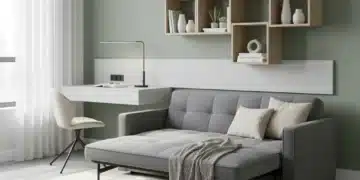
Sofa beds have also undergone a significant transformation. Today’s models offer superior comfort both as seating and sleeping options, often with integrated storage underneath the cushions or in the arms. Beds with hydraulic lifts provide expansive storage space beneath the mattress, perfect for seasonal clothing, luggage, or extra bedding. These innovative pieces of furniture are not just about saving space; they are about enhancing the livability and functionality of every room, epitomizing smart small space storage.
The key to successful implementation of smart furniture is to identify pieces that genuinely serve a dual purpose you need, rather than just adding another item to your home. Look for quality craftsmanship and designs that complement your existing decor. The right multifunctional piece can be a game-changer for maximizing your home’s potential.
3. Vertical Storage Solutions: Going Up, Up, and Away!
When horizontal space is limited, the only way to go is up. Vertical small space storage is a cornerstone of efficient organization, and new products are making it easier and more stylish than ever to utilize wall space from floor to ceiling.
Wall-mounted shelving units, once simple planks, now come in intricate designs and modular configurations, allowing for creative displays and practical storage. Floating shelves are popular for their minimalist aesthetic and ability to keep floors clear, contributing to an open and airy feel in smaller rooms. Picture ledges, often overlooked, are perfect for displaying art, small plants, or even spices in the kitchen without taking up significant depth.
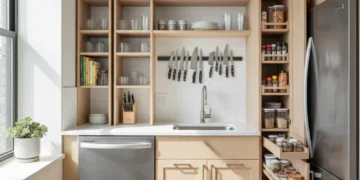
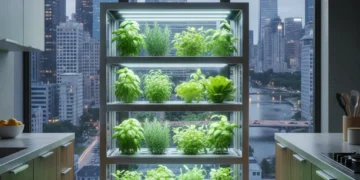
Beyond traditional shelves, innovative vertical solutions include magnetic knife strips in kitchens, wall-mounted bicycle racks in entryways, and even vertical gardens that bring greenery indoors without sacrificing floor space. Pegboards and slat walls are also making a comeback, offering incredibly versatile options for hanging tools, craft supplies, or kitchen utensils, with the added benefit of easy reconfigurability.
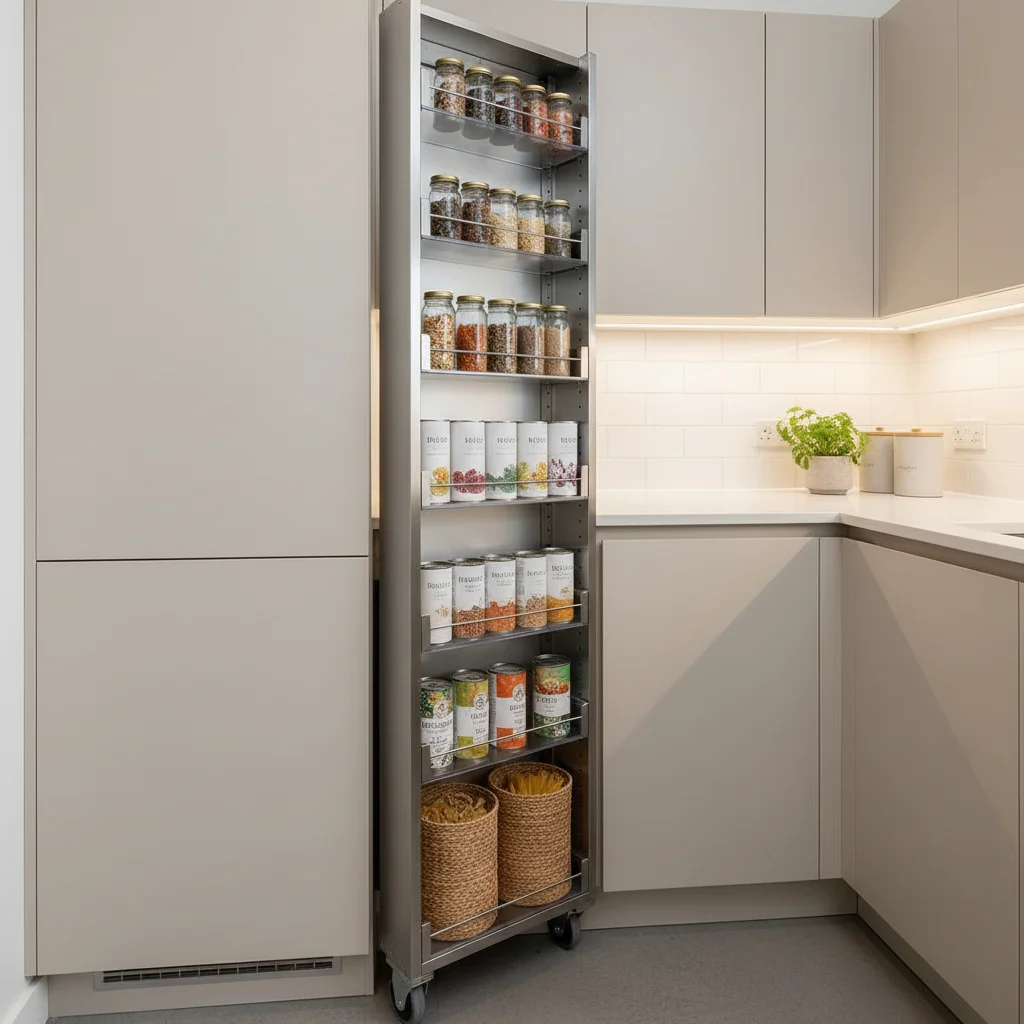
For closets and wardrobes, vertical organizers are paramount. Hanging shoe racks, multi-tiered hangers for pants or skirts, and stackable drawer units can dramatically increase storage capacity. Even overhead space can be utilized with ceiling-mounted racks for pots and pans in the kitchen or suspended shelving in garages and utility rooms. Embracing verticality is a fundamental principle for effective small space storage in any U.S. home.
4. Integrated Appliances and Compact Kitchen Systems
The kitchen, often the heart of the home, can also be one of the most challenging areas for small space storage. In 2026, we’re seeing a significant trend towards integrated appliances and compact kitchen systems that maximize functionality without overwhelming the footprint.
Integrated appliances, such as dishwashers and refrigerators that blend seamlessly with cabinetry, create a streamlined and cohesive look, making a small kitchen feel larger and less cluttered. Beyond aesthetics, manufacturers are innovating with smaller footprint appliances that offer full functionality. Think slim dishwashers, compact ovens with microwave capabilities, and induction cooktops that free up counter space when not in use.
Compact kitchen systems are another game-changer. These are often all-in-one units that combine a sink, stovetop, refrigerator, and sometimes even a microwave into a single, space-saving module. Ideal for studio apartments, ADUs (Accessory Dwelling Units), or even dedicated compact kitchenettes, these systems provide all the essentials in a minimal footprint. Pull-out pantries, corner drawers with clever mechanisms, and under-sink organizers also contribute to making every inch count in a small kitchen, ensuring efficient small space storage without sacrificing culinary ambition.
The design philosophy behind these innovations is not just about fitting things into a smaller area, but about making the kitchen more efficient and enjoyable to use. Smart design choices, such as using light colors, reflective surfaces, and ample task lighting, can further enhance the sense of space in a compact kitchen.
5. Digital Decluttering and Smart Home Integration
While physical storage is crucial, an often-overlooked aspect of small space storage is digital decluttering. In 2026, smart home technology is playing an increasingly vital role in reducing the need for physical items and streamlining daily routines.
Consider the impact of digital media. Streaming services have largely replaced physical media like DVDs and CDs, freeing up valuable shelf space. E-readers and tablets reduce the need for extensive book collections (though many still cherish physical books!). Cloud storage solutions mean fewer physical documents, photos, and backups cluttering up desks and drawers.
Smart home devices also contribute to a less cluttered environment. Voice-activated assistants can control lighting, thermostats, and entertainment systems, reducing the need for multiple remotes and switches. Wireless charging pads eliminate tangled cords. Integrated security systems reduce the need for bulky cameras and monitors. While not directly physical storage, digital decluttering indirectly frees up space and contributes to a more minimalist and organized living environment, which is a core tenet of effective small space storage.
Furthermore, smart inventory management systems can help track items, making it easier to decide what to keep, donate, or discard. Imagine a smart pantry that automatically reorders groceries or a smart closet system that suggests outfits and helps you keep track of your wardrobe. These technologies are still emerging but hold immense potential for revolutionizing how we manage our belongings in the coming years.
6. Under-Stair and Loft Storage Transformations
Often considered dead space, areas under stairs and in lofts are ripe for transformation into highly functional small space storage solutions. In 2026, homeowners are getting creative with these previously overlooked zones.
Under-stair areas can be converted into pull-out drawers, custom shelving for books or decor, a compact home office nook, or even a small powder room. Custom cabinetry can seamlessly integrate with the staircase design, providing a sleek and unobtrusive storage solution. Imagine a series of deep drawers perfect for shoes, coats, and umbrellas right by the entryway, or a wine rack subtly built into the risers.
Loft spaces, whether a dedicated sleeping loft or an open area above a room, offer significant potential for storage. Built-in shelving along the walls, custom wardrobes, or even hidden compartments beneath raised flooring can maximize storage in these elevated areas. For sleeping lofts, custom headboards with integrated shelving or drawers are excellent for keeping bedside essentials organized without needing nightstands.
The key to successfully utilizing these spaces is custom design. Because of their often irregular shapes and sizes, off-the-shelf solutions rarely fit perfectly. Investing in bespoke cabinetry or shelving ensures every inch is used efficiently, turning what was once wasted space into a valuable asset for small space storage.
These transformations not only provide practical storage but also add architectural interest and can significantly enhance the perceived value of a home. They demonstrate a thoughtful approach to design that prioritizes both aesthetics and functionality in compact living situations.
7. Portable and Collapsible Storage Solutions
Flexibility is a core principle of modern small space storage, and portable and collapsible solutions are at the forefront of this trend. These items offer the ability to create storage only when needed, then disappear when not in use, maintaining an uncluttered aesthetic.
Collapsible bins and baskets are perfect for organizing items in closets, under beds, or on shelves. When empty, they can be folded flat and stored away, taking up minimal space. Fabric storage cubes, often designed to fit perfectly into modular shelving units, offer a soft and versatile storage option for everything from toys to linens.
Beyond simple bins, innovative portable solutions include rolling carts that can be moved between rooms (e.g., a kitchen cart that doubles as an island, or a bathroom cart for toiletries), and collapsible drying racks that can be stowed away when laundry is done. Even some pieces of furniture are designed to be easily moved or folded. For instance, folding desks or tables can be set up for work or dining and then tucked away against a wall or in a closet.
These solutions are particularly useful for those who live in very small apartments or who frequently rearrange their living spaces. They allow for dynamic organization, adapting to the ebb and flow of daily life and special occasions. The ability to quickly declutter by simply stowing away temporary storage items is invaluable for maintaining a serene and organized small home.
The Future of Small Space Storage: A Holistic Approach
As we look towards 2026 and beyond, the philosophy of small space storage is evolving beyond mere containment. It’s about creating an environment that feels spacious, functional, and reflective of its inhabitants, regardless of square footage. The integration of smart technology, bespoke design, and a mindful approach to belongings will continue to shape how we interact with our homes.
The solutions discussed – modular built-ins, smart furniture, vertical storage, integrated appliances, digital decluttering, under-stair/loft transformations, and portable options – are not isolated ideas but interconnected strategies. A truly optimized small home will likely incorporate several of these concepts, tailored to the specific needs and lifestyle of its occupants.
For homeowners and renters in the U.S., embracing these innovative small space storage solutions means more than just finding a place for everything. It means creating a more organized, less stressful, and ultimately more enjoyable living experience. By thinking creatively and investing in smart design, even the most compact homes can become havens of efficiency and style.
Remember, the goal isn’t just to store more, but to store smarter. It’s about making deliberate choices about what you bring into your home and how you choose to organize it. With these forward-thinking solutions, the challenges of small space living are transformed into opportunities for innovation and design excellence. Start exploring how these ideas can revolutionize your own U.S. home today, making every inch count towards a more organized and harmonious future.