Metaverse Hardware Impact: US Consumer Outlook by 2027
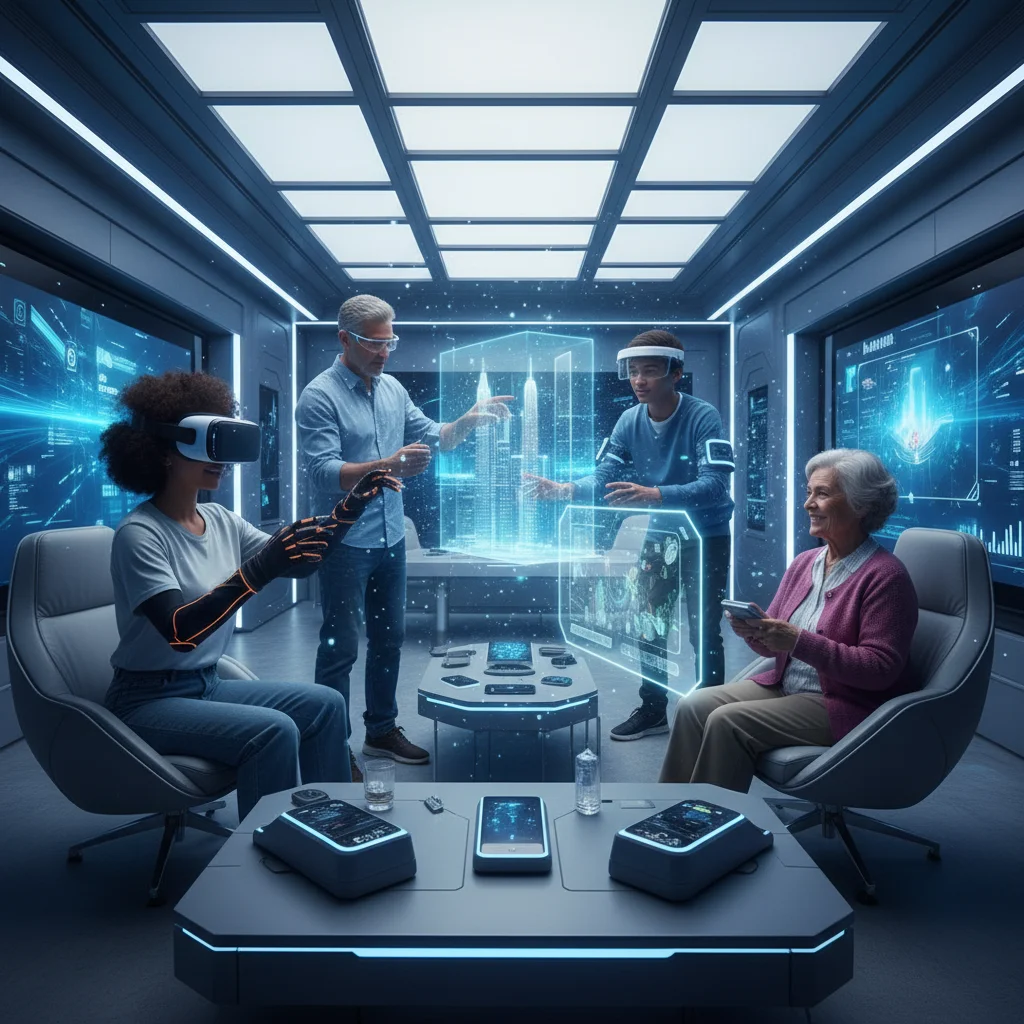
The Profound Metaverse Hardware Impact: What US Consumers Can Expect by 2027
The concept of the metaverse, once relegated to the realms of science fiction, is rapidly materializing into a tangible reality. At its core, the metaverse promises an immersive, persistent, and interconnected digital universe where users can interact, work, play, and socialize in ways previously unimaginable. However, the successful realization of this ambitious vision hinges critically on the evolution and widespread adoption of sophisticated metaverse hardware. For US consumers, the next few years, particularly leading up to 2027, are poised to bring about a transformative shift in how they engage with digital content and each other.
Understanding the future of the metaverse requires a deep dive into the technological advancements driving its hardware development, the economic implications for consumers, and the societal shifts it will engender. The metaverse hardware impact will be felt across various sectors, from entertainment and education to healthcare and commerce. This article will explore the key hardware innovations, predict their accessibility and functionality for the average US consumer by 2027, and discuss the challenges and opportunities that lie ahead.
The Current State of Metaverse Hardware: A Foundation for Growth
Before peering into 2027, it’s essential to understand the current landscape of metaverse hardware. Today, the primary entry points into immersive digital experiences are virtual reality (VR) headsets and, to a lesser extent, augmented reality (AR) devices. Brands like Meta (Oculus Quest series), Sony (PlayStation VR), HTC (Vive series), and Valve (Index) dominate the VR market, offering varying degrees of immersion, comfort, and graphical fidelity. These devices, while impressive, still face hurdles in terms of cost, comfort, ease of use, and the need for significant computational power, often tethered to high-end PCs.
AR, exemplified by devices like Magic Leap and Microsoft HoloLens, is currently more prevalent in enterprise and industrial applications due to its higher price points and specialized use cases. Consumer-grade AR glasses are still largely in their infancy, with companies like Apple and Google rumored to be developing more accessible and stylish options. Haptic feedback devices, though nascent, are also contributing to the immersive experience, providing tactile sensations that enhance digital interactions.
The current hardware ecosystem provides a glimpse into the potential of the metaverse, but it also highlights the areas ripe for innovation. By 2027, significant strides are expected in miniaturization, processing power, display technology, and sensor integration, all of which will profoundly influence the metaverse hardware impact on everyday US consumers.
Key Hardware Innovations Shaping the Metaverse by 2027
The journey to a truly ubiquitous metaverse is paved with continuous hardware innovation. By 2027, several key technological advancements will redefine the user experience for US consumers:
1. Lighter, More Comfortable, and Stylish Head-Mounted Displays (HMDs)
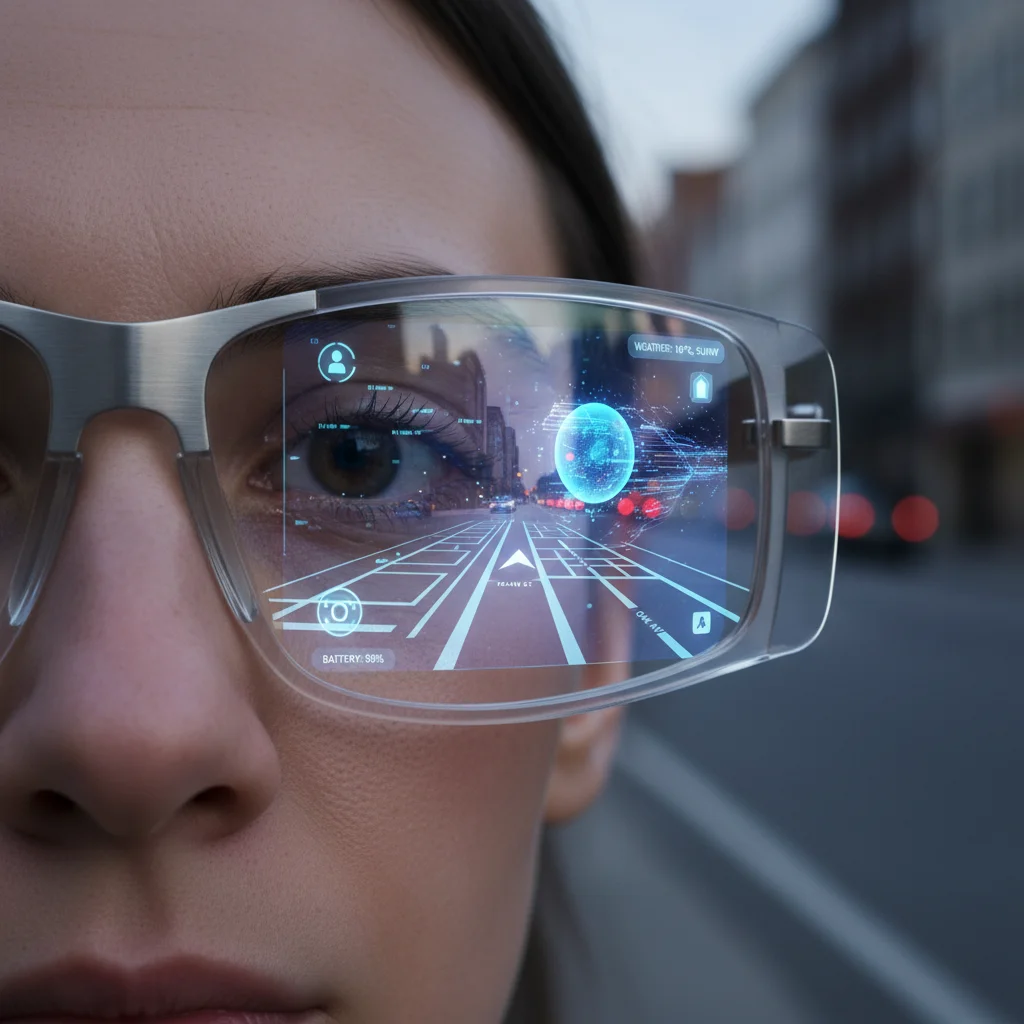
One of the biggest barriers to widespread VR/AR adoption is the bulkiness and often unappealing aesthetics of current HMDs. By 2027, expect significant improvements in form factor. VR headsets will be considerably lighter, more balanced, and offer improved ergonomics, making extended use more comfortable. AR glasses will transition from niche, somewhat clunky devices to sleek, fashionable eyewear that can be worn for prolonged periods without drawing undue attention. This shift will be driven by:
- Advanced Optics: Pancake lenses and holographic waveguides will replace traditional bulky lens systems, allowing for thinner, lighter designs.
- Miniaturized Components: Smaller, more efficient processors, batteries, and display drivers will reduce overall device size and weight.
- Fashion-Forward Design: Greater emphasis will be placed on aesthetics, integrating HMDs seamlessly into daily fashion.
2. High-Resolution, Wider Field-of-View Displays
Immersion is directly tied to visual fidelity. By 2027, display technology in HMDs will reach new heights:
- Micro-OLED and QLED Displays: These technologies will offer significantly higher pixel densities, enabling "retina-level" resolution that eliminates the dreaded "screen door effect."
- Wider Field of View (FOV): An expanded FOV will reduce peripheral black borders, making virtual environments feel more expansive and natural.
- Varifocal and Lightfield Displays: These cutting-edge technologies will address the vergence-accommodation conflict, a common issue in current VR that can cause eye strain and nausea. This allows users to focus on objects at different virtual distances, much like in the real world.
3. Enhanced Tracking and Sensing Capabilities
Precise and natural interaction within the metaverse relies heavily on advanced tracking. By 2027, US consumers will benefit from:
- Inside-Out Tracking with Greater Accuracy: Current HMDs use inside-out tracking, but future iterations will offer even more precise positional tracking without external base stations, making setup easier and movement more fluid.
- Advanced Hand and Finger Tracking: Controllers may become optional for many interactions as highly accurate hand and finger tracking, possibly combined with haptic gloves, allows for intuitive gestures and manipulation of virtual objects.
- Eye Tracking and Foveated Rendering: Eye tracking will enable foveated rendering, where only the area a user is directly looking at is rendered in high resolution, significantly reducing computational load and improving graphical performance while maintaining visual quality.
- Facial and Body Tracking: More sophisticated sensors will capture nuanced facial expressions and full-body movements, allowing for more expressive and realistic avatars.
4. Haptic Feedback and Full-Body Immersion
Beyond visual and auditory input, the sense of touch is crucial for true immersion. While still experimental, haptic technologies will see significant advancements:
- More Refined Haptic Gloves: Current haptic gloves offer basic feedback, but by 2027, expect gloves that can simulate texture, temperature, and pressure with greater fidelity.
- Haptic Suits and Vests: Though likely to remain niche for a while, early versions of haptic suits or vests might become available to consumers, offering full-body tactile feedback for gaming and training simulations.
- Proprioception Enhancers: Devices that simulate physical resistance or movement could emerge, enhancing the feeling of walking, climbing, or interacting with heavy objects in the metaverse.
5. Brain-Computer Interfaces (BCIs) – The Frontier
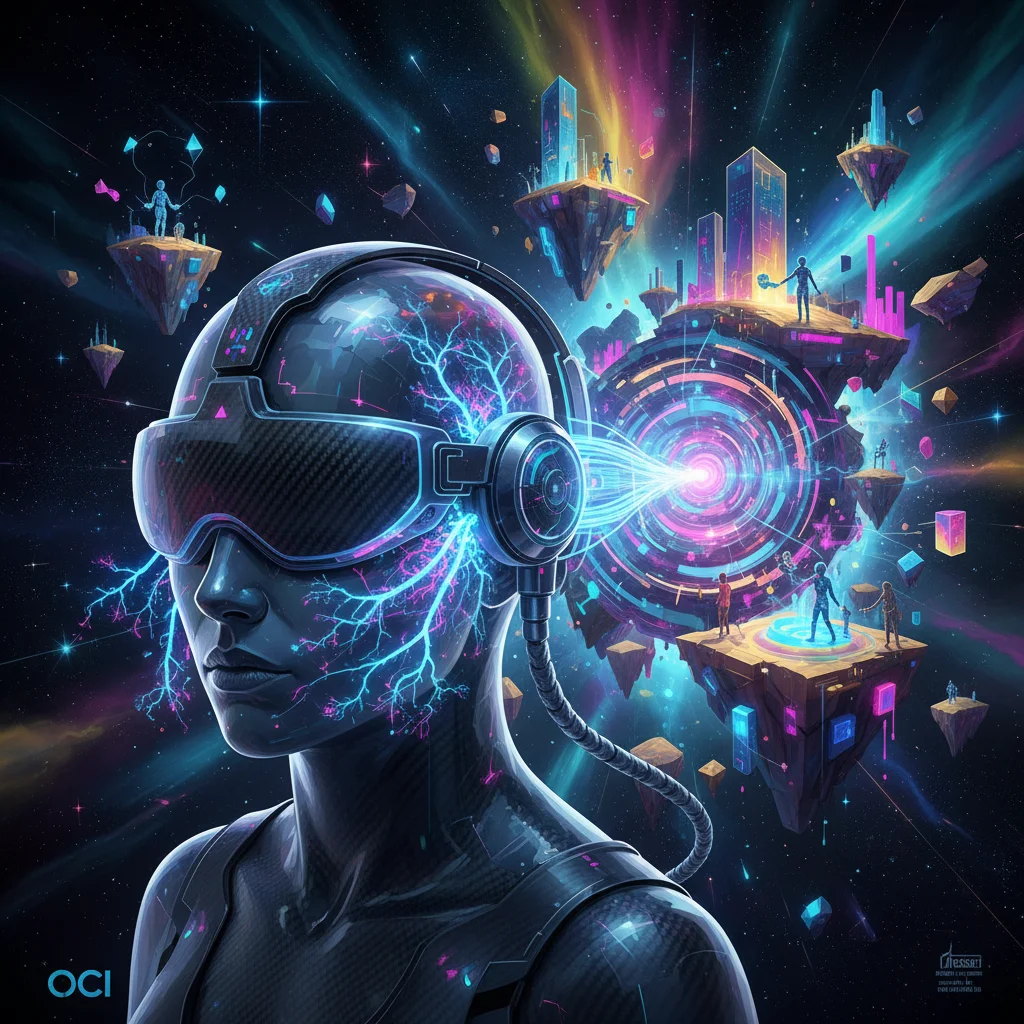
While perhaps not mainstream by 2027, foundational progress in consumer-grade BCIs will be undeniable. These devices aim to allow users to control digital environments with their thoughts. Initial applications might be limited to simple commands or navigation, but the implications for accessibility and hands-free interaction are immense. Companies like Neuralink and others are pushing the boundaries, and by 2027, we might see early, limited consumer applications that hint at the future metaverse hardware impact.
The Metaverse Hardware Impact on US Consumer Experiences by 2027
These hardware advancements will not merely be technical upgrades; they will fundamentally reshape the digital experiences of US consumers across various aspects of their lives.
1. Entertainment and Gaming: Beyond the Screen
Gaming will be a primary beneficiary. VR gaming will move beyond niche enthusiasts to a more mainstream audience as headsets become more affordable, comfortable, and graphically powerful. Imagine not just playing a game, but truly being inside the game world, feeling the rumble of an explosion or the texture of a virtual sword. AR will overlay digital elements onto the real world, transforming living rooms into battlefields or interactive puzzle rooms. Live concerts, sporting events, and cinematic experiences will be reimagined, allowing consumers to attend virtually with an unprecedented sense of presence.
2. Work and Productivity: The Virtual Office and Beyond
Remote work will be enhanced by immersive virtual workspaces. Instead of flat video calls, colleagues will gather in persistent virtual offices, collaborating on 3D models, whiteboarding ideas, and conducting presentations with a sense of shared presence. AR glasses could project multiple virtual monitors onto any surface, freeing users from physical screen limitations and boosting productivity. Training and simulation, already a strong use case for VR, will become more realistic and accessible, preparing professionals for complex tasks in a safe, virtual environment.
3. Education: Learning Reimagined
The metaverse hardware impact on education will be profound. Students could explore ancient Rome, dissect virtual organs, or conduct complex chemistry experiments in immersive virtual labs. AR could overlay interactive lessons onto physical textbooks or real-world objects, making learning more engaging and experiential. This shift promises to democratize access to high-quality, immersive educational content, breaking down geographical barriers.
4. Social Interaction and Community: A New Dimension of Connection
Socializing in the metaverse will become a richer experience. Instead of just seeing friends on a screen, users will meet as realistic avatars in shared virtual spaces, complete with body language and spatial audio. This could bridge distances, allowing families and friends to connect in more meaningful ways, or enable participation in global communities centered around shared interests. The blend of AR and VR will allow for "mixed reality" social gatherings, where digital overlays enhance real-world interactions.
5. Commerce and Retail: Experiential Shopping
Shopping in the metaverse will evolve beyond simple online browsing. Consumers could virtually "try on" clothes, inspect 3D models of products in their own homes via AR, or wander through elaborate virtual storefronts that offer personalized experiences. NFT-based digital goods will become more integrated, and the ability to own and display virtual assets will drive new forms of digital commerce. The metaverse hardware impact will make online shopping an immersive and interactive adventure.
Accessibility and Affordability: Bridging the Gap for US Consumers
For the metaverse to truly impact US consumers by 2027, hardware needs to be not just technologically advanced, but also accessible and affordable. Current high-end VR setups can cost well over $1,000, placing them out of reach for many. However, several factors will drive down costs and improve accessibility:
- Increased Competition: More players entering the market, including tech giants like Apple, Google, and Samsung, will foster competition and drive down prices.
- Economies of Scale: As production volumes increase, manufacturing costs will decrease, leading to more affordable consumer-grade devices.
- Standalone Devices: The trend towards standalone VR headsets (like the Meta Quest series) that don’t require powerful PCs will continue, making them more convenient and less expensive overall.
- Cloud Computing and Edge Devices: Offloading some processing power to cloud servers or edge devices could reduce the need for powerful on-board hardware, further lowering costs.
- Subscription Models: Hardware as a service or subscription models could make premium devices more accessible through monthly payments.
By 2027, it’s reasonable to expect high-quality, standalone VR headsets to be available in the $300-$600 range, making them comparable to current gaming consoles. Consumer-grade AR glasses might still be on the higher end, but more functional and stylish options in the $500-$1000 range could emerge, appealing to early adopters and tech enthusiasts.
Challenges and Considerations for the Metaverse Hardware Impact
While the future looks promising, several challenges must be addressed for the metaverse hardware impact to be overwhelmingly positive for US consumers:
1. Interoperability and Standards
A fragmented metaverse with proprietary hardware and software ecosystems would hinder widespread adoption. By 2027, there will be a growing need for open standards and interoperability, allowing users to seamlessly move their avatars, digital assets, and experiences across different metaverse platforms and hardware. This will require collaboration among competing tech companies, a significant hurdle.
2. Privacy and Data Security
Immersive hardware collects vast amounts of personal data, including biometric information, eye movements, and spatial awareness data. Ensuring robust privacy protections and secure data handling will be paramount. Consumers need assurances that their digital identities and personal information are safe from exploitation and malicious attacks.
3. Digital Divide and Accessibility
While costs are expected to decrease, the initial investment in metaverse hardware could still create a digital divide, leaving some segments of the US population behind. Efforts to make devices affordable, provide public access points, and design inclusive experiences will be crucial to ensure equitable access to the metaverse’s benefits.
4. Health and Well-being
Concerns about prolonged use of immersive hardware, including potential eye strain, motion sickness, and the psychological impact of spending extended periods in virtual environments, will need to be addressed. Hardware manufacturers will focus on improving comfort and reducing adverse effects, while researchers will study the long-term implications for mental and physical health.
5. Content Creation and Curation
Advanced hardware is only as good as the content it delivers. By 2027, there will be an explosion in demand for compelling, high-quality metaverse experiences. This requires robust content creation tools, platforms for creators, and effective curation mechanisms to ensure a diverse and engaging digital landscape.
The Regulatory Landscape and Ethical Considerations
As the metaverse hardware impact grows, so too will the need for regulatory frameworks and ethical guidelines. Governments and international bodies will grapple with questions surrounding digital ownership, virtual crime, content moderation, and the rights of users within persistent virtual worlds. Ethical considerations around AI-powered avatars, data privacy, and the potential for addiction will also come to the forefront. A proactive approach to these issues will be vital for fostering a safe and beneficial metaverse for all US consumers.
Conclusion: A Transformative Decade Ahead
The period leading up to 2027 will be a pivotal era for the metaverse, driven by remarkable advancements in hardware. US consumers can anticipate a future where immersive digital experiences are not just novelties but integrated aspects of daily life. From lighter, more powerful headsets to sophisticated haptic feedback and the nascent stages of BCIs, the hardware will enable richer, more intuitive, and more profound interactions with the digital world.
The metaverse hardware impact will redefine entertainment, education, work, and social connections, offering unprecedented opportunities for innovation and engagement. While challenges related to accessibility, privacy, and ethical governance remain, the trajectory of technological progress suggests a future where the line between the physical and digital blurs, opening up a new frontier of human experience. For US consumers, 2027 will mark not the end of this journey, but a significant milestone in the ongoing evolution of the metaverse.