Gardening for Beginners: 6 Must-Have Tools Under $100 for a Thriving US Garden This Summer
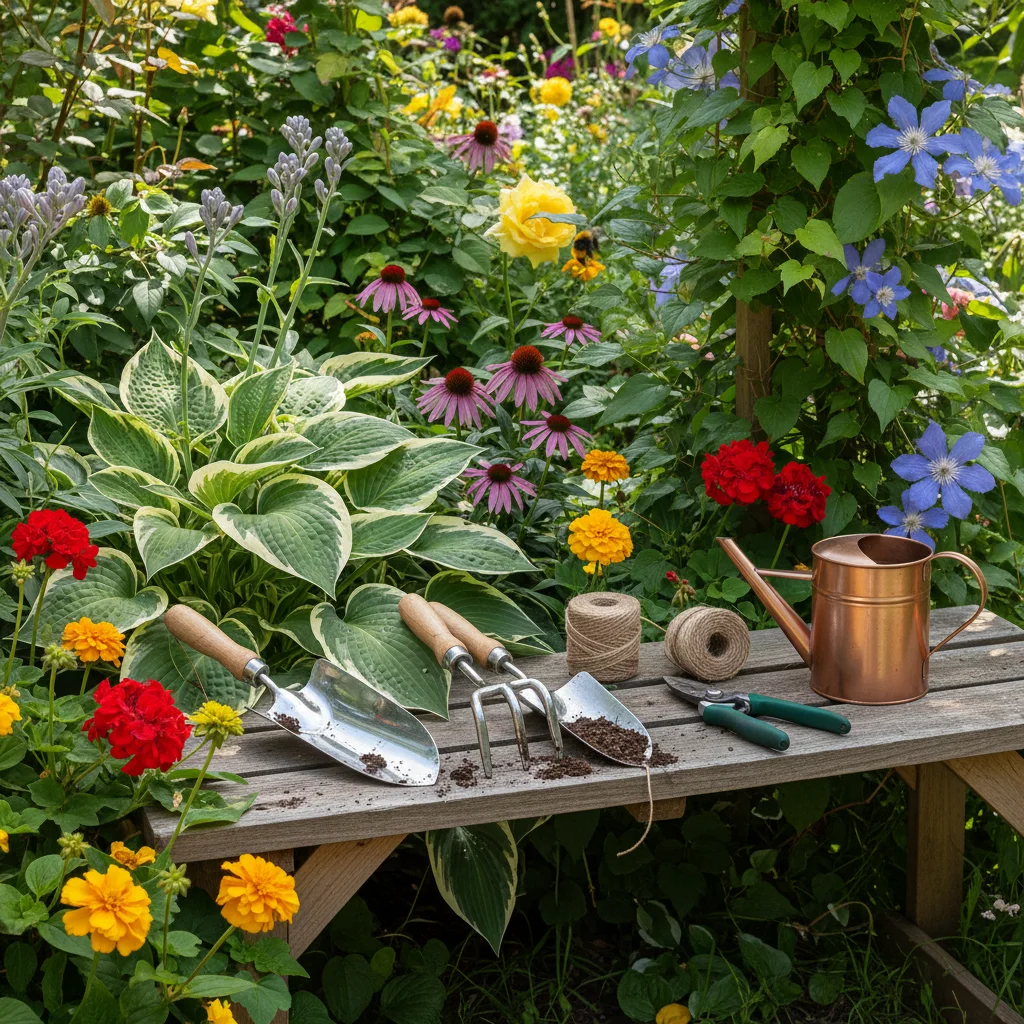
Welcome, aspiring green thumbs! Are you dreaming of fresh herbs, colorful blooms, or homegrown vegetables this summer? Starting a garden can be an incredibly rewarding experience, but the sheer volume of tools available can feel overwhelming, especially when you’re just beginning. Many new gardeners get caught up thinking they need every gadget on the market, leading to unnecessary expenses and often, unused equipment. The truth is, cultivating a thriving garden doesn’t require a massive investment. With a carefully selected set of essential, affordable tools, you can lay the groundwork for a successful and beautiful outdoor space, particularly if you’re gardening in the diverse climates of the US this summer.
Our goal today is to equip you with the knowledge to make smart choices. We’ve meticulously curated a list of Beginner Gardening Tools that are not only indispensable but also budget-friendly, ensuring you can get started for under $100. This guide is specifically tailored for those looking to begin their gardening journey in the United States, keeping in mind common gardening practices and the availability of these tools. By focusing on these core items, you’ll be able to tackle most gardening tasks with confidence, from planting and weeding to pruning and watering. Let’s dive into the world of essential gardening gear and discover how to make your summer garden dreams a reality without breaking the bank!
The Essential Six: Your Budget-Friendly Beginner Gardening Tools Checklist
Before any seed hits the soil or any plant finds its new home, having the right tools at your disposal is paramount. Think of these six items as the foundation of your gardening toolkit. Each one serves multiple purposes and is designed to make your gardening tasks easier, more efficient, and ultimately, more enjoyable. Let’s explore these must-have Beginner Gardening Tools.
1. Hand Trowel: Your Versatile Digging Companion (Estimated Cost: $5-$15)
If there’s one tool every gardener, regardless of experience, should own, it’s a hand trowel. This small, shovel-like tool is incredibly versatile and will quickly become your best friend in the garden. Its pointed, scoop-shaped blade is perfect for a multitude of tasks, making it an indispensable part of any set of Beginner Gardening Tools.
Why You Need It:
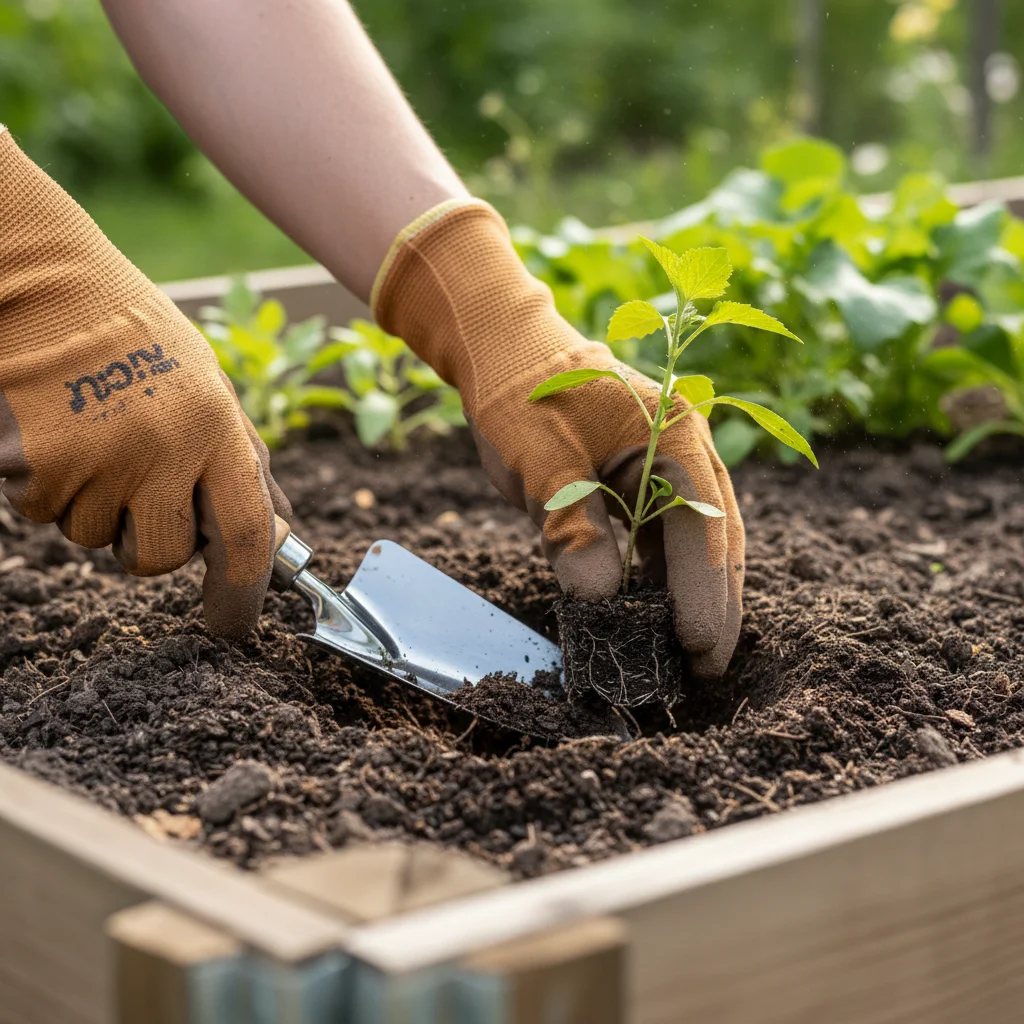
- Planting Small Plants and Seedlings: The primary use of a hand trowel is to dig small holes for planting. Whether you’re transplanting delicate seedlings from starter trays into your garden bed or moving small annuals, the trowel allows for precise digging without disturbing nearby plants.
- Weeding: Its sharp edge is excellent for prying out stubborn weeds, especially those with taproots. You can use it to loosen the soil around the weed, making it easier to pull out the entire root system.
- Mixing Soil Amendments: When adding compost, fertilizer, or other soil amendments to small areas or containers, a hand trowel is ideal for mixing them thoroughly with the existing soil.
- Container Gardening: For anyone focused on container gardening, a hand trowel is perfectly sized for working within pots and planters.
What to Look For:
- Durable Material: Opt for a trowel made from stainless steel or a high-quality carbon steel. These materials resist rust and bending, ensuring your tool lasts for many seasons. Avoid plastic trowels for anything more than the lightest tasks, as they tend to break easily.
- Comfortable Handle: A good grip is crucial. Look for an ergonomic handle, often made of wood, rubber, or a composite material, that fits comfortably in your hand and reduces fatigue during prolonged use.
- Full Tang Construction: If possible, choose a trowel where the metal blade extends all the way through the handle (full tang). This design provides superior strength and durability.
- Measurement Markings: Some trowels come with depth markings on the blade, which can be very helpful for planting at specific depths.
A reliable hand trowel will be the workhorse of your Beginner Gardening Tools collection, handling countless tasks with ease and efficiency. It’s a small investment that yields huge returns in convenience and productivity.
2. Gardening Gloves: Protect Your Hands (Estimated Cost: $5-$20)
While gardening is a gentle art, it can be tough on your hands. Thorns, rough soil, irritating plants, and even insect bites are common hazards. A good pair of gardening gloves is not just a comfort item; it’s a crucial piece of protective gear, making them a non-negotiable addition to your Beginner Gardening Tools list.
Why You Need Them:
- Protection from Thorns and Splinters: Roses, berry bushes, and even some weeds can have sharp thorns or irritating burrs. Gloves provide a barrier, preventing painful punctures and splinters.
- Preventing Blisters and Calluses: Repetitive tasks like digging, weeding, or raking can lead to blisters. Gloves offer cushioning and reduce friction.
- Protection from Soil and Chemicals: Keep your hands clean from dirt, mud, and potentially irritating soil amendments or fertilizers. They also protect against soil-borne bacteria.
- Improved Grip: Many gloves offer enhanced grip, especially when working with wet tools or slippery plants.
What to Look For:
- Material:
- Cotton or Fabric: Lightweight and breathable, good for light tasks and keeping hands cool. Not ideal for heavy-duty protection.
- Leather: Excellent for heavy-duty tasks, providing superior puncture and abrasion resistance. Often less breathable.
- Synthetic (e.g., Nitrile, Latex, Spandex blends): Offer a good balance of protection, dexterity, and breathability. Often water-resistant. Many modern gardening gloves blend materials for optimal performance.
- Fit: Gloves should fit snugly but not be too tight, allowing for full dexterity. Ill-fitting gloves can make tasks harder and lead to fatigue.
- Cuff Length: Shorter cuffs are fine for general tasks, but longer cuffs offer added protection for your forearms when reaching into dense foliage or thorny bushes.
- Water Resistance: For working in wet conditions, look for water-resistant or waterproof options.
- Durability: Check reviews for how well the gloves hold up to regular use.
Investing in a couple of pairs – perhaps a lighter, more dexterous pair for delicate tasks and a tougher pair for heavy digging or pruning – will serve you well. Protect your hands, and your gardening experience will be far more enjoyable.
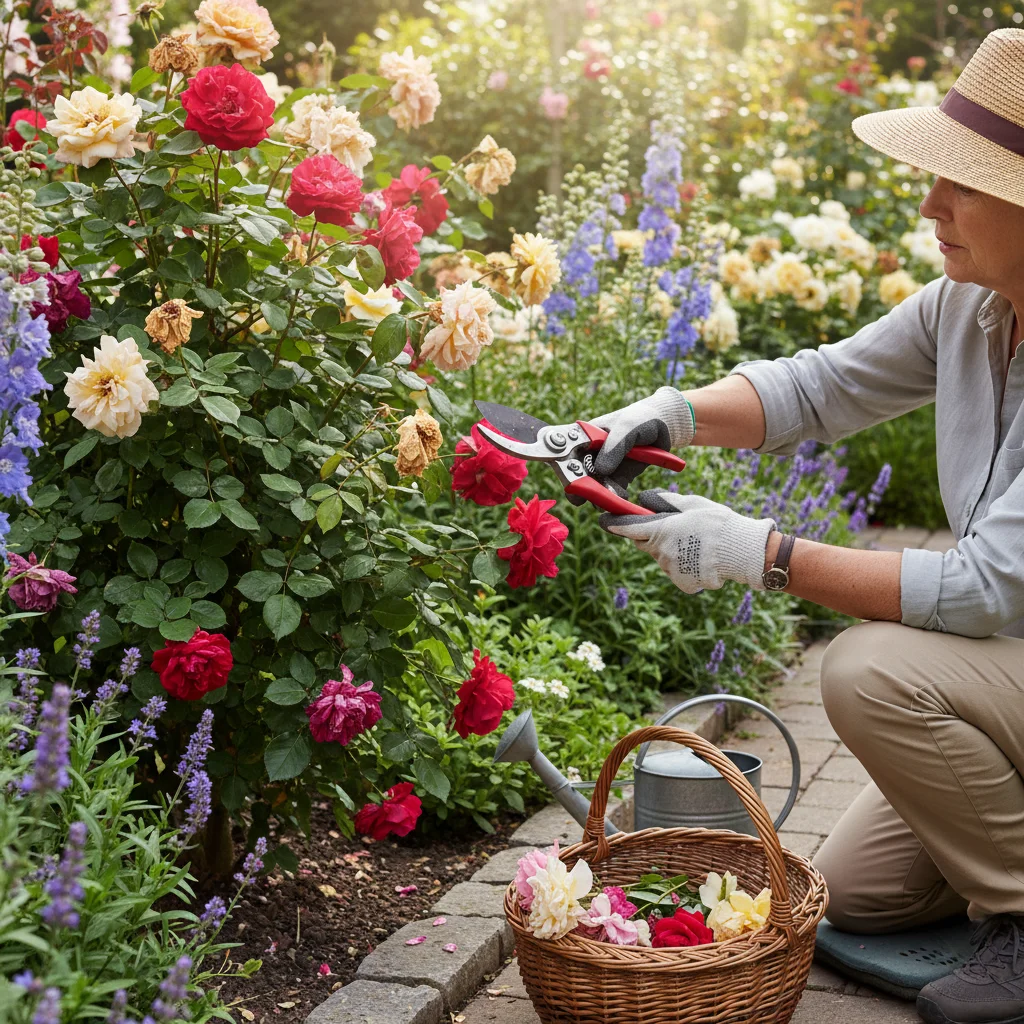
3. Pruning Shears (Hand Pruners): The Gardener’s Scissors (Estimated Cost: $15-$30)
To maintain healthy plant growth, shape your shrubs, and harvest your bounty, a good pair of pruning shears is indispensable. Also known as hand pruners or secateurs, these tools are designed for making clean cuts on branches, stems, and flowers, and are a core component of any effective set of Beginner Gardening Tools.
Why You Need Them:
- Deadheading: Removing spent flowers encourages new blooms and prevents plants from wasting energy on seed production.
- Trimming and Shaping: Keep your plants tidy, encourage bushier growth, and remove unruly branches.
- Harvesting: Cleanly cut vegetables, fruits, and herbs from their parent plants without damaging the plant.
- Removing Diseased or Damaged Growth: Pruning away unhealthy parts of a plant can prevent the spread of disease and improve overall plant vigor.
Types of Pruning Shears:
- Bypass Pruners: These work like scissors, with two blades that ‘bypass’ each other to make a clean, precise cut. Ideal for live green stems and branches up to about 3/4 inch thick, as they cause less damage to plant tissue.
- Anvil Pruners: These have a straight blade that cuts down onto a flat anvil (a softer metal or plastic bar). Best for dead or woody branches, as they tend to crush live stems. For a beginner, bypass pruners are generally more versatile and recommended for most tasks.
What to Look For:
- Sharp Blades: Look for blades made from hardened steel (carbon steel or high-carbon steel) that hold an edge well. Stainless steel is rust-resistant but may not hold an edge as long.
- Comfortable Grip and Spring Mechanism: An ergonomic handle and a smooth spring action will reduce hand fatigue.
- Safety Lock: A reliable safety lock mechanism is essential to keep the blades closed when not in use, preventing accidents and protecting the blades.
- Replaceable Parts: Higher-end models sometimes offer replaceable blades or springs, extending the life of the tool.
With proper care (cleaning and sharpening), a good pair of pruning shears will last for years and keep your garden looking its best. They are arguably one of the most important Beginner Gardening Tools you’ll acquire.
4. Garden Fork (Digging Fork): For Aeration and Loosening (Estimated Cost: $20-$40)
While a spade or shovel is great for moving large amounts of soil, a garden fork, also known as a digging fork or spading fork, excels at breaking up compacted earth, aerating soil, and mixing in amendments. It’s a fantastic tool for preparing garden beds and is a valuable addition to your Beginner Gardening Tools collection, especially if your soil is heavy clay or compacted.
Why You Need It:
- Breaking Up Compacted Soil: The tines of a garden fork can penetrate hard, compacted soil much more easily than a shovel blade, making it ideal for initially breaking ground.
- Aerating Soil: Pushing the fork into the soil and wiggling it gently creates air pockets, improving drainage and allowing oxygen to reach plant roots. This is especially beneficial for lawns and established garden beds.
- Mixing in Compost and Amendments: It’s perfect for incorporating organic matter, compost, or fertilizer evenly throughout your garden beds.
- Lifting and Moving Plants: The tines can gently lift plants with minimal root disturbance, making transplanting easier.
- Harvesting Root Vegetables: For crops like potatoes, carrots, or sweet potatoes, a garden fork can gently loosen the soil around them, reducing the risk of damaging the harvest.
What to Look For:
- Strong Tines: The tines should be made from sturdy, heat-treated steel that won’t bend or break under pressure.
- Shaft Material: A strong wooden (ash is common) or fiberglass shaft is durable. Avoid plastic shafts for digging forks.
- Handle Type: D-handles or T-handles offer a good grip and leverage. Choose what feels most comfortable for you.
- Overall Length: Ensure the fork is a comfortable length for your height to prevent back strain.
A garden fork will make heavy-duty soil work significantly easier and more effective, contributing to healthier soil structure and more vigorous plant growth. It’s an often-underestimated tool among Beginner Gardening Tools but incredibly useful.
5. Garden Hoe: The Weeding Warrior (Estimated Cost: $15-$30)
Weeding is an inevitable part of gardening, but it doesn’t have to be a back-breaking chore. A garden hoe is specifically designed to make quick work of weeds, especially in larger garden beds. It’s a fundamental tool for maintaining a tidy and healthy garden, and a definite must-have among your Beginner Gardening Tools.
Why You Need It:
- Efficient Weeding: A hoe allows you to slice off weeds just below the soil surface while standing, saving your knees and back. It’s much faster than hand-pulling weeds in large areas.
- Cultivating Soil: It can be used to lightly loosen the top layer of soil, improving aeration and water penetration.
- Creating Furrows: For planting seeds in rows, a hoe can quickly create shallow furrows.
- Breaking Up Soil Clumps: After digging, a hoe can help break down larger soil clumps, preparing a finer seedbed.
Types of Hoes:
- Draw Hoe (or Paddle Hoe): This is the most common type, with a rectangular blade that you pull towards you to cut weeds and move soil.
- Action Hoe (or Oscillating/Scuffle Hoe): This type has a hinged blade that rocks back and forth, cutting weeds on both the push and pull strokes. It’s excellent for shallow weeding and can be less strenuous.
- Collinear Hoe (or Dutch Hoe): Designed for very shallow weeding, slicing weeds off just below the soil surface with a push motion.
For most beginners, a good quality draw hoe or an action hoe will be the most versatile. An action hoe is particularly good for those seeking a less strenuous weeding experience.
What to Look For:
- Sharp Blade: A sharp, durable steel blade is essential for efficient cutting.
- Sturdy Handle: A long, strong handle (wood or fiberglass) that provides good leverage is key. Ensure it’s a comfortable length for your height.
- Blade Attachment: Make sure the blade is securely attached to the handle and won’t wobble.
A garden hoe will significantly reduce the time and effort spent on weeding, allowing your desired plants to thrive without competition. It’s a simple tool that delivers massive benefits for any gardener.
6. Watering Can or Hose with Adjustable Nozzle: The Lifeline (Estimated Cost: $10-$30)
Water is the essence of life for your plants, and delivering it effectively is crucial for a thriving garden. While a simple bucket might suffice for a tiny patch, a dedicated watering can or a hose with an adjustable nozzle is a must-have for consistent and controlled irrigation, making it the final, but equally important, item in our list of Beginner Gardening Tools.
Why You Need It:
- Controlled Watering: Both options allow you to direct water precisely where it’s needed – at the base of the plant – minimizing water waste and reducing the risk of fungal diseases that can occur from wetting foliage.
- Gentle Delivery: A watering can with a rose (the sprinkler head) or a hose nozzle set to a gentle shower mimics rain, preventing soil erosion and protecting delicate seedlings from being washed away.
- Efficient Coverage: For larger areas, a hose is indispensable. For containers or small beds, a watering can offers portability and ease of use.
- Applying Liquid Fertilizers: A watering can is perfect for mixing and applying liquid feeds directly to plant roots.
What to Look For:
- Watering Can:
- Capacity: Choose a size that you can comfortably lift when full. 1-2 gallons is a good starting point for most.
- Material: Plastic cans are lightweight and affordable. Galvanized steel cans are durable and aesthetically pleasing but heavier.
- Rose (Sprinkler Head): Look for one that provides a fine, gentle spray. Removable roses are a bonus for cleaning or for a direct pour.
- Balance: A well-balanced can with a comfortable handle makes watering less strenuous.
- Hose with Adjustable Nozzle:
- Hose Length: Ensure it’s long enough to reach all parts of your garden without stretching.
- Hose Material: Vinyl hoses are lightweight and inexpensive but can kink. Rubber hoses are more durable and kink-resistant but heavier. Expandable hoses are convenient but may not be as durable.
- Nozzle Settings: An adjustable nozzle with multiple spray patterns (e.g., shower, mist, jet) offers versatility for different watering needs. A ‘shower’ setting is ideal for most garden plants.
- Durability: Look for sturdy connectors (brass is better than plastic) and a robust nozzle construction.
Proper watering is fundamental to plant health. Having the right tool to deliver water effectively will be a game-changer for your garden’s success. This vital piece of equipment completes your essential Beginner Gardening Tools collection.
Beyond the Basics: Expanding Your Toolkit (When You’re Ready)
Once you’ve mastered the use of your initial Beginner Gardening Tools and your garden is flourishing, you might find yourself itching to expand your collection. Remember, there’s no rush! Gardening is a journey, and your tools should evolve with your needs and interests. Here are a few items you might consider adding down the line, once you’ve gained more experience and identified specific gardening challenges:
- Garden Spade or Shovel: For heavier digging, moving larger quantities of soil, or turning over garden beds.
- Wheelbarrow or Garden Cart: Invaluable for transporting soil, compost, mulch, tools, and harvested produce around a larger garden.
- Rake: For leveling soil, clearing debris, and spreading mulch. Different types exist for different tasks (leaf rake, bow rake).
- Weeding Fork/Dandelion Weeder: A specialized tool for precisely removing tap-rooted weeds with minimal soil disturbance.
- Kneeling Pad or Garden Stool: To protect your knees and provide comfort during prolonged periods of working at ground level.
- Soil Tester: To understand your soil’s pH and nutrient levels, allowing for more targeted amendments.
- Hori Hori Knife: A multi-purpose Japanese gardening knife excellent for weeding, planting, cutting, and even dividing perennials.
- Garden Sprayer: For applying foliar feeds, pest control solutions, or fungicides to larger areas.
These additions can certainly enhance your gardening efficiency and comfort, but they are not critical for starting out. Focus on mastering your core Beginner Gardening Tools first.
Tips for Maximizing Your Beginner Gardening Tools Investment
Getting the right tools is only half the battle; taking care of them ensures they last longer and perform better. Here are some essential tips for maintaining your affordable gardening arsenal:
- Clean After Each Use: Soil, sap, and plant debris can dull blades and promote rust. Use a stiff brush or cloth to remove dirt, and wipe blades with a damp cloth. For sticky sap, a little rubbing alcohol can help.
- Dry Thoroughly: Moisture is the enemy of metal tools. After cleaning, ensure all metal parts are completely dry before storing them.
- Sharpen Blades Regularly: Dull pruning shears or hoes require more effort and can damage plants. Invest in a small sharpening stone or file and learn how to keep your blades keen. A sharp tool is a safe and effective tool.
- Oil Metal Parts: Periodically wipe metal blades and moving parts with a light coat of oil (e.g., mineral oil, linseed oil, or WD-40) to prevent rust.
- Store Properly: Keep your tools in a dry, protected area, such as a shed, garage, or tool rack. Avoid leaving them exposed to the elements. Hanging them up can prevent rust and keep them organized.
- Inspect for Damage: Regularly check handles for splinters or cracks, and blades for nicks or bends. Address small issues before they become major problems.
- Wear Gloves: As mentioned, gloves protect your hands, but they also help you maintain a better grip on your tools, reducing the chance of accidents and extending tool life by preventing abrasive wear on handles.
By following these simple maintenance practices, your initial investment in Beginner Gardening Tools will serve you well for many seasons to come, proving that quality and longevity don’t always come with a high price tag.
Cultivating Success: Beyond the Tools
While having the right Beginner Gardening Tools is fundamental, remember that gardening success also hinges on knowledge and observation. Here are a few additional pointers for new gardeners in the US:
- Understand Your Climate Zone: The US has diverse climate zones (USDA Hardiness Zones). Knowing your zone will help you choose plants that are best suited to your local environment, increasing their chances of survival and thriving.
- Know Your Soil: Healthy soil is the foundation of a healthy garden. Consider a simple soil test to understand its composition and pH. Most local extension offices offer affordable testing services.
- Start Small: Don’t try to tackle an entire yard at once. Begin with a manageable raised bed, a few containers, or a small in-ground plot. Success in a small area will build your confidence.
- Choose the Right Plants: For beginners, opt for easy-to-grow plants. Many herbs (basil, mint), vegetables (lettuce, radishes, bush beans), and flowers (marigolds, zinnias) are very forgiving.
- Observe Your Garden: Spend time in your garden daily. Look for signs of pests, diseases, or nutrient deficiencies. The sooner you spot an issue, the easier it is to address.
- Learn from Others: Join local gardening clubs, watch online tutorials, or consult experienced gardeners. There’s a wealth of knowledge to tap into.
- Be Patient and Persistent: Gardening involves trial and error. Not every plant will thrive, and that’s okay. Learn from your experiences and keep going!
Embracing these principles alongside your essential Beginner Gardening Tools will empower you to create a beautiful and productive garden that brings joy and fresh produce to your table all summer long.
Conclusion: Your Thriving US Summer Garden Awaits!
Embarking on the journey of gardening is an exciting endeavor, and with the right approach, it doesn’t have to be an expensive one. By focusing on these six essential Beginner Gardening Tools – the hand trowel, gardening gloves, pruning shears, garden fork, garden hoe, and a watering can or hose with an adjustable nozzle – you’ve equipped yourself with everything necessary to start and maintain a vibrant garden for under $100 this summer in the US.
Remember, the most important tools in gardening are your passion and patience. These physical tools are merely extensions of your will to cultivate life and beauty. Clean, sharpen, and store them properly, and they will serve you faithfully as you watch your seeds sprout, your plants flourish, and your harvests grow. From the smallest herb pot on your patio to a burgeoning vegetable patch, these affordable essentials will empower you to dig, plant, prune, and water your way to gardening success.
So, what are you waiting for? Grab your gloves, choose your tools, and step into the sunlight. Your thriving US summer garden is within reach, and with these must-have Beginner Gardening Tools, you’re more than ready to make it a reality. Happy gardening!