Wearable Health Tech: Revolutionizing US Lifestyles by Mid-2026
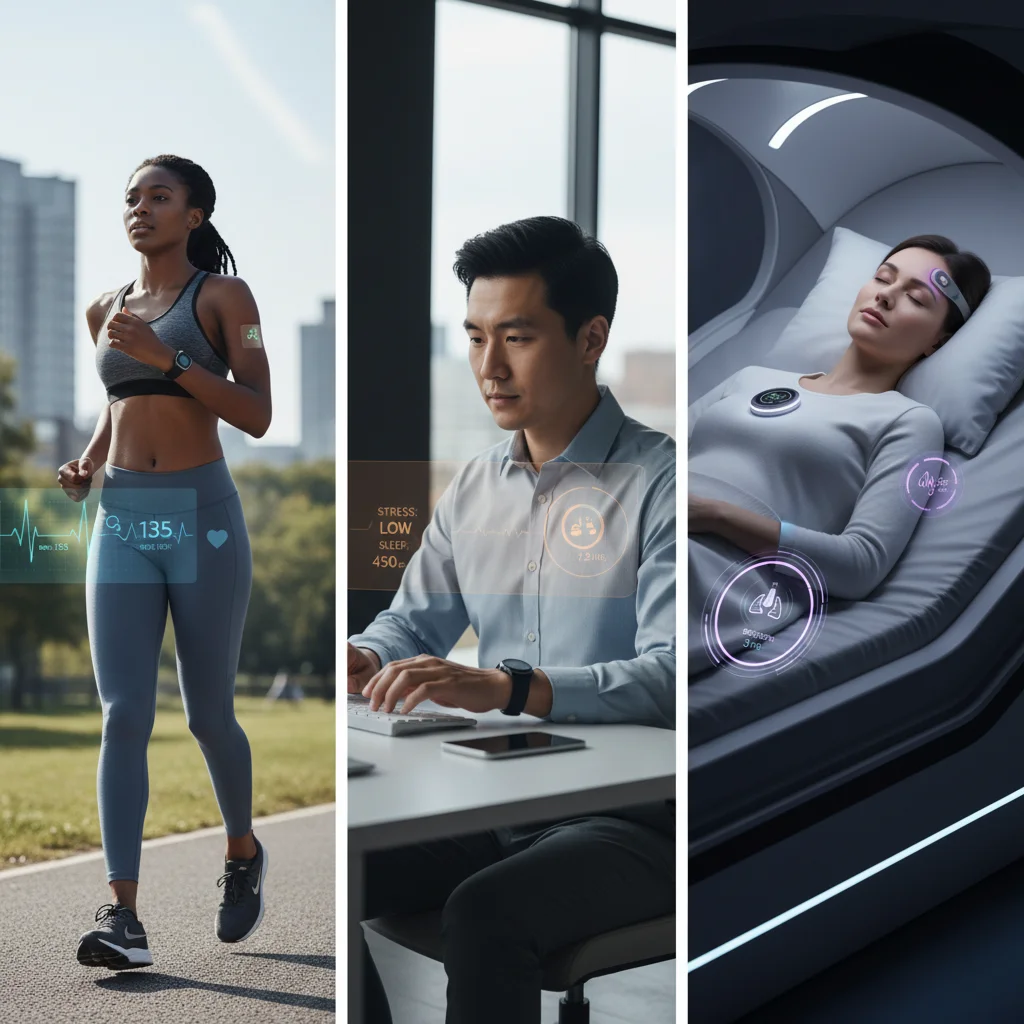
The Wearable Health Tech Revolution: 4 Innovations Impacting US Lifestyles by Mid-2026
The dawn of a new era in personal health management is upon us, driven by the relentless march of technological innovation. Specifically, the realm of wearable health tech is experiencing an unprecedented boom, transforming how individuals in the United States perceive, monitor, and manage their well-being. By mid-2026, we anticipate four pivotal innovations in wearable health tech to not only refine but fundamentally redefine American lifestyles, offering unparalleled insights into personal health data and fostering a proactive approach to wellness. This isn’t merely about counting steps anymore; it’s about a comprehensive, real-time understanding of our bodies, empowering us to make informed decisions that can lead to longer, healthier lives.
The market for wearable health tech has seen exponential growth, fueled by increasing consumer awareness of personal health, the aging population, and breakthroughs in sensor technology and data analytics. From fitness enthusiasts tracking every calorie and stride to individuals managing chronic conditions, wearables are becoming indispensable tools. The convenience of continuous monitoring, coupled with the ability to access actionable health data directly from our wrists or other discreet body points, has shifted the paradigm from reactive illness management to proactive health optimization. As we delve deeper into this revolution, it becomes clear that these devices are more than just gadgets; they are integral components of a future where personalized health is the norm, not the exception.
1. Advanced Biometric Tracking: Beyond Heart Rate and Steps
For years, fitness trackers have offered basic biometric data: heart rate, step counts, and perhaps calorie burn. While foundational, these metrics are just the tip of the iceberg. The next wave of wearable health tech is pushing boundaries, integrating sophisticated sensors capable of tracking a much broader spectrum of physiological indicators. By mid-2026, expect devices that reliably monitor blood oxygen saturation (SpO2) with medical-grade accuracy, enabling early detection of respiratory issues or sleep apnea. Furthermore, continuous body temperature monitoring is becoming standard, offering insights into illness onset, ovulation cycles, and even exercise recovery. These advancements move wearables from being mere fitness gadgets to essential health diagnostic and preventative tools.
The implications of this enhanced biometric tracking are profound. For instance, athletes can optimize training and recovery strategies by understanding their body’s precise responses to exertion and rest. Individuals can receive alerts for potential health anomalies, prompting timely medical consultation. Moreover, the aggregation of this data over time provides a holistic view of an individual’s health trajectory, allowing for personalized wellness plans and interventions. The focus is shifting from simple activity tracking to comprehensive physiological analysis, making wearable health tech an invaluable asset for anyone serious about understanding and improving their health.
One of the most exciting developments in this category is the integration of advanced algorithms that can interpret complex biometric data to provide actionable insights. For example, heart rate variability (HRV) — a measure of the variation in time between heartbeats — is emerging as a powerful indicator of stress, recovery, and overall autonomic nervous system balance. Future wearable health tech will not only measure HRV but also provide personalized recommendations based on these readings, such as suggesting meditation practices during periods of high stress or indicating optimal recovery times after intense workouts. This level of personalized guidance, derived directly from one’s own body data, represents a significant leap forward in preventative health and performance optimization.
Another area seeing significant innovation is the non-invasive measurement of blood pressure. While current cuff-based methods are effective, they are not always convenient for continuous monitoring. Researchers are developing optical sensors and micro-radars that can estimate blood pressure from the wrist or other body locations with increasing accuracy. Imagine a future where your wearable health tech discreetly monitors your blood pressure throughout the day, alerting you to abnormal readings that might indicate hypertension, a silent killer. This constant vigilance can empower individuals and their healthcare providers to intervene earlier, potentially preventing serious cardiovascular events. The convenience and continuous nature of such monitoring will be a game-changer for millions of Americans at risk of or living with hypertension.
Furthermore, the integration of bioimpedance sensors is allowing for more accurate body composition analysis directly from wearables. Instead of just tracking weight, these devices can differentiate between fat mass, lean muscle mass, and even hydration levels. This detailed information is crucial for fitness enthusiasts, those on weight management journeys, and individuals seeking to understand their body’s metabolic health more thoroughly. By providing a clearer picture of body composition, wearable health tech can offer more targeted advice on diet, exercise, and overall lifestyle choices, moving beyond simplistic metrics to a more nuanced understanding of physical health.
2. Continuous Glucose Monitoring (CGM) for Non-Diabetics
While continuous glucose monitors (CGMs) have been revolutionary for individuals with diabetes, the next frontier for wearable health tech is their widespread adoption by non-diabetics. By mid-2026, we anticipate a significant increase in CGMs used by the general population for optimizing metabolic health, weight management, and performance. Understanding how different foods impact individual blood sugar levels in real-time provides unparalleled insight into dietary choices and their physiological effects. This personalized feedback loop empowers users to make smarter decisions about nutrition, leading to improved energy levels, better sleep, and reduced risk of developing metabolic disorders.
The ability of CGMs to provide immediate feedback on glucose spikes and dips allows individuals to identify specific foods or eating patterns that negatively affect their metabolism. For example, someone might discover that a seemingly healthy breakfast cereal causes a significant glucose surge, leading to an energy crash later. Armed with this knowledge, they can adjust their diet to include foods that promote stable blood sugar, such as those rich in fiber and protein. This level of granular, personalized nutritional insight is a game-changer for anyone looking to optimize their diet beyond generic recommendations. The preventative potential of widespread CGM adoption is immense, offering a powerful tool in the fight against obesity and type 2 diabetes.
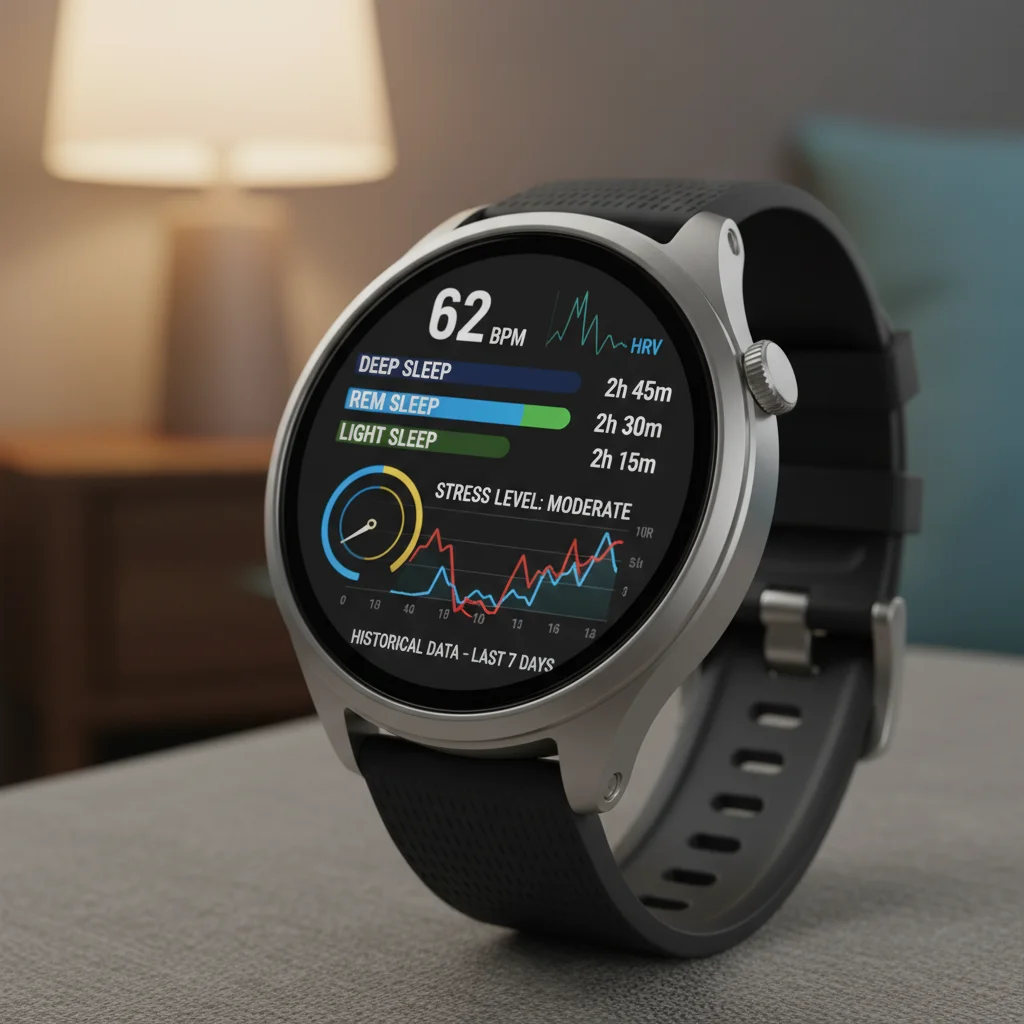
Beyond diet, CGMs can also provide insights into the impact of exercise and stress on blood glucose. Intense workouts, for instance, can sometimes cause temporary glucose fluctuations. Understanding these patterns allows athletes to time their nutrition more effectively for peak performance and faster recovery. Similarly, stress can elevate blood sugar levels, even in non-diabetics. By correlating glucose data with stress levels (as measured by other wearables), individuals can identify stress triggers and implement coping strategies, further enhancing their overall well-being. This holistic understanding of how various lifestyle factors influence metabolic health makes CGMs a cornerstone of future wearable health tech.
The technology behind CGMs is also becoming more user-friendly and less invasive. Future devices are expected to be smaller, more comfortable, and integrate seamlessly into daily life, perhaps even embedded in patches or smart clothing. This ease of use will further accelerate their adoption among the general population. The data collected by these devices, when combined with AI-driven analytics, can offer predictive insights, helping users anticipate potential metabolic issues and take corrective action before they become serious problems. This shift from reactive treatment to proactive prevention is a hallmark of the wearable health tech revolution.
3. AI-Powered Predictive Health Analytics and Personalized Coaching
The true power of wearable health tech isn’t just in data collection, but in the intelligent interpretation and application of that data. By mid-2026, Artificial Intelligence (AI) will be deeply embedded in wearables, transforming raw biometric data into actionable, personalized health insights and coaching. Imagine a device that not only tells you your sleep quality was poor but also analyzes your activity, stress levels, and dietary intake from the previous day to suggest specific interventions – perhaps a lighter dinner, an earlier bedtime, or a guided meditation session. This level of personalized guidance moves beyond generic advice, offering tailored recommendations based on an individual’s unique physiological responses and lifestyle.
AI-powered predictive analytics will also play a crucial role in early disease detection. By continuously monitoring subtle changes in various biometric markers, AI algorithms can identify patterns indicative of potential health issues long before symptoms manifest. For example, deviations in sleep patterns, heart rate variability, or body temperature, when analyzed in conjunction, could signal the onset of an infection, a cardiovascular issue, or even increased risk for certain chronic diseases. These predictive capabilities empower users to seek medical attention proactively, potentially leading to earlier diagnosis and more effective treatment outcomes. This preventative aspect is one of the most significant promises of advanced wearable health tech.
Furthermore, AI will facilitate personalized coaching that adapts to an individual’s progress and goals. Whether it’s optimizing workout routines, suggesting dietary adjustments, or managing stress, the AI will learn from user data and provide dynamic recommendations. This isn’t a one-size-fits-all approach; instead, it’s a continuously evolving health companion that understands individual needs and preferences. For instance, if an individual is training for a marathon, the AI can analyze their running data, recovery metrics, and sleep patterns to adjust their training schedule in real-time, preventing overtraining and maximizing performance. This intelligent, adaptive coaching will make health and fitness goals more attainable and sustainable.
The integration of AI also extends to mental well-being. Wearables capable of tracking stress through heart rate variability, skin conductance, and even voice analysis will be able to identify periods of heightened stress and offer immediate interventions, such as guided breathing exercises or mindfulness prompts. Over time, the AI can help users identify their personal stress triggers and develop more effective coping mechanisms. This proactive approach to mental health support, delivered discreetly through wearable health tech, will be invaluable in an increasingly demanding world, contributing to a more balanced and resilient lifestyle.
Moreover, AI can help bridge the gap between self-monitoring and professional healthcare. Data from wearables, anonymized and aggregated, can provide valuable insights for public health initiatives. For individual users, the AI can generate comprehensive health reports that can be easily shared with physicians, facilitating more informed discussions and precise diagnoses. This seamless integration of personal health data into the broader healthcare ecosystem will streamline patient care and foster a more collaborative approach to health management, making wearable health tech a crucial link in the chain of modern healthcare.
4. Smart Patches and Implantables for Targeted Monitoring
While wrist-worn devices dominate the current wearable health tech landscape, the future will see a proliferation of smart patches and even discreet implantable devices designed for more targeted and less obtrusive monitoring. By mid-2026, smart patches will become commonplace for specific applications, offering continuous, high-fidelity data without the need for a bulky watch. These adhesive patches can monitor everything from ECG for cardiac health to specific biomarkers in sweat, providing insights into hydration, electrolyte balance, and even early signs of illness.
Imagine a small, unobtrusive patch worn on the chest that continuously monitors your heart’s electrical activity, detecting subtle arrhythmias that might otherwise go unnoticed. This level of continuous, medical-grade monitoring, available outside of a clinical setting, offers immense potential for early detection and prevention of cardiovascular diseases. For individuals recovering from surgery or managing chronic conditions, these smart patches can provide vital data to healthcare providers, allowing for remote monitoring and timely interventions, reducing the need for frequent clinic visits and improving patient outcomes. The convenience and accuracy of these devices will make them a preferred choice for targeted health monitoring.
Beyond patches, the conversation around implantable wearable health tech is gaining traction. While still in early stages for broad consumer adoption, tiny, biocompatible sensors implanted just beneath the skin could offer even more precise and continuous data collection, completely imperceptible to the user. These could monitor glucose, lactate, oxygen levels, or even drug concentrations, transmitting data wirelessly to external devices. While the ethical and privacy considerations are significant, the potential for truly seamless and highly accurate health monitoring is undeniable, particularly for critical medical applications or for individuals seeking the ultimate in discreet monitoring.
The development of flexible electronics and advanced materials is making these smart patches and potential implantables increasingly comfortable, durable, and energy-efficient. They are designed to integrate seamlessly into daily life, often being forgotten once applied. This ‘invisible’ health monitoring allows individuals to go about their routines without constant reminders of their health status, while still receiving the benefits of continuous data collection and analysis. This shift towards more integrated and less intrusive forms of wearable health tech represents a significant step forward in making health monitoring truly ubiquitous and effortless.
Furthermore, these smart patches are not limited to just measuring physiological parameters. Some are being developed to administer medication in a controlled manner, acting as ‘smart drug delivery systems.’ For example, a patch could monitor a patient’s pain levels or specific biomarker and release a precise dose of medication in response. This level of personalized, on-demand treatment could revolutionize chronic pain management, hormone therapy, and other conditions requiring precise dosing. The convergence of sensing and therapeutic capabilities in a single, discreet device highlights the immense potential of this advanced wearable health tech.
The Broader Impact on US Lifestyles
The integration of these four innovations in wearable health tech will have a profound and multifaceted impact on US lifestyles by mid-2026. Firstly, it will foster a culture of proactive health management. Armed with personalized, real-time data and AI-driven insights, individuals will be empowered to take greater ownership of their health, moving away from a reactive model of treating illness towards a preventative one of maintaining wellness. This shift will likely lead to healthier populations, reduced healthcare costs, and increased productivity.
Secondly, these technologies will democratize access to health information and personalized care. While professional medical consultation will always be essential, wearables provide a continuous layer of monitoring and insight that was previously only available in clinical settings. This is particularly beneficial for individuals in remote areas or those with limited access to healthcare facilities, enabling them to monitor chronic conditions and seek timely advice. The digital divide in healthcare may begin to shrink as sophisticated health tools become more accessible and affordable through wearable health tech.
Thirdly, the data generated by these devices will fuel unprecedented medical research and public health initiatives. Aggregated and anonymized data from millions of users can reveal population-level health trends, identify environmental factors influencing health, and accelerate the development of new treatments and preventative strategies. This vast data reservoir, carefully managed with privacy in mind, holds the key to understanding and combating some of the most pressing health challenges facing the nation.
However, alongside these exciting prospects come important considerations. Data privacy and security will remain paramount. As more intimate health data is collected, robust safeguards and transparent policies will be essential to build and maintain user trust. Ensuring equitable access to these advanced technologies across all socioeconomic strata will also be critical to prevent exacerbating existing health disparities. Furthermore, the accuracy and reliability of these devices must be rigorously validated to prevent misinformation and ensure they deliver genuine health benefits.
The role of healthcare professionals will also evolve. Instead of solely diagnosing and treating, doctors may increasingly act as interpreters of wearable data, guiding patients through their personalized insights and integrating this information into broader treatment plans. This collaborative model, where patients are more informed and engaged in their own care, promises a more effective and patient-centric healthcare system. The education of both patients and providers in leveraging wearable health tech will be crucial for its successful integration into mainstream healthcare.
Looking Ahead: The Future is Personalized Health
The trajectory of wearable health tech indicates a future where personal health is continuously monitored, intelligently analyzed, and proactively managed. By mid-2026, the innovations discussed – advanced biometric tracking, widespread CGM use for non-diabetics, AI-powered analytics, and discreet smart patches – will coalesce to create a powerful ecosystem of personal health empowerment. These technologies are not just about extending lifespan but about enhancing health span, ensuring that individuals can live fuller, more energetic lives well into their later years.
The integration of these technologies into our daily routines will become seamless. Imagine a future where your smart bed monitors your sleep quality and suggests adjustments to your bedroom environment, your smart patch tracks your glucose levels and advises on meal choices, and your AI health coach analyzes all your data to provide a holistic wellness plan. This interconnectedness will create a truly personalized health experience, adapting to your unique needs and evolving over time.
The revolution in wearable health tech is more than just a technological advancement; it’s a societal shift towards greater personal responsibility and proactive engagement with one’s health. As these devices become more sophisticated, affordable, and integrated, they will undoubtedly reshape US lifestyles, fostering a healthier, more informed, and more resilient population. The journey towards truly personalized and preventative healthcare is well underway, with wearables leading the charge into a future where health management is as intuitive and integrated as our smartphones are today.
Embracing this future will require ongoing innovation, ethical considerations, and a commitment to making these powerful tools accessible to everyone. The potential benefits are immense: from preventing chronic diseases to optimizing athletic performance, and from improving mental well-being to extending healthy lifespans. The landscape of health and wellness is being irrevocably transformed, and wearable health tech is at the very heart of this exciting evolution, promising a healthier tomorrow for millions of Americans.