Crafting Your Perfect Home Wellness Retreat: 5 Key Elements for 2026
In our increasingly fast-paced world, the concept of a retreat has evolved from a luxurious escape to a vital necessity for maintaining mental, physical, and emotional well-being. While traditional wellness retreats offer an invaluable opportunity to disconnect and rejuvenate, the idea of a home wellness retreat has gained significant traction, especially as we look towards 2026. Imagine transforming your personal space into a sanctuary, a haven where you can consistently nurture your soul without the need for extensive travel or significant expense. This isn’t just about taking a day off; it’s about intentionally designing an environment and routine that supports holistic well-being right where you live.
The beauty of a home wellness retreat lies in its accessibility and personalization. You are the architect of your own peace, tailoring every element to your specific needs, preferences, and schedule. Whether you have a dedicated room or just a quiet corner, the principles remain the same: create an atmosphere conducive to relaxation, introspection, and self-care. This comprehensive guide will walk you through five essential elements to consider when crafting your ultimate home wellness retreat for 2026, ensuring it becomes a sustainable practice rather than a fleeting moment.
We’ll delve into everything from creating a calming physical environment to integrating mindful practices, nourishing your body, and fostering digital detox. By the end of this article, you’ll have a clear roadmap to design a personal retreat experience that rejuvenates your mind, body, and spirit, making self-care an integral part of your daily life.
Element 1: Design a Sacred Space – The Foundation of Your Retreat
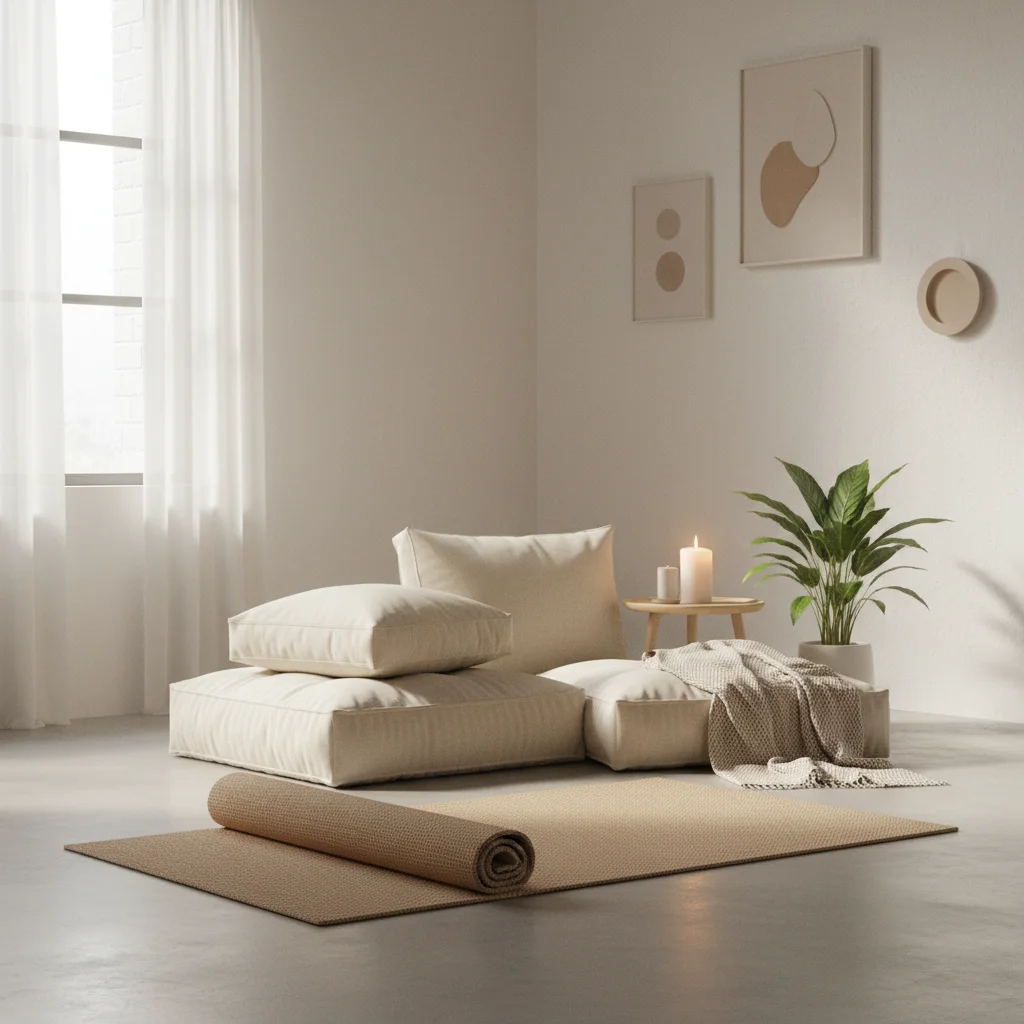
The first and arguably most crucial step in creating a home wellness retreat is to designate and design a sacred space. This doesn’t require a complete home renovation; it’s about intentionally curating an area, no matter how small, that feels distinctly separate from the daily hustle and bustle. Think of it as your personal sanctuary, a place where you can go to disconnect, reflect, and recharge.
Declutter and Organize for Clarity
Begin by decluttering. A cluttered environment often leads to a cluttered mind. Remove anything that doesn’t serve a purpose or bring you joy from your designated retreat area. This could be a corner of your bedroom, a spare room, or even a section of your living room. The goal is to create visual calm. Organize what remains, ensuring everything has its place. This act of decluttering is not just about tidiness; it’s a symbolic clearing of mental space, preparing you for deeper relaxation.
Embrace Sensory Comfort and Aesthetics
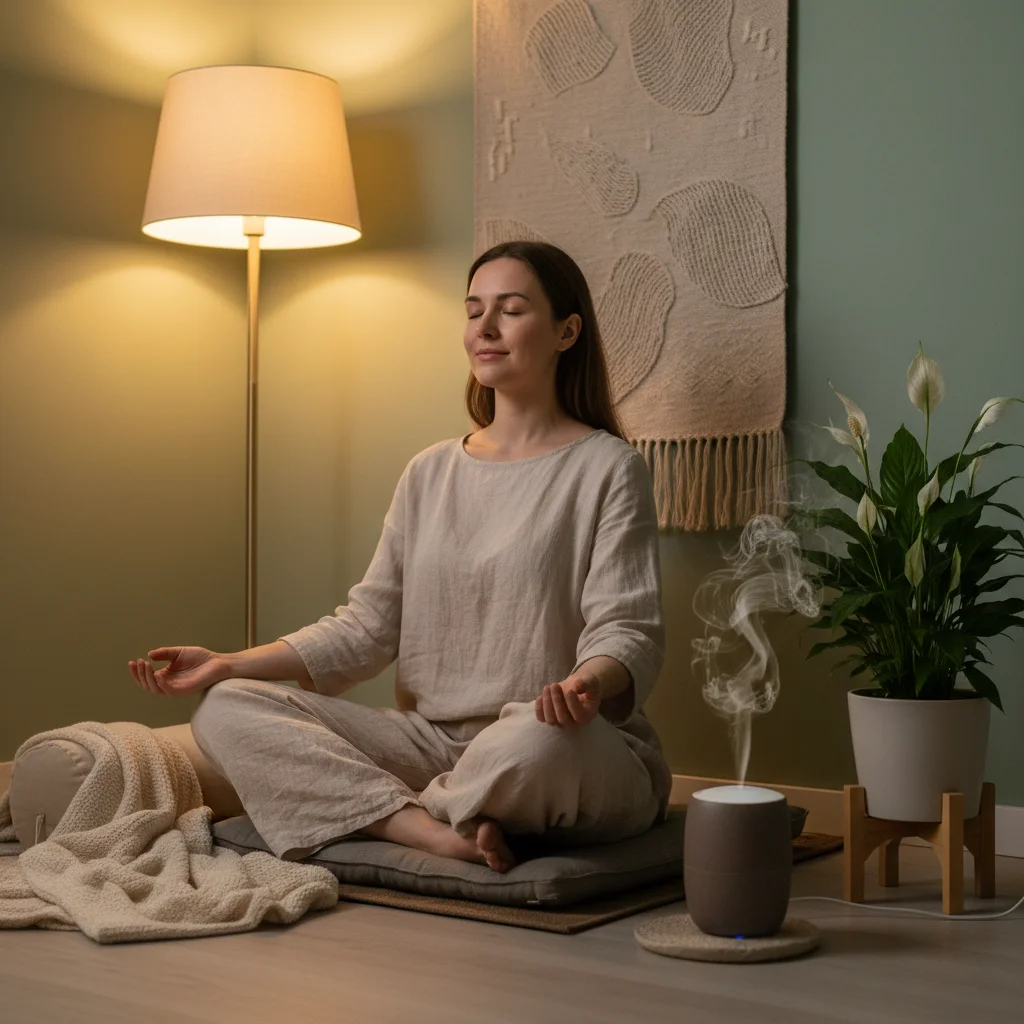
Once decluttered, focus on engaging your senses in a positive way. Soft lighting is paramount. Harsh overhead lights can be jarring; instead, opt for dimmer switches, lamps with warm bulbs, or even fairy lights to create a cozy, inviting glow. Candles (soy or beeswax for cleaner burning) and diffusers with essential oils like lavender, frankincense, or bergamot can significantly enhance the ambiance, promoting relaxation and stress relief.
Consider the textures in your space. Soft blankets, plush cushions, and a comfortable rug can make your area feel more inviting and comfortable for meditation or gentle stretching. Incorporate natural elements like plants, stones, or a small water feature to bring the calming essence of nature indoors. The visual appeal of your space plays a huge role in your ability to relax. Choose colors that evoke tranquility – soft blues, greens, whites, or earthy tones. Avoid bright, stimulating colors that might hinder relaxation.
Personal Touches and Boundaries
Finally, personalize your sacred space with items that hold meaning for you. This could be a cherished piece of art, a photograph that inspires peace, or spiritual artifacts. However, be mindful not to over-decorate; simplicity is key. Establish clear boundaries for this space. Communicate to others in your household that this area is for your personal retreat time and should be respected as such. Even a simple sign can help reinforce this boundary. By dedicating and designing this sacred space, you lay a strong foundation for a truly transformative home wellness retreat.
Element 2: Mindful Practices – Cultivating Inner Peace
A home wellness retreat is incomplete without dedicated time for mindful practices. These are the tools that help you quiet the mind, reduce stress, and connect with your inner self. In 2026, the emphasis on mental well-being continues to grow, making these practices more vital than ever.
Meditation and Deep Breathing
Meditation is a cornerstone of any wellness retreat. Even just 10-15 minutes a day can make a profound difference. Find a comfortable position in your sacred space, set a timer, and focus on your breath. There are numerous guided meditation apps (e.g., Calm, Headspace) that can assist beginners. The goal isn’t to stop thinking, but to observe your thoughts without judgment and gently bring your focus back to your breath. Deep breathing exercises, such as diaphragmatic breathing or the 4-7-8 technique, are excellent for calming the nervous system quickly and can be incorporated throughout your day, not just during your retreat time.
Gentle Movement: Yoga and Stretching
Integrate gentle movement into your retreat. Yoga, particularly restorative or Hatha yoga, is perfect for improving flexibility, strength, and mental clarity. There are countless free yoga videos available online for all levels. If yoga isn’t for you, simple stretching routines can still help release tension in your muscles and promote circulation. The key is to listen to your body and move in a way that feels nourishing, rather than strenuous. This physical release often leads to mental release.
Journaling and Reflection
Journaling is a powerful tool for self-discovery and emotional processing. During your home wellness retreat, set aside time to write down your thoughts, feelings, and observations. This can be free-form writing, or you can use prompts to guide your reflection. What are you grateful for? What challenges are you facing? What are your aspirations? The act of putting thoughts on paper can provide clarity, reduce anxiety, and help you understand yourself better. This reflective practice is crucial for personal growth and emotional well-being.
Element 3: Nourish Your Body – Fueling Your Well-being
A true home wellness retreat extends beyond mental and emotional practices to encompass physical nourishment. What you put into your body directly impacts your energy levels, mood, and overall health. For 2026, focus on whole, unprocessed foods and mindful eating practices.
Hydration and Detoxification
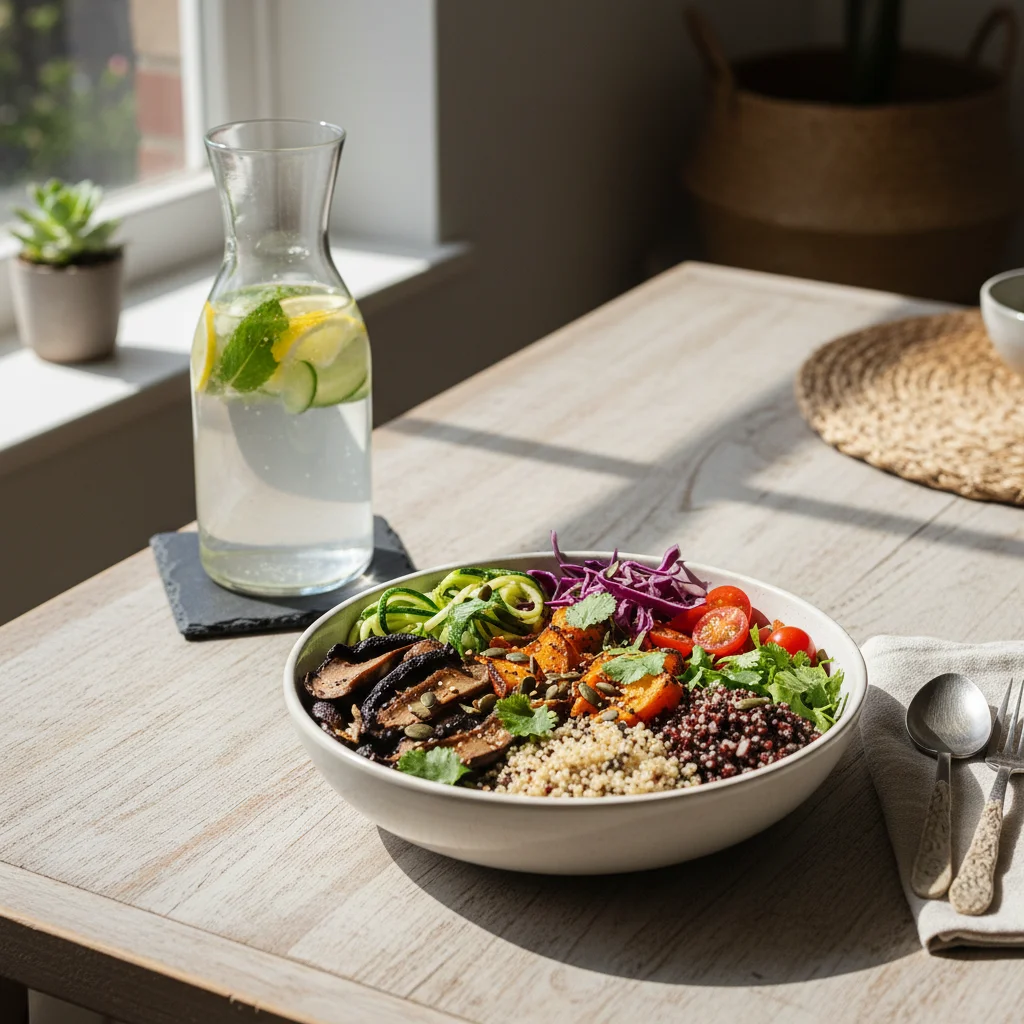
Start with proper hydration. Water is essential for every bodily function. During your retreat, make an effort to drink plenty of water, perhaps infused with slices of cucumber, lemon, or mint for added flavor and detoxifying benefits. Consider starting your day with a glass of warm lemon water to kickstart your metabolism and aid digestion. Herbal teas, like chamomile, peppermint, or ginger, can also contribute to hydration while offering therapeutic properties.
Wholesome and Mindful Eating
Plan your meals and snacks to be wholesome, nutritious, and easy to prepare. Focus on fresh fruits, vegetables, whole grains, lean proteins, and healthy fats. Avoid processed foods, excessive sugar, and unhealthy fats, which can leave you feeling sluggish and irritable. The act of cooking nourishing meals can itself be a meditative practice. Take your time, savor the aromas, and enjoy the process.
Equally important is mindful eating. When you eat, truly eat. Turn off distractions like your phone or TV, and pay attention to the taste, texture, and smell of your food. Chew slowly, notice how your body feels, and stop when you’re satisfied, not just full. This practice not only aids digestion but also fosters a healthier relationship with food and helps you appreciate the nourishment you’re providing your body.
Restorative Sleep Practices
Sleep is a non-negotiable component of any wellness regimen. During your home wellness retreat, prioritize establishing a consistent sleep schedule. Aim for 7-9 hours of quality sleep per night. Create a relaxing bedtime routine: a warm bath, reading a book, listening to calming music, or practicing gentle stretches. Ensure your bedroom is dark, quiet, and cool. Avoid screens at least an hour before bed, as the blue light can disrupt melatonin production. Good sleep hygiene is fundamental to physical and mental restoration.
Element 4: Digital Detox and Connection with Nature – Reclaiming Presence
In our hyper-connected world, a true retreat often necessitates a deliberate disconnection from digital devices and a conscious reconnection with the natural world. This element is increasingly vital for a successful home wellness retreat in 2026.
The Power of Digital Disconnection
Dedicate specific times during your retreat, or even entire days, to a digital detox. This means putting away your phone, tablet, computer, and turning off the TV. The constant barrage of notifications, news, and social media can be a significant source of stress and distraction, preventing you from truly being present. Inform friends and family that you’ll be offline during these periods. Use this newfound time for reflection, reading, creative pursuits, or simply enjoying silence.
If a full detox feels daunting, start small. Designate certain hours each day as screen-free zones, especially around meal times and before bed. The goal is not to eliminate technology entirely from your life, but to use it intentionally and prevent it from controlling your attention and energy. Observe how much lighter and clearer your mind feels once freed from digital demands.
Embrace the Healing Power of Nature
Even if your home wellness retreat is indoors, finding ways to connect with nature is crucial. If you have a garden, spend time there. Feel the sun on your skin, listen to the birds, and observe the plants. If you don’t have outdoor space, bring nature indoors with more houseplants, fresh flowers, or even nature-inspired artwork. Open windows to let in fresh air and natural light. Studies have shown that exposure to nature, even in small doses, can reduce stress, improve mood, and boost cognitive function.
If possible, incorporate short walks in a local park, forest bathing (Shinrin-yoku), or simply sitting outdoors and observing your surroundings. Engage your senses: listen to the sounds, feel the breeze, notice the colors and textures. This connection to the natural world helps ground you and reminds you of the larger cycles of life, fostering a sense of peace and perspective.
Element 5: Incorporate Creative Expression and Play – Rejuvenating Your Spirit
Often overlooked in wellness routines, creative expression and play are vital for rejuvenating the spirit and fostering a sense of joy. A home wellness retreat in 2026 should actively encourage you to tap into these innate human needs.
Engage in Creative Hobbies
What activities bring you joy and allow you to lose track of time? For some, it might be painting, drawing, writing poetry, playing a musical instrument, or engaging in crafts like knitting or pottery. For others, it could be gardening, cooking, or even arranging flowers. The key is to engage in an activity purely for the pleasure of it, without judgment or expectation of a perfect outcome. This process of creation is inherently meditative and can be incredibly therapeutic, allowing you to express emotions and ideas that might be difficult to articulate otherwise.
Don’t worry if you don’t consider yourself ‘artistic.’ The goal is not to produce a masterpiece, but to engage in the creative process itself. Set aside time in your sacred space for these activities. Allow yourself to experiment, make mistakes, and enjoy the journey. This playful approach can unlock new perspectives and significantly reduce stress.
Embrace Play and Lightheartedness
Beyond structured creative pursuits, consciously incorporate elements of play and lightheartedness into your retreat. This could mean dancing to your favorite music, engaging in a fun puzzle or board game, or simply allowing yourself to daydream. Laughter is powerful medicine; watch a funny movie or connect with friends or family who bring out your playful side. Play isn’t just for children; it’s a vital component of adult well-being, fostering creativity, reducing stress, and strengthening social bonds.
Consider dedicating a portion of your retreat to activities that simply make you feel good and bring a smile to your face. This could be revisiting a childhood hobby, exploring a new interest, or just allowing yourself to relax without a specific agenda. The freedom to simply ‘be’ and enjoy can be one of the most profound aspects of your home wellness retreat.
Structuring Your Home Wellness Retreat: A Practical Approach for 2026
Now that you understand the five essential elements, let’s look at how to practically structure your home wellness retreat. Remember, flexibility is key. This is your retreat, designed by you, for you.
Choose Your Duration and Frequency
A home retreat doesn’t have to be a week-long affair. It could be a dedicated hour each day, a full morning once a week, a complete day once a month, or even a full weekend a few times a year. Start with what feels manageable and gradually increase the duration or frequency as you become more comfortable and experience the benefits. Consistency, even in small doses, is more impactful than infrequent, grand gestures.
Create a Flexible Schedule (or None at All!)
While some find comfort in a structured schedule, others thrive with complete spontaneity. Consider what works best for your personality. A sample schedule for a day-long retreat might look like this:
- Morning (e.g., 7:00 AM – 10:00 AM): Wake up naturally, warm lemon water, meditation/deep breathing, gentle yoga/stretching, journaling.
- Mid-morning (e.g., 10:00 AM – 12:00 PM): Mindful breakfast, digital detox, a walk in nature or tending to plants.
- Afternoon (e.g., 12:00 PM – 3:00 PM): Light, healthy lunch, creative activity (painting, reading), quiet reflection, perhaps a restorative nap.
- Late Afternoon/Evening (e.g., 3:00 PM – 6:00 PM): Relaxing bath/shower, preparing a nourishing dinner, light stretching, calm music.
- Evening (e.g., 6:00 PM onwards): Mindful dinner, gratitude practice, no screens, preparing for restorative sleep.
Alternatively, you might simply have a list of activities from your five elements and choose what resonates most in the moment. The absence of a rigid schedule can be a form of liberation in itself.
Set Intentions, Not Expectations
Before each retreat session, take a few moments to set an intention. What do you hope to gain from this time? Is it peace, clarity, creativity, or simply rest? Focus on the intention rather than specific outcomes. Release the pressure to achieve perfection. Some days, your meditation might be scattered; other days, your creative flow might be blocked. That’s perfectly normal. The practice itself is the reward.
Embrace Imperfection and Adaptability
Life happens. Interruptions may occur. Your energy levels will fluctuate. The beauty of a home wellness retreat is its adaptability. If a planned activity is interrupted, simply pivot. If you’re feeling low energy, prioritize rest over vigorous movement. Be kind to yourself. This retreat is about nurturing, not pushing. The more flexible and forgiving you are with yourself, the more sustainable and beneficial your practice will become.
Integrating Your Home Wellness Retreat into Daily Life
The ultimate goal of creating a home wellness retreat isn’t just to have isolated moments of peace, but to integrate the principles and practices into your everyday life. Think of your retreat as a training ground for daily well-being.
Micro-Retreats: Moments of Mindfulness
Even when you’re not in a dedicated retreat session, you can incorporate ‘micro-retreats’ into your day. This could be taking three deep breaths before responding to an email, savoring your morning coffee without distractions, stepping outside for five minutes of fresh air, or simply pausing to notice the sounds around you. These small moments of mindfulness add up, helping you maintain a sense of calm and presence throughout your day.
Consistent Self-Care Practices
Choose one or two practices from your retreat that you can consistently integrate into your daily routine. Perhaps it’s a 10-minute morning meditation, a short journaling session before bed, or ensuring you drink enough water. Consistency builds habits, and these habits will form the bedrock of your ongoing well-being. By 2026, these practices should feel like second nature, essential components of your self-care toolkit.
Reflect and Adjust
Periodically reflect on what’s working and what’s not in your home wellness retreat. Are certain practices more beneficial than others? Do you need to adjust your sacred space? Is your schedule too ambitious or not challenging enough? Wellness is a dynamic journey, and your retreat should evolve with you. Be open to trying new things and letting go of practices that no longer serve you.
Conclusion: Your Personal Sanctuary for 2026 and Beyond
Creating a home wellness retreat is a powerful act of self-love and self-preservation. By intentionally designing a sacred space, incorporating mindful practices, nourishing your body, detaching from digital overload, connecting with nature, and embracing creative expression and play, you are building a resilient foundation for your well-being. As we move into 2026, the ability to cultivate peace and rejuvenation within your own home will become an invaluable skill.
Remember, this isn’t about perfection; it’s about progress and consistently showing up for yourself. Your home retreat is a dynamic, evolving sanctuary that reflects your unique journey. Embrace the process, listen to your intuition, and allow yourself the gift of deep rest and profound self-care. By doing so, you’re not just creating a retreat; you’re cultivating a lifestyle of sustained well-being, resilience, and joy, right within the comfort and familiarity of your own home.
Start today. Pick one element, make one small change, and begin your journey towards a more balanced and harmonious life, one mindful moment at a time. Your ultimate home wellness retreat awaits.