Gardening for Wellness: Easy Indoor Plants for Stress Reduction & Mood Boost
Gardening for Wellness: 5 Easy Plants to Grow Indoors for Stress Reduction and a 25% Mood Boost
In our increasingly fast-paced and digitally driven world, finding pockets of peace and tranquility within our homes has become more crucial than ever. The relentless demands of modern life often leave us feeling overwhelmed, stressed, and disconnected from the natural world. This is where the profound benefits of indoor plant wellness come into play. Integrating greenery into your living space is more than just an aesthetic choice; it’s a powerful, evidence-backed strategy for enhancing mental well-being, reducing stress, and even boosting your mood by a significant margin. Imagine transforming your home into a verdant sanctuary, a place where the simple act of nurturing life can profoundly impact your emotional state. This comprehensive guide will delve into the science behind why indoor plants are so beneficial for our mental health, explore five remarkably easy-to-grow plants perfect for even the most novice gardener, and provide practical tips to maximize their wellness-boosting potential. We’ll uncover how these botanical companions can purify your air, reduce anxiety, and foster a deeper connection to nature, ultimately contributing to a happier, healthier you. Get ready to embark on a journey that will not only beautify your home but also nourish your soul, demonstrating how simple acts of gardening can lead to extraordinary improvements in your daily life and overall sense of well-being.
The Science Behind Indoor Plant Wellness: More Than Just Greenery
The concept of indoor plant wellness is deeply rooted in scientific research that highlights the profound connection between humans and nature, a phenomenon often referred to as biophilia. This innate human tendency to connect with nature and other living systems suggests that our brains are hardwired to respond positively to natural elements. When we bring plants into our homes, we are essentially tapping into this ancient connection, triggering a cascade of beneficial physiological and psychological responses. Numerous studies have explored these effects, consistently demonstrating that the presence of indoor plants can significantly impact our mental and emotional states. For instance, research published in the Journal of Physiological Anthropology found that active interaction with indoor plants can reduce physiological and psychological stress. Participants who repotted plants experienced a decrease in sympathetic nervous system activity – the ‘fight or flight’ response – and a lowering of diastolic blood pressure, indicating a state of relaxation. This suggests that the act of caring for plants itself can be a meditative and stress-reducing activity, offering a welcome respite from daily pressures.
Beyond the direct interaction, the mere visual presence of plants contributes to a calmer environment. The color green, dominant in plant life, is often associated with growth, harmony, and freshness, and studies have shown it can have a calming effect on the human psyche. Furthermore, plants contribute to improved indoor air quality, a factor often overlooked in discussions about wellness. Through the process of photosynthesis, plants absorb carbon dioxide and release oxygen. More importantly, certain indoor plants are highly effective at filtering out volatile organic compounds (VOCs) and other airborne toxins from our indoor environments, as famously demonstrated by NASA’s Clean Air Study. These toxins, emitted by common household items like furniture, carpets, and cleaning products, can contribute to various health issues, including headaches, fatigue, and respiratory problems. By purifying the air, plants create a healthier breathing environment, which in turn can reduce physical discomfort and promote a greater sense of well-being. The combined effects of stress reduction, mood enhancement, and air purification make a compelling case for integrating indoor plant wellness into every home, transforming living spaces into havens of health and tranquility.
The 25% Mood Boost: A Tangible Benefit of Bringing Nature Indoors
The idea of a ‘25% mood boost’ might sound like a bold claim, but it’s grounded in the cumulative positive effects that indoor plant wellness has on our psychological state. While quantifying an exact percentage can vary based on individual differences and study methodologies, numerous research findings consistently point to a substantial improvement in mood and emotional well-being among individuals who interact with or are surrounded by indoor plants. This isn’t just about feeling ‘a little better’; it’s about experiencing a noticeable uplift in spirits, a reduction in feelings of anxiety and depression, and an overall increase in life satisfaction. One of the primary mechanisms behind this mood enhancement is the reduction of stress. As discussed, the act of gardening, even on a small scale indoors, can significantly lower cortisol levels – the body’s primary stress hormone. Lower stress levels directly translate to improved mood, as chronic stress is a major contributor to feelings of irritability, sadness, and even clinical depression. When our bodies are less stressed, our minds are freer to experience positive emotions.
Moreover, the presence of plants can combat feelings of loneliness and isolation, particularly for those living in urban environments or spending much of their time indoors. Nurturing a living thing provides a sense of purpose and connection, fostering a feeling of responsibility and accomplishment. Witnessing new growth, a budding flower, or a thriving leaf can bring a simple yet profound joy that contributes to a positive outlook. The aesthetic appeal of plants also plays a significant role. Introducing natural beauty into our living spaces can make them feel more inviting, comfortable, and aesthetically pleasing. A well-decorated space, especially one incorporating natural elements, can inherently improve mood and reduce feelings of confinement. Furthermore, the subtle sensory experiences provided by plants – the earthy scent of soil, the gentle rustle of leaves, the vibrant colors – all contribute to a richer, more engaging environment that stimulates our senses in a positive way. This multi-faceted interaction with indoor plants creates a holistic experience that demonstrably enhances mood, making the ‘25% mood boost’ a very real and achievable benefit for anyone embracing indoor plant wellness.
Top 5 Easy Indoor Plants for Stress Reduction and a Mood Boost
Embarking on your indoor plant wellness journey doesn’t require a green thumb or extensive gardening knowledge. Many plants are remarkably resilient and forgiving, making them perfect for beginners. Here are five easy-to-grow options that are renowned for their air-purifying qualities and stress-reducing benefits:
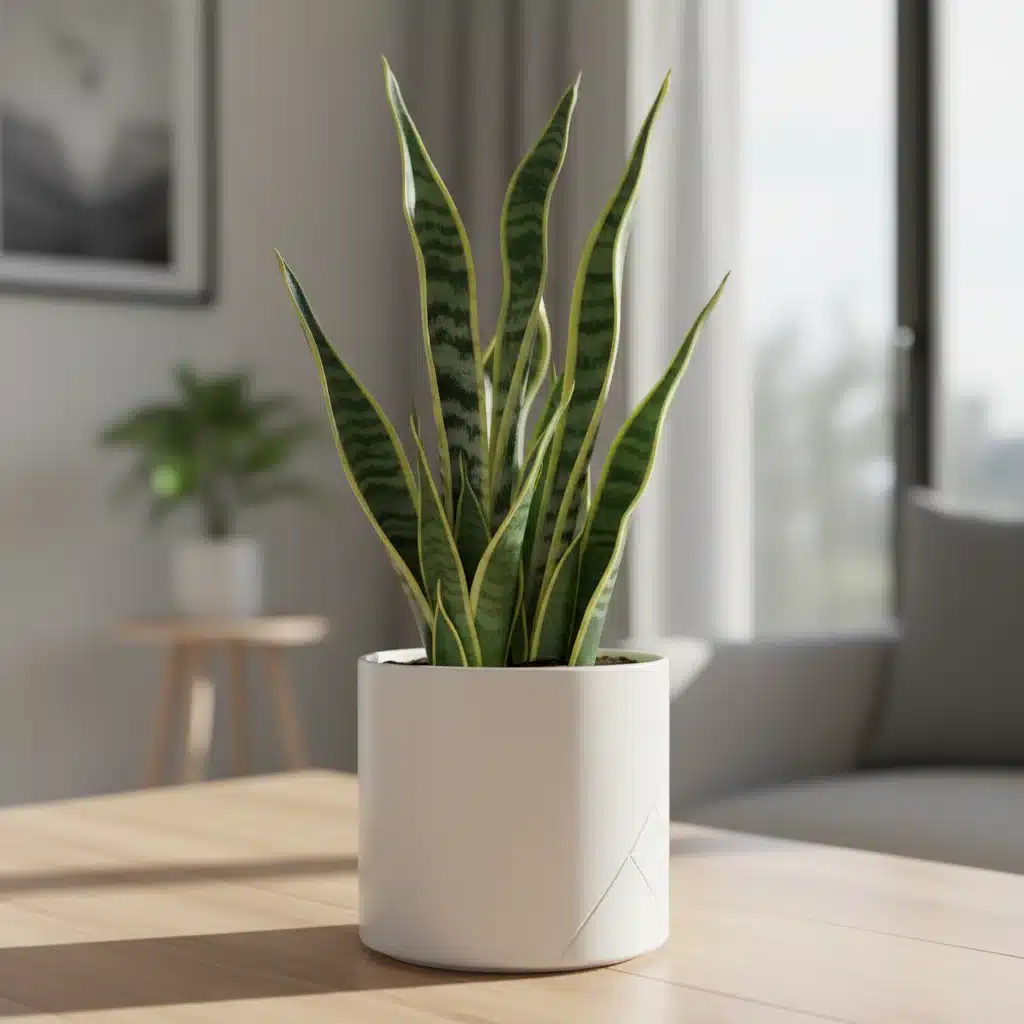
1. Snake Plant (Sansevieria trifasciata)
Often hailed as one of the easiest houseplants to care for, the Snake Plant is a true champion of indoor plant wellness. Its striking, sword-like leaves grow upright, adding a modern aesthetic to any room. But its benefits extend far beyond its good looks. The Snake Plant is incredibly efficient at converting carbon dioxide into oxygen at night, making it an ideal bedroom companion for improved sleep. It also excels at filtering out common household toxins such as formaldehyde, benzene, xylene, and trichloroethylene from the air, contributing to a cleaner, healthier indoor environment. What makes it particularly beginner-friendly is its remarkable tolerance for neglect. It thrives on minimal watering – often only once every 2-4 weeks – and can tolerate a wide range of light conditions, from low light to bright, indirect light. This resilience means less stress for you and more consistent benefits from your plant. Its low-maintenance nature allows you to enjoy its presence and purifying effects without the worry of constant care, making it a cornerstone for any indoor plant wellness strategy.
2. Pothos (Epipremnum aureum)
The Pothos plant, also known as Devil’s Ivy, is another incredibly forgiving and versatile option for enhancing indoor plant wellness. Its trailing vines adorned with heart-shaped leaves, often variegated with splashes of yellow or white, make it a beautiful addition to shelves, hanging baskets, or even trained to climb. Pothos is celebrated for its ability to purify the air by removing toxins like formaldehyde, benzene, carbon monoxide, and xylene. Its lush foliage creates a calming visual effect, and the act of gently pruning its long vines can be a surprisingly therapeutic activity. This plant is incredibly adaptable to various light conditions, from low to bright indirect light, though brighter light will enhance its variegation. It’s also quite tolerant of inconsistent watering, preferring its soil to dry out between waterings. Its hardiness and aesthetic appeal make it a popular choice for offices and homes alike, providing continuous air purification and a touch of natural beauty that contributes significantly to a peaceful atmosphere and overall indoor plant wellness.
3. Spider Plant (Chlorophytum comosum)
Spider Plants are a classic choice for indoor plant wellness, and for good reason. They are incredibly easy to grow, propagate, and are highly effective air purifiers. Characterized by their arching, variegated leaves and the adorable ‘spiderettes’ or plantlets that dangle from the mother plant, they add a playful and refreshing touch to any space. NASA’s Clean Air Study highlighted Spider Plants for their ability to remove formaldehyde and xylene from indoor air. The visual appeal of their cascading plantlets can be particularly soothing, and the process of propagating these little ‘babies’ into new plants can be a rewarding and engaging activity, fostering a deeper connection to nature and a sense of accomplishment. Spider Plants prefer bright, indirect light but can tolerate lower light conditions. They appreciate consistent moisture but are relatively forgiving if you occasionally forget to water them. Their resilience and air-purifying prowess make them an excellent choice for beginners looking to boost their mental well-being through indoor plant wellness.
4. Peace Lily (Spathiphyllum)
The Peace Lily is not only strikingly beautiful with its elegant white ‘flowers’ (which are actually modified leaves called spathes) and glossy green foliage, but it’s also a powerhouse for indoor plant wellness. This plant is renowned for its exceptional air-purifying capabilities, effectively removing a wide range of toxins including ammonia, benzene, formaldehyde, and trichloroethylene. Its ability to humidify the air can also be beneficial, especially in dry indoor environments, potentially alleviating symptoms of dry skin or respiratory irritation. The presence of a Peace Lily can evoke a sense of calm and tranquility, its gentle beauty serving as a natural focal point for relaxation. Peace Lilies prefer low to medium indirect light and consistently moist soil, though they are quite vocal when they need water – their leaves will dramatically droop, serving as an unmistakable signal. This communicative nature makes them easy to care for, as they clearly indicate their needs. Bringing a Peace Lily into your home is an excellent way to combine aesthetic beauty with significant air purification and stress reduction, embodying the essence of indoor plant wellness.
5. ZZ Plant (Zamioculcas zamiifolia)
For those who consider themselves ‘plant killers’ or have a particularly busy schedule, the ZZ Plant is the ultimate choice for embracing indoor plant wellness. This plant is virtually indestructible, earning it a reputation as one of the most drought-tolerant and low-light-loving houseplants available. Its waxy, dark green leaves grow on thick, upright stems, giving it a sleek and sculptural appearance. The ZZ Plant is an excellent air purifier, capable of removing toxins such as xylene, toluene, and benzene from the air. Its extreme tolerance for neglect means you can enjoy its presence and benefits without the stress of constant maintenance. It can go weeks without water and thrives in very low light conditions, making it perfect for dimly lit corners or offices. The sheer ease of caring for a ZZ Plant allows you to reap the mental health benefits of having greenery in your space without adding another item to your ‘to-do’ list. It’s a testament to how even the most hands-off approach to gardening can still contribute significantly to your overall indoor plant wellness.
Maximizing Your Indoor Plant Wellness Benefits: Beyond Just Growing
While simply having plants in your home is beneficial, there are several ways to maximize the positive impact of indoor plant wellness on your stress levels and mood. It’s about creating an environment where both you and your plants can thrive, fostering a deeper connection to nature and enhancing the therapeutic aspects of indoor gardening.
Strategic Placement for Optimal Impact
Consider where you spend most of your time. Placing plants in your bedroom can improve sleep quality due to increased oxygen levels and reduced toxins, especially plants like the Snake Plant. In your home office or workspace, plants can enhance concentration, reduce fatigue, and lower stress levels. A study by the University of Technology, Sydney, found that plants in offices could reduce tension and anxiety by 37%, depression by 58%, anger by 44%, and fatigue by 38%. Even placing plants in common areas like living rooms or kitchens can transform the ambiance, making these spaces more inviting and calming. Think about creating ‘green zones’ or clusters of plants to amplify their visual and air-purifying effects, fully leveraging the power of indoor plant wellness.
The Ritual of Care: A Form of Mindfulness
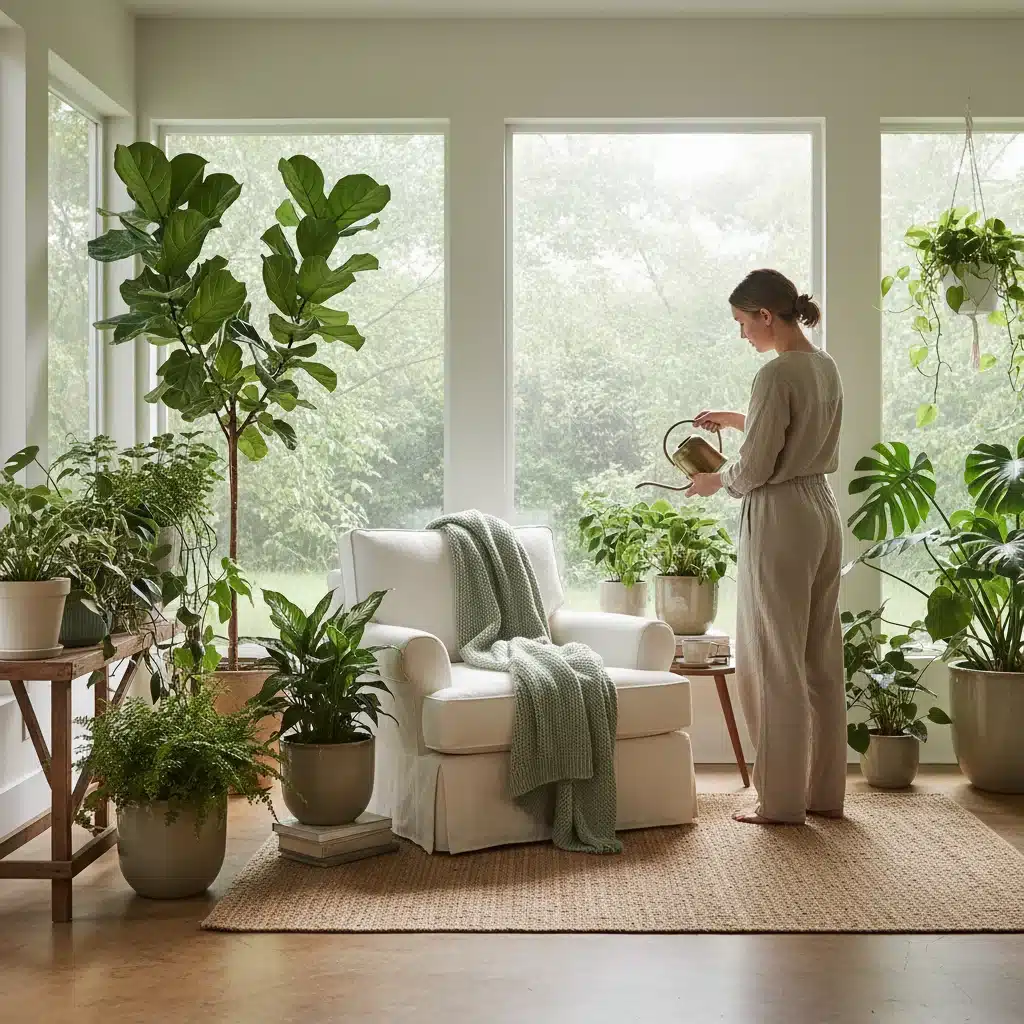
Engaging in the care of your plants can be a powerful form of mindfulness and meditation. The act of watering, pruning, or even just observing new growth forces you to slow down, focus on the present moment, and disconnect from external stressors. This intentional interaction with your plants can reduce rumination and promote a sense of calm. Make plant care a regular, mindful ritual. Notice the texture of the leaves, the color of the soil, the way the light hits them. This conscious engagement deepens your connection to nature and amplifies the stress-reducing benefits of indoor plant wellness. It’s not just about keeping the plant alive; it’s about nurturing your own well-being through the process.
Creating a Biophilic Design Aesthetic
Biophilic design is an architectural concept that aims to connect building occupants more closely to nature. You can apply principles of biophilic design in your home by integrating natural patterns, materials, and, of course, plants. Think about varying plant sizes, textures, and leaf shapes to create a dynamic and visually interesting display. Incorporate natural materials like wood, stone, and natural fibers in your decor to complement your greenery. Maximizing natural light also plays a crucial role in enhancing the biophilic experience and supporting plant health. A well-designed space that seamlessly integrates nature can significantly elevate your mood and reduce feelings of stress, making your home a true sanctuary of indoor plant wellness.
Understanding Plant Needs and Responding
While the plants listed are easy to care for, understanding their basic needs is key to their longevity and your enjoyment. Pay attention to light requirements, watering schedules, and occasional feeding. A thriving plant is more aesthetically pleasing and provides a greater sense of accomplishment. Learning about your plants and responding to their subtle cues fosters a deeper connection and can be a rewarding intellectual exercise. This engagement, even with minimal effort, reinforces the positive feedback loop of indoor plant wellness, where your care leads to a healthier plant, which in turn contributes to your improved well-being.
Overcoming Common Challenges in Indoor Plant Care
Even with easy-to-grow plants, new plant parents might encounter a few common hurdles. Understanding and addressing these can prevent frustration and ensure your indoor plant wellness journey remains enjoyable and successful.
Overwatering vs. Underwatering
The most common cause of plant demise is improper watering. Most indoor plants prefer to dry out somewhat between waterings. A good rule of thumb is to stick your finger about an inch or two into the soil. If it feels dry, it’s time to water. If it’s still damp, wait a few more days. For plants like the ZZ Plant and Snake Plant, it’s always better to underwater than overwater. Overwatering leads to root rot, which is often fatal. Underwatering, on the other hand, usually results in wilting leaves that perk up quickly after a good drink. Learning your plant’s specific watering cues is crucial for successful indoor plant wellness.
Pest Control
Occasionally, indoor plants can attract pests like spider mites, mealybugs, or gnats. The key to effective pest control is early detection. Regularly inspect your plants, especially the undersides of leaves and along stems. If you spot pests, isolate the plant immediately to prevent spread. Often, a gentle wipe with a damp cloth or a spray of insecticidal soap (diluted according to instructions) is enough to manage minor infestations. Maintaining good air circulation and not overwatering can also help prevent pests, ensuring your indoor plant wellness remains undisturbed.
Light Requirements
While the plants we’ve discussed are tolerant of various light conditions, understanding their optimal light needs will help them thrive. ‘Bright, indirect light’ is ideal for many, meaning they should be near a window but not in direct, harsh sunlight which can scorch leaves. Low-light tolerant plants can survive in dimmer conditions but might not grow as vigorously. Observe your plant’s growth. If it’s leggy or stretching towards the light, it might need a brighter spot. If its leaves are scorched, it might be getting too much direct sun. Adjusting placement based on light availability is a simple yet effective way to support your indoor plant wellness efforts.
Humidity and Temperature
Most indoor plants prefer average room temperatures (65-75°F or 18-24°C) and moderate humidity. Dry indoor air, especially during winter with heating systems on, can be detrimental to some plants, leading to brown leaf tips. Grouping plants together can create a microclimate with higher humidity. Alternatively, you can use a pebble tray with water or a small humidifier. Avoiding extreme temperature fluctuations and drafts is also important for plant health. Creating a stable environment contributes to the overall success of your indoor plant wellness endeavors.
Conclusion: Cultivating a Greener, Calmer You with Indoor Plant Wellness
The journey into indoor plant wellness is far more than a trend; it’s a return to our innate connection with nature, offering a tangible path to reduced stress, enhanced mood, and improved overall well-being. By integrating even a few of the easy-to-grow plants discussed – the resilient Snake Plant, the versatile Pothos, the cheerful Spider Plant, the elegant Peace Lily, or the nearly indestructible ZZ Plant – you can transform your living space into a haven of tranquility and vitality. We’ve explored the compelling science behind biophilia, the measurable ‘25% mood boost’ that accompanies regular interaction with greenery, and practical steps to maximize these benefits through strategic placement and mindful care. The act of nurturing a plant, observing its growth, and providing for its needs becomes a meditative practice in itself, offering a quiet escape from the digital noise and daily pressures of modern life. It fosters a sense of purpose, accomplishment, and a profound connection to the natural world, even within the confines of your home. Embracing indoor plant wellness is an accessible, sustainable, and deeply rewarding way to invest in your mental health. It’s about creating environments that not only look good but also feel good, spaces that breathe life into your days and soothe your soul. So, take the first step: choose a plant, bring it home, and begin cultivating not just greenery, but a calmer, happier, and more connected you. Let the subtle magic of indoor plants enrich your life, one leaf at a time.