Pet-Friendly Home Design: 6 Smart Solutions for U.S. Households in 2026
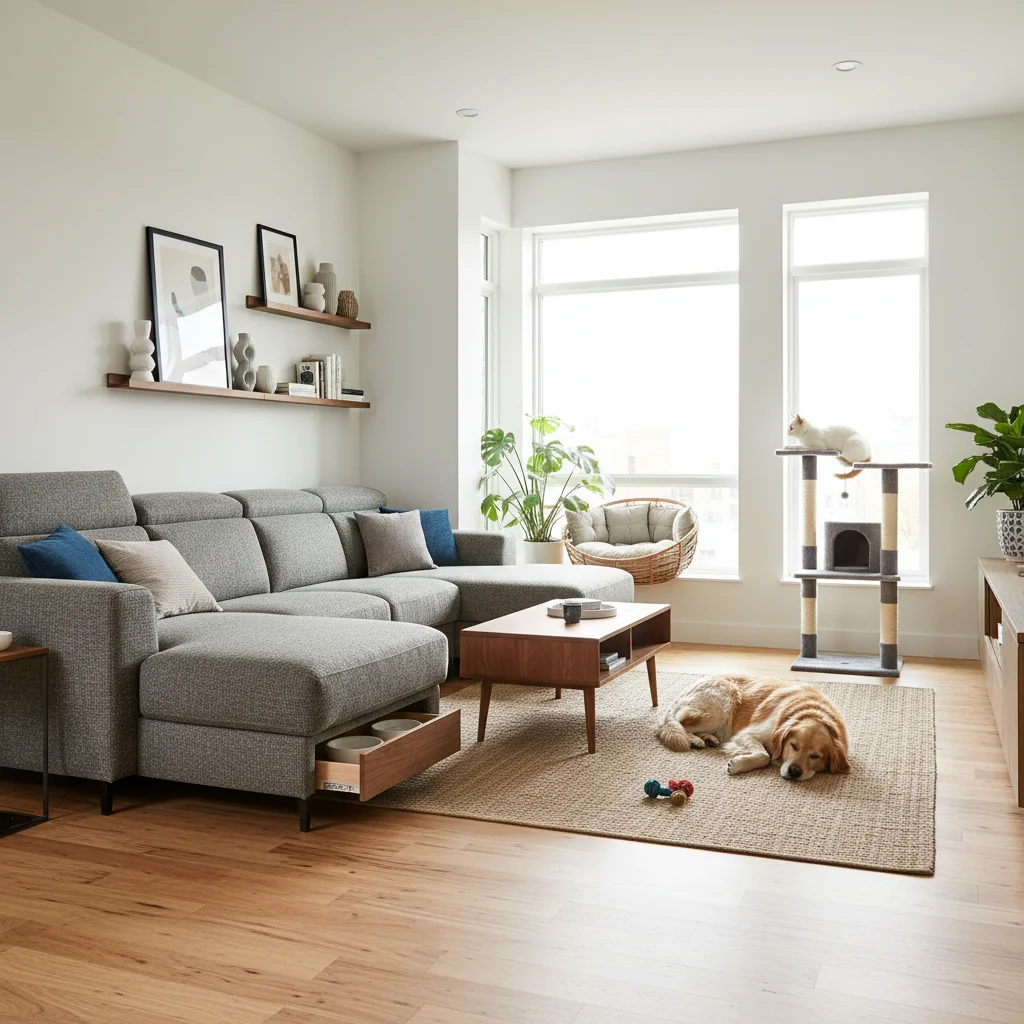
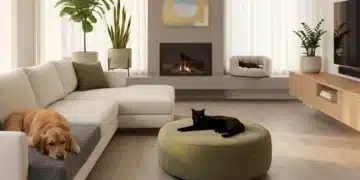
Welcome to 2026, where our homes are not just personal sanctuaries but also thriving havens for our beloved animal companions. The bond between humans and pets has never been stronger, and as a result, the demand for pet-friendly home design solutions has surged across U.S. households. Gone are the days of simply tolerating pet-related wear and tear; today, we embrace innovative designs that seamlessly integrate our pets into our living spaces, enhancing both their comfort and our aesthetic sensibilities. This comprehensive guide will explore six smart, forward-thinking solutions that are shaping the future of pet-friendly living.
Creating a truly pet-friendly home goes beyond merely accommodating your furry (or feathered, or scaled) friends; it’s about proactively designing spaces that anticipate their needs, mitigate potential issues, and celebrate their presence. From choosing the right materials to implementing smart technology, these solutions aim to create harmonious environments where pets and humans can coexist beautifully. Let’s delve into the top trends and practical applications for your home.
1. Advanced Durable & Easy-to-Clean Flooring Solutions
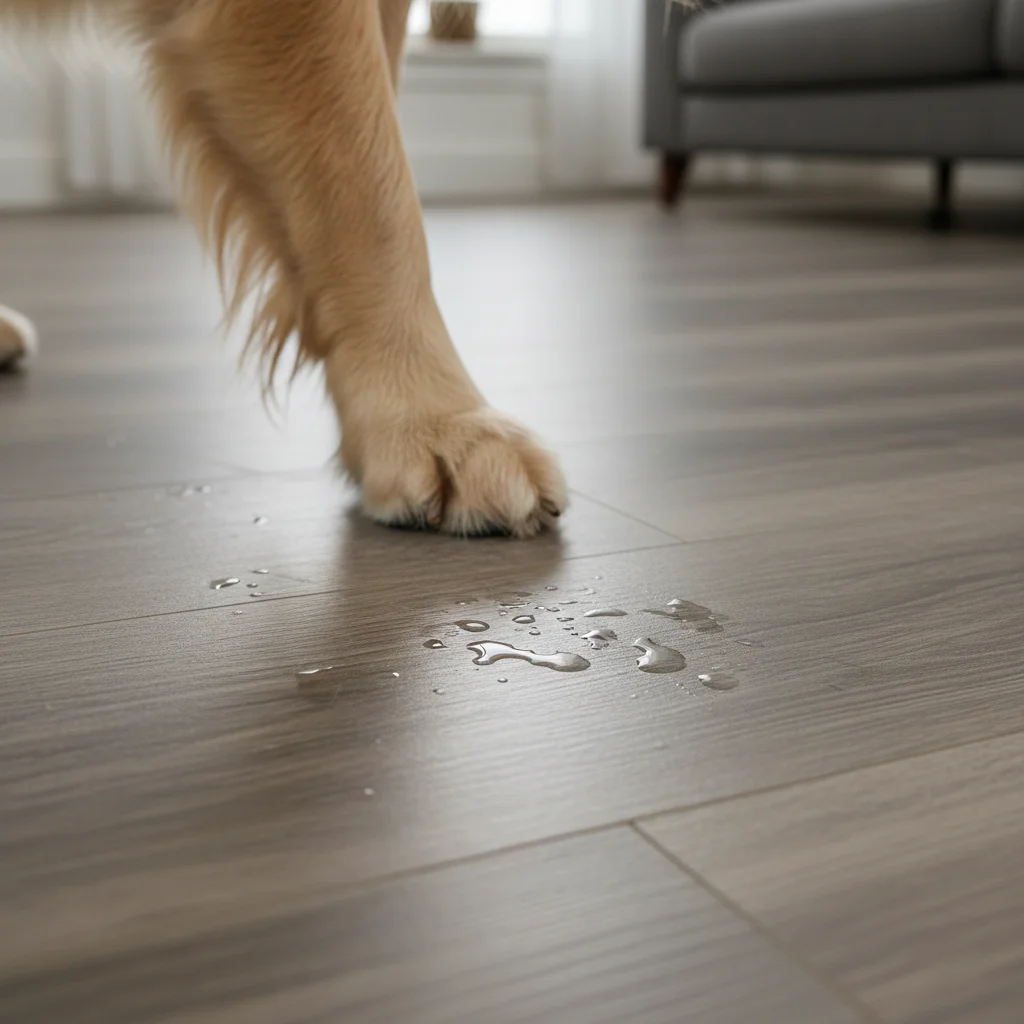
The foundation of any pet-friendly home design begins with the floor beneath your feet. Traditional carpets and delicate hardwoods often bear the brunt of pet activity, leading to stains, scratches, and odors. In 2026, homeowners are increasingly opting for advanced flooring materials that offer unparalleled durability, water resistance, and ease of maintenance.
Luxury Vinyl Plank (LVP) and Tile (LVT)
LVP and LVT continue to dominate the pet-friendly market due to their realistic appearance, mimicking natural wood or stone, coupled with superior resilience. These materials are virtually scratch-proof, waterproof, and incredibly easy to clean, making them ideal for homes with pets prone to accidents or muddy paws. Their layered construction provides a comfortable surface for pets to walk and lie on, while the non-slip properties prevent skids and falls, especially for older animals.
Sealed Concrete
For a more industrial or minimalist aesthetic, sealed concrete floors offer extreme durability and are impervious to pet messes. They are cool to the touch, which can be a relief for pets with thick fur, and can be easily customized with stains or polishes. While they might feel harder, adding strategically placed, washable rugs can provide comfort for your pets.
Porcelain and Ceramic Tile
These classic options remain excellent for pet-friendly homes, particularly in high-traffic areas like kitchens, entryways, and bathrooms. Modern tiles come in a vast array of styles, colors, and textures, many of which are slip-resistant. Grout lines, once a concern for trapping dirt, can now be sealed with epoxy-based grouts that are stain-resistant and easy to maintain.
When selecting flooring, consider not only the material’s durability but also its texture and temperature. Pets with sensitive paws might prefer slightly softer surfaces, and in warmer climates, cooler flooring options can be a significant benefit. Investing in high-quality, pet-specific cleaning products will further extend the life and appearance of your floors.
2. Washable & Stain-Resistant Upholstery and Fabrics
Pets and furniture often have a love-hate relationship. While we adore snuggling with our furry friends on the sofa, the thought of pet hair, odors, and accidental spills can be daunting. The good news is that textile technology has advanced significantly, offering a plethora of washable and stain-resistant options for your furniture.
Performance Fabrics
Performance fabrics, such as those made from synthetic fibers like polyester, nylon, and olefin, are engineered for durability and resistance to stains, fading, and wear. Many are now treated with specific finishes that repel liquids, making spills bead up rather than soak in. Look for options labeled as “pet-friendly” or “easy-clean” from reputable brands. Crypton and Sunbrella are prime examples, offering stylish designs that stand up to the rigors of pet ownership.
Microfiber and Faux Leather
Microfiber is a popular choice due to its tightly woven structure, which makes it resistant to pet hair clinging and relatively easy to clean. Faux leather (vegan leather) offers a sleek, sophisticated look that is remarkably durable and can be wiped clean with ease. Both are excellent alternatives to delicate natural fabrics that might not withstand pet antics.
Removable and Washable Covers
Perhaps the most practical solution for any pet-friendly home design is furniture with removable, machine-washable covers. This allows for effortless cleaning of pet hair, dirt, and odors, ensuring your furniture always looks and smells fresh. Many modern furniture brands now offer this feature, often with multiple cover options to suit your decor.
Consider the color and pattern of your chosen fabrics. Darker colors or patterned fabrics can help camouflage pet hair and minor stains between cleanings. Always test cleaning products on an inconspicuous area first to ensure they don’t damage the fabric.
3. Integrated Pet Zones and Furniture
Instead of merely tolerating pets, modern home design actively integrates their needs into the very structure and furniture of the house. This creates dedicated spaces that are both functional for pets and aesthetically pleasing for humans.
Built-in Feeding Stations
Say goodbye to unsightly bowls cluttering your kitchen floor. Built-in feeding stations, often integrated into kitchen islands, lower cabinets, or mudroom areas, provide a dedicated, hygienic space for food and water. These can include pull-out drawers for bowls, automatic feeders, and even filtered water dispensers. Some designs also incorporate storage for pet food and treats, keeping everything neatly organized.
Custom Pet Beds and Nooks
Every pet deserves a comfortable place to rest. Custom pet beds can be integrated into existing furniture, such as the base of a bookshelf, a console table, or even under a staircase. These nooks provide a cozy, secure retreat for your pet while blending seamlessly with your home’s decor. Consider adding washable cushions and blankets for ultimate comfort.
Cat Shelves and Climbing Structures
For feline friends, vertical space is paramount. Integrated cat shelves, wall-mounted climbing structures, and sleek cat trees offer opportunities for exercise, exploration, and safe perching spots away from household activity. These can be designed to complement your interior style, transforming a functional necessity into an architectural feature.
The key to successful integrated pet zones is to consider your pet’s natural behaviors and preferences. Do they like to hide, climb, or observe from a high vantage point? Tailoring these spaces to their individual needs will make them much more likely to use and enjoy them.
4. Smart Home Technology for Pet Care & Safety
The rise of smart home technology has opened up a new realm of possibilities for pet care and safety. These innovations offer convenience, peace of mind, and enhanced well-being for our animal companions, making a truly pet-friendly home design accessible to everyone.
Automated Feeders and Water Dispensers
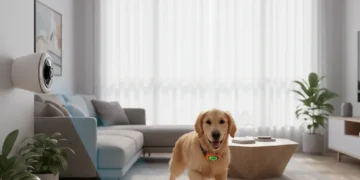
Smart feeders allow you to schedule meals, dispense precise portions, and even deliver treats remotely via a smartphone app. Many models include cameras and microphones, enabling you to check in on your pet and interact with them while you’re away. Automated water dispensers ensure a constant supply of fresh, filtered water, which is crucial for pet health.
Pet Cameras and Monitors
Beyond basic security, pet-specific cameras offer two-way audio, treat dispensers, and even laser pointers for remote play. These devices provide invaluable peace of mind, allowing you to monitor your pet’s activity, address separation anxiety, and ensure they are safe and comfortable when you’re not home.
Smart Pet Doors
Gone are the days of unsecured pet doors. Smart pet doors use RFID-activated tags on your pet’s collar to grant access, preventing unwanted critters from entering your home. Some advanced models can even be controlled via an app, allowing you to lock or unlock them remotely and monitor your pet’s comings and goings.
Environmental Controls
Smart thermostats can help maintain an optimal temperature for your pets, especially important for breeds sensitive to heat or cold. Air purifiers with smart sensors can detect pet dander and odors, automatically adjusting their filtration to keep your home’s air quality pristine. These devices contribute to a healthier and more comfortable environment for everyone.
Integrating smart technology requires a reliable home network and careful consideration of your pet’s habits. Start with a few key devices that address your most pressing concerns, then gradually expand your smart pet ecosystem.
5. Pet-Safe Landscaping and Outdoor Spaces
A pet-friendly home design extends beyond the interior, encompassing your outdoor areas as well. Creating a safe, stimulating, and durable backyard or patio is essential for pets who love to explore and play.
Non-Toxic Plants and Materials
Many common garden plants are toxic to pets. When designing your landscape, opt for pet-safe alternatives. Resources from ASPCA and local veterinarians can provide comprehensive lists of toxic and non-toxic plants. Avoid using pesticides, herbicides, and fertilizers that could be harmful if ingested. Consider natural pest control methods instead.
Secure Fencing and Boundaries
A secure fence is paramount for pet safety, preventing escapes and keeping unwanted animals out. Consider the height and material of your fence based on your pet’s size and jumping ability. Invisible fences can be an option for some pets, but they require training and may not be suitable for all situations. Ensure there are no gaps or weak spots where a determined pet could squeeze through.
Dedicated Play and Relief Areas
Designate specific areas for your pet to play and relieve themselves. A patch of artificial turf or a designated gravel area can serve as a durable and easy-to-clean spot for potty breaks. Incorporate pet-friendly play structures, like agility equipment or shaded digging pits, to keep them entertained and mentally stimulated.
Shade and Water Access
Especially in warmer climates, providing ample shade and easy access to fresh water is crucial. Consider installing an outdoor water fountain or ensuring a shaded spot with a large, spill-proof water bowl. Elevated decks or covered patios can offer cool retreats during hot days.
Regular maintenance of your outdoor space, including cleaning up pet waste and trimming sharp branches, will ensure it remains a safe and enjoyable environment for your pets.
6. Thoughtful Storage and Organization Solutions
Pet supplies can quickly accumulate, leading to clutter and disorganization. Effective storage and organization are vital for maintaining a tidy and functional pet-friendly home design.
Built-in Cabinetry and Drawers
Integrate dedicated storage for pet food, treats, toys, leashes, and grooming supplies into your existing cabinetry. Pull-out drawers with airtight containers for food keep pests out and maintain freshness. Custom compartments can house brushes, shampoos, and medications, keeping them easily accessible yet out of sight.
Mudroom or Entryway Organization
A well-designed mudroom or entryway can be a lifesaver for pet owners. Include hooks for leashes, a designated bin for dirty towels, and a paw-washing station to prevent tracking dirt throughout the house. Benches with integrated storage can hold boots and pet-related gear, making coming and going with your pet a breeze.
Discreet Litter Box Enclosures
For cat owners, discreet litter box enclosures are a game-changer. These can be cleverly disguised as furniture, such as end tables or benches, or integrated into laundry room cabinetry. They help contain odors, reduce litter tracking, and provide privacy for your feline friend, all while blending seamlessly with your home’s decor.
Vertical Storage
Utilize vertical space with shelving units or wall-mounted organizers for pet toys and accessories. This frees up floor space and keeps items within easy reach for you, but potentially out of reach for curious paws. Clear bins or baskets can help categorize items and make them easy to find.
By implementing thoughtful storage solutions, you can minimize clutter, reduce stress, and create a more organized and enjoyable living environment for both you and your pets.
Conclusion: Embracing the Future of Pet-Friendly Living
As we navigate further into 2026, the concept of a pet-friendly home design is no longer a niche luxury but a growing necessity for millions of U.S. households. The six smart solutions discussed – advanced flooring, washable fabrics, integrated pet zones, smart technology, pet-safe landscaping, and thoughtful storage – represent a holistic approach to creating living spaces that truly cater to the needs of our animal companions without compromising on style or functionality.
The benefits extend far beyond convenience; a well-designed pet-friendly home contributes to the overall well-being of your pets, reducing stress, promoting exercise, and ensuring their safety. For homeowners, it means less worry about damage, easier maintenance, and the joy of a harmonious household where everyone, furry or otherwise, feels comfortable and cherished.
Whether you’re undertaking a full renovation or simply looking for small upgrades, consider how these innovative solutions can transform your home into the ultimate pet paradise. By investing in pet-friendly home design, you’re not just creating a house; you’re building a home where every member of your family, including the four-legged ones, can thrive.
Embrace these trends, customize them to suit your unique lifestyle and your pet’s personality, and enjoy the countless rewards of living in a home truly designed for everyone.