Future Home Decor: 2026 Trends & Styling Guide
The landscape of our homes is constantly evolving, reflecting shifts in technology, environmental consciousness, and our collective desire for comfort and self-expression. As we look ahead to 2026, the realm of future home decor promises a fascinating blend of innovation, sustainability, and deeply personal aesthetics. Gone are the days of sterile, one-size-fits-all interiors. Instead, we’re ushering in an era where our living spaces are not just functional but are extensions of our values, aspirations, and individual stories. This comprehensive guide will explore the boldest styles and emerging trends set to define 2026, offering practical advice on how to seamlessly incorporate them into your own abode.
Understanding these upcoming trends is more than just staying fashionable; it’s about creating environments that enhance our well-being, support sustainable living, and adapt to our ever-changing needs. From the integration of cutting-edge smart home technology to a renewed emphasis on biophilic design and the beauty of recycled materials, the future home decor narrative is rich and multifaceted. Prepare to transform your home into a sanctuary that is both stylishly forward-thinking and deeply personal.
The Rise of Sustainable & Circular Design in Future Home Decor
One of the most significant forces shaping future home decor is the unwavering commitment to sustainability and circular design principles. Consumers are increasingly aware of the environmental impact of their choices, leading to a demand for products that are not only beautiful but also ethically sourced, durable, and recyclable. This isn’t just a trend; it’s a fundamental shift in how we approach consumption and creation within our homes.
Embracing Recycled and Upcycled Materials
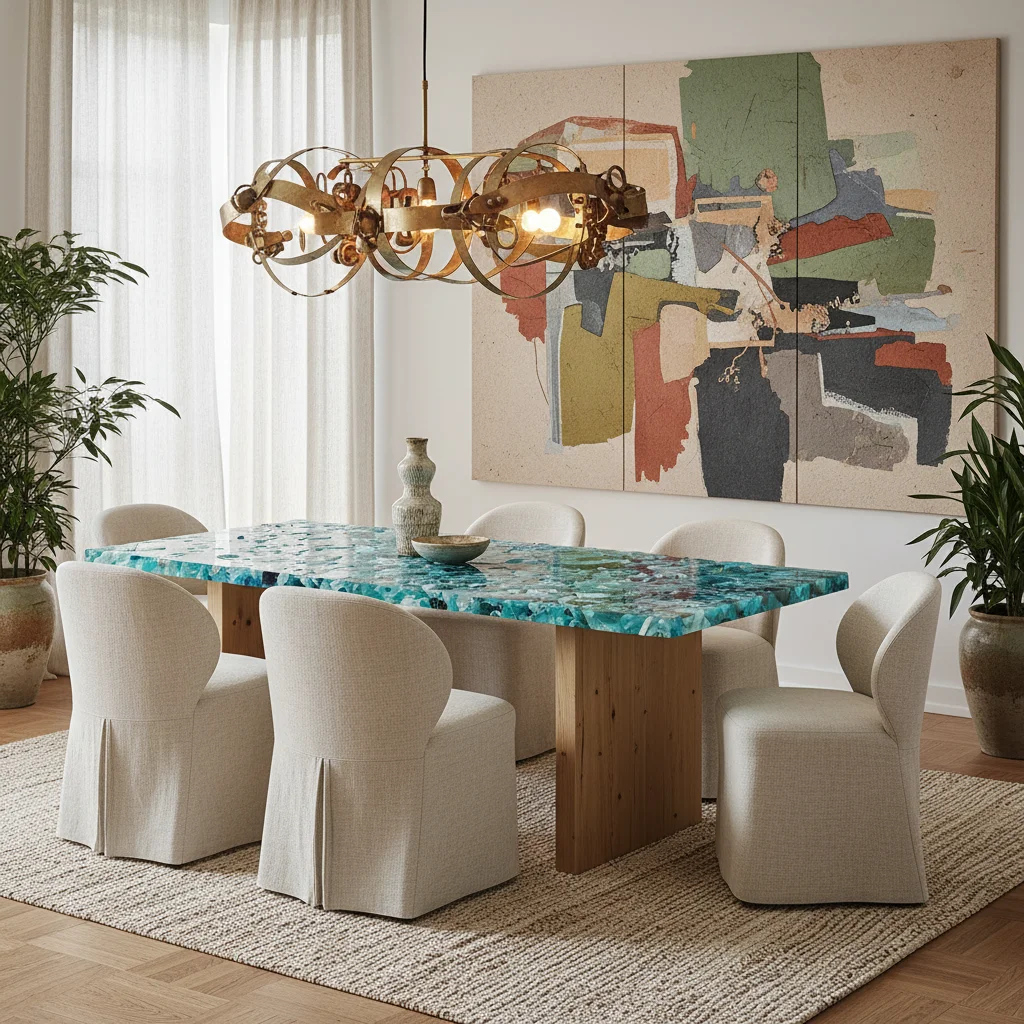
In 2026, expect to see a surge in furniture and decor crafted from recycled and upcycled materials. Think stunning tabletops made from compressed recycled plastic, chic seating fashioned from reclaimed timber, and decorative accents born from industrial waste. These materials not only reduce landfill waste but also bring a unique texture and story to each piece. The beauty lies in their imperfections and the narrative of their previous life, adding character that mass-produced items often lack.
For instance, imagine a coffee table with a top made from colorful, recycled glass shards, polished to a smooth finish, or a wall hanging intricately woven from discarded textile scraps. These elements become focal points, sparking conversation and demonstrating a commitment to responsible living. When incorporating these into your future home decor, look for certifications that guarantee the authenticity and ethical sourcing of recycled content.
Biophilic Design: Bringing Nature Indoors
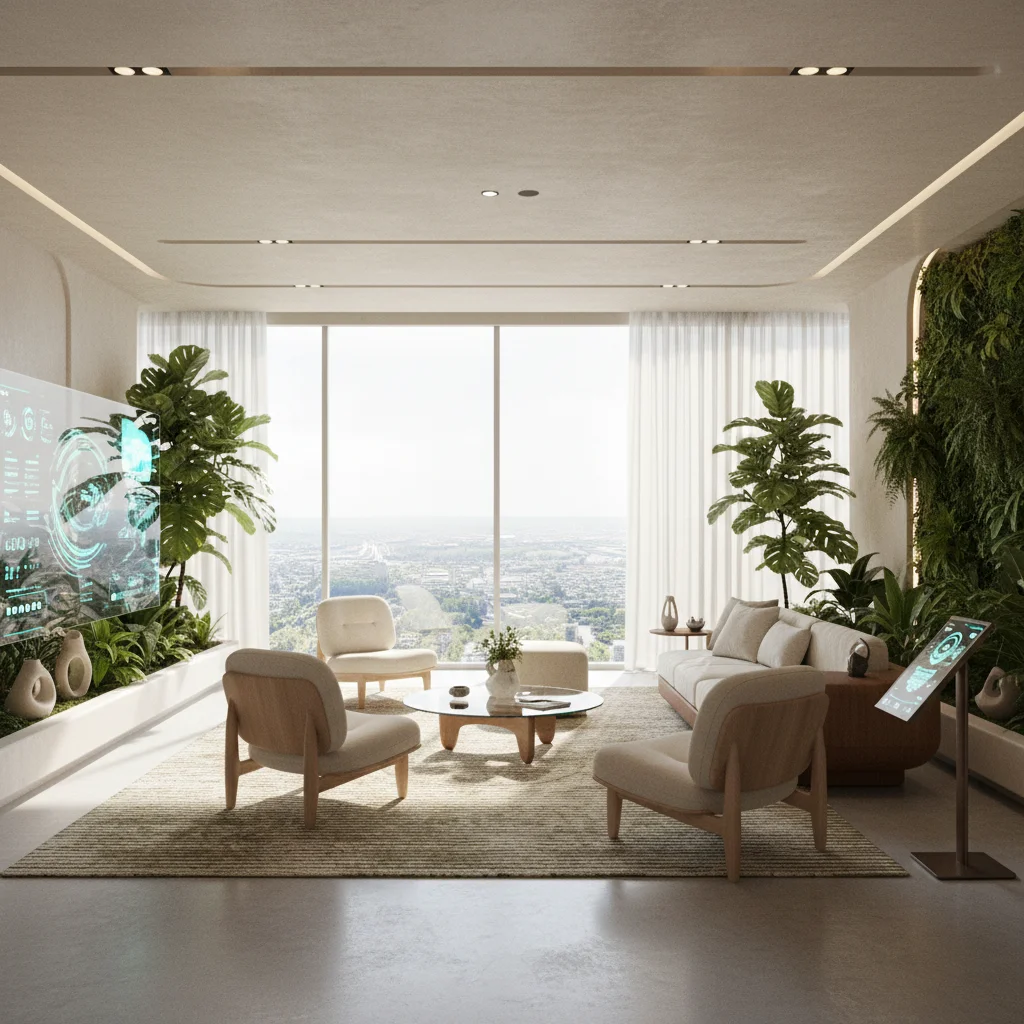
The concept of biophilic design, which seeks to connect occupants with nature, will continue its strong ascent. In 2026, this goes beyond just adding a few potted plants. It involves integrating natural light, ventilation, and natural patterns and materials into the very fabric of the home. Think living walls, indoor water features, and furniture designs that mimic organic forms. The goal is to create a calming, restorative environment that reduces stress and improves overall well-being.
Consider a bathroom transformed into a jungle-like oasis with humidity-loving plants, natural stone textures, and a large window overlooking lush greenery. Or a living room where a large, strategically placed skylight floods the space with sunlight, complemented by earthy tones and materials like cork, jute, and untreated wood. Biophilic design in future home decor is about creating a symbiotic relationship between our indoor spaces and the natural world, fostering a sense of peace and connection.
Longevity and Timelessness
Another facet of sustainable design is a move away from fast decor and towards investment pieces built to last. Consumers are prioritizing quality, craftsmanship, and timeless aesthetics over fleeting trends. This means choosing furniture that can be repaired, reupholstered, or repurposed, rather than discarded. The focus shifts to thoughtful consumption, where each item is chosen for its enduring appeal and ability to adapt to changing styles over time.
When selecting pieces for your future home decor, ask yourself if the item will still be relevant and cherished in five, ten, or even twenty years. Opt for classic silhouettes, neutral palettes that can be easily updated with accessories, and durable materials that can withstand the test of time. This approach not only benefits the environment but also leads to a more curated and sophisticated home.
Smart Home Integration: Seamless Living in 2026
Technology continues to weave itself more deeply into the fabric of our daily lives, and our homes are no exception. In 2026, smart home integration will move beyond novelty to become an essential component of future home decor, offering unparalleled convenience, energy efficiency, and security.
Intuitive and Invisible Technology
The key characteristic of smart home tech in 2026 is its seamless integration and intuitive operation. We’re moving away from clunky gadgets and visible wires towards systems that are discreetly embedded within the architecture and furniture. Voice-activated controls, gesture recognition, and AI-powered automation will become standard, anticipating our needs rather than requiring constant input.
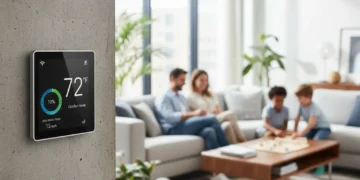
Imagine lighting that adjusts automatically based on the time of day, your mood, or even the weather outside. Thermostats that learn your preferences and optimize energy usage without you lifting a finger. Security systems that use facial recognition and notify you of unusual activity, all managed from a central, minimalist interface or simply by your voice. This level of integration enhances comfort and efficiency, making our homes truly intelligent.
Personalized Environments
Smart home technology in 2026 will also enable unprecedented levels of personalization. Your home will learn your routines, preferences, and even your emotional state, adjusting lighting, soundscapes, temperature, and even scents to create the perfect ambiance. This goes beyond simple presets; it’s about a dynamic environment that responds to your individual needs in real-time.
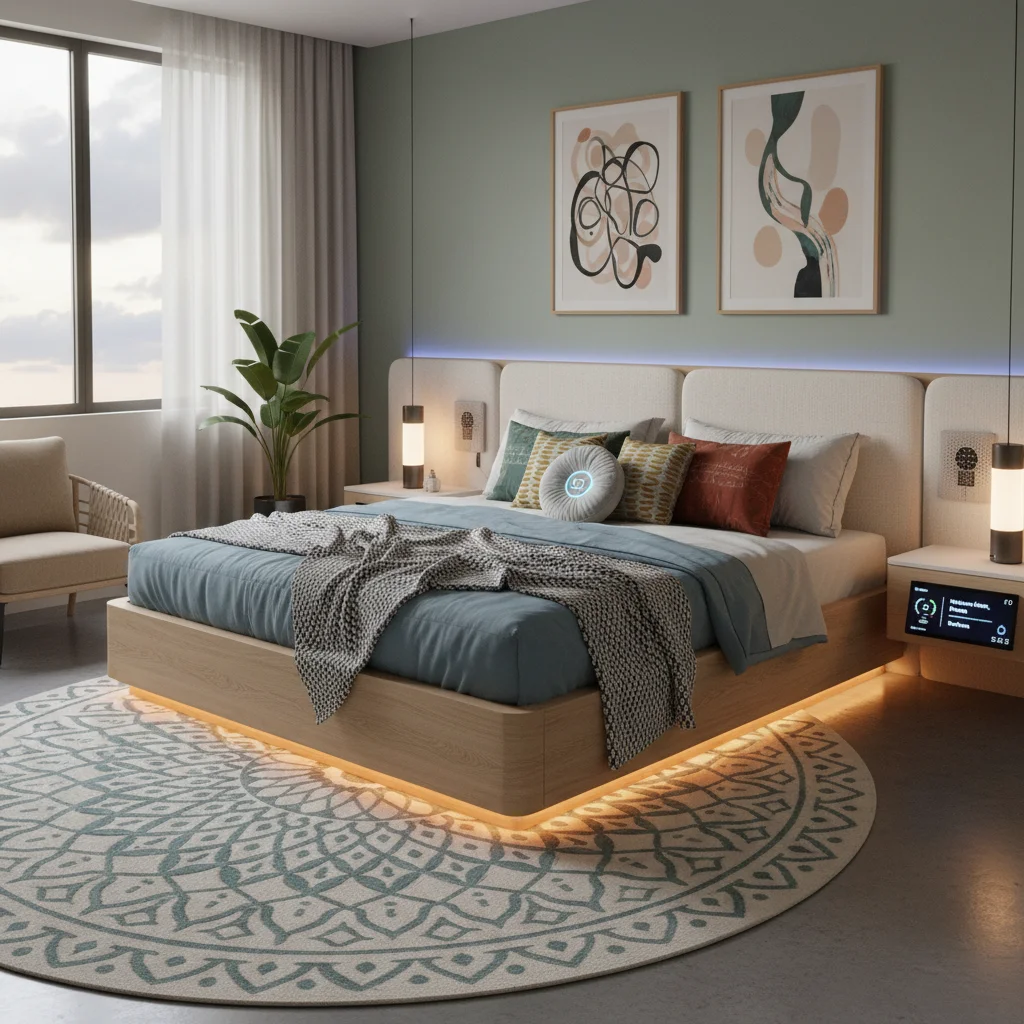
Consider a scenario where your bedroom gradually brightens with simulated natural light as your alarm approaches, while a gentle, calming scent is diffused, preparing you for the day. Or a living room that transforms into a home cinema experience with a single voice command, dimming lights, adjusting blinds, and activating the projector. This personalization makes your home a truly unique and responsive space, a hallmark of future home decor.
The Embrace of Bold Colors and Textures
While sustainability and technology provide the functional framework, the aesthetic appeal of future home decor in 2026 will be characterized by a confident embrace of bold colors, rich textures, and dramatic contrasts. After years of minimalist neutrals, there’s a growing desire for spaces that exude personality and warmth.
Deep, Earthy Tones and Jewel Hues
Expect to see a resurgence of deep, earthy tones like terracotta, forest green, and rich ochre, often paired with luxurious jewel hues such as sapphire blue, emerald green, and amethyst purple. These colors create a sense of depth, sophistication, and coziness, moving away from stark whites and grays. They evoke a connection to nature while also adding a touch of opulence.
Imagine a living room with an accent wall painted in a deep forest green, complemented by a velvet sofa in a rich sapphire. Or a bedroom with terracotta walls, layered with bedding in natural linen and accents of ochre. These color palettes are not about overwhelming the space but about creating intentional focal points and infusing rooms with a vibrant energy that defines future home decor.
Textural Play and Sensory Experiences
Texture will play a crucial role in creating engaging and inviting spaces. In 2026, homes will be a feast for the senses, with a mix of tactile materials that invite touch. Think boucle fabrics, raw wood, ribbed glass, brushed metals, and woven natural fibers. This layering of textures adds visual interest and a sense of luxury without being overtly extravagant.
Consider a sofa upholstered in a nubby boucle, paired with cushions in smooth silk and a throw in chunky knit wool. Or a dining table with a finely polished stone top, surrounded by chairs with woven cane backs. The interplay of rough and smooth, soft and hard, creates a dynamic and sophisticated environment. This emphasis on sensory experience is a defining characteristic of future home decor, making spaces feel richer and more welcoming.
Pattern and Artistic Expression
Bold patterns, from geometric designs to abstract art, will make a strong statement. Wallpaper, once considered old-fashioned, is making a powerful comeback with large-scale prints and innovative textures. Artistic expression will also extend to bespoke murals, custom-designed textiles, and unique art installations, allowing homeowners to infuse their personality into every corner.
A powder room might feature a dramatic botanical wallpaper, while a hallway could showcase a gallery wall of eclectic art. In the living room, a large, abstract rug could anchor the space, introducing both color and pattern. This move towards more expressive and artistic interiors is a key element of future home decor, celebrating individuality and creativity.
Multifunctional Spaces and Flexible Living
As living spaces continue to adapt to changing lifestyles, particularly with the increase in remote work and a desire for greater flexibility, multifunctional spaces will be paramount in 2026. Future home decor will prioritize designs that can easily transform to serve various purposes throughout the day.
Modular Furniture and Adaptable Layouts
Modular furniture systems will be key, allowing homeowners to reconfigure their living areas to suit different activities. Sofas that can be separated into individual seating units, tables that extend or collapse, and shelving units that can be rearranged will be highly sought after. This adaptability ensures that a single room can seamlessly transition from a home office to a living room, and then to a guest bedroom.
Imagine a versatile ottoman that serves as extra seating, a coffee table, or even storage. Or a wall unit that integrates a desk, shelving, and a hidden pull-down bed. These clever solutions maximize space and provide unparalleled flexibility, making them essential for future home decor, especially in urban environments where space is at a premium.
Integrated Storage Solutions
Effective and aesthetically pleasing storage will be more critical than ever. In 2026, storage won’t just be about utility; it will be an integral part of the design. Think hidden compartments, built-in shelving that blends seamlessly with walls, and furniture pieces that cleverly incorporate storage without compromising on style.
Under-stair drawers, wall-to-wall custom cabinetry, and beds with integrated storage will help maintain a clutter-free environment, which is crucial for fostering a sense of calm and order. This thoughtful approach to storage is a cornerstone of functional and beautiful future home decor, ensuring every item has its place while keeping the aesthetic clean and uncluttered.
The Emphasis on Wellness and Comfort
Our homes are increasingly viewed as sanctuaries, places where we can recharge, relax, and prioritize our well-being. This focus on wellness and comfort will profoundly influence future home decor in 2026, steering design choices towards creating nurturing and restorative environments.
Ergonomic and Mindful Furniture
Comfort will go hand-in-hand with ergonomics. Furniture will not only be visually appealing but also designed to support our bodies and promote healthy posture. Adjustable desks, ergonomic seating, and beds engineered for optimal sleep will become standard. The focus is on creating spaces that actively contribute to our physical health and comfort.
Beyond physical comfort, there’s a growing emphasis on mindful design – creating spaces that reduce visual clutter and promote a sense of calm. This involves thoughtful organization, the use of soothing color palettes, and incorporating elements that encourage relaxation, such as comfortable reading nooks or meditation corners. This holistic approach to comfort is vital for future home decor.
Acoustic Comfort and Sensory Harmony
Noise pollution can significantly impact our well-being. In 2026, future home decor will address acoustic comfort through the strategic use of sound-absorbing materials like thick rugs, upholstered furniture, and acoustic panels disguised as art. The goal is to create serene environments where unwanted noise is minimized, allowing for better concentration and relaxation.
Furthermore, sensory harmony extends to lighting. Beyond smart lighting, there will be an emphasis on natural light optimization and the use of warm, adjustable artificial light that mimics natural cycles, supporting our circadian rhythms. The careful consideration of sound and light will be integral to creating truly restorative homes.
Personalization and Authenticity
In a world increasingly dominated by digital experiences, there’s a strong counter-movement towards authenticity and personalization in our physical spaces. Future home decor in 2026 will celebrate individuality, encouraging homeowners to curate spaces that truly reflect their unique stories and passions.
Curated Collections and Heirloom Pieces
The trend of mass-produced, identical interiors is fading. Instead, homes will feature curated collections of objects, art, and furniture that have personal meaning. This includes incorporating heirloom pieces, vintage finds, and handcrafted items that tell a story. The goal is to create a home that feels lived-in, layered, and deeply personal, rather than a showroom.
Imagine a living room where a modern sofa is paired with an antique chest inherited from a grandparent, or a gallery wall that mixes contemporary art with travel souvenirs and family photographs. These personal touches infuse a home with soul and create a sense of belonging, making personalization a cornerstone of future home decor.
DIY and Craftsmanship Revival
There’s a growing appreciation for craftsmanship and the ‘do-it-yourself’ spirit. In 2026, homeowners will be more inclined to personalize their spaces through their own creative endeavors, whether it’s painting a mural, crafting unique textiles, or upcycling old furniture. This hands-on approach adds a unique and authentic touch that can’t be replicated by mass-produced items.
This trend also extends to supporting local artisans and small businesses, choosing handcrafted pieces that have a story and contribute to a more sustainable economy. This emphasis on unique, artisan-made goods and personal creative expression will be a defining characteristic of future home decor.
Global Influences and Cultural Fusion
Our increasingly interconnected world means that future home decor in 2026 will continue to draw inspiration from diverse cultures, resulting in rich and eclectic interiors. This isn’t about cultural appropriation, but rather a respectful appreciation and fusion of different design traditions.
Eclectic Mix of Styles
Expect to see spaces that effortlessly blend elements from various global aesthetics. A Scandinavian minimalist base might be accented with Moroccan textiles, Japanese pottery, or African art. The key is to create a harmonious blend that feels cohesive and intentional, rather than a chaotic mix.
This global fusion allows for a rich tapestry of textures, patterns, and colors, creating visually stimulating and culturally resonant spaces. It speaks to a broader worldview and a desire to bring the richness of the world into our homes, making global influences a vibrant aspect of future home decor.
Artisan Crafts and Ethical Sourcing
Alongside global influences comes a demand for ethically sourced artisan crafts. Consumers are keen to support communities and traditions from around the world, choosing handmade items that carry a story and contribute to fair trade practices. This includes hand-woven rugs, intricate ceramics, carved wooden pieces, and unique textiles.
These items not only add beauty and character to a home but also connect us to the makers and their cultural heritage. The conscious choice of ethically sourced global decor elements will be a significant part of future home decor, reflecting a more responsible and interconnected world.
Conclusion: Crafting Your 2026 Home
The future home decor landscape of 2026 is an exciting tapestry woven with threads of sustainability, technological innovation, bold aesthetics, and deep personalization. It’s a vision of homes that are not just places to live, but intelligent, beautiful, and deeply personal sanctuaries that support our well-being and reflect our values.
To incorporate these trends into your own home, start by considering your personal style and what truly resonates with you. Embrace sustainability by choosing recycled materials, investing in durable pieces, and bringing nature indoors. Integrate smart technology thoughtfully, focusing on solutions that genuinely enhance your comfort and efficiency. Don’t shy away from bold colors, rich textures, and meaningful patterns that add character and warmth.
Most importantly, allow your home to tell your unique story. Curate collections of meaningful objects, celebrate craftsmanship, and infuse your spaces with elements that bring you joy. By doing so, you’ll not only be on trend for 2026 but also create a timeless, authentic, and truly inspiring home that evolves with you. The future of home decor is bright, personal, and profoundly impactful, inviting us all to create spaces that nourish our lives in every possible way.