DIY Home Maintenance: 4 Seasonal Tasks to Prevent Costly Repairs in the Next 12 Months

DIY Home Maintenance: Your Seasonal Guide to a Trouble-Free Home
Owning a home is a significant investment, and like any investment, it requires diligent care and attention to maintain its value and functionality. While it might be tempting to only address problems as they arise, proactive DIY home maintenance can save you thousands of dollars and countless headaches in the long run. By breaking down tasks into seasonal categories, you can manage your home’s upkeep effectively, ensuring its longevity and your family’s comfort. This comprehensive guide will walk you through essential DIY home maintenance tasks for each season, helping you stay ahead of potential issues and prevent costly repairs in the next 12 months.
Many homeowners dread the thought of home maintenance, viewing it as a daunting list of chores. However, with a structured approach and a little planning, DIY home maintenance becomes a manageable and even rewarding endeavor. Imagine the satisfaction of knowing you’ve prevented a leaky roof, a burst pipe, or an inefficient HVAC system, all through your own efforts. This article is designed to empower you with the knowledge and confidence to tackle these tasks, transforming you from a reactive homeowner into a proactive home guardian.
The secret to effective DIY home maintenance lies in consistency and understanding your home’s needs throughout the year. Each season presents unique challenges and opportunities for maintenance. Spring calls for recovery from winter and preparation for warmer months. Summer focuses on outdoor upkeep and ensuring systems are ready for heat. Fall is crucial for preparing for winter’s chill, and winter itself requires vigilance against cold-related damage. By following this seasonal rhythm, you’ll establish a sustainable routine that keeps your home in optimal condition.
Let’s dive into the specifics of DIY home maintenance, season by season, and equip you with the checklists and insights you need to protect your most valuable asset.
Spring: Awakening Your Home After Winter
Spring is a season of renewal, and your home needs the same attention. After the harshness of winter, it’s time to inspect for damage, clean away debris, and prepare for warmer weather. Focusing on these DIY home maintenance tasks now can prevent bigger problems later.
1. Gutter and Downspout Cleaning and Repair
Winter can leave gutters clogged with leaves, twigs, and other debris, which can lead to water overflow, fascia damage, and even foundation issues. This is a critical DIY home maintenance task.
- Inspection: Check for cracks, loose fasteners, and proper slope. Ensure downspouts direct water at least 5-10 feet away from the foundation.
- Cleaning: Use gloves to remove all debris. Flush with a hose to check for blockages and leaks.
- Repairs: Seal small cracks with gutter sealant. Reattach loose sections or replace severely damaged ones.
Neglecting your gutters is one of the quickest ways to invite water damage into your home. A proper spring cleaning and repair can prevent basement flooding, rot in your siding, and compromised foundation integrity.
2. Exterior Inspection and Siding/Trim Repair
The exterior of your home is its first line of defense. Winter weather can take a toll, making a thorough spring inspection vital for effective DIY home maintenance.
- Siding: Look for cracked, loose, or warped siding panels. Pay attention to areas around windows and doors.
- Paint/Stain: Check for peeling paint or faded stain, which can indicate a lack of protection against moisture.
- Trim: Inspect window and door trim for rot, gaps, or insect damage.
- Caulking: Examine all caulking around windows, doors, and utility penetrations. Reapply as needed to seal out moisture and drafts.
Addressing these issues promptly prevents water intrusion, pest infestations, and further deterioration, safeguarding your home’s structural integrity and aesthetic appeal. Small repairs now can prevent the need for costly replacements later on.
3. HVAC System Check-up
As temperatures rise, your air conditioning system will soon be in demand. A spring HVAC check-up is a fundamental aspect of DIY home maintenance.
- Filter Replacement: Change your air filter monthly, but especially at the start of the cooling season. A clean filter improves efficiency and air quality.
- Outdoor Unit Cleaning: Clear away any debris (leaves, grass clippings, dirt) from around the outdoor condenser unit. Ensure at least two feet of clearance for optimal airflow.
- Coil Inspection: While it’s best to leave deep coil cleaning to professionals, you can visually inspect the outdoor coils for dirt buildup.
- Thermostat Check: Test your thermostat to ensure it’s functioning correctly. Consider upgrading to a smart thermostat for better energy management.
Regular HVAC maintenance extends the life of your unit, improves energy efficiency, and ensures comfortable indoor temperatures throughout the summer. It’s a prime example of how proactive DIY home maintenance saves money.
4. Deck and Patio Maintenance
Your outdoor living spaces take a beating during winter. Spring is the perfect time for DIY home maintenance on your deck or patio.
- Cleaning: Power wash or scrub decks and patios to remove dirt, mildew, and grime.
- Inspection: Check for loose boards, protruding nails, or weakened railings. Repair or replace as necessary.
- Sealing/Staining: Apply a fresh coat of sealant or stain to wooden decks to protect them from sun and moisture damage. This should be done every 1-3 years depending on the product and exposure.
Proper deck and patio maintenance not only enhances their appearance but also ensures their safety and longevity, providing a pleasant outdoor space for years to come.
Summer: Maximizing Efficiency and Outdoor Care
Summer brings warmer weather, meaning more time outdoors and increased strain on certain home systems. Your DIY home maintenance efforts during this season should focus on preventing heat-related issues and maintaining your property’s exterior.
1. Exterior Painting and Sealing
Warm, dry weather provides the ideal conditions for exterior painting and sealing, crucial for long-term DIY home maintenance.
- Touch-ups: Address any peeling paint or faded spots identified in your spring inspection.
- Complete Repaint: If your home’s exterior paint is significantly deteriorated, summer is the best time for a full repaint. This protects siding from moisture and UV damage.
- Deck/Fence Staining: Reapply stain or sealant to decks and fences as needed.
A well-maintained exterior not only boosts curb appeal but also acts as a protective barrier against the elements, preventing rot, mold, and pest entry.
2. Inspecting and Cleaning Drains
With increased water usage from gardening and summer activities, ensuring your drains are clear is a smart DIY home maintenance move.
- Indoor Drains: Periodically pour a mixture of baking soda and vinegar down drains, followed by hot water, to clear minor clogs and remove odors.
- Outdoor Drains: Ensure storm drains and French drains are clear of debris. Heavy summer rains can quickly expose blockages.
Preventing drain clogs avoids inconvenient backups and potential water damage to your plumbing system.
3. Foundation Inspection for Cracks
Summer’s dry spells can sometimes cause soil to shrink, leading to foundation movement. Regular inspection is key for DIY home maintenance.
- Visual Check: Walk around your home’s exterior, looking for any new cracks in the foundation, especially after prolonged dry periods.
- Interior Check: Look for cracks in basement walls or floors.
- Landscaping: Ensure proper grading around the foundation to direct water away from the house. Avoid planting large trees too close to the foundation, as their roots can cause issues.
While minor hairline cracks are often harmless, larger or expanding cracks can indicate serious foundation problems that require professional assessment. Early detection through DIY home maintenance can save significant repair costs.
4. Checking and Maintaining Windows and Doors
Efficient windows and doors are vital for keeping your home cool in summer and warm in winter. This DIY home maintenance task impacts energy bills year-round.
- Sealants: Inspect caulking and weatherstripping around all windows and doors. Repair or replace any cracked or deteriorated seals.
- Screens: Repair or replace torn window and door screens to keep insects out while allowing fresh air in.
- Hardware: Lubricate hinges and check latches to ensure smooth operation and a secure seal.
Properly sealed windows and doors reduce energy loss, improve comfort, and protect your home from moisture and pests.
Fall: Preparing for Winter’s Chill
As the leaves change, your focus for DIY home maintenance shifts towards preparing your home for the cold, harsh realities of winter. This is a critical period for preventative measures.
1. Gutter Cleaning and Downspout Inspection (Again!)
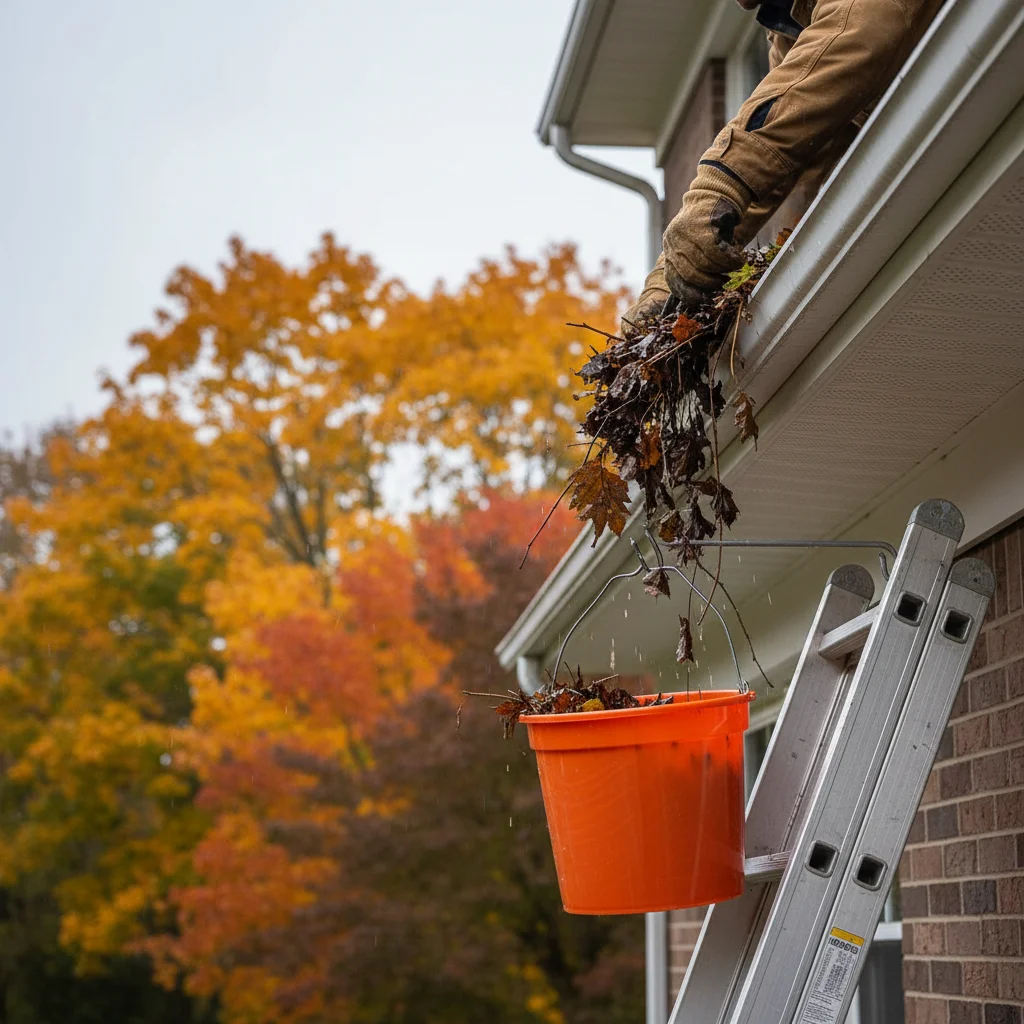
Yes, gutters again! Fall foliage makes this a prime time for clogs. This is arguably the most important fall DIY home maintenance task.
- Thorough Cleaning: Remove all fallen leaves, twigs, and debris. This often requires multiple cleanings throughout the fall season, especially if you have many trees nearby.
- Extension Check: Ensure downspout extensions are securely in place and directing water away from your foundation.
- Heat Cables: If you live in a region prone to ice dams, consider installing gutter heat cables now.
Clogged gutters in winter can lead to ice dams, which can force water under your roof shingles, causing extensive damage to your roof, attic, and interior walls. Preventative DIY home maintenance here is invaluable.
2. Inspecting and Sealing the Roof
Before snow and ice arrive, a thorough roof inspection is crucial for DIY home maintenance.
- Shingles: Look for missing, cracked, or curled shingles. Repair or replace them promptly.
- Flashing: Inspect flashing around chimneys, vents, and skylights for any signs of damage or gaps. Seal with roofing cement if needed.
- Soffits and Fascia: Check for any rot, holes, or pest entry points.
- Attic Ventilation: Ensure attic vents are clear and unobstructed to prevent moisture buildup and ice dams.
A damaged roof can lead to leaks, mold, and structural issues. Addressing these concerns in the fall prevents major headaches and costly emergency repairs during winter storms.
3. Furnace and Heating System Tune-up
Just as you prepared your AC for summer, your furnace needs attention before winter. This is a vital DIY home maintenance step for comfort and safety.
- Filter Replacement: Install a new, clean air filter.
- Vent Cleaning: Ensure all heating vents are open and unobstructed. Vacuum around furnace and vents to remove dust.
- Carbon Monoxide Detectors: Test all carbon monoxide detectors and replace batteries.
- Pilot Light/Ignition: If you have a gas furnace, ensure the pilot light is lit or the electronic ignition is functioning.
- Professional Check: While many tasks are DIY, an annual professional furnace tune-up is highly recommended for safety and efficiency.
A well-maintained heating system runs more efficiently, lasts longer, and is less likely to break down when you need it most.
4. Winterizing Outdoor Plumbing
Frozen pipes are a major winter hazard. This DIY home maintenance task is non-negotiable in colder climates.
- Hose Bibs: Disconnect all garden hoses from outdoor spigots. Drain the hoses and store them.
- Shut-off Valves: Locate and turn off the interior shut-off valves for outdoor spigots. Open the outdoor spigots to drain any remaining water from the pipes.
- Insulate Pipes: Insulate any exposed pipes in unheated areas like basements, crawl spaces, or garages.
Taking these simple steps prevents pipes from freezing and bursting, which can cause extensive water damage and expensive repairs.
Winter: Protecting Against the Cold and Conserving Energy
Winter DIY home maintenance focuses on staying warm, conserving energy, and protecting your home from the damaging effects of cold, snow, and ice. Vigilance during this season is crucial.
1. Checking for Drafts and Improving Insulation
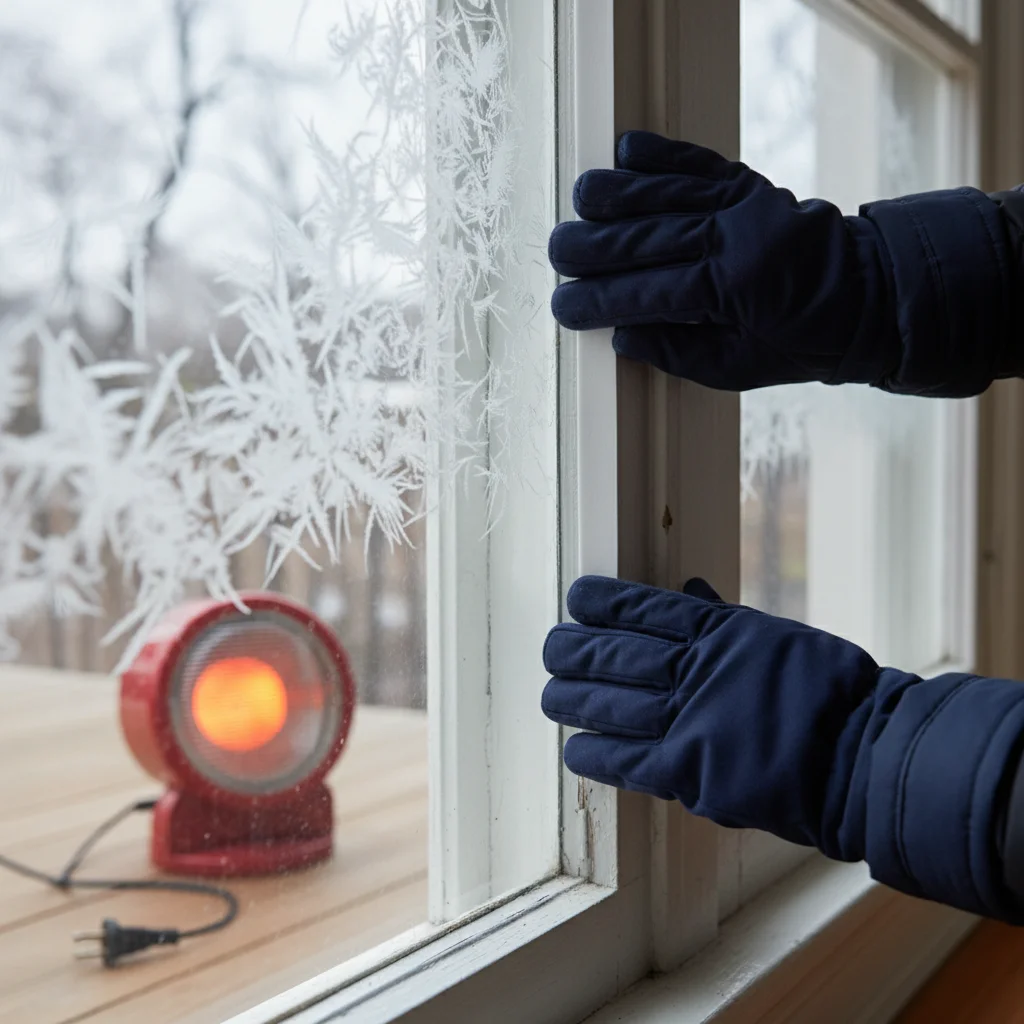
Drafts are notorious energy thieves. Identifying and sealing them is a top winter DIY home maintenance priority.
- Draft Detection: Use an incense stick or a lit candle to check for drafts around windows, doors, electrical outlets, and plumbing penetrations.
- Seal Gaps: Apply new caulk to seal gaps around window and door frames. Install or replace weatherstripping.
- Outlet Insulators: Install foam gaskets behind electrical outlet and light switch covers on exterior walls.
- Attic Insulation: Ensure your attic has adequate insulation. Adding more insulation can significantly reduce heat loss.
Eliminating drafts and improving insulation will make your home more comfortable and significantly reduce your heating bills. This is one of the most impactful DIY home maintenance tasks for energy savings.
2. Testing Safety Devices
Winter often means more time indoors and increased use of heating appliances, making safety checks paramount for DIY home maintenance.
- Smoke Detectors: Test all smoke detectors monthly and replace batteries annually.
- Carbon Monoxide Detectors: Test these monthly and replace batteries annually.
- Fire Extinguishers: Ensure fire extinguishers are easily accessible and fully charged. Know how to use them.
These simple checks can be lifesavers, providing peace of mind during the colder months.
3. Preventing Ice Dams and Roof Damage
Snow and ice can accumulate on roofs, leading to ice dams. Preventing these is a crucial winter DIY home maintenance task.
- Roof Raking: After heavy snowfalls, use a roof rake to remove snow from the first few feet of your roof, especially over eaves. This prevents ice dam formation.
- Attic Ventilation: Ensure your attic is properly ventilated to keep the roof deck cold, preventing snow from melting and refreezing at the eaves.
- Gutter Maintenance: As mentioned in fall, clear gutters are essential.
Ice dams can cause significant damage to your roof, gutters, and interior ceilings. Proactive measures can prevent costly repairs.
4. Inspecting and Maintaining Appliances
With more time spent indoors, appliances get more use. Regular checks are part of good DIY home maintenance.
- Water Heater: Drain a few gallons from the bottom of your water heater to remove sediment, which improves efficiency and extends its life.
- Refrigerator Coils: Clean the condenser coils on your refrigerator. Dust and pet hair can reduce efficiency.
- Dishwasher/Washing Machine Hoses: Inspect hoses for cracks or leaks. Replace any brittle or damaged hoses.
- Dryer Vent: Clean the dryer vent and ductwork thoroughly to prevent fire hazards and improve efficiency. This should be done more than once a year.
Maintaining appliances not only prevents breakdowns but also ensures they operate efficiently, saving you money on utility bills and extending their lifespan.
Year-Round DIY Home Maintenance Tips
Beyond seasonal tasks, some DIY home maintenance activities should be performed regularly, regardless of the time of year. Incorporating these into your routine will further safeguard your home.
Regular Plumbing Checks
A leaky faucet or running toilet might seem minor, but they waste water and can lead to bigger problems. Regularly check under sinks for leaks, listen for running toilets, and address issues promptly. Knowing where your main water shut-off valve is located is also crucial in case of an emergency.
Electrical System Awareness
Periodically check electrical outlets for loose plugs or scorch marks. Ensure circuit breakers are not tripping frequently. If you notice flickering lights or burning smells, consult a professional electrician immediately. Never attempt electrical repairs beyond your expertise.
Pest Control and Prevention
Be vigilant for signs of pests year-round. Seal cracks and holes in your foundation and exterior walls to prevent entry. Keep food stored properly and maintain a clean environment. Early detection and intervention are key to preventing infestations.
Battery Replacement for Detectors
While often mentioned seasonally, it’s good practice to set a recurring reminder to replace batteries in smoke and carbon monoxide detectors at least once a year, regardless of the season. A common recommendation is to do it when daylight saving time changes.
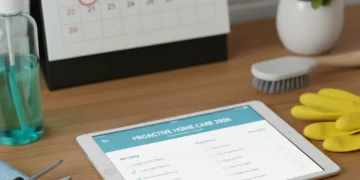
Keeping Records of Maintenance
Maintain a log of all DIY home maintenance tasks performed, including dates, materials used, and any observations. This record can be invaluable for troubleshooting, scheduling future maintenance, and providing documentation if you ever sell your home.
The Long-Term Benefits of Proactive DIY Home Maintenance
Committing to a seasonal DIY home maintenance schedule might seem like a lot of work initially, but the benefits far outweigh the effort. Here’s why it’s a smart investment of your time and energy:
- Cost Savings: Preventing major issues is always cheaper than repairing them. A small leak caught early costs pennies to fix compared to thousands for water damage and mold remediation.
- Increased Home Value: A well-maintained home holds its value better and is more attractive to potential buyers should you decide to sell.
- Enhanced Safety: Regular checks of electrical systems, heating units, and safety detectors can prevent accidents and ensure your family’s well-being.
- Improved Energy Efficiency: Sealing drafts, maintaining HVAC systems, and insulating properly can significantly reduce your utility bills.
- Extended Lifespan of Systems and Appliances: Just like a car, your home’s components last longer with regular care, delaying expensive replacement costs.
- Peace of Mind: Knowing your home is in good condition provides a sense of security and reduces stress associated with unexpected breakdowns.
Embracing DIY home maintenance is about taking control of your home’s future. It’s about being an informed and empowered homeowner, rather than a victim of unforeseen circumstances. With the right tools, a little knowledge, and a commitment to a seasonal schedule, you can keep your home safe, efficient, and beautiful for years to come.
Conclusion: Empowering Your Home’s Future with DIY Home Maintenance
DIY home maintenance is not just about fixing things; it’s about nurturing your most valuable asset. By adopting a proactive, seasonal approach to home care, you can effectively prevent costly repairs, enhance your home’s efficiency, and ensure a comfortable living environment for your family. From spring clean-ups to winterizing tasks, each step contributes to the overall health and longevity of your property.
Remember, consistency is key. Don’t feel overwhelmed by the entire list; instead, break it down into manageable tasks for each season. Create a checklist, set reminders, and gather the necessary tools. You don’t need to be an expert handyman to tackle most of these tasks; many are straightforward and require only basic skills and attention to detail. However, always know your limits and don’t hesitate to call a professional for jobs that are beyond your comfort level or expertise, especially those involving electricity, gas, or major structural components.
By investing your time and effort into these essential DIY home maintenance routines, you’re not just saving money; you’re building a deeper connection with your home, understanding its nuances, and becoming a more confident and capable homeowner. Start today, and enjoy the peace of mind that comes with a well-maintained, trouble-free home for the next 12 months and beyond.