Smart Thermostats: Save $180 Annually with 2026 Models
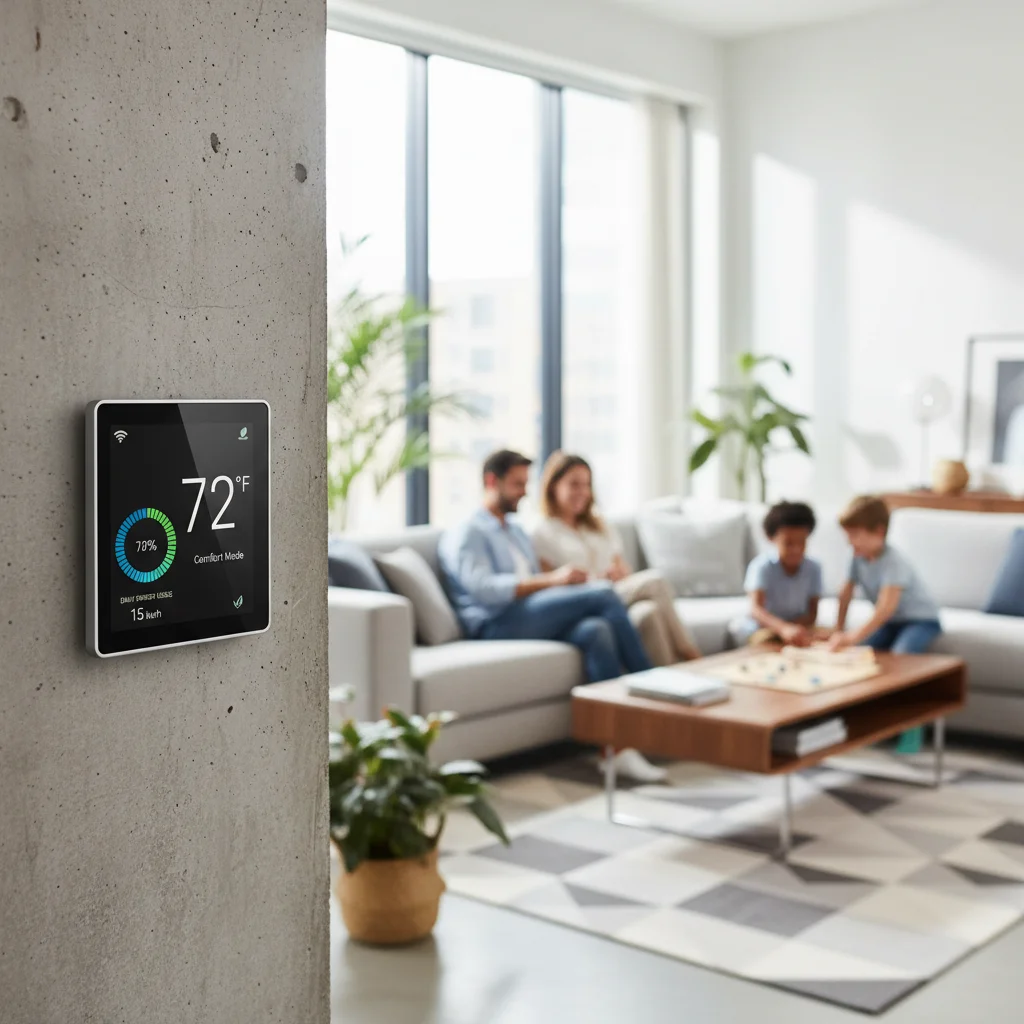
Smart Thermostats: How 1 in 4 US Homes Can Save an Average of $180 Annually with 2026 Models
In an era where every penny counts and environmental consciousness is paramount, the promise of significant savings and enhanced comfort at home is more appealing than ever. Enter the smart thermostat, a device rapidly transforming how American households manage their indoor climate. Recent projections indicate a substantial shift, with 1 in 4 US homes expected to adopt smart thermostats by 2026. This isn’t just a trend; it’s a calculated move towards efficiency, convenience, and considerable financial relief. The most compelling figure? These advanced 2026 models are poised to deliver an average annual saving of $180 per household, a figure that resonates deeply with budget-conscious consumers and eco-friendly advocates alike. This article delves into the mechanics behind these impressive savings, explores the innovative features of upcoming models, and provides a comprehensive guide for homeowners considering this smart upgrade. Understanding the capabilities of these devices and how they integrate into our daily lives is crucial for unlocking their full potential. From artificial intelligence to geo-fencing, the technology packed into these thermostats is designed to optimize energy consumption without sacrificing comfort. Furthermore, we will examine the broader impact of widespread smart thermostat adoption on the national energy grid and the environment. The journey towards a smarter, more sustainable home begins with informed choices, and the smart thermostat stands out as a pivotal step in that direction.
The Evolution of Home Heating and Cooling: From Manual to Intelligent
For decades, home heating and cooling systems remained largely static, relying on basic manual controls or rudimentary programmable timers. While these offered some level of control, they often fell short in adapting to real-time needs, leading to wasted energy and fluctuating comfort levels. The advent of the smart thermostat marked a significant paradigm shift. Early models introduced remote control via smartphone apps, allowing users to adjust temperatures from anywhere. This was a game-changer, but the technology has evolved far beyond simple remote access. Today’s smart thermostats are sophisticated pieces of technology, incorporating machine learning, occupancy sensors, and seamless integration with other smart home devices. They learn household patterns, anticipate needs, and proactively optimize energy usage. This continuous evolution is what sets the stage for the projected smart thermostat savings of $180 annually by 2026. The intelligence embedded within these devices allows for a level of precision and efficiency that traditional thermostats simply cannot match. This isn’t just about turning the heat up or down; it’s about creating an intelligent climate control system that understands and responds to the unique dynamics of your home and lifestyle. The shift from reactive to proactive climate management is at the core of this revolution, delivering not only cost savings but also an unparalleled level of comfort and convenience. The next generation of smart thermostats promises even greater integration and predictive capabilities, moving closer to a truly autonomous home environment. This forward momentum in technology ensures that the benefits of adopting these systems will only continue to grow, making them an increasingly indispensable part of modern living.
Understanding the $180 Annual Smart Thermostat Savings: The Mechanics
The promise of $180 in annual smart thermostat savings is not arbitrary; it’s rooted in a combination of advanced features and behavioral changes facilitated by the technology. Several key mechanisms contribute to these substantial reductions in energy bills:
- Learning Algorithms and Predictive Scheduling: Unlike traditional programmable thermostats that adhere to a rigid schedule, smart thermostats learn your preferences and daily routines over time. They observe when you’re home, when you’re away, and your preferred temperatures at different times of the day. Using this data, they create an optimized schedule that ensures comfort when you need it and conserves energy when you don’t, often without any manual input required from the homeowner. This predictive capability minimizes instances of heating or cooling an empty house, a common source of energy waste.
- Occupancy Sensors and Geo-fencing: Many 2026 models will come equipped with more sophisticated occupancy sensors that detect if someone is home or if a particular room is in use. This allows the thermostat to adjust temperatures dynamically, heating or cooling only the occupied areas or reducing energy when the house is empty. Geo-fencing takes this a step further, using your smartphone’s location to determine when you’re approaching or leaving home, automatically adjusting the thermostat accordingly. Imagine never coming home to an uncomfortably hot or cold house again, while simultaneously saving energy during your commute.
- Energy Usage Reports and Insights: Smart thermostats provide detailed reports on your energy consumption, often broken down by day, week, or month. These insights empower homeowners to understand their energy habits better and identify areas for further optimization. Some apps even offer personalized tips and recommendations based on your usage patterns, helping you fine-tune your settings for maximum smart thermostat savings. This transparency is key to fostering more energy-conscious behavior.
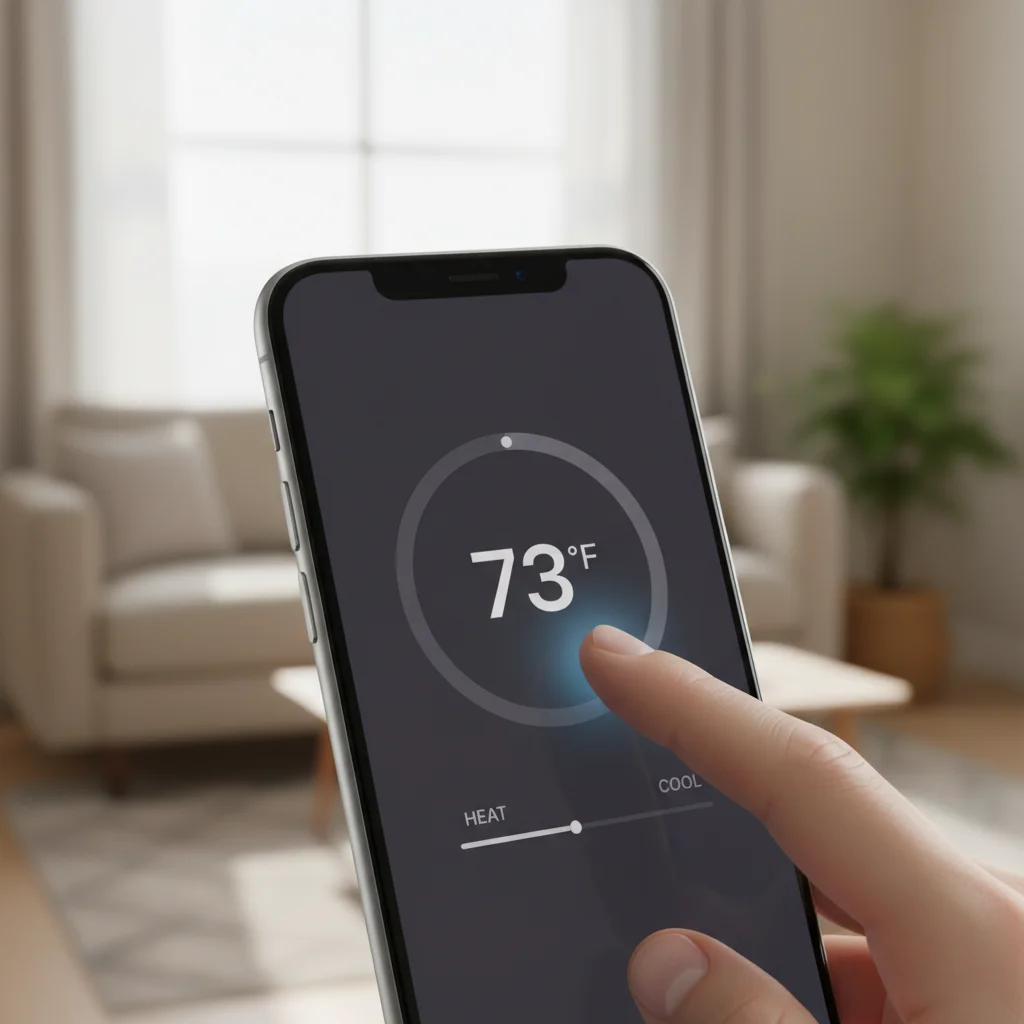
- Remote Control and Zoned Heating/Cooling: The ability to control your thermostat from anywhere via a smartphone app is incredibly convenient. Forgot to turn down the AC before leaving for vacation? No problem. On your way home early? Adjust the temperature so it’s perfect when you arrive. For homes with multiple smart thermostats (or smart vents), zoned heating and cooling allows you to manage temperatures independently in different areas of your house, preventing you from heating or cooling unoccupied rooms unnecessarily.
- Integration with Other Smart Home Systems: As smart homes become more interconnected, thermostats are integrating with other devices like smart blinds, ceiling fans, and even weather forecasts. For instance, a smart thermostat could communicate with smart blinds to close them on a hot, sunny day to reduce heat gain, further enhancing energy efficiency.
These combined functionalities create a powerful synergy that leads to measurable energy reductions. The $180 figure represents an average, and individual savings can vary based on factors such as climate, home insulation, personal usage habits, and the specific features of the smart thermostat installed. However, the overarching principle remains: smart thermostats offer a superior, more intelligent way to manage your home’s climate, directly translating into tangible financial benefits. The investment in a smart thermostat quickly pays for itself through these consistent savings, making it an economically sound decision for any homeowner looking to reduce their utility bills.
The 2026 Models: What’s New and Why It Matters
The 2026 generation of smart thermostats isn’t just a minor upgrade; it represents a significant leap forward in home climate control technology, solidifying the potential for greater smart thermostat savings. These models are engineered with enhanced intelligence, connectivity, and user-centric features that make them more efficient and intuitive than ever before. Here’s a glimpse into what distinguishes these upcoming devices:
- Advanced AI and Machine Learning: While current models use AI to learn patterns, 2026 thermostats will feature more sophisticated algorithms capable of predicting nuanced environmental changes and occupant behavior. This means they can anticipate temperature fluctuations based on local weather forecasts, sun exposure, and even the thermal mass of your home, adjusting proactively rather than reactively. They’ll learn not just your schedule, but also how long it takes to heat or cool your home to a desired temperature, optimizing start times for peak efficiency.
- Enhanced Sensor Technology: Expect more precise and distributed sensor networks. This includes not only improved occupancy and motion sensors but also environmental sensors that detect humidity, air quality, and even specific allergens. This allows for a more comprehensive approach to indoor climate management, ensuring not just thermal comfort but also a healthier living environment. Some models may even integrate with smart windows or ventilation systems to optimize fresh air intake.
- Seamless Smart Home Ecosystem Integration: The interoperability of 2026 smart thermostats will be significantly improved. They will communicate effortlessly with a wider array of smart home devices, creating a truly unified and intelligent ecosystem. Imagine your thermostat coordinating with smart lighting to dim lights when you’re away, or with smart blinds to block sunlight, all contributing to overall energy efficiency and comfort. This level of integration moves beyond simple connectivity to true cooperative intelligence.
- Personalized Comfort Zones and Voice Control: While some current models offer zoned control, the 2026 iteration will likely provide more granular and personalized comfort zones within the home, allowing individual preferences to be met with greater precision. Voice control capabilities will also become more natural and responsive, integrating deeper with virtual assistants like Alexa, Google Assistant, and Siri, enabling effortless hands-free adjustments.
- Predictive Maintenance and Diagnostics: Future smart thermostats may also incorporate predictive maintenance features. By monitoring the performance of your HVAC system, they could detect potential issues before they become major problems, alerting you to filter changes, system inefficiencies, or even potential breakdowns. This proactive approach can save homeowners significant money on repair costs and extend the lifespan of their HVAC equipment.
- Improved User Interfaces and Energy Insights: The accompanying apps and on-device interfaces will be more intuitive, offering clearer visual representations of energy consumption and more actionable insights. Gamification elements might even be introduced to encourage more energy-efficient habits, turning energy saving into an engaging experience.
These advancements are not merely about adding new gadgets; they are about creating a more intelligent, responsive, and energy-efficient home environment. The combination of smarter algorithms, better sensors, and deeper integration will empower homeowners to achieve unprecedented levels of comfort and, crucially, unlock greater smart thermostat savings. The 2026 models are designed to be more self-sufficient and proactive, reducing the need for constant manual adjustments and ensuring that your home’s climate control is always optimized for both comfort and cost-effectiveness. This evolution signifies a commitment to making energy efficiency not just a possibility, but an effortless reality for millions of homes.
The Broader Impact: Energy Grid and Environment
The widespread adoption of smart thermostats, particularly the advanced 2026 models, extends its influence far beyond individual household savings. The collective effect on the national energy grid and the environment is substantial and profoundly positive. As 1 in 4 US homes move towards these intelligent systems, the ripple effects will be felt across the entire energy landscape.
Stabilizing the Energy Grid
One of the most significant benefits is the potential for grid stabilization. Traditional energy consumption patterns often lead to demand spikes during peak hours, straining power plants and transmission lines. Smart thermostats, especially those participating in demand response programs, can help alleviate this stress. Utilities can offer incentives to homeowners to slightly adjust their thermostats during peak demand periods. Because these adjustments are often subtle and short-lived, they go unnoticed by residents but collectively make a huge difference in reducing the overall load on the grid. This intelligent load management helps prevent brownouts and blackouts, making the energy supply more reliable and efficient. Furthermore, by reducing peak demand, there’s less need for ‘peaker plants’ – older, less efficient power plants that are only brought online during these high-demand times, which are often more polluting. This contributes to a more robust and sustainable energy infrastructure, ensuring that power is available when and where it’s needed most, without unnecessary waste or strain.
Reducing Carbon Footprint and Promoting Sustainability
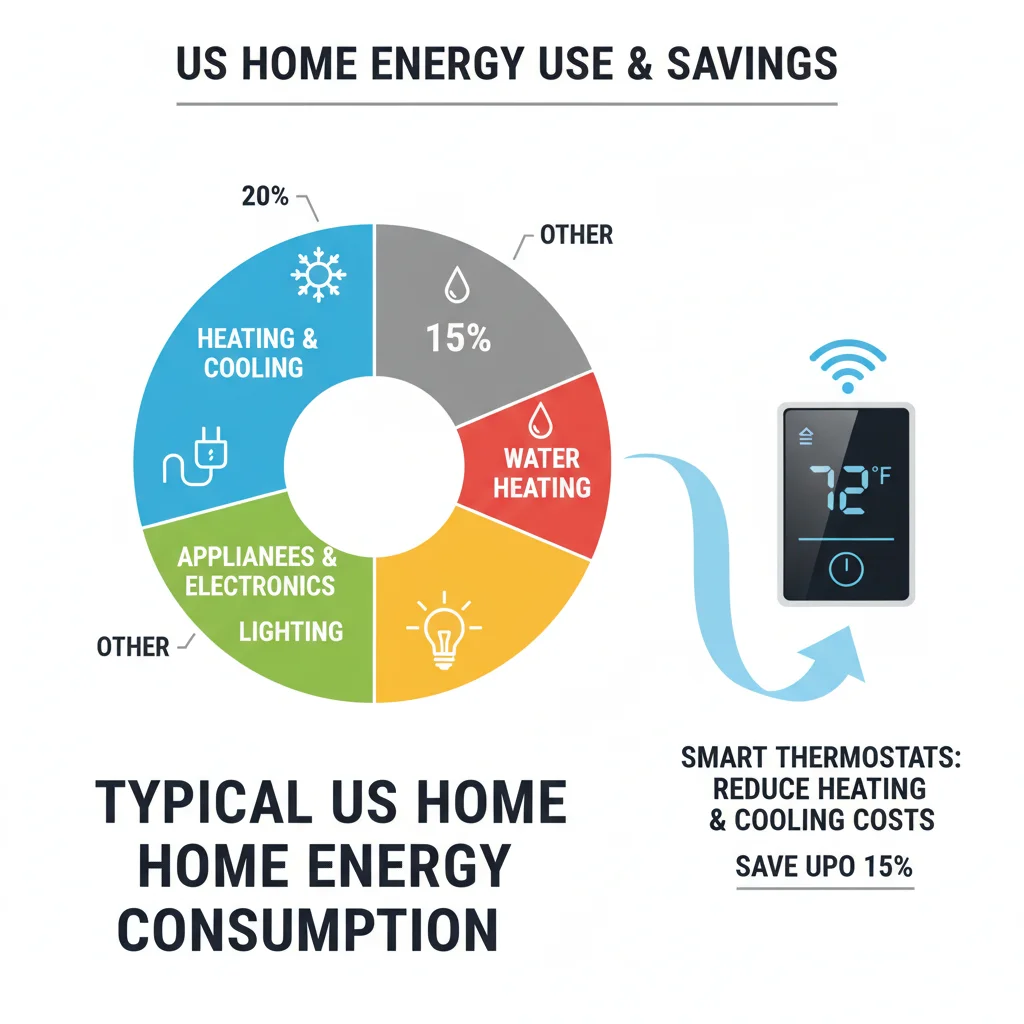
The primary environmental benefit of smart thermostats lies in their ability to significantly reduce overall energy consumption. Heating and cooling account for a large portion of residential energy use, and by optimizing these processes, smart thermostats directly contribute to a reduction in greenhouse gas emissions. Fewer fossil fuels are burned to generate electricity when homes are more energy-efficient, leading to cleaner air and a smaller carbon footprint. This aligns perfectly with national and global efforts to combat climate change and transition to a more sustainable future. The cumulative effect of millions of homes making small, smart adjustments to their energy use can lead to a substantial decrease in national energy demand, fostering a culture of conservation. This is particularly crucial as we strive to meet ambitious climate goals and move towards greater reliance on renewable energy sources. Every kilowatt-hour saved by a smart thermostat is a step towards a greener planet, demonstrating that individual actions, when aggregated, can have a monumental impact on environmental health and sustainability.
Encouraging Renewable Energy Integration
Smart thermostats also play a role in facilitating the integration of renewable energy sources. By shifting energy demand away from peak hours, they make it easier for intermittent sources like solar and wind power to contribute more consistently to the grid. When demand is more predictable and manageable, renewable energy can be utilized more effectively, reducing reliance on traditional, less sustainable power generation methods. This flexibility in demand is crucial for optimizing the use of clean energy. The ability of smart thermostats to communicate with the grid and adjust consumption based on the availability of renewable energy further enhances this synergy. This means that homes equipped with smart thermostats can become active participants in a smart grid, consuming energy when it’s cleanest and most abundant, thereby accelerating the transition to a fully renewable energy system. The future of energy is not just about producing clean power, but also about consuming it intelligently, and smart thermostats are at the forefront of this intelligent consumption. Their role in a decentralized, renewable-powered grid will only grow in importance, making them a cornerstone of future energy policy and environmental stewardship.
Choosing the Right Smart Thermostat for Your Home
With the increasing popularity and projected smart thermostat savings, the market is flooded with options. Selecting the right smart thermostat for your home can seem daunting, but by considering a few key factors, you can make an informed decision that maximizes your investment and energy efficiency:
- Compatibility with Your HVAC System: This is the most crucial first step. Not all smart thermostats are compatible with all HVAC systems. Check if your system uses common (C) wire, if it’s a conventional or heat pump system, and if it’s single-stage or multi-stage. Most manufacturers provide online compatibility checkers, so have your current thermostat’s wiring diagram handy.
- Features You Need: Do you prioritize remote control, learning capabilities, geo-fencing, occupancy sensors, or voice control? Some thermostats excel in specific areas. If you have multiple zones, ensure the model supports multi-zone control. If air quality is a concern, look for models with integrated air quality sensors.
- Integration with Your Smart Home Ecosystem: If you already have a smart home hub (like Amazon Alexa, Google Home, Apple HomeKit) or other smart devices, choose a thermostat that seamlessly integrates with your existing ecosystem. This ensures a unified and convenient smart home experience.
- Ease of Installation: While many smart thermostats are designed for DIY installation, some may require professional help, especially if a C-wire is not present and needs to be installed. Consider your comfort level with electrical work or factor in the cost of professional installation.
- Energy Reporting and Insights: Look for thermostats that provide detailed energy usage reports and actionable insights. The more information you have, the better you can fine-tune your settings for optimal smart thermostat savings. Some even offer comparisons with similar homes in your area.
- Price and Rebates: Smart thermostats range in price. While it’s an investment, remember the potential $180 annual savings. Also, check for local utility rebates or government incentives, as these can significantly offset the initial cost. Many utility companies offer substantial rebates for installing energy-efficient smart thermostats, making the upgrade even more attractive.
- User Reviews and Brand Reputation: Read reviews from other users to get a real-world perspective on performance, reliability, and customer support. Opt for reputable brands known for their quality and continuous software updates.
By carefully evaluating these aspects, you can select a smart thermostat that not only meets your specific needs but also helps you achieve the projected smart thermostat savings and contributes to a more comfortable and energy-efficient home. The long-term benefits in terms of cost reduction and environmental impact far outweigh the initial decision-making process. Taking the time to research and choose wisely ensures that your investment pays dividends for years to come, transforming your home into a truly intelligent and sustainable living space.
Maximizing Your Smart Thermostat Savings: Tips and Best Practices
Simply installing a smart thermostat is the first step; to truly unlock the full $180 annual smart thermostat savings, you need to actively engage with its features and adopt smart energy habits. Here are some tips and best practices to help you maximize your return on investment:
- Let It Learn: Don’t override the thermostat’s learning schedule too often, especially in the initial weeks. Allow it to observe your patterns and preferences. The more data it collects, the better it can optimize your energy usage. Trust its intelligence to find the most efficient settings for your home.
- Utilize Geo-fencing: If your smart thermostat offers geo-fencing, enable it. This feature automatically adjusts the temperature when you leave and return home, ensuring you’re not heating or cooling an empty house. It’s one of the most effective ways to save energy without any manual effort.
- Take Advantage of Occupancy Sensors: If your model has occupancy sensors, ensure they are correctly placed and functioning. These sensors help the thermostat understand which areas of your home are in use, allowing for more targeted heating and cooling.
- Review Energy Reports Regularly: Make it a habit to check your thermostat’s energy usage reports. These insights can highlight inefficient patterns or unexpected spikes, allowing you to make informed adjustments. Many apps provide comparisons to previous periods or similar homes, offering valuable context.
- Participate in Demand Response Programs: Check if your local utility offers demand response programs. By allowing your smart thermostat to make small, temporary adjustments during peak energy demand, you can earn credits or rebates, further boosting your smart thermostat savings.
- Set Sensible Away Temperatures: While it’s tempting to turn off your HVAC completely when you’re away for extended periods, setting a reasonable ‘away’ temperature (e.g., 80°F in summer, 55°F in winter) prevents your system from working too hard to recover when you return and protects your home from extreme temperatures.
- Optimize for Seasonal Changes: Don’t forget to adjust your comfort settings as seasons change. What feels comfortable in spring might not be in the dead of winter or height of summer. Your smart thermostat can learn these seasonal preferences, but a little manual guidance can help.
- Maintain Your HVAC System: A smart thermostat can only be as efficient as the HVAC system it controls. Regularly maintain your furnace and air conditioner, change filters, and schedule professional tune-ups. A well-maintained system operates more efficiently, complementing your thermostat’s efforts.
- Integrate with Other Smart Devices: If your smart thermostat integrates with other smart home devices (like smart blinds or ceiling fans), leverage these connections. For example, programming smart blinds to close during the hottest part of the day can significantly reduce the load on your AC.
- Educate All Household Members: Ensure everyone in the house understands how the smart thermostat works and the importance of its settings. Consistent behavior across the household is key to sustained energy savings.
By implementing these best practices, you can move beyond basic functionality and truly harness the power of your smart thermostat. These actions not only contribute to the projected $180 annual smart thermostat savings but also foster a more energy-conscious lifestyle, leading to greater comfort, lower utility bills, and a reduced environmental impact. The investment in a smart thermostat is an investment in a smarter, more sustainable home.
The Future of Smart Thermostats and Home Energy Management
The trajectory of smart thermostat technology points towards an even more integrated, intuitive, and impactful future for home energy management. The 2026 models are just a stepping stone to what lies ahead, promising greater levels of autonomy, efficiency, and seamless interaction within the smart home ecosystem. We can anticipate several key developments that will further enhance the potential for smart thermostat savings and overall home comfort.
Hyper-Personalization and Proactive Intelligence
Future smart thermostats will move beyond learning general routines to understanding individual preferences at a granular level. Imagine a thermostat that knows exactly how warm you like your bedroom in the morning versus your living room in the evening, and adjusts accordingly based on your presence in those specific zones. This hyper-personalization will be driven by more sophisticated AI, capable of analyzing biometric data (if integrated with wearables), individual schedules, and even mood indicators (perhaps through integration with smart mirrors or health tech). The goal is to create an environment that is perfectly tailored to each occupant, without any manual intervention. Proactive intelligence will also extend to anticipating your needs based on external factors like weather patterns, solar radiation, and even predicted energy prices, optimizing for both comfort and cost in real-time.
Deeper Integration with Grid and Renewables
The connection between smart thermostats and the broader energy grid will become even more symbiotic. We can expect enhanced participation in virtual power plants (VPPs), where a network of smart thermostats and other distributed energy resources (like solar panels and battery storage) collectively act as a single, flexible power source. This will enable even greater grid stability, more efficient use of renewable energy, and potentially new revenue streams for homeowners who allow their systems to contribute to grid balancing. These thermostats will communicate directly with energy markets, making real-time decisions to consume energy when it’s cheapest and cleanest, or even to sell excess energy back to the grid. This level of smart grid integration will be crucial for a sustainable energy future, maximizing smart thermostat savings not just through efficiency, but through active participation in energy commerce.
Holistic Home Health and Environmental Monitoring
Beyond temperature, future smart thermostats will likely evolve into central hubs for holistic home health and environmental monitoring. This includes advanced air quality sensors that detect a wider range of pollutants, allergens, and VOCs, automatically activating air purifiers or ventilation systems. They might also integrate with smart water leak detectors, fire alarms, and even security systems, acting as a comprehensive environmental control center. The focus will shift from just thermal comfort to overall indoor well-being, ensuring that your home is not only at the perfect temperature but also healthy, safe, and secure. This expanded role will make smart thermostats an even more indispensable part of the intelligent home, further justifying their widespread adoption and the continuous innovation in the sector.
Enhanced Energy Efficiency and Predictive Maintenance
Future iterations will push the boundaries of energy efficiency even further. This could involve micro-zoning capabilities, where individual vents or radiators are intelligently controlled to fine-tune temperatures in very specific areas. Predictive maintenance will also become more sophisticated, using AI to analyze HVAC system performance with even greater precision, identifying potential failures before they occur and recommending preventative actions. This will lead to fewer costly repairs, extended equipment lifespan, and consistent optimal performance, all contributing to long-term smart thermostat savings. The integration of augmented reality (AR) for troubleshooting and installation could also simplify user experience and reduce reliance on professional servicing for minor issues.
The future of smart thermostats is bright, promising not just more impressive smart thermostat savings but also a more comfortable, healthier, and sustainable living environment. As technology continues to advance, these devices will play an increasingly pivotal role in transforming our homes into truly intelligent, responsive, and eco-conscious spaces, making the goal of 1 in 4 US homes adopting them by 2026 seem not just achievable, but imperative.
Conclusion: Embracing the Smart Thermostat Revolution for a Smarter Future
The journey towards a more energy-efficient and comfortable home is undeniably being spearheaded by the smart thermostat. With projections indicating that 1 in 4 US homes will be equipped with these intelligent devices by 2026, and the promise of an average annual saving of $180, the evidence is compelling. This isn’t merely about adopting a new gadget; it’s about making a conscious decision to invest in a technology that offers tangible financial benefits, enhances daily comfort, and contributes significantly to environmental sustainability. The evolution from basic manual controls to the sophisticated, AI-driven 2026 models showcases a remarkable leap in home climate management, transforming how we interact with our living spaces.
The mechanics behind these impressive smart thermostat savings are clear: learning algorithms, geo-fencing, occupancy sensors, and detailed energy insights work in concert to optimize energy consumption like never before. These devices don’t just react to your commands; they anticipate your needs, adapting to your lifestyle and the external environment to ensure maximum efficiency without compromising comfort. The upcoming models promise even greater intelligence, seamless integration within the smart home ecosystem, and hyper-personalized climate control, further solidifying their role as essential components of modern living.
Beyond the individual household, the collective adoption of smart thermostats has a profound impact on the national energy grid and the environment. By stabilizing demand, reducing peak loads, and facilitating the integration of renewable energy sources, these devices are pivotal in building a more robust, reliable, and green energy infrastructure. Every smart thermostat installed is a step towards a smaller carbon footprint and a more sustainable future for all.
For homeowners contemplating this upgrade, the choice is clear. By carefully considering compatibility, desired features, smart home integration, and potential rebates, you can select a smart thermostat that perfectly fits your needs. And by actively engaging with its features and following best practices, you can ensure you maximize every dollar of the projected smart thermostat savings. The future of home energy management is dynamic and exciting, with smart thermostats at its core, promising even more innovative solutions and greater efficiencies ahead.
Embracing the smart thermostat revolution is more than just an upgrade; it’s an investment in a smarter, more economical, and environmentally responsible way of living. As we move towards 2026 and beyond, these intelligent devices will undoubtedly continue to redefine our understanding of home comfort and energy efficiency, making them an indispensable part of the modern American home.