AI Ethics in Practice: Navigating US Regulatory Changes by Q3 2026

AI Ethics in Practice: Navigating the 3 Most Pressing Regulatory Changes for AI Development in the US Expected by Q3 2026
The rapid evolution of Artificial Intelligence (AI) has brought about unprecedented innovation, but also a growing awareness of the ethical challenges and potential societal impacts. As AI systems become more sophisticated and integrated into various aspects of daily life, governments worldwide are scrambling to establish regulatory frameworks that can keep pace with technological advancements while safeguarding public interests. The United States, a global leader in AI development, is no exception. Companies, researchers, and policymakers alike are keenly watching for significant regulatory shifts that are anticipated to materialize by Q3 2026.
Understanding and proactively addressing these upcoming changes is not merely a matter of compliance; it’s a strategic imperative for any organization involved in AI development. Embedding AI ethics regulations into the core of your development lifecycle will not only mitigate legal risks but also foster trust, enhance brand reputation, and ultimately drive sustainable innovation. This comprehensive guide delves into the three most pressing regulatory changes expected in the US, offering insights into their potential implications and practical strategies for navigating this evolving landscape.
The Evolving Landscape of AI Regulation in the US
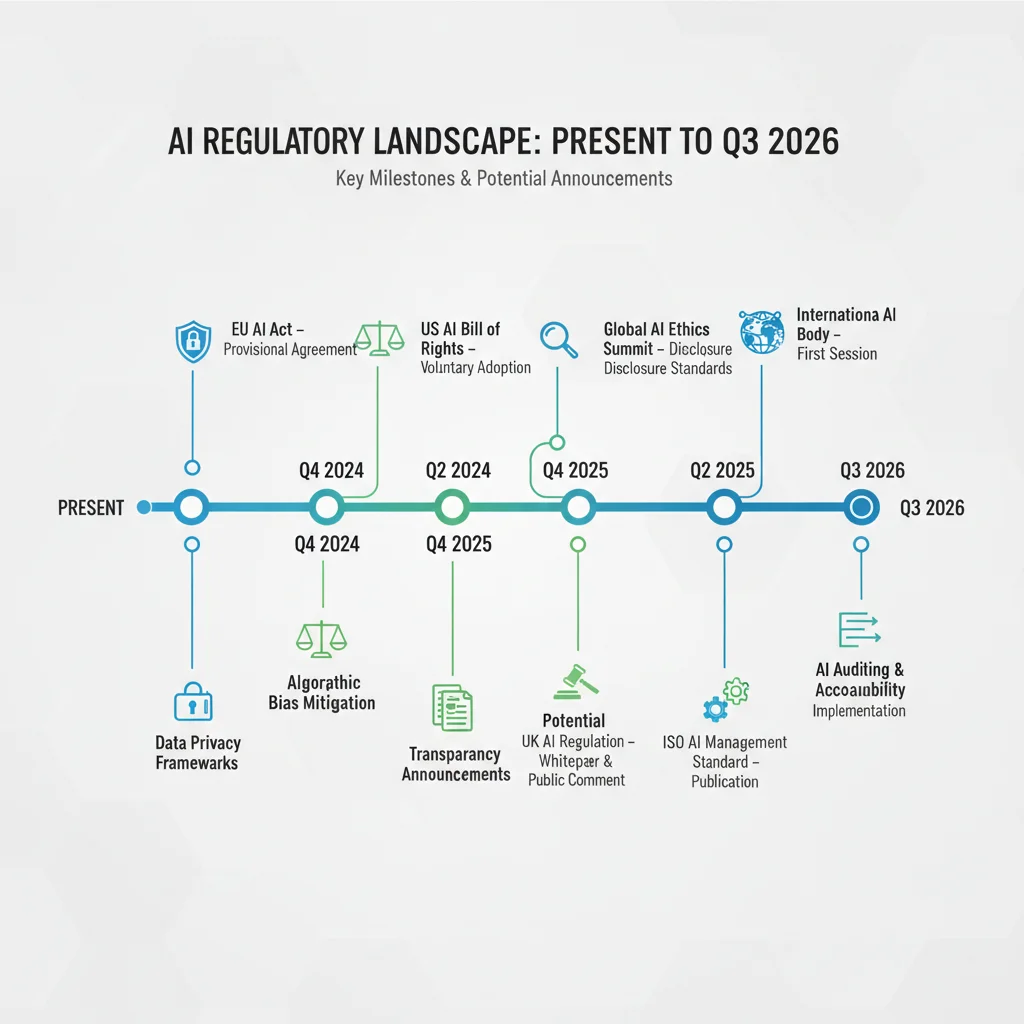
For years, the approach to AI regulation in the US has been somewhat fragmented, with various agencies addressing specific aspects of AI within their existing mandates. However, the increasing ubiquity and complexity of AI technologies have necessitated a more coordinated and comprehensive strategy. The Biden administration, through executive orders and various agency initiatives, has signaled a clear intent to establish robust guardrails for AI, focusing on areas such as safety, security, privacy, and algorithmic fairness. These efforts are expected to culminate in more concrete legislative and regulatory actions in the coming years, with Q3 2026 serving as a critical benchmark for several key developments.
The core challenge lies in balancing innovation with protection. Regulators aim to foster an environment where AI can thrive and deliver its immense benefits, while simultaneously preventing potential harms such as discrimination, privacy breaches, and systemic risks. This delicate balance is at the heart of the anticipated AI ethics regulations. For businesses, this means moving beyond a purely technical focus to integrate ethical considerations and legal compliance as fundamental pillars of their AI strategy.
Why Proactive Engagement with AI Ethics Regulations is Crucial
Ignoring the impending regulatory shifts is a perilous path. Non-compliance can lead to substantial fines, reputational damage, and even restrictions on operations. More importantly, a reactive approach often results in costly retrofitting of systems, hindering agility and slowing down market entry. Conversely, organizations that proactively embed AI ethics regulations into their development processes stand to gain a significant competitive advantage. They can build more robust, trustworthy AI systems, attract top talent, and differentiate themselves in a market increasingly sensitive to ethical concerns.
Moreover, early engagement allows organizations to contribute to the shaping of future regulations, influencing policy in a way that aligns with both innovation and responsible development. This involves participating in industry forums, providing feedback on proposed rules, and demonstrating a commitment to ethical AI practices. Such engagement can help ensure that regulations are practical, effective, and conducive to a healthy AI ecosystem.
Key Regulatory Change 1: Comprehensive Data Privacy and AI Usage Legislation
One of the most anticipated and impactful regulatory changes is the emergence of comprehensive federal data privacy legislation that explicitly addresses AI’s role in data processing. While the US currently lacks a federal equivalent to Europe’s GDPR, states like California (with CCPA/CPRA) have set precedents. The federal government is under increasing pressure to establish a unified framework that protects consumer data while clarifying how AI systems can collect, process, and utilize personal information.
Expected by Q3 2026, this legislation is likely to go beyond traditional data privacy concerns, specifically targeting how AI algorithms handle sensitive data, make inferences about individuals, and potentially lead to discriminatory outcomes. Key aspects are expected to include:
- Enhanced Consent Requirements: Stricter rules around obtaining informed consent for data collection, especially when AI is involved in processing or inferring new data points.
- Data Minimization Principles: Mandates for AI systems to only collect and retain data that is strictly necessary for their intended purpose, reducing the risk of misuse.
- Data Portability and Erasure Rights: Empowering individuals with greater control over their data, including the right to access, correct, and delete data processed by AI systems.
- Transparency in AI Data Practices: Requirements for organizations to clearly communicate how AI uses personal data, including the types of data collected, the purpose of processing, and any automated decision-making processes.
- Specific Protections for Sensitive Data: Stricter rules for AI systems handling biometric data, health information, and other sensitive categories.
Implications for AI Development
This shift will profoundly impact AI development. Developers and data scientists will need to:
- Re-evaluate Data Acquisition Strategies: Implement robust consent mechanisms and ensure all data used for training AI models is acquired legally and ethically.
- Design Privacy-Preserving AI: Explore and implement techniques like federated learning, differential privacy, and homomorphic encryption to build AI models that protect user privacy by design.
- Strengthen Data Governance: Establish comprehensive data governance frameworks that track data lineage, ensure data quality, and enforce data retention policies.
- Conduct Privacy Impact Assessments (PIAs): Regularly assess the privacy risks associated with AI systems throughout their lifecycle, from design to deployment.
Compliance with these AI ethics regulations will require a deep understanding of data flows within AI systems and a commitment to integrating privacy-by-design principles from the outset. Organizations that fail to adapt risk significant legal penalties and a loss of consumer trust.
Key Regulatory Change 2: Algorithmic Accountability and Bias Mitigation Standards
The second critical area of regulatory focus revolves around algorithmic accountability and the imperative to mitigate bias in AI systems. Concerns about AI perpetuating or even amplifying societal biases, leading to unfair or discriminatory outcomes in areas like credit scoring, employment, and criminal justice, have reached a fever pitch. By Q3 2026, expect to see federal mandates that compel organizations to actively identify, assess, and mitigate algorithmic bias.
This regulatory push is likely to draw inspiration from existing guidelines and frameworks, such as the NIST AI Risk Management Framework, and could include:
- Mandatory Bias Audits: Requirements for regular, independent audits of AI systems to detect and quantify algorithmic bias, particularly in high-stakes applications.
- Transparency in Algorithmic Decision-Making: Demands for greater explainability and interpretability of AI models, especially those used for critical decisions affecting individuals. This will involve documenting model architecture, training data, and decision logic.
- Impact Assessments for AI Systems: Similar to PIAs, organizations may be required to conduct AI impact assessments (AIIAs) to evaluate the potential societal and ethical consequences of their AI systems.
- Fairness Metrics and Reporting: The establishment of standardized metrics for measuring algorithmic fairness and requirements for organizations to report on these metrics.
- Remediation Mechanisms: Requirements to establish clear processes for individuals to challenge decisions made by AI systems and seek redress for unfair outcomes.
Implications for AI Development
Addressing algorithmic accountability and bias mitigation will necessitate a fundamental shift in how AI models are designed, developed, and deployed. Key implications for AI teams include:
- Diversifying Training Data: Actively seeking out and incorporating diverse and representative datasets to reduce inherent biases. This often means going beyond readily available data.
- Implementing Fairness-Aware AI Techniques: Adopting advanced machine learning techniques specifically designed to detect and mitigate bias during model training and inference.
- Developing Explainable AI (XAI) Capabilities: Integrating XAI tools and methodologies to understand how AI models arrive at their decisions, making them more transparent to both developers and end-users.
- Establishing Ethical AI Review Boards: Creating internal or external bodies responsible for reviewing AI projects from an ethical standpoint, ensuring compliance with bias mitigation standards.
- Continuous Monitoring for Bias: Deploying systems for ongoing monitoring of AI models in production to detect and address emergent biases that may arise from changes in data distribution or model degradation.
Navigating these AI ethics regulations will require a multidisciplinary approach, involving not only technical experts but also ethicists, sociologists, and legal professionals to ensure that AI systems are not only effective but also fair and equitable.

Key Regulatory Change 3: Sector-Specific AI Safety and Risk Management Standards
While the previous two areas focus on broad principles, the third critical regulatory change expected by Q3 2026 involves the development of sector-specific AI safety and risk management standards. Recognizing that the risks and ethical considerations of AI vary significantly across industries, federal agencies are likely to issue tailored guidelines for high-stakes sectors such as healthcare, finance, transportation, and critical infrastructure.
This approach acknowledges that a ‘one-size-fits-all’ regulation might stifle innovation in some areas while being insufficient in others. Examples of potential sector-specific regulations include:
- Healthcare AI: Stricter requirements for clinical validation, data provenance, and explainability for AI systems used in diagnostics, treatment recommendations, and drug discovery.
- Financial Services AI: Enhanced scrutiny of AI models used for credit scoring, fraud detection, and investment advice to prevent discrimination and ensure market stability.
- Autonomous Systems (Transportation): Rigorous testing, certification, and liability frameworks for AI-powered autonomous vehicles and drones, focusing on safety and reliability.
- Critical Infrastructure AI: Cybersecurity standards and resilience requirements for AI systems managing power grids, water supplies, and communication networks to prevent malicious attacks or system failures.
Implications for AI Development
For organizations operating in these high-risk sectors, the implications are substantial:
- Deepening Industry-Specific Expertise: AI development teams will need to not only understand general AI ethics regulations but also become intimately familiar with the specific regulatory landscape of their respective industries.
- Adopting Robust Risk Management Frameworks: Implementing comprehensive AI risk management frameworks that identify, assess, mitigate, and monitor risks unique to their sector. This includes operational, safety, security, and ethical risks.
- Certification and Validation Processes: Preparing for potential mandatory certification or validation processes for AI systems before deployment, especially in areas with direct public safety implications.
- Enhanced Incident Response Planning: Developing detailed incident response plans for AI failures, security breaches, or ethical missteps, tailored to sector-specific vulnerabilities.
- Collaboration with Regulators: Engaging proactively with relevant sector-specific regulatory bodies to understand emerging requirements and demonstrate commitment to safe and ethical AI deployment.
The specificity of these regulations means that organizations cannot simply rely on generic compliance strategies. A targeted and sector-aware approach to AI ethics regulations will be essential for success.
Practical Strategies for Navigating the New Regulatory Landscape
As the US moves towards a more structured regulatory environment for AI, organizations must adopt proactive and comprehensive strategies to ensure compliance and maintain their competitive edge. Here are actionable steps to prepare for the anticipated changes by Q3 2026:
1. Establish an AI Ethics and Governance Framework
The foundation of preparedness is a robust internal AI ethics and governance framework. This framework should define your organization’s ethical principles for AI, outline clear roles and responsibilities for AI development and deployment, and establish processes for ethical review and risk management. It should encompass:
- Ethical Principles: Clearly articulated values (e.g., fairness, transparency, accountability, privacy, safety) that guide all AI initiatives.
- Governance Structure: An internal committee or designated roles responsible for overseeing AI ethics, compliance, and risk.
- Policy Development: Internal policies and guidelines for data usage, model development, bias mitigation, explainability, and incident response.
- Training and Awareness: Regular training for all employees involved in AI on ethical considerations, regulatory requirements, and internal policies.
This framework acts as your organization’s internal compass for navigating the complex terrain of AI ethics regulations.
2. Implement AI Risk Management and Impact Assessment Protocols
Proactive risk identification and mitigation are paramount. Integrate AI risk management into your existing enterprise risk management framework. This involves:
- AI Impact Assessments (AIIAs): Conduct regular assessments for all new and significant AI projects to identify potential ethical, societal, legal, and operational risks.
- Privacy Impact Assessments (PIAs): Specifically evaluate the privacy implications of AI systems, especially concerning data collection, storage, and processing.
- Bias Audits: Systematically audit AI models for bias, both before deployment and on an ongoing basis, using established fairness metrics and diverse test datasets.
- Security Vulnerability Assessments: Conduct thorough security assessments to protect AI systems from adversarial attacks, data poisoning, and other cyber threats.
- Documentation and Record-Keeping: Maintain meticulous records of AI development processes, data sources, model validation, risk assessments, and mitigation strategies. This will be crucial for demonstrating compliance with future AI ethics regulations.
3. Foster a Culture of Responsible AI
Technology alone cannot solve ethical challenges. A culture of responsible AI, where ethical considerations are ingrained in every stage of the AI lifecycle, is vital. This includes:
- Interdisciplinary Collaboration: Encourage collaboration between AI developers, legal experts, ethicists, and business stakeholders.
- Ethical by Design: Promote the principle of ‘ethics by design,’ where ethical considerations are integrated from the initial conceptualization of an AI product or service.
- Transparency and Explainability: Prioritize building AI systems that are transparent in their operation and explainable in their decision-making, where appropriate.
- Continuous Learning and Adaptation: Stay informed about evolving ethical norms, best practices, and regulatory developments. The field of AI ethics regulations is dynamic, and continuous learning is key.
4. Invest in Tools and Technologies for AI Governance
Manual processes for managing AI ethics and compliance can be cumbersome and error-prone. Invest in specialized tools and platforms that can assist with:
- Data Lineage and Governance: Tools to track the origin, transformations, and usage of data within AI systems.
- Bias Detection and Mitigation: Software solutions that help identify and address algorithmic bias in training data and models.
- Explainable AI (XAI) Platforms: Tools that provide insights into model decisions, making them more interpretable.
- Compliance Management Systems: Platforms to manage regulatory requirements, track compliance activities, and generate audit trails.
- Continuous Monitoring: Solutions for real-time monitoring of AI model performance, fairness, and security in production environments.
These tools can significantly streamline compliance efforts and provide the necessary evidence for regulatory scrutiny concerning AI ethics regulations.
5. Engage with Policy Makers and Industry Groups
Don’t be a passive observer. Proactively engage with relevant government agencies, industry associations, and academic institutions. This can involve:
- Participating in Public Consultations: Providing feedback on proposed regulations and guidelines.
- Joining Industry Consortia: Collaborating with peers to develop industry best practices and standards for ethical AI.
- Advocacy: Representing your organization’s perspective on AI policy to help shape regulations that are both effective and practical.
Active participation ensures your organization’s voice is heard and helps to create a regulatory environment that supports responsible innovation in AI ethics regulations.
Conclusion: The Future of Responsible AI in the US
The period leading up to Q3 2026 will be pivotal for AI development in the United States. The anticipated comprehensive data privacy legislation, algorithmic accountability standards, and sector-specific safety protocols will collectively redefine the operational landscape for organizations leveraging AI. These aren’t merely hurdles to overcome; they represent an opportunity to build a more trustworthy, equitable, and sustainable AI ecosystem.
By prioritizing AI ethics regulations and embedding ethical considerations into every layer of AI development, organizations can not only ensure compliance but also unlock new avenues for innovation, build stronger customer relationships, and contribute positively to society. The future of AI is not just about what technology can do, but what it should do. Proactive engagement with ethical principles and impending regulations is the key to thriving in this new era of responsible AI.
The journey towards fully regulated AI is complex and ongoing. However, by understanding these three pressing regulatory changes and implementing the strategies outlined above, businesses can position themselves as leaders in ethical AI, ready to meet the challenges and opportunities of the coming years. The time to act is now, preparing your organization for the future of AI ethics regulations in the US.