Neural Interfaces 2026: Ethical & Practical Tech Considerations
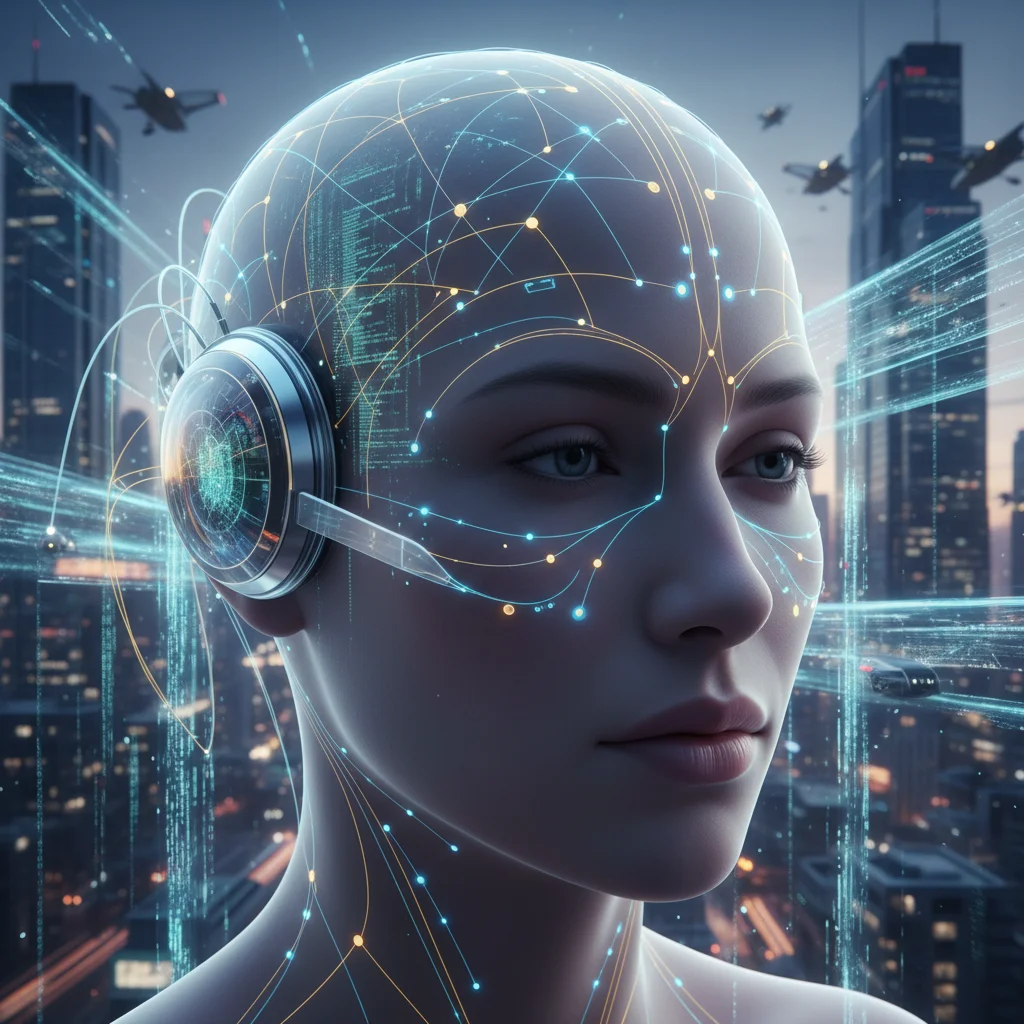
The dawn of neural interfaces 2026 is not merely a scientific curiosity; it’s a rapidly approaching reality poised to redefine human-computer interaction. As we stand on the cusp of this technological revolution, particularly within the dynamic landscape of US tech, it becomes imperative to engage in a thorough examination of the ethical and practical considerations that will shape its trajectory. From enhancing human capabilities to revolutionizing healthcare, the potential of neural interfaces is immense. However, with great power comes great responsibility, and the societal implications demand careful foresight and proactive policy-making. This article delves into the multifaceted challenges and opportunities presented by neural interfaces as we look towards 2026 and beyond.
Understanding Neural Interfaces: A Brief Overview
Before we delve into the intricacies of neural interfaces 2026, it’s crucial to establish a foundational understanding of what these technologies entail. Neural interfaces, often referred to as Brain-Computer Interfaces (BCIs) or Brain-Machine Interfaces (BMIs), are systems that establish a direct communication pathway between the brain and an external device. This direct connection bypasses traditional motor pathways, allowing individuals to control computers, prosthetic limbs, or even communicate directly through thought. The technology can be broadly categorized into invasive, non-invasive, and partially invasive methods, each presenting its own set of advantages and challenges.
Invasive BCIs, such as those developed by companies like Neuralink, involve surgically implanting electrodes directly into the brain. These offer the highest signal resolution and bandwidth, making them suitable for complex applications like restoring motor function in paralyzed individuals or enhancing sensory perception. Non-invasive BCIs, on the other hand, utilize external sensors like EEG (electroencephalography) caps to detect brain activity. While less precise, they are safer and more accessible, finding applications in areas like gaming, meditation, and basic communication. Partially invasive methods, like electrocorticography (ECoG), lie somewhere in between, offering a balance of signal quality and reduced invasiveness.
The rapid advancements in neuroscience, materials science, and artificial intelligence are accelerating the development and refinement of these technologies. Miniaturization of electrodes, improved signal processing algorithms, and machine learning techniques are pushing the boundaries of what’s possible, bringing the widespread adoption of neural interfaces 2026 closer to reality than ever before. This technological leap, however, necessitates a parallel leap in our ethical and practical preparedness.
The Ethical Minefield: Navigating Privacy and Autonomy in Neural Interfaces 2026
The profound ability of neural interfaces to access and interpret brain activity raises a myriad of ethical concerns, with privacy and autonomy at the forefront. As we consider the landscape of neural interfaces 2026, the implications for personal data are staggering. Unlike traditional digital data, brain data – often referred to as ‘neurodata’ – offers an unprecedented window into an individual’s thoughts, intentions, emotions, and even memories. The sheer sensitivity of this information demands a robust framework of protection.
Data Privacy: Beyond HIPAA
Current data protection regulations, such as HIPAA in the US, were not designed with neurodata in mind. The unique nature of brain activity, with its potential to reveal highly personal and even pre-conscious information, necessitates new legal and ethical considerations. Who owns this data? How will it be stored, accessed, and shared? What are the mechanisms for consent, especially when brain activity might be interpreted in ways the user didn’t explicitly intend or understand? The potential for misuse, from targeted advertising based on cognitive states to predictive policing based on neurological patterns, is a chilling prospect that must be addressed proactively before neural interfaces 2026 become commonplace.
Cognitive Liberty and Mental Autonomy
Beyond data privacy, the concept of cognitive liberty – the right to mental self-determination – becomes paramount. If neural interfaces can influence or be influenced by external systems, questions arise about an individual’s mental autonomy. Could BCIs be used for coercive purposes, subtly nudging thoughts or behaviors? How do we ensure that individuals retain full control over their mental processes, free from unauthorized interference or manipulation? The line between enhancement and alteration, and between personal thought and external suggestion, could become dangerously blurred. Establishing clear ethical guidelines and legal safeguards to protect mental autonomy will be a critical task for policymakers and tech developers alike as we approach neural interfaces 2026.
Bias and Discrimination
Another significant ethical concern revolves around bias and discrimination. If neural interfaces are developed primarily for specific demographics or cognitive profiles, they could exacerbate existing societal inequalities. Furthermore, the algorithms used to interpret brain data could inadvertently embed biases, leading to discriminatory outcomes in areas like employment, healthcare, or even legal judgments. Ensuring equitable development and access, along with rigorous auditing of AI algorithms for bias, will be essential to prevent the creation of a neuro-apartheid in the era of neural interfaces 2026.
Practical Hurdles: Security, Accessibility, and Regulation for Neural Interfaces 2026
While the ethical considerations are profound, the practical challenges associated with the widespread adoption of neural interfaces 2026 are equally daunting. From ensuring robust cybersecurity to guaranteeing equitable access and establishing a clear regulatory framework, these practical hurdles will dictate the pace and nature of their integration into society.
Cybersecurity: Protecting the Mind’s Frontier
The prospect of brain data being hacked or compromised is a chilling one. Unlike a stolen credit card number, a breach of neurodata could expose an individual’s deepest thoughts, compromise their cognitive functions, or even allow for malicious manipulation. As neural interfaces 2026 advance, the cybersecurity implications become immensely complex. The direct connection to the brain makes these devices uniquely vulnerable. What happens if a BCI controlling a prosthetic limb is hacked, leading to unintended movements? What if malware infects a neural interface designed for communication, broadcasting private thoughts or injecting false information?
Developers must prioritize ‘neurolayer’ security from the ground up, implementing state-of-the-art encryption, secure boot processes, and continuous vulnerability assessments. Regulatory bodies will need to establish stringent security standards specifically tailored for neural interface technology, potentially including mandatory penetration testing and independent security audits. The cybersecurity landscape for neural interfaces 2026 will require a paradigm shift in thinking, moving beyond traditional data protection to safeguarding the very essence of human consciousness.

Accessibility and Equity: Bridging the Neuro-Divide
Just as with any transformative technology, ensuring equitable access to neural interfaces 2026 is a critical practical challenge. If these devices become expensive or solely available to a privileged few, they risk exacerbating existing social and economic divides. The benefits, particularly in therapeutic applications for individuals with disabilities, are too significant to be limited by economic status.
Governments and healthcare systems will need to consider subsidies, insurance coverage, and public funding to make neural interfaces accessible to all who could benefit. Furthermore, the development process itself must be inclusive, involving diverse user groups to ensure that interfaces are designed to meet a broad range of needs and abilities. Addressing the ‘neuro-divide’ will be a key practical and ethical imperative for neural interfaces 2026.
Regulatory Frameworks: A Global Imperative
The rapid pace of innovation in neural interfaces often outstrips the ability of existing legal and regulatory frameworks to keep pace. As neural interfaces 2026 become more sophisticated, there will be an urgent need for comprehensive regulation. This includes:
- Clear Definitions: Establishing what constitutes ‘neurodata’ and how it differs from other forms of personal information.
- Consent Mechanisms: Developing robust and understandable consent processes for the collection, use, and sharing of neurodata, especially given its sensitive nature.
- Safety Standards: Implementing rigorous safety protocols for invasive and non-invasive devices, including long-term health impacts and potential side effects.
- Liability: Defining liability in cases of malfunction, hacking, or unintended consequences arising from neural interface use.
- International Cooperation: Given the global nature of technology and data, international collaboration will be crucial to establish harmonized standards and prevent regulatory arbitrage.
Without clear and adaptive regulatory frameworks, the potential for exploitation, harm, and public mistrust in neural interfaces 2026 could significantly hinder their beneficial adoption.
The Promise of Neural Interfaces 2026: Beyond the Challenges
Despite the significant ethical and practical hurdles, the promise of neural interfaces 2026 remains incredibly compelling. These technologies hold the key to revolutionizing numerous aspects of human life, offering unprecedented opportunities for advancement in healthcare, communication, and even personal development.
Revolutionizing Healthcare and Rehabilitation
Perhaps the most immediate and impactful applications of neural interfaces are in the medical field. For individuals suffering from severe neurological conditions such as paralysis, ALS, or locked-in syndrome, BCIs offer a lifeline. They can restore communication, enable control over prosthetic limbs, and even facilitate direct interaction with environmental controls, dramatically improving quality of life. By 2026, we can expect to see more refined and widely available neural interfaces for these therapeutic purposes, moving from experimental stages to established clinical treatments. The ability to bypass damaged neural pathways and directly interface with the brain represents a profound leap in rehabilitative medicine.
Beyond motor control, neural interfaces are also showing promise in treating mental health conditions. Devices that can monitor and modulate brain activity might offer new avenues for managing depression, anxiety, PTSD, and even addiction, potentially providing more targeted and effective interventions than traditional pharmacological approaches. The diagnostic capabilities too could be enhanced, allowing for earlier detection and more precise monitoring of neurological disorders.
Augmenting Human Capabilities
While therapeutic applications are paramount, the future of neural interfaces 2026 also points towards augmentation. Imagine individuals controlling complex machinery with their thoughts, experiencing enhanced sensory perception, or even communicating telepathically through a neural network. While these applications are further down the line, the foundational technology being developed today for medical purposes could eventually pave the way for cognitive enhancements for the general population. This raises further ethical questions about what it means to be human and the potential for a ‘superhuman’ class, but the sheer potential for innovation is undeniable.
For example, in high-precision fields like surgery or complex engineering, neural interfaces could allow operators to interact with tools and simulations with unparalleled speed and accuracy. In creative industries, artists and designers might be able to translate their thoughts and visions directly into digital creations, bypassing traditional input methods and accelerating the creative process. The implications for productivity and innovation are vast.
New Forms of Communication and Interaction
The way we communicate is constantly evolving, and neural interfaces 2026 could represent the next major leap. Direct brain-to-brain communication, while still largely theoretical, could reshape how humans interact, removing linguistic barriers and enabling a more direct exchange of thoughts and emotions. More immediately, BCIs could offer entirely new ways to interact with digital environments, creating immersive virtual reality experiences that are controlled by thought alone, or allowing for hands-free, intuitive control of complex computing systems.
This could have profound implications for remote work, education, and entertainment, creating more seamless and engaging experiences. The potential for individuals with severe communication impairments to express themselves freely and naturally through neural interfaces is particularly inspiring, offering a voice to those who have been silenced by illness or injury.

The Path Forward: Collaboration and Proactive Governance
Realizing the full potential of neural interfaces 2026 while mitigating their risks will require a concerted and collaborative effort from multiple stakeholders. It’s not enough for scientists to innovate; policymakers, ethicists, legal experts, and the public must be actively engaged in shaping the future of this technology.
Interdisciplinary Research and Development
The complexity of neural interfaces demands interdisciplinary research. Neuroscientists, engineers, computer scientists, ethicists, sociologists, and legal scholars must work together to understand not only how these devices function but also how they will integrate into and impact society. This collaborative approach can help identify potential problems early on and design solutions that are both technologically sound and ethically robust.
Public Engagement and Education
Public understanding and trust are paramount. Open and transparent dialogue about the benefits, risks, and implications of neural interfaces 2026 is essential. Educational initiatives can help demystify the technology, address misconceptions, and foster informed public discourse. Engaging diverse communities in these conversations will ensure that the development of neural interfaces reflects societal values and needs, rather than being driven solely by technological possibility.
Adaptive Governance and Policy
Given the rapid evolution of this field, rigid, static policies will quickly become obsolete. Instead, we need adaptive governance models that can evolve alongside the technology. This might involve regulatory sandboxes for testing new devices, continuously updated ethical guidelines, and international cooperation to establish harmonized standards. Proactive policy-making, rather than reactive measures, will be crucial to guide the responsible development and deployment of neural interfaces 2026.
The US tech industry, with its innovative spirit and global influence, has a particular responsibility to lead in this space. By prioritizing ethical design, security by design, and inclusive development practices, US companies can set a global standard for responsible innovation in neural interfaces.
Conclusion: Shaping the Future of Neural Interfaces 2026
The landscape of neural interfaces 2026 presents both exhilarating possibilities and profound challenges. As these technologies move from the realm of science fiction to tangible reality, the decisions we make today will fundamentally shape their impact on humanity. The ethical considerations surrounding privacy, autonomy, and bias are not mere philosophical debates; they are urgent practical matters that demand robust solutions. Similarly, the practical hurdles of cybersecurity, accessibility, and regulatory oversight require immediate and sustained attention.
The potential rewards – revolutionizing medicine, enhancing human capabilities, and forging new forms of communication – are too significant to ignore. However, these rewards can only be fully realized if we approach the development and deployment of neural interfaces with caution, foresight, and a deep commitment to human well-being. By fostering interdisciplinary collaboration, engaging the public, and implementing adaptive governance, we can navigate the complexities of neural interfaces 2026 and ensure that this transformative technology serves to uplift and empower all of humanity, rather than create new divides or compromise our fundamental rights. The future of human-computer interaction is being written now, and it is a narrative we must all contribute to thoughtfully and responsibly.