Gaming Gear Update 2026: The 3 Ergonomic Peripherals Every Serious US Gamer Needs for a 10% Performance Boost

Gaming Gear Update 2026: The 3 Ergonomic Peripherals Every Serious US Gamer Needs for a 10% Performance Boost
The year is 2026, and the landscape of competitive gaming has evolved dramatically. While raw skill and internet speed remain crucial, a new frontier in performance enhancement has emerged: ergonomics. For serious US gamers, simply having powerful hardware isn’t enough; prolonged sessions demand gear that not only performs flawlessly but also protects your body from strain and injury. This isn’t just about comfort; it’s about sustained peak performance. Studies indicate that optimizing your setup with the right ergonomic gaming peripherals can lead to a tangible 10% performance boost, reducing fatigue, improving reaction times, and extending your competitive lifespan.
In this comprehensive guide, we’ll dive deep into the three most critical ergonomic gaming peripherals every serious US gamer needs to consider for their 2026 setup: the keyboard, the mouse, and the headset. We’ll explore the latest innovations, what to look for, and how these advancements translate into a measurable advantage in your favorite titles. Forget generic gear; it’s time to invest in your health and your climb to the top of the leaderboards.
The Ergonomic Gaming Keyboard: Typing to Victory, Pain-Free
Your keyboard is the primary interface for countless commands, movements, and actions in any game. Traditional flat keyboards, while functional, can lead to significant wrist strain, carpal tunnel syndrome, and overall discomfort during extended gaming sessions. The solution lies in advanced ergonomic gaming keyboards designed to align with the natural posture of your hands and wrists.
Key Features of a 2026 Ergonomic Gaming Keyboard:
- Split or Contoured Designs: The most significant advancement. Split keyboards allow you to position each half independently, reducing ulnar deviation (wrist bending outwards). Contoured designs often feature a gentle curve or tenting to keep your wrists in a more neutral, handshake-like position. These designs are crucial for long-term health and maintaining speed.
- Adjustable Tenting and Negative Tilt: Beyond just splitting, the ability to adjust the angle (tenting) of each keyboard half upwards from the center, and to introduce a negative tilt (where the front edge is higher than the back), further optimizes wrist alignment. This prevents pronation and keeps your forearms in a more natural position.
- Integrated or Detachable Palm Rests: A good palm rest supports your wrists, keeping them elevated and straight. In 2026, look for gel-filled, memory foam, or magnetic detachable options that offer customizable support and can be easily cleaned. The material and density are paramount for sustained comfort.
- Low-Profile Mechanical Switches: While mechanical switches are a gamer’s staple, low-profile variants offer a shorter actuation distance and travel, reducing the finger effort required for each keypress. This translates to faster inputs and less cumulative strain over hours of play. Optical switches are also gaining traction for their incredible speed and durability, further contributing to a responsive yet comfortable experience.
- Customizable Key Mapping and Macros: While not strictly ergonomic, the ability to remap keys and create complex macros reduces repetitive strain by consolidating multiple actions into single presses. This streamlines gameplay and minimizes unnecessary hand movements, a key aspect of efficient ergonomic gaming peripherals.
- Haptic Feedback and Adaptive Lighting: Advanced haptic feedback can provide tactile cues without requiring full key presses, reducing physical exertion. Adaptive RGB lighting can also serve a functional purpose, highlighting critical keys based on in-game context, guiding your fingers and reducing errors.
Investing in a high-quality ergonomic keyboard in 2026 isn’t just about preventing injury; it’s about unlocking your full potential. Imagine fluid movements, precise spell casting, and rapid-fire actions, all executed with minimal strain. This directly contributes to that 10% performance boost, as you can maintain focus and speed for longer without succumbing to fatigue or discomfort.
The Precision Ergonomic Gaming Mouse: An Extension of Your Hand
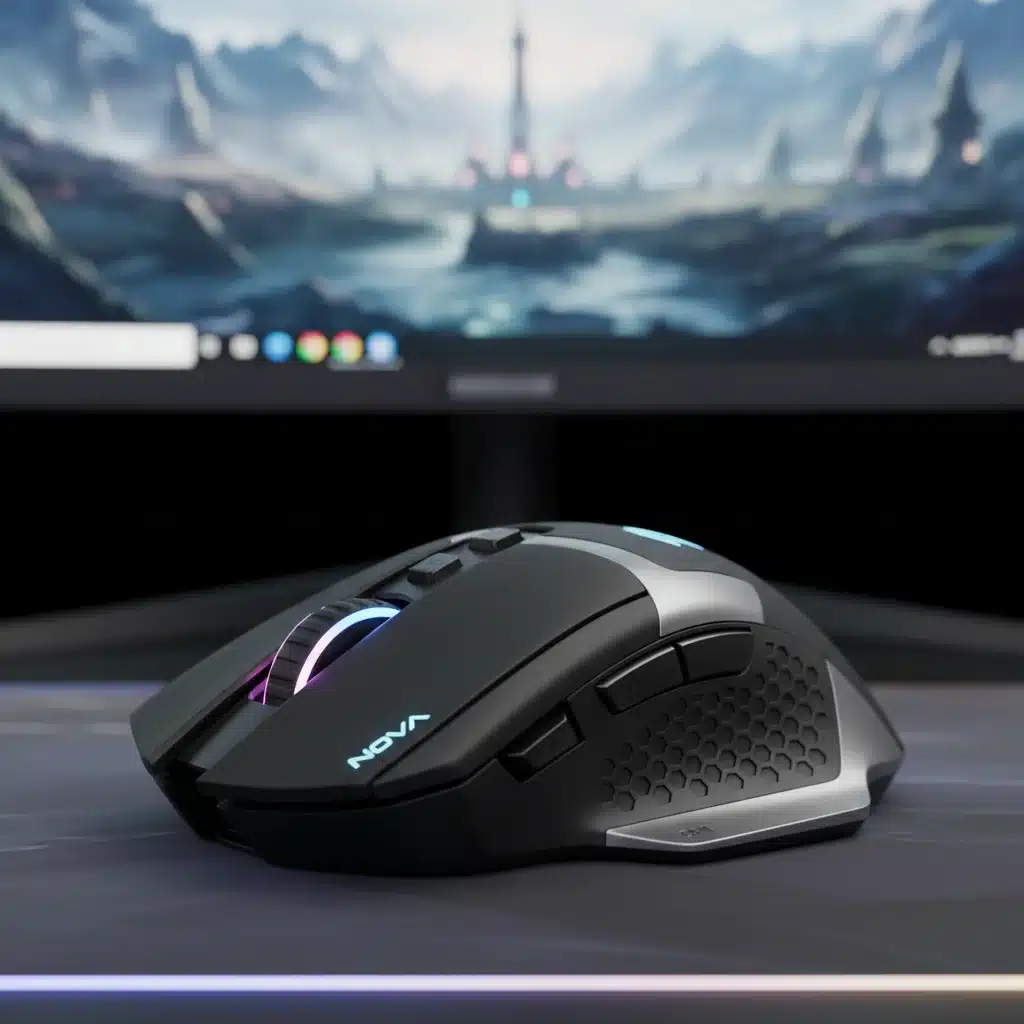
The mouse is your aiming device, your navigation tool, and often the source of ‘gamer’s thumb’ or wrist pain. An ill-fitting mouse can lead to poor aim, inconsistent tracking, and chronic pain. The evolution of the ergonomic gaming mouse in 2026 focuses on natural grip, weight distribution, and precise sensor technology to create a seamless extension of your arm.
Essential Features for a 2026 Ergonomic Gaming Mouse:
- Vertical or Angled Designs: Traditional mice force your forearm into pronation, twisting your wrist. Vertical mice or those with a significant tilt (e.g., 45-60 degrees) allow your hand to rest in a more natural, handshake-like position, significantly reducing forearm and wrist strain. This is a game-changer for long gaming sessions.
- Customizable Grip and Size: No two hands are alike. The best ergonomic mice in 2026 offer modular components, adjustable palm rests, or swappable side grips to perfectly fit your hand size and preferred grip style (palm, claw, fingertip). This personalized fit is paramount for comfort and control.
- Lightweight and Balanced Construction: A lighter mouse requires less effort to move, reducing fatigue. However, balance is equally important. Even weight distribution prevents awkward shifts in grip and ensures consistent tracking. Materials like magnesium alloy or advanced plastics contribute to both lightness and durability.
- High-Precision Optical Sensors with Adjustable DPI: While not strictly ergonomic, a top-tier sensor is non-negotiable for gaming performance. Look for sensors with high CPI/DPI ranges (e.g., 20,000+), excellent tracking speed, and minimal lift-off distance. The ability to adjust DPI on-the-fly allows you to fine-tune sensitivity to game situations, reducing large, strenuous arm movements.
- Tactile Scroll Wheels and Programmable Buttons: A scroll wheel with distinct tactile steps prevents accidental scrolls and provides precise control. Strategically placed, easily accessible programmable buttons reduce the need for awkward finger stretches or repeated keyboard commands, keeping your hand relaxed and focused on aiming.
- Low-Latency Wireless Connectivity: Wireless technology has advanced to the point where latency is negligible. A low-latency wireless mouse (e.g., sub-1ms) offers freedom of movement without cable drag, which contributes to a more natural and less restrictive ergonomic experience. Magnetic charging docks or long-lasting batteries are also key.
A well-chosen ergonomic gaming mouse can dramatically improve your aim and reduce the risk of repetitive strain injuries. The enhanced control and comfort mean you can react faster, track targets more smoothly, and maintain peak performance throughout marathon gaming sessions. This is where a significant portion of that 10% performance boost comes from, giving you a distinct advantage over competitors still clinging to outdated gear.
The Immersive Ergonomic Gaming Headset: Sound, Comfort, and Communication
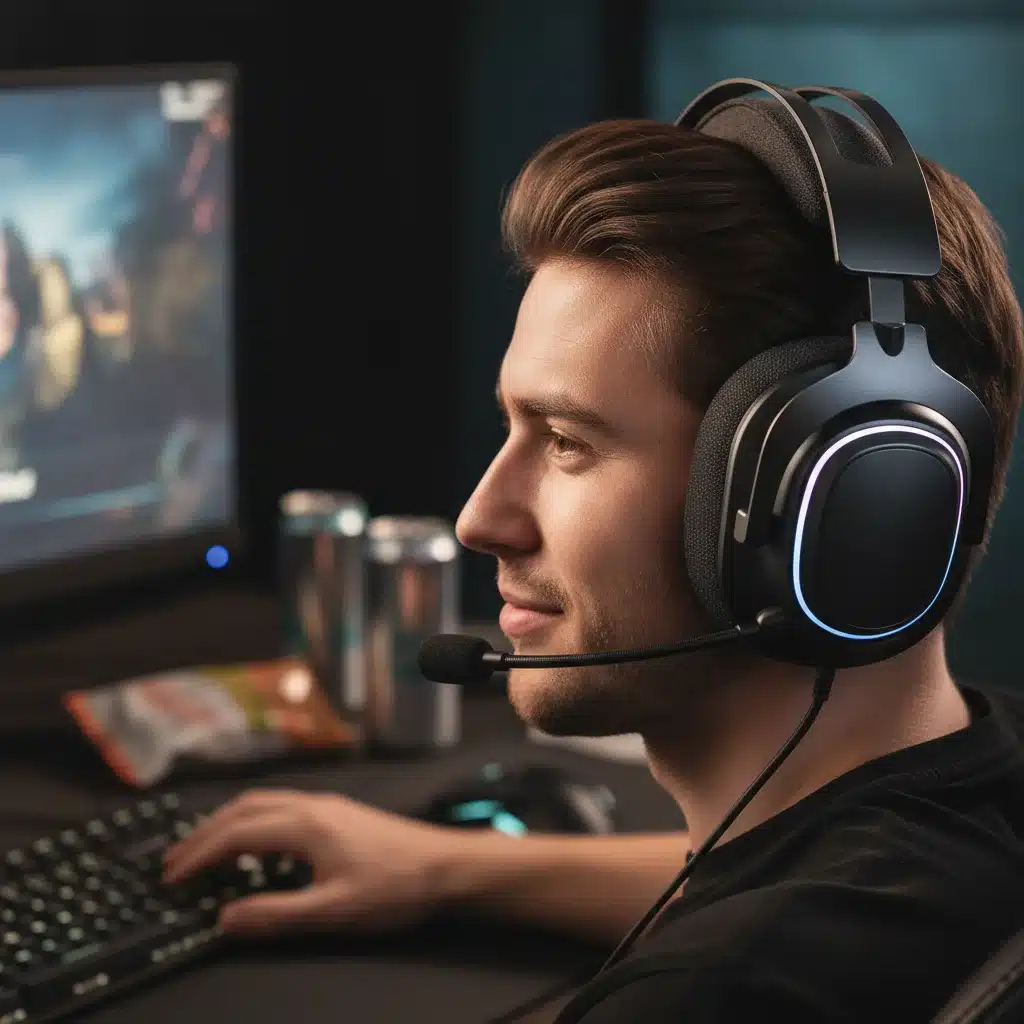
Sound is your competitive edge in many games, providing crucial spatial awareness and intel. However, heavy, ill-fitting headsets can cause headaches, ear fatigue, and neck strain, hindering your ability to focus. The 2026 ergonomic gaming headset combines superior audio quality with unparalleled comfort, ensuring you stay immersed and pain-free.
What to Look for in a 2026 Ergonomic Gaming Headset:
- Lightweight Construction with Balanced Clamping Force: The overall weight of the headset is critical. Lighter materials like aluminum or carbon fiber reduce neck strain. Equally important is the clamping force – it should be firm enough to stay put but not so tight as to cause pressure points. Adjustable headbands with suspension systems further distribute weight evenly.
- Breathable, Plush Earcups: Earcups are where comfort truly shines. Look for memory foam earcups with breathable materials like velour, mesh fabric, or cooling gel infusions. These prevent sweat buildup, distribute pressure around the ears, and ensure comfort during hours of wear. Swappable earcups for different seasons or preferences are a bonus.
- 3D Audio and Spatial Sound Technology: While not directly ergonomic, advanced spatial audio (like Dolby Atmos for Headphones or DTS Headphone:X) enhances immersion and provides pinpoint enemy location. This reduces the need to strain your ears or constantly adjust your position, contributing to a more relaxed and effective gaming posture.
- Crystal-Clear, Detachable, or Retractable Microphone: Communication is key. An ergonomic headset features a high-quality, noise-canceling microphone that delivers clear comms. The ability to detach or retract the mic when not in use prevents it from being a nuisance or getting in the way, improving overall comfort and user experience.
- Long-Lasting, Low-Latency Wireless Connectivity: Similar to mice, wireless headsets offer freedom of movement, preventing tangled cables and accidental tugs. Look for robust 2.4GHz wireless connections with minimal latency and extended battery life (20+ hours) for uninterrupted gaming.
- Intuitive On-Ear Controls: Easily accessible volume wheels, mute buttons, and chat/game mix controls on the earcups allow for quick adjustments without fumbling or breaking immersion. This minimizes awkward hand movements and keeps your focus on the game.
An ergonomic headset ensures that your auditory experience is as comfortable as it is immersive. By eliminating discomfort, you can concentrate solely on the game’s audio cues, communicate more effectively with your team, and stay in the zone for longer. This directly contributes to improved decision-making and quicker reactions, solidifying that 10% performance gain through superior sensory input and sustained comfort.
Integrating Ergonomics for a 10% Performance Boost
The synergy of these three ergonomic gaming peripherals is where the real magic happens. It’s not just about individual components; it’s about building a cohesive setup that supports your body and optimizes your interaction with the game world. When your hands, wrists, and neck are free from strain, your brain can dedicate more resources to strategy, reaction time, and precision.
Beyond Peripherals: The Ergonomic Ecosystem
While the focus is on peripherals, it’s vital to remember they are part of a larger ergonomic ecosystem. A truly optimized setup also includes:
- An Ergonomic Gaming Chair: A chair with lumbar support, adjustable armrests, and a high back is foundational. It supports good posture, which is critical for reducing strain on your back and shoulders, directly impacting your ability to use ergonomic peripherals effectively.
- Adjustable Gaming Desk: A desk that allows you to adjust its height (preferably standing/sitting) ensures your monitor is at eye level and your arms are at a 90-degree angle to your keyboard and mouse. This prevents slouching and shoulder strain.
- Monitor Placement: Your monitor should be at arm’s length, with the top of the screen at or slightly below eye level. This prevents neck craning and eye strain. Consider ultrawide or curved monitors for a more immersive, less head-turning experience.
- Regular Breaks and Stretches: Even with the best ergonomic gear, taking short breaks every hour to stretch your wrists, shoulders, and neck is crucial. Movement improves circulation and prevents muscle stiffness.
By considering these broader elements alongside your ergonomic gaming peripherals, you create an environment where your body can perform at its best, session after session. This holistic approach is what truly unlocks the full 10% performance boost, allowing you to consistently outperform your competition.
The Future is Ergonomic: Why 2026 Demands This Upgrade
The competitive gaming scene is only getting more intense. With more players, higher stakes, and longer tournaments, the physical demands on gamers are increasing. Those who prioritize their physical well-being through superior ergonomic gear will be the ones who dominate in 2026 and beyond. This isn’t a luxury; it’s a strategic necessity.
Moreover, the technology for ergonomic gaming peripherals has matured significantly. Manufacturers are no longer just adding RGB and calling it a day. They are investing heavily in biomechanical research, advanced materials, and user-centric designs. This means that the ergonomic solutions available today are more effective, more comfortable, and more aesthetically pleasing than ever before.
Think of it as an athlete investing in specialized training shoes or protective gear. A runner wouldn’t compete in ill-fitting shoes, nor would a hockey player forgo a helmet. For serious US gamers, ergonomic gaming peripherals are your essential protective and performance-enhancing equipment. They safeguard your most valuable assets – your hands, wrists, eyes, and overall physical health – ensuring you can maintain your competitive edge for years to come.
Making the Switch: Your Action Plan for 2026
- Assess Your Current Setup: Identify any discomfort points or areas of strain during your gaming sessions. This will help prioritize your ergonomic upgrades.
- Research and Compare: Look for reviews and specifications of the latest ergonomic keyboards, mice, and headsets. Pay close attention to user feedback regarding comfort and durability.
- Try Before You Buy (If Possible): If local retailers have demo units, take advantage of them. The feel of an ergonomic peripheral is highly personal.
- Gradual Transition: It might take a few days or weeks to fully adapt to new ergonomic shapes, especially with split keyboards or vertical mice. Be patient and consistent.
- Integrate Breaks and Stretches: Make physical well-being a part of your gaming routine, regardless of your gear.
By diligently adopting these ergonomic gaming peripherals and practices, you’re not just buying new gear; you’re investing in your long-term gaming career and your personal health. The performance gains are a welcome bonus, but the sustained comfort and injury prevention are invaluable.
Conclusion: Elevate Your Game, Protect Your Body
In the competitive landscape of 2026, the serious US gamer understands that marginal gains add up to significant victories. The adoption of advanced ergonomic gaming peripherals for your keyboard, mouse, and headset is no longer optional; it’s a strategic imperative. These devices, meticulously designed for comfort, efficiency, and injury prevention, are the cornerstone of sustained peak performance. By minimizing fatigue and maximizing natural body alignment, you unlock a powerful 10% performance boost that can be the difference between triumph and defeat.
Don’t let discomfort or preventable injuries cut short your gaming journey. Embrace the future of gaming gear, prioritize your health, and equip yourself with the ergonomic tools necessary to dominate the digital arenas of 2026. Your body and your leaderboard ranking will thank you.