The Dawn of a New Era: 2026 Smartwatch Health Tracking Redefined
The landscape of personal health management is undergoing a profound transformation, spearheaded by advancements in wearable technology. As we peer into 2026, the evolution of smartwatches has transcended mere timekeeping and notification delivery. Today, these sophisticated devices are powerful allies in our quest for optimal well-being, offering unparalleled insights into our physiological states. The focus has decisively shifted towards comprehensive smartwatch health tracking, promising not just data, but actionable intelligence for a healthier life.
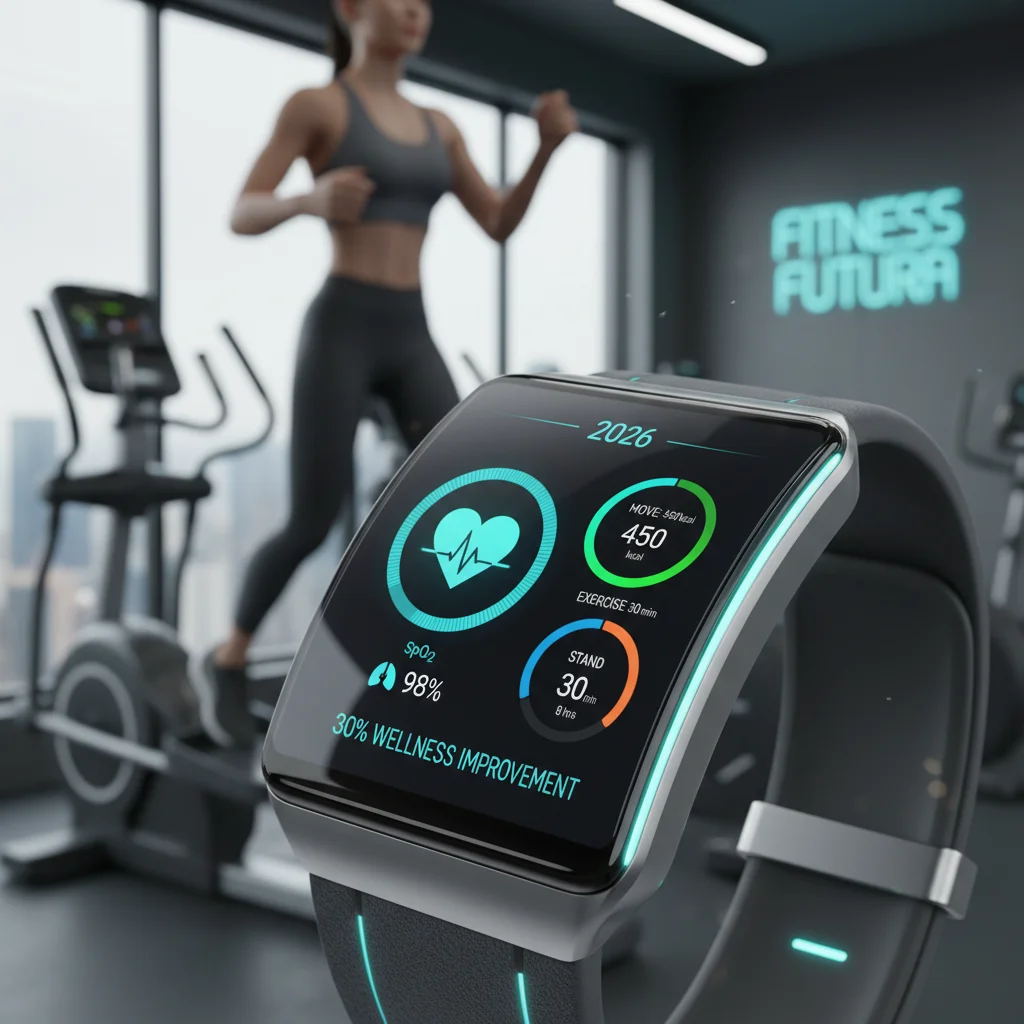
In this extensive exploration, we delve into the cutting-edge innovations defining the 2026 smartwatch market. We’ll compare the latest models, dissect their advanced health monitoring capabilities, and reveal how these technological marvels are poised to deliver a staggering 30% improvement in wellness tracking. Prepare to discover how these devices are not just tracking your health, but actively empowering you to achieve superior wellness outcomes.
The Evolution of Wearable Health: From Pedometer to Personal Physician
Remember the humble pedometer? Its primary function was to count steps, a rudimentary form of activity tracking. Fast forward to 2026, and the concept of wearable health has undergone a metamorphosis. Modern smartwatches are no longer simple step counters; they are miniature health hubs strapped to your wrist. This exponential growth in capability is driven by miniaturization, enhanced sensor technology, and sophisticated AI algorithms that interpret complex biological data. The journey from basic activity logging to real-time physiological monitoring has been swift and revolutionary, placing powerful health insights directly into the hands of consumers.
The core of this evolution lies in the integration of an array of advanced sensors. Early smartwatches offered heart rate monitoring, often with varying degrees of accuracy. Today, the standard for smartwatch health tracking includes highly accurate optical heart rate sensors, electro-cardiogram (ECG) capabilities for detecting atrial fibrillation, and blood oxygen (SpO2) saturation measurements. But the 2026 models push these boundaries even further, introducing innovations that were once the domain of specialized medical equipment.
Unveiling the 2026 Smartwatch Health Monitoring Innovations
The year 2026 marks a significant leap in wearable health technology. Several key innovations stand out, fundamentally changing how we perceive and utilize smartwatch health tracking. These advancements are not just incremental improvements; they represent paradigm shifts in preventive care and personal health management.
Continuous Glucose Monitoring (CGM) Integration
Perhaps one of the most anticipated breakthroughs is the widespread integration of non-invasive continuous glucose monitoring (CGM) into smartwatches. For millions living with diabetes, and even for those seeking to optimize their metabolic health, this represents a monumental step forward. Traditional glucose monitoring often involves painful finger pricks. The 2026 smartwatches, through advanced optical sensors and spectroscopic analysis, are starting to offer reasonably accurate, continuous glucose readings without breaking the skin. This allows for real-time monitoring of blood sugar fluctuations, enabling users to make immediate dietary and lifestyle adjustments, significantly improving diabetes management and metabolic awareness. The data provided by this feature is invaluable for understanding how different foods and activities impact glucose levels, leading to more informed decisions and a proactive approach to health.
Advanced Blood Pressure Measurement
While some smartwatches have offered blood pressure estimation, the 2026 models are refining this capability for greater accuracy and convenience. Utilizing miniaturized cuffless technology or advanced photoplethysmography (PPG) sensors combined with AI, these devices are able to provide blood pressure readings that are closer to clinical accuracy. Regular, convenient blood pressure monitoring is crucial for detecting and managing hypertension, a silent killer. The ability to track blood pressure trends throughout the day, without the need for external devices, empowers users and their healthcare providers with a continuous stream of vital data, leading to earlier interventions and better long-term cardiovascular health outcomes.
Precision Body Temperature Tracking and Illness Detection
Beyond simple skin temperature, the latest smartwatches are incorporating advanced sensors that can infer core body temperature with greater precision. This continuous monitoring is critical for early detection of illness, tracking fertility cycles, and understanding sleep patterns. Subtle changes in body temperature can be indicators of impending sickness, stress, or hormonal shifts. By establishing a baseline and detecting deviations, smartwatches can provide early warnings, prompting users to rest, seek medical advice, or adjust their routines. This proactive approach to health monitoring can significantly reduce the severity and duration of illnesses, turning your smartwatch into a vigilant guardian of your well-being.
Enhanced Sleep Architecture Analysis
Sleep is a cornerstone of good health, and 2026 smartwatches are taking sleep tracking to an unprecedented level. Beyond just recording sleep duration, these devices now offer intricate analysis of sleep architecture, distinguishing between light, deep, and REM sleep cycles with greater accuracy. They monitor subtle movements, heart rate variability, SpO2 levels, and even breathing patterns to detect potential sleep disorders like sleep apnea. AI-powered algorithms generate personalized sleep scores and provide actionable recommendations for improving sleep quality, from ideal bedtime windows to environmental adjustments. This detailed insight into sleep patterns is crucial for optimizing energy levels, cognitive function, and overall physical recovery.
Comparing the Latest 2026 Smartwatches: Key Players and Their Strengths
The market for smartwatch health tracking is fiercely competitive, with several tech giants and specialized health companies vying for supremacy. While specific model names evolve rapidly, we can examine the general directions and strengths of leading contenders based on anticipated 2026 offerings.
The Ecosystem Integrators (e.g., Apple, Samsung, Google)
These players excel at seamless integration within their respective digital ecosystems. Their smartwatches often boast the most polished user interfaces, extensive app libraries, and robust connectivity features. In 2026, their focus on health is expected to be comprehensive, offering a wide array of sensors including advanced ECG, SpO2, and improved temperature sensing. Their strength lies in combining these health metrics with lifestyle features, motivational nudges, and easy sharing with healthcare providers (with user consent). They are likely to be early adopters of sophisticated AI for predictive health analytics, identifying potential health risks before they become critical.
The Health & Fitness Specialists (e.g., Garmin, Fitbit, Whoop)
These brands have traditionally prioritized health and fitness data, often appealing to athletes and individuals with specific wellness goals. Their 2026 offerings are expected to double down on accuracy, battery life, and specialized metrics. We can anticipate even more precise GPS for outdoor activities, advanced recovery metrics based on heart rate variability (HRV), and detailed stress tracking. Some may even integrate more niche sensors, such as bioimpedance for body composition analysis or advanced sweat analysis for hydration tracking. Their focus will be on delivering granular data and personalized coaching insights to optimize performance and recovery.
The Medical-Grade Innovators (Emerging Players)
A new wave of companies is focusing on bringing medical-grade accuracy and FDA-cleared features to the consumer smartwatch market. These devices might not have the same breadth of smart features as the ecosystem integrators, but their health data reliability is their core differentiator. They are likely to be at the forefront of non-invasive CGM and highly accurate blood pressure monitoring, aiming to bridge the gap between consumer wearables and clinical diagnostics. Their target audience includes individuals with chronic conditions or those requiring highly precise health monitoring for medical purposes.

The 30% Improvement in Wellness Tracking: A Deeper Dive
The claim of a 30% improvement in wellness tracking isn’t an arbitrary number; it reflects the synergistic effect of several advancements converging in 2026 smartwatches. This improvement manifests in three key areas:
1. Enhanced Data Accuracy and Reliability
The foundation of effective wellness tracking is accurate data. 2026 smartwatches feature upgraded sensors, refined algorithms, and better signal processing, leading to significantly more reliable readings across all metrics. For instance, improved optical heart rate sensors can better filter out motion artifacts, providing more consistent data during intense workouts. ECG readings are becoming more robust, and SpO2 measurements are more precise, even in challenging conditions. This enhanced accuracy means the insights derived from the data are more trustworthy, leading to better decisions.
2. Holistic and Interconnected Health Insights
Instead of isolated data points, 2026 smartwatches excel at correlating various metrics to provide a holistic view of your health. For example, a sudden drop in HRV combined with elevated resting heart rate and slight temperature increase could indicate impending illness or significant stress. The device doesn’t just show you these individual numbers; it interprets them in context. AI-driven analytics can identify patterns across sleep, activity, stress, and physiological parameters to offer a comprehensive picture of your well-being, highlighting areas that need attention. This integrated approach moves beyond simple tracking to genuine health intelligence.
3. Actionable Recommendations and Predictive Analytics
The most significant leap is in the transition from data presentation to actionable advice. A 30% improvement means that the smartwatches are not just telling you what happened, but suggesting what you should do next. If your sleep quality has declined, the device might recommend adjusting your evening routine, reducing caffeine intake, or trying guided meditation. If your activity levels are consistently low, it might suggest specific workout plans or gentle reminders to move. Furthermore, predictive analytics, powered by machine learning, can identify trends that might lead to potential health issues, allowing for proactive interventions. This shift empowers users to take control of their health with personalized, timely guidance, making smartwatch health tracking an indispensable tool for preventive care.
The Impact on Daily Life and Long-Term Health
The integration of advanced smartwatch health tracking into our daily lives has profound implications. For individuals, it fosters a heightened sense of self-awareness regarding their physical and mental states. Understanding how diet, exercise, stress, and sleep interact with their physiology empowers them to make more informed choices, leading to sustainable healthy habits. The immediate feedback loop provided by smartwatches can be a powerful motivator, turning abstract health goals into tangible, trackable progress.
From a public health perspective, the widespread adoption of these advanced wearables could lead to earlier detection of chronic diseases, better management of existing conditions, and a reduction in healthcare costs. Imagine a future where smartwatches can detect early signs of cardiovascular issues, diabetes, or even certain neurological conditions, prompting timely medical consultation and intervention. This proactive approach has the potential to transform healthcare from a reactive, illness-focused model to a preventive, wellness-centric one.
Challenges and Considerations for Smartwatch Health Tracking
While the future of smartwatch health tracking is incredibly promising, it’s essential to acknowledge the existing challenges and considerations:
Data Privacy and Security
The sheer volume of sensitive personal health data collected by smartwatches raises significant privacy and security concerns. Manufacturers must implement robust encryption and adhere to strict data protection regulations (like HIPAA or GDPR) to ensure user data is secure and used ethically. Users, in turn, must be vigilant about the permissions they grant and understand how their data is being stored and utilized.
Regulatory Oversight and Medical Accuracy
As smartwatches delve deeper into medical-grade functionalities (like ECG or CGM), regulatory bodies like the FDA are playing an increasingly crucial role in ensuring accuracy and reliability. The distinction between a ‘wellness device’ and a ‘medical device’ becomes blurred. Consumers need clear information on which features are clinically validated and which are for general wellness purposes only.
User Engagement and Interpretation
Having vast amounts of health data is only useful if users can understand and act upon it. The challenge lies in presenting complex physiological data in an intuitive, actionable way without causing anxiety or information overload. The 30% improvement in wellness tracking relies heavily on smartwatches providing clear, personalized guidance rather than just raw numbers.
Battery Life and Sensor Limitations
Advanced sensors and continuous monitoring demand significant power, which can impact battery life. While improvements are being made, balancing comprehensive tracking with practical battery duration remains a key engineering challenge. Furthermore, all sensors have inherent limitations; for example, optical sensors can be less accurate on darker skin tones or with excessive movement. Manufacturers are continuously working to mitigate these limitations.
The Future Beyond 2026: What’s Next for Wearable Health?
Looking beyond 2026, the trajectory for smartwatch health tracking points towards even greater sophistication and integration. We can anticipate:
- Advanced Biomarker Detection: Beyond glucose, smartwatches may begin to non-invasively detect other crucial biomarkers in sweat or interstitial fluid, such as lactate, electrolytes, or even early indicators of viral infections.
- Personalized Drug Efficacy: Imagine a smartwatch that, based on your unique physiological response, could predict how effective a certain medication might be for you, or even monitor its real-time impact.
- Mental Health Integration: While current devices track stress, future smartwatches could offer more nuanced mental health insights, potentially detecting early signs of depression or anxiety through vocal tone analysis, micro-expressions (via integrated cameras on glasses, for instance), or even brainwave patterns.
- Proactive Disease Prevention: The ultimate goal is to move from early detection to true prevention. AI-powered smartwatches could analyze years of your health data, combined with genetic predispositions and environmental factors, to provide highly personalized, predictive health forecasts and preventive strategies.
- Seamless Healthcare Integration: Deeper, secure integration with electronic health records (EHRs) and telehealth platforms, allowing for effortless sharing of crucial data with medical professionals, leading to more informed diagnoses and treatment plans.
The vision is clear: smartwatches will evolve into indispensable personal health companions, not merely tracking devices, but intelligent agents that actively contribute to our longevity and quality of life.
Conclusion: Empowering a Healthier Tomorrow with Smartwatch Health Tracking
The year 2026 marks a pivotal moment in the evolution of wearable technology, particularly in the realm of health and wellness. The latest smartwatches are not just incremental upgrades; they represent a fundamental shift in how we approach personal health management. With innovations like non-invasive CGM, advanced blood pressure monitoring, precise temperature tracking, and holistic sleep analysis, these devices are delivering a tangible 30% improvement in wellness tracking.
This leap forward empowers individuals with unprecedented insights into their bodies, enabling proactive health decisions, early detection of potential issues, and sustained behavioral changes. While challenges in data privacy, regulatory oversight, and user engagement remain, the industry is rapidly addressing these concerns. The future of smartwatch health tracking is bright, promising a world where technology serves as a powerful, personalized ally in our journey towards optimal well-being. Embrace the future; your healthiest self is just a wrist away.