MicroLED vs. OLED: The Future of Displays in US Consumer Electronics 2026
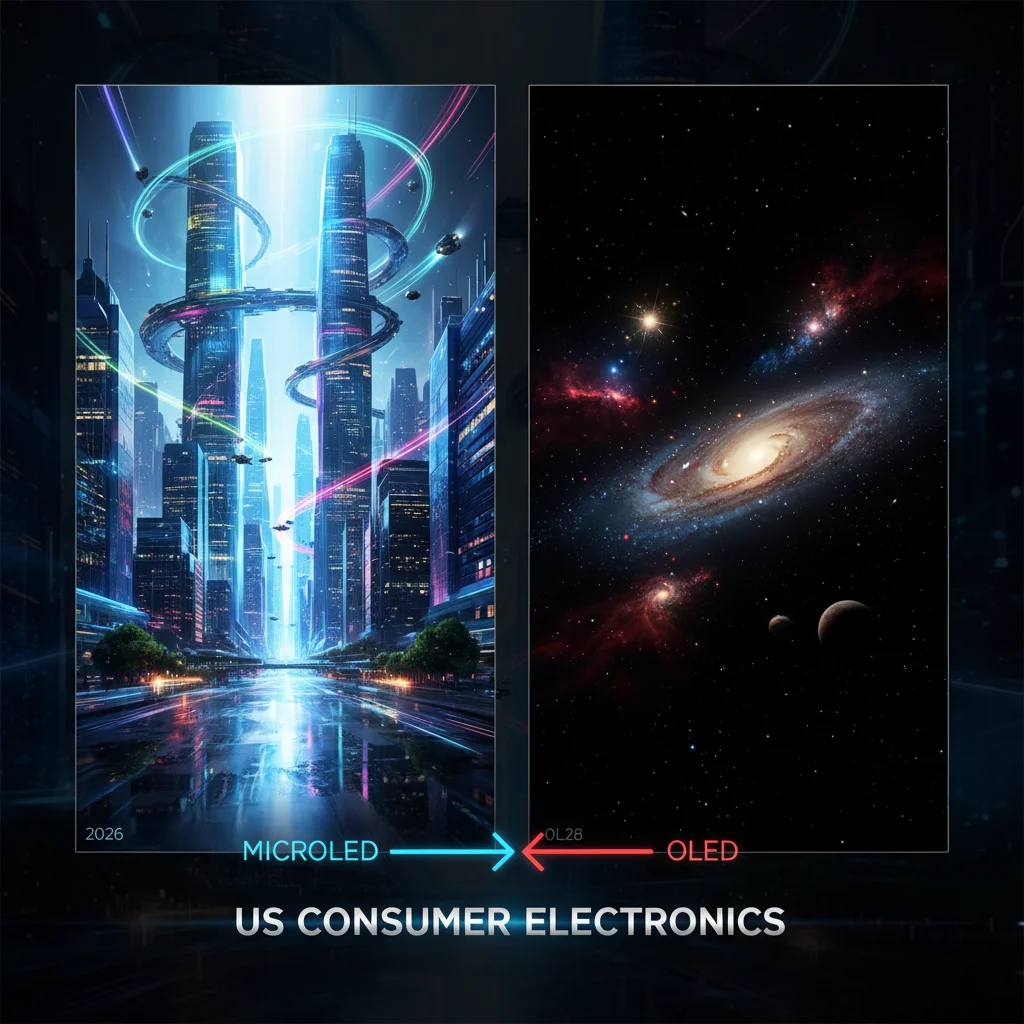
The landscape of consumer electronics is perpetually evolving, driven by relentless innovation and a demand for increasingly immersive and visually stunning experiences. At the heart of this evolution lies display technology, the very window through which we interact with our digital world. For years, OLED (Organic Light Emitting Diode) has reigned supreme in many premium segments, lauded for its perfect blacks, vibrant colors, and incredible contrast. However, a formidable contender is rapidly emerging: MicroLED. As we approach 2026, the battle between MicroLED and OLED displays is set to intensify, particularly within the dynamic US consumer electronics market. This comprehensive analysis will delve into the technological intricacies, market trajectories, and the potential impact of both MicroLED OLED displays on everything from televisions and smartphones to wearables and automotive applications.
The Reign of OLED: A Brief Overview and Its Enduring Strengths
OLED technology has revolutionized the display industry since its commercial introduction. Unlike traditional LCDs that rely on a backlight, each pixel in an OLED display is an individual light source. This self-emissive nature is the cornerstone of OLED’s key advantages:
- Perfect Blacks: When an OLED pixel is turned off, it emits no light, resulting in absolute black. This creates an unparalleled contrast ratio, making images pop with incredible depth and realism.
- Vibrant Colors: OLED panels offer a wide color gamut and excellent color accuracy, producing rich, lifelike hues.
- Fast Response Times: The swift switching of individual pixels leads to extremely fast response times, virtually eliminating motion blur, which is crucial for gaming and fast-paced video content.
- Wide Viewing Angles: Colors and brightness remain consistent even when viewed from extreme angles.
- Thin and Flexible Designs: The absence of a backlight allows for incredibly thin and even flexible display panels, opening doors for innovative product designs in smartphones, smartwatches, and even rollable TVs.
In the US market, OLED has become the gold standard for high-end televisions, premium smartphones, and smartwatches. Brands like LG, Samsung (in smartphones), Sony, and Panasonic have successfully leveraged OLED’s strengths to capture the discerning consumer who prioritizes picture quality above all else. However, OLED is not without its limitations, which MicroLED aims to address.
Introducing MicroLED: The Next-Generation Contender
MicroLED technology, as its name suggests, utilizes microscopic LEDs as individual pixel elements. Each pixel is a tiny, inorganic LED that emits light directly, similar to OLED, but with fundamental differences that promise significant advancements. While still in its nascent stages for mass consumer adoption, MicroLED holds immense potential.
How MicroLED Works: A Technical Deep Dive
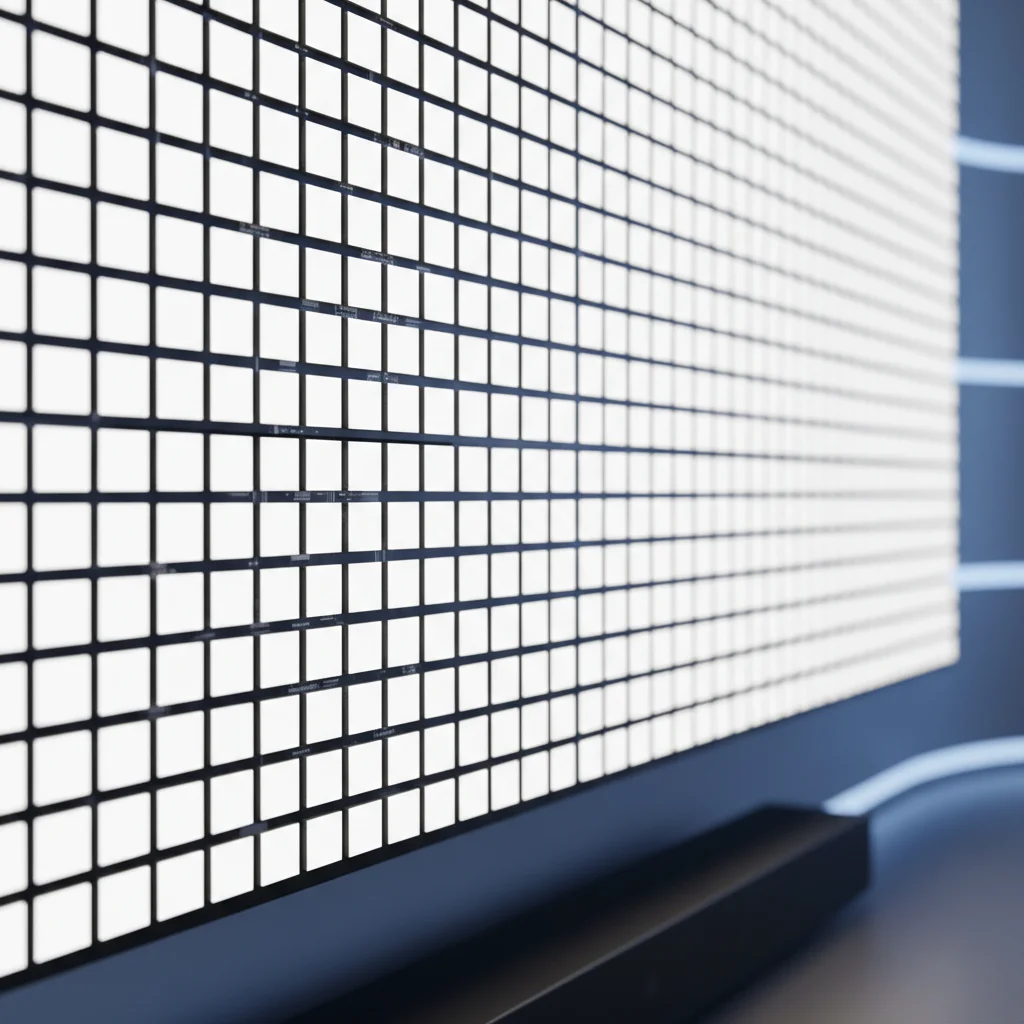
At a fundamental level, a MicroLED display consists of arrays of microscopic LEDs, typically less than 100 micrometers in size. These tiny LEDs are individually controlled to produce each sub-pixel of an image. The manufacturing process involves transferring these minuscule LEDs from a substrate to a display backplane, a process known as ‘mass transfer,’ which is one of the most significant technological hurdles.
Key Advantages of MicroLED Displays
The theoretical and demonstrated advantages of MicroLED are compelling:
- Superior Brightness: MicroLEDs can achieve significantly higher brightness levels than OLEDs, making them ideal for outdoor use, brightly lit environments, and HDR (High Dynamic Range) content.
- Burn-in Resistance: Unlike organic materials in OLEDs, inorganic LEDs are not susceptible to burn-in (permanent image retention), ensuring long-term image integrity. This is a critical factor for static UI elements or news channels.
- Exceptional Lifespan: MicroLEDs boast a much longer lifespan compared to OLEDs, reducing concerns about degradation over time.
- Energy Efficiency: While OLED is generally more efficient than LCD, MicroLED has the potential to be even more power-efficient, especially when displaying bright content.
- Modularity and Scalability: MicroLED displays are inherently modular. This means they can be built from smaller panels, allowing for virtually any size and aspect ratio without seams. This opens up possibilities for extremely large format displays, digital signage, and custom installations that are impractical with other technologies.
- Fast Response Times: Similar to OLED, MicroLED offers incredibly fast pixel response times.
Challenges Facing MicroLED Adoption by 2026
Despite its impressive list of advantages, MicroLED faces substantial challenges that prevent its widespread adoption in US consumer electronics by 2026. These include:
- High Manufacturing Costs: The precision required for mass transfer of millions of microscopic LEDs is incredibly complex and expensive. This drives up the final product cost significantly, limiting MicroLED to ultra-premium and niche markets for now.
- Yield Rates: Achieving high yield rates (the percentage of functional displays produced) is a major hurdle. Even a few defective sub-pixels can ruin an entire panel, making quality control and repair difficult.
- Pixel Scale for Small Devices: While excellent for large displays, shrinking MicroLED pixels to the size required for smartphones and smartwatches presents even greater manufacturing complexities and cost implications.
- Color Uniformity and Consistency: Ensuring consistent brightness and color across millions of tiny LEDs is a technical challenge that manufacturers are still perfecting.
These challenges mean that while MicroLED OLED displays will certainly be present in 2026, their market penetration will likely be limited to specific high-end segments.
MicroLED vs. OLED: Head-to-Head Comparison for 2026
Let’s break down how MicroLED and OLED are expected to stack up against each other in various categories by 2026 in the US consumer electronics market:
Televisions
OLED: By 2026, OLED TVs will continue to dominate the premium television segment, offering a compelling blend of picture quality, mature technology, and competitive pricing. Advancements in OLED, such as MLA (Micro Lens Array) technology and improved brightness, will further solidify its position. Prices will likely continue to become more accessible, making larger OLED screens more attainable for a broader audience.
MicroLED: In 2026, MicroLED TVs will remain an ultra-luxury item, primarily targeting the super-premium large-screen market. Think of massive, custom-installed home theater displays or high-end commercial applications. Samsung’s ‘The Wall’ is a prime example of this niche. While the picture quality will be stunning, the prohibitive cost will keep it out of reach for most consumers.
Smartphones and Wearables
OLED: OLED is firmly entrenched in the smartphone and smartwatch markets. Its flexibility, thinness, and excellent power efficiency (especially with dark mode content) make it the ideal choice. By 2026, we can expect further refinements in OLED panels for these devices, including even higher pixel densities, improved durability, and potentially more flexible form factors.
MicroLED: For smartphones and wearables, MicroLED adoption by 2026 is highly unlikely to be widespread. The challenges of mass transfer at such small pixel sizes and the associated costs are still too significant. While prototypes might emerge, commercial products will be few and far between, likely experimental or extremely niche.
Other Applications
Automotive Displays: Both MicroLED and OLED have potential in automotive applications. OLED is already making inroads for infotainment systems due to its contrast and viewing angles. MicroLED, with its high brightness and durability, could be ideal for transparent displays, HUDs (Head-Up Displays), and rugged outdoor screens in vehicles, though this will likely be a longer-term development beyond 2026 for mass production.
Augmented Reality (AR) / Virtual Reality (VR): This is a fascinating area. Mini-OLED and Micro-OLED are currently favored for VR/AR headsets due to their extremely high pixel density and fast response times. MicroLED, with its even higher brightness potential, could eventually offer a superior experience for AR, especially in bright ambient light, but again, the miniaturization and cost are major hurdles for 2026.
Market Trajectory and Consumer Impact by 2026
The US consumer electronics market in 2026 will see MicroLED OLED displays coexisting, but in very different segments. OLED will continue its dominance in mainstream premium and mid-range devices where its cost-effectiveness, mature supply chain, and excellent performance deliver immense value. Consumers will benefit from more affordable large-screen OLED TVs and even more refined OLED experiences in their mobile devices.
MicroLED, on the other hand, will remain a technology for the elite. Its presence will be felt in aspirational products, showcasing what’s possible when cost is no object. This will primarily be in custom home theater installations or perhaps very high-end commercial displays. The ‘halo effect’ of MicroLED will likely drive innovation in other display technologies, pushing OLED manufacturers to further improve brightness and lifespan.
The Role of Mini-LED Backlighting
It’s crucial to mention Mini-LED backlighting when discussing these advanced technologies. Mini-LED is not a self-emissive technology like OLED or MicroLED. Instead, it’s an evolution of LCD technology that uses thousands of tiny LEDs to provide more precise backlighting, leading to significantly improved contrast and brightness compared to traditional LCDs. By 2026, Mini-LED will be a strong competitor in the premium LCD TV market, offering a compelling alternative to OLED for consumers who want high brightness and good contrast without the potential for burn-in, often at a more accessible price point than OLED.
While Mini-LED improves LCD, it doesn’t achieve the perfect blacks or pixel-level control of OLED or MicroLED. However, its continued refinement will offer consumers more choice and put pressure on both OLED and, eventually, MicroLED to innovate further.
The Road Ahead: Beyond 2026
Looking beyond 2026, the trajectory for MicroLED is one of gradual cost reduction and manufacturing efficiency improvements. If manufacturers can overcome the mass transfer and yield rate challenges, MicroLED has the potential to eventually displace OLED in many applications, especially where extreme brightness, durability, and modularity are paramount. This could take many years, perhaps even a decade, for it to become a mainstream consumer technology.
OLED, meanwhile, won’t stand still. Research and development will continue to focus on increasing brightness, improving lifespan, and further reducing manufacturing costs. New variations of OLED, such as QD-OLED (Quantum Dot OLED), which combines the self-emissive properties of OLED with the color purity of quantum dots, will also play a significant role in shaping the display landscape. QD-OLED, already available in some premium monitors and TVs, offers even more vibrant colors and higher peak brightness than traditional OLED, making it a strong contender against MicroLED’s superior brightness.
The competition between these technologies ultimately benefits the consumer. Each advancement pushes the boundaries of what’s possible, leading to better picture quality, more innovative product designs, and a richer visual experience across all devices.
Conclusion: A Dynamic Display Landscape
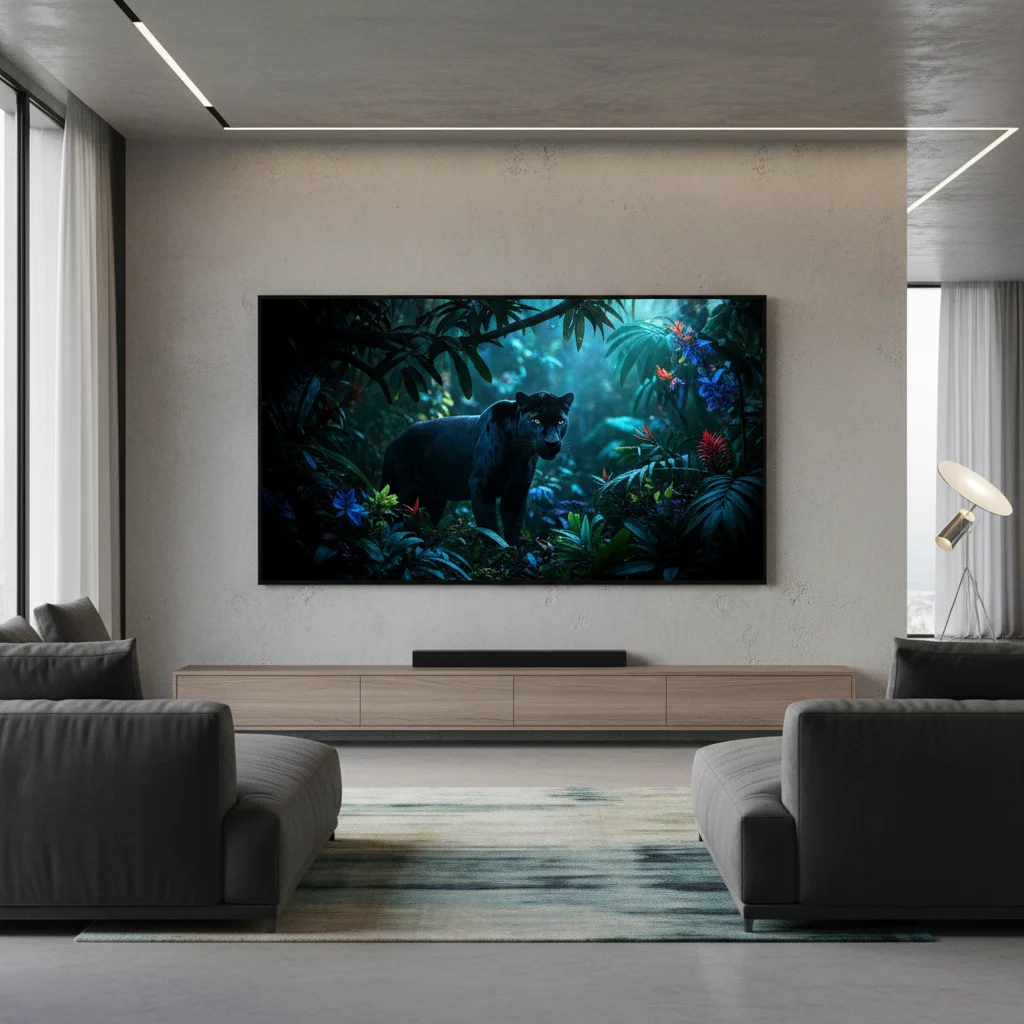
By 2026, the US consumer electronics market will be a vibrant arena for display technologies. OLED will continue to be the dominant force in premium segments, offering unparalleled contrast and color for televisions, smartphones, and wearables. Its maturity, cost-effectiveness, and continuous innovation will ensure its strong market presence.
MicroLED, while technologically superior in many aspects, will remain a niche, ultra-premium offering, primarily for very large, custom installations where its modularity, extreme brightness, and burn-in resistance justify its high cost. Its journey to mainstream adoption is a long one, contingent on significant breakthroughs in manufacturing efficiency and cost reduction.
The ultimate winner in the MicroLED OLED displays battle isn’t a single technology, but the consumer. The intense competition and ongoing research and development will drive both technologies to new heights, offering an ever-improving visual experience across all our devices. Whether you’re enjoying the perfect blacks of an OLED TV or marveling at the sheer brightness of a MicroLED display, the future of visual technology in 2026 promises to be nothing short of spectacular.
As we move closer to 2026, keeping an eye on the advancements in mass transfer techniques for MicroLED and the continued improvements in OLED’s brightness and longevity will be key indicators of how this fascinating display race unfolds. The choice between MicroLED OLED displays will ultimately depend on specific application requirements, budget, and the consumer’s priority between cutting-edge, ultra-premium performance and excellent value within the premium segment.