Unexpected Niche Hobby Products Surging in US Popularity
The Unexpected Rise of These 3 Niche Hobby Products in the US Over the Last 6 Months
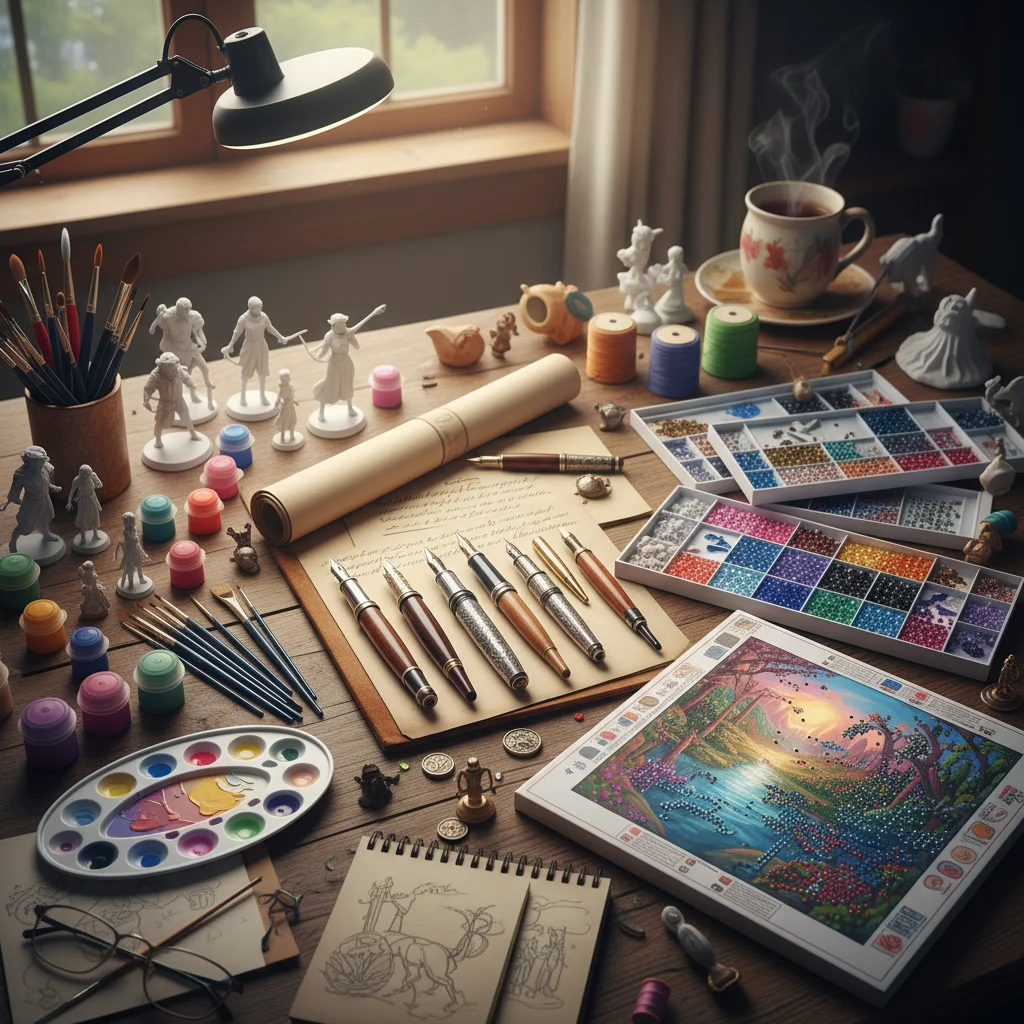
The world of hobbies is vast and ever-evolving, with new passions emerging and old ones experiencing resurgence. While mainstream pastimes often dominate the headlines, there’s a fascinating undercurrent of niche activities quietly gaining traction. Over the past six months, the United States has witnessed an unexpected surge in popularity for three distinct niche hobby products. These aren’t your typical crafts or collections; they represent unique interests that are capturing the hearts and minds of a growing number of enthusiasts. From the meticulous art of miniature painting to the therapeutic rhythm of diamond painting and the timeless elegance of fountain pen collecting, these hobbies offer more than just a way to pass the time – they provide communities, creative outlets, and a welcome escape from the digital noise of modern life.
In an era where digital consumption often overshadows tactile experiences, the renewed interest in hands-on hobbies is particularly noteworthy. People are actively seeking ways to engage their minds and hands in meaningful, productive, and often meditative activities. This article will delve into the factors contributing to the unexpected rise of these three niche hobby products, explore what makes them so appealing, and offer insights into how they are shaping new communities across the nation. Understanding these trends can provide valuable insights for retailers, hobbyists, and anyone curious about the shifting landscape of leisure activities.
1. Miniature Painting: A World in Your Hands
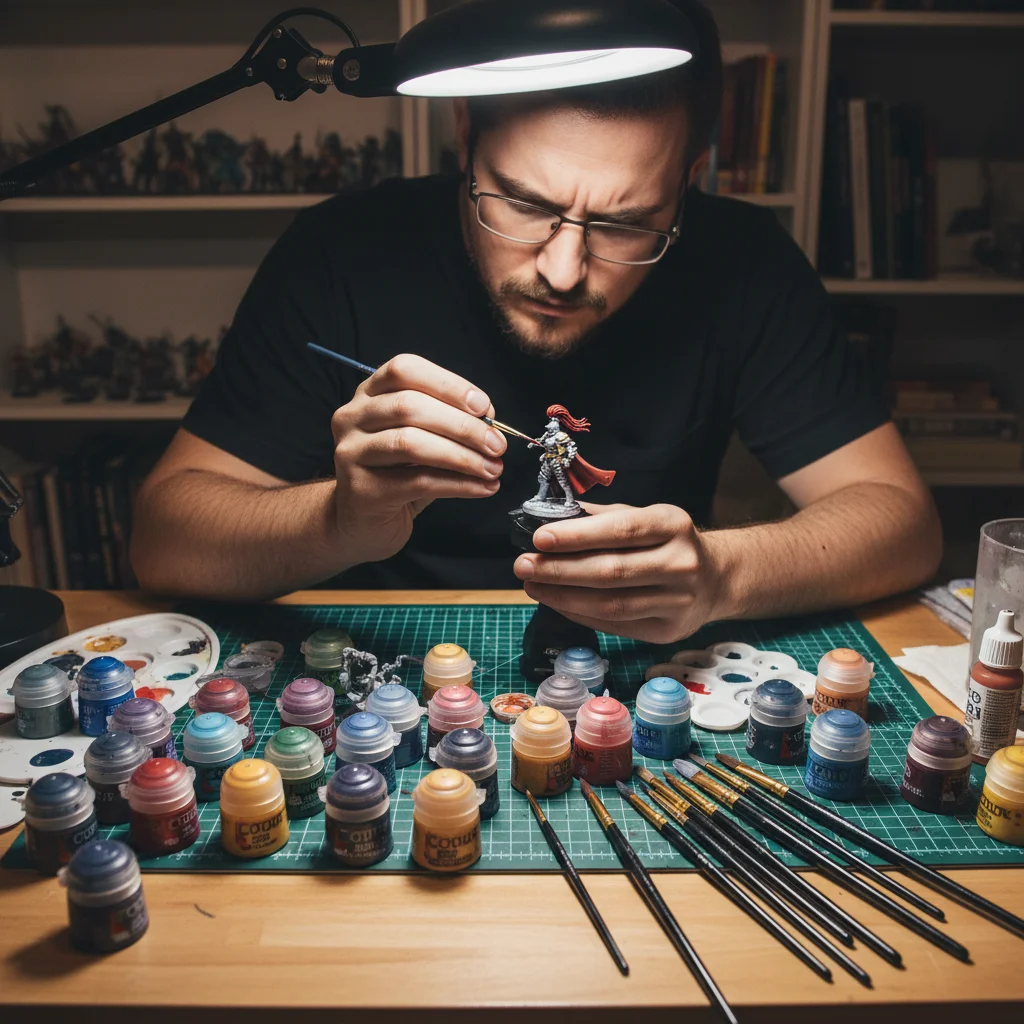
Miniature painting, once primarily associated with tabletop gaming communities and historical wargaming, has broken through its traditional boundaries to become one of the most surprisingly popular niche hobby products in recent months. This intricate art form involves painting small, often highly detailed figures, typically made of plastic or resin, which can range from fantasy creatures and sci-fi characters to historical soldiers and even busts of famous personalities. The appeal lies in its unique blend of artistic skill, patience, and the satisfaction of bringing a tiny world to life with a brushstroke.
The Allure of Detail and Customization
What drives the sudden surge in miniature painting’s popularity? One key factor is the incredible level of detail and customization it offers. Each miniature presents a unique challenge, allowing hobbyists to experiment with color theory, shading, and highlighting techniques. The sense of accomplishment derived from completing a beautifully painted figure is immense. Moreover, the hobby fosters a strong sense of personal expression. Artists can choose their own color schemes, adapt existing designs, or even create entirely new narratives through their paint choices. This level of creative freedom is a powerful draw, especially for individuals seeking an artistic outlet that is both structured and open-ended.
Community and Competitive Spirit
Beyond individual artistic expression, miniature painting thrives on a vibrant and supportive community. Online forums, social media groups, and local hobby shops serve as hubs for enthusiasts to share their work, exchange tips, and seek advice. This sense of belonging is a significant motivator, providing encouragement and inspiration. Furthermore, the competitive aspect, often seen in painting contests at conventions or online, pushes artists to hone their skills and strive for excellence. The camaraderie and friendly rivalry within these communities contribute significantly to the sustained interest in this niche hobby product.
Accessibility and Entry Points
While miniature painting might appear daunting to newcomers, its accessibility has improved dramatically. Starter kits, online tutorials, and a wealth of readily available resources have lowered the barrier to entry. Many people are discovering the hobby through popular board games that include unpainted miniatures, sparking an interest in personalizing their game pieces. The initial investment can be relatively modest, with basic paint sets and a few brushes allowing beginners to dip their toes into the water before committing to more advanced tools. This ease of entry has undoubtedly contributed to its rapid growth among niche hobby products.
Mental Well-being and Focus
In a world saturated with distractions, miniature painting offers a unique opportunity for focused, meditative engagement. The concentration required to paint tiny details can be incredibly therapeutic, providing a welcome respite from daily stresses. It’s a mindful activity that encourages patience and precision, allowing individuals to enter a flow state where time seems to disappear. This aspect of mental well-being is increasingly valued, making miniature painting an attractive option for those seeking a calming and engaging pastime. The satisfaction of seeing a miniature transform from a dull grey plastic to a vibrant, characterful piece is a powerful antidote to digital fatigue.
2. Diamond Painting: Sparkle and Relaxation
Emerging as another unexpected star among niche hobby products, diamond painting has captivated a broad audience with its dazzling results and surprisingly relaxing process. Often described as a hybrid between cross-stitch and paint-by-numbers, diamond painting involves adhering tiny resin ‘diamonds’ or ‘drills’ to a pre-printed, adhesive canvas, following a coded chart to create a shimmering, mosaic-like image. The finished pieces are vibrant, textured, and often incredibly intricate, making them popular for home decor or thoughtful gifts.
The Therapeutic Power of Repetition
The primary driver behind diamond painting’s ascent is its profoundly therapeutic nature. The repetitive action of picking up a diamond with a stylus and placing it onto the canvas is incredibly calming and meditative. This rhythmic process allows the mind to quiet down, reducing stress and anxiety. It’s a perfect activity for unwinding after a long day, offering a low-pressure creative outlet that doesn’t require advanced artistic skills. Many enthusiasts report a significant improvement in their mental well-being and focus after engaging in diamond painting sessions, highlighting its value as a self-care practice and a compelling niche hobby product.
Instant Gratification and Beautiful Results
Unlike some other crafts that require extensive practice to achieve satisfactory results, diamond painting offers a high degree of instant gratification. Even beginners can produce stunning, professional-looking artwork with relative ease. The pre-printed canvases and numbered drills eliminate much of the guesswork, allowing participants to focus purely on the placement and color matching. The shimmering effect of the finished ‘diamond’ pieces is visually striking, providing a tangible and beautiful reward for one’s efforts. This combination of accessibility and impressive outcomes makes it highly appealing to a wide demographic, contributing to its rapid growth as a niche hobby product.
Variety and Customization
The market for diamond painting kits has exploded, offering an astonishing variety of designs, from landscapes and animal portraits to pop culture icons and abstract art. This diversity ensures that there’s a design to suit every taste and preference. Furthermore, custom diamond painting kits, where individuals can transform their own photographs into diamond art, have become incredibly popular. This personal touch adds another layer of appeal, allowing hobbyists to create truly unique and meaningful pieces. The ability to choose from a vast catalog or even personalize a design ensures sustained engagement and keeps the hobby fresh and exciting for its growing community.
Community and Sharing
Like miniature painting, diamond painting also benefits from a strong online community. Social media groups, forums, and video-sharing platforms are filled with enthusiasts showcasing their finished projects, sharing tips, and discussing new kits. This sense of shared passion and mutual support enhances the overall experience, making it more than just a solitary activity. The visual nature of the hobby lends itself well to online sharing, with before-and-after photos and time-lapse videos garnering significant attention. This communal aspect reinforces its position as a thriving niche hobby product.
3. Fountain Pen Collecting and Use: The Art of Writing Reimagined
In an increasingly digital world, the resurgence of fountain pen collecting and use might seem counterintuitive, yet it has become one of the most intriguing and rapidly growing niche hobby products. This isn’t just about writing; it’s about appreciating craftsmanship, history, aesthetics, and the tactile pleasure of putting ink to paper. Fountain pen enthusiasts are drawn to the elegance, variety, and unique writing experience that these instruments offer, contrasting sharply with the disposable nature of many modern writing tools.
A Return to Tactile Pleasure and Craftsmanship
The appeal of fountain pens lies heavily in their tactile and sensory experience. The smooth glide of a quality nib across paper, the vibrant flow of various inks, and the satisfying weight of a well-crafted pen in hand all contribute to a unique writing sensation. This stands in stark contrast to the often impersonal experience of typing on a keyboard or using a ballpoint pen. Collectors appreciate the intricate engineering, the quality materials (resins, metals, celluloid), and the artisanal skill that goes into creating each pen. For many, it’s a rebellion against planned obsolescence and a celebration of enduring craftsmanship. This focus on quality and experience makes it a standout among niche hobby products.
The World of Inks and Paper
Fountain pen collecting is not just about the pens themselves; it’s also about the vast and colorful world of inks and compatible papers. There are thousands of ink colors available, from standard blues and blacks to shimmering, sheening, and shading inks that react uniquely with different papers. This allows for an incredible degree of personalization and artistic expression in writing. Pairing the right ink with the right paper can transform a simple note into a work of art. The exploration of these combinations becomes a hobby in itself, adding depth and endless possibilities to the fountain pen experience. This expansive ecosystem of related products further solidifies its status as a robust niche hobby product.
Historical Significance and Investment
Many fountain pen enthusiasts are also drawn to the historical aspect of these instruments. Vintage pens from iconic brands like Montblanc, Parker, and Waterman carry a rich history and often represent significant design and engineering milestones. Collecting these vintage pieces can be a rewarding pursuit, combining historical research with the thrill of the hunt. Furthermore, certain limited edition or rare fountain pens can appreciate in value, turning a hobby into a potential investment. This blend of passion, history, and potential financial return makes fountain pen collecting a multifaceted and engaging niche hobby product.
Community and Knowledge Sharing
The fountain pen community is incredibly passionate and welcoming. Online forums, dedicated websites, YouTube channels, and local pen shows provide platforms for enthusiasts to share their collections, discuss new releases, review inks, and offer advice on pen maintenance and repair. This knowledge-sharing aspect is crucial for newcomers, helping them navigate the complexities of different nib sizes, filling mechanisms, and ink properties. The camaraderie within this community reinforces the appeal of the hobby and supports its continued growth. This strong social component is a hallmark of successful niche hobby products.
Why These Niche Hobbies Are Thriving Now
The rise of these three distinct niche hobby products isn’t a coincidence; it reflects broader societal shifts and individual needs. Several overarching factors contribute to their current popularity:
Desire for Offline Engagement
In an increasingly digital and screen-dominated world, there’s a growing yearning for tangible, offline activities. People are actively seeking ways to disconnect from screens and engage with physical objects and processes. Miniature painting, diamond painting, and fountain pen use all offer a hands-on, tactile experience that provides a refreshing break from endless scrolling and digital interactions. This desire for ‘digital detox’ is a powerful force driving interest in physical niche hobby products.
Emphasis on Mental Well-being and Mindfulness
The past few years have brought a heightened awareness of mental health and the importance of mindfulness. Hobbies that promote focus, relaxation, and a sense of accomplishment are highly valued. The meditative aspects of repetitive tasks in diamond painting, the intense concentration required for miniature painting, and the deliberate act of writing with a fountain pen all contribute to a sense of calm and presence. These activities serve as therapeutic outlets, helping individuals manage stress and improve their overall well-being. The wellness benefits are a significant draw for these particular niche hobby products.
Community and Connection
Despite the offline nature of these hobbies, their communities are largely fostered online. Social media, forums, and video platforms allow enthusiasts to connect with like-minded individuals across geographical boundaries. This sense of belonging and shared passion is a powerful motivator. In a world that can sometimes feel isolating, these hobby communities offer a space for connection, support, and mutual inspiration. The ability to share creations, ask questions, and learn from others amplifies the enjoyment and longevity of these niche hobby products.
Accessibility and Diverse Entry Points
While once perhaps considered obscure or exclusive, these hobbies have become more accessible than ever. The proliferation of online tutorials, affordable starter kits, and a wider range of products has lowered the barrier to entry. This means that curious newcomers can easily explore these interests without significant initial investment or prior experience. The diverse entry points, from simple diamond painting kits to comprehensive miniature painting sets, cater to various skill levels and budgets, further fueling their expansion.
Personalization and Self-Expression
Each of these hobbies offers ample opportunities for personalization and self-expression. Whether it’s choosing a unique color scheme for a miniature, creating a custom diamond painting from a personal photo, or selecting a fountain pen and ink combination that reflects one’s personality, these activities allow individuals to inject their unique style and creativity. This personal touch makes the hobby more engaging and rewarding, fostering a deeper connection with the chosen pastime. The desire for unique expression is a core appeal of many niche hobby products.
Embracing the Niche: How to Get Started
If the unexpected rise of these niche hobby products has piqued your interest, getting started is easier than you might think. Here’s a brief guide on how to dip your toes into these fascinating worlds:
For Miniature Painting:
- Start Small: Don’t buy a huge set of miniatures right away. Many game stores or online retailers offer single figures or small starter sets.
- Basic Tools: Invest in a good quality starter paint set, a couple of fine-tipped brushes (size 0, 1, and perhaps a small detail brush), and a good primer spray.
- Online Resources: YouTube is a treasure trove of miniature painting tutorials for all skill levels. Search for ‘beginner miniature painting’ or specific techniques.
- Community: Join online forums like Reddit’s r/minipainting or local gaming groups to get tips and share your progress.
For Diamond Painting:
- Choose a Beginner Kit: Look for smaller kits with full drill (entire canvas covered) designs for a complete experience.
- Round vs. Square Drills: Round drills are generally easier for beginners, while square drills offer a more complete, mosaic-like look. Try both to see what you prefer.
- Workspace: Ensure you have a clean, well-lit workspace. A light pad can be a game-changer for seeing the symbols clearly.
- Patience: It’s a meditative hobby, so relax and enjoy the process. Don’t rush!
For Fountain Pen Collecting and Use:
- Beginner-Friendly Pens: Start with an affordable but reliable pen like a Pilot Metropolitan, Lamy Safari, or Kaweco Sport. These offer a great writing experience without breaking the bank.
- Ink Samples: Instead of buying full bottles, try ink samples from online retailers. This allows you to experiment with many colors without a large commitment.
- Good Paper: Fountain pens perform best on higher-quality paper that resists feathering and bleed-through. Brands like Rhodia, Tomoe River, or Clairefontaine are excellent choices.
- Learn Maintenance: Understand how to clean and care for your pen to ensure its longevity and optimal performance.
Conclusion: The Enduring Appeal of Niche Hobbies
The unexpected rise of miniature painting, diamond painting, and fountain pen collecting and use in the US over the last six months underscores a significant shift in how people seek fulfillment and relaxation. These niche hobby products, seemingly disparate, share common threads: a desire for tactile engagement, a focus on mental well-being, the power of community, and opportunities for deep personal expression. As our lives become increasingly digital, the appeal of hands-on, tangible activities grows stronger, offering a much-needed balance.
Whether you’re meticulously bringing a tiny warrior to life, creating a shimmering masterpiece one diamond at a time, or experiencing the elegant flow of ink from a finely crafted nib, these hobbies provide more than just a pastime. They offer a sanctuary, a creative outlet, and a connection to a passionate community. Their continued growth is a testament to the human need for creativity, mastery, and meaningful engagement. So, if you’re looking for a new passion, perhaps one of these surprisingly popular niche hobby products is waiting to spark your imagination.