Emergency Preparedness: 3 Essential Kits Every US Home Needs by Q3 2026 for Peace of Mind

In an increasingly unpredictable world, the importance of emergency preparedness cannot be overstated. From natural disasters like hurricanes, earthquakes, and blizzards to unforeseen events such as power outages or economic disruptions, having the right home emergency kits can make all the difference between chaos and calm. This comprehensive guide will walk you through the three essential essential emergency kits every US home needs by Q3 2026 to ensure your family’s safety and peace of mind. We’ll delve into the specifics of what each kit should contain, why it’s crucial, and how to maintain it effectively.
The Unpredictable Landscape: Why Every Home Needs Home Emergency Kits
The past few years have highlighted the critical need for proactive disaster readiness. Weather patterns are becoming more extreme, infrastructure can be vulnerable, and global events can have local impacts. Waiting until an emergency strikes to gather supplies is a recipe for disaster. Store shelves can be emptied rapidly, and emergency services may be overwhelmed. By establishing robust home emergency kits now, you mitigate these risks and empower your household to be self-sufficient during critical periods.
The goal isn’t to live in fear, but to live with confidence. Knowing that you have the resources to sustain your family for several days, or even weeks, can significantly reduce stress and improve your ability to respond effectively when an emergency arises. This guide aims to equip you with the knowledge to build and maintain these vital kits, ensuring you’re not just prepared, but truly ready for anything.
Kit 1: The 72-Hour Survival Kit (Bug-Out Bag)
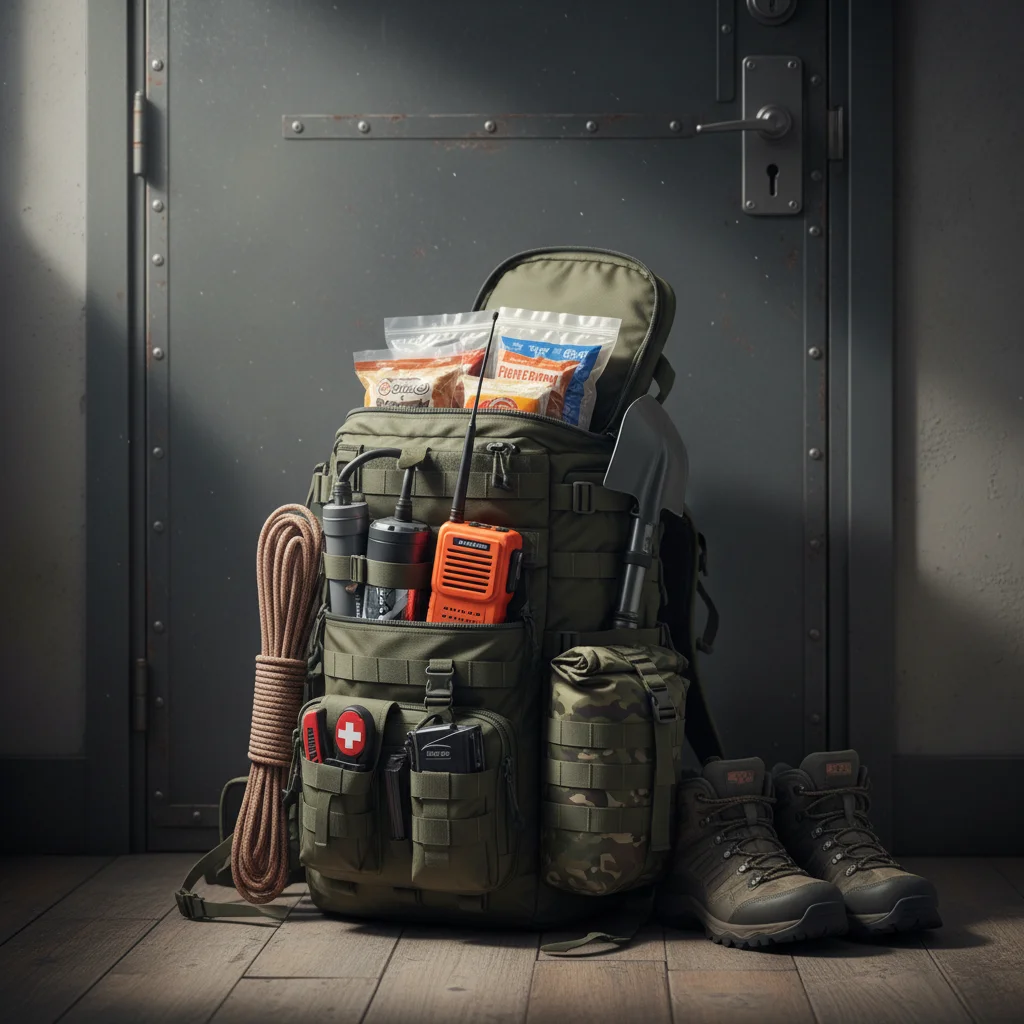
Often referred to as a ‘bug-out bag’ or ‘go-bag,’ the 72-hour survival kit is designed to provide you with the essentials to survive for at least three days if you need to evacuate your home quickly or if utilities are disrupted. This kit should be portable, ideally in a sturdy backpack, and easily accessible. Each family member should ideally have their own, or at least a share of the essential items.
Why is a 72-Hour Survival Kit Essential?
- Rapid Evacuation: In scenarios like wildfires, floods, or chemical spills, you might have minutes to leave. A pre-packed bag saves precious time.
- Self-Sufficiency: It ensures you have basic needs covered if emergency services are delayed or overwhelmed.
- Mobility: Designed for easy transport if you need to travel on foot.
What to Include in Your 72-Hour Survival Kit:
1. Water and Hydration:
- Water Bottles: At least 1 gallon of water per person per day (for drinking and sanitation). Consider carrying a few liters in your bag, with larger reserves at home.
- Water Filter/Purifier: Portable water filter (e.g., Lifestraw, Sawyer Mini) or water purification tablets.
- Water Container: Collapsible water bottles or a hydration bladder.
2. Food Supplies:
- Non-Perishable, High-Calorie Food: Energy bars, dried fruit, nuts, jerky, ready-to-eat canned goods (with a manual can opener).
- Comfort Food: Small treats for morale, especially for children.
- Utensils: Spork or basic eating utensils.
3. First Aid and Hygiene:
- Comprehensive First Aid Kit: (More details in Kit 2, but a basic one here is crucial). Include bandages, antiseptic wipes, pain relievers, gauze, medical tape, and any personal prescription medications (with a copy of the prescription).
- Personal Hygiene Items: Toilet paper, wet wipes, hand sanitizer, soap, toothbrush, toothpaste, feminine hygiene products.
- Sunscreen and Insect Repellent: Depending on your climate.
4. Shelter and Warmth:
- Emergency Blanket/Sleeping Bag: Mylar emergency blankets are compact and effective.
- Tarp or Tent: Lightweight option for temporary shelter.
- Poncho/Rain Gear: To stay dry.
- Warm Clothing: Layers of non-cotton clothing (wool or synthetics) suitable for your climate.
5. Tools and Utilities:
- Multi-tool or Knife: Essential for various tasks.
- Flashlight & Headlamp: With extra batteries.
- Whistle: For signaling help.
- Duct Tape: Invaluable for repairs.
- Matches/Lighter: Waterproof matches or a reliable lighter.
- Cordage/Rope: Paracord is versatile.
- Dust Mask: To filter contaminated air.
6. Communication and Navigation:
- NOAA Weather Radio: Hand-crank or battery-powered with extra batteries.
- Power Bank: Fully charged for cell phones.
- Map of Local Area: Physical copy, not reliant on GPS.
- Compass: And knowledge on how to use it.
- Chargers: For essential electronics.
7. Important Documents and Cash:
- Copies of Important Documents: IDs, insurance policies, birth certificates, deeds (store in a waterproof bag).
- Cash: Small bills, as ATMs and credit card machines may not work.
- Emergency Contacts: Written list of family, doctors, and out-of-state contacts.
8. Special Considerations:
- Pet Supplies: Food, water, leash, medications for pets.
- Infant Supplies: Formula, diapers, wipes.
- Entertainment: Books, small toys for children to alleviate boredom and stress.
Remember to store your 72-hour survival kit in an easily accessible location, such as a closet near an exit, and ensure everyone in the household knows where it is.
Kit 2: The Comprehensive First Aid Kit
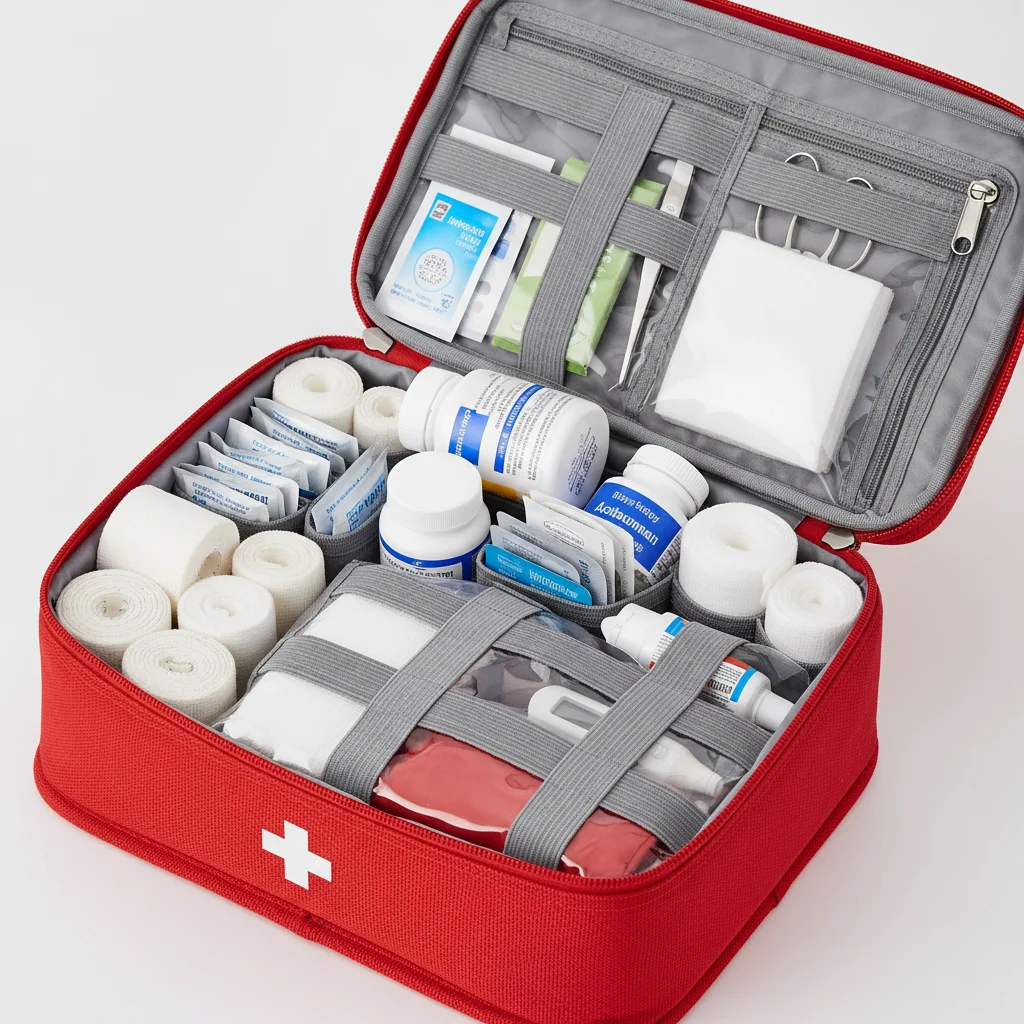
While a basic first aid kit is part of your 72-hour bag, a more extensive first aid kit should be kept in a central location within your home, accessible to all family members. This kit is for treating injuries and illnesses that may occur during an emergency, when professional medical help might be unavailable or delayed. Think beyond minor cuts and scrapes; consider what you would need for more significant injuries or prolonged illnesses.
Why a Comprehensive First Aid Kit is Indispensable:
- Immediate Care: Allows you to address injuries promptly, preventing them from worsening.
- Reduced Strain on Services: By handling minor to moderate issues yourself, you free up emergency responders for critical cases.
- Personalized Care: Can be tailored to specific family needs, including chronic conditions.
What to Include in Your Comprehensive First Aid Kit:
1. Wound Care:
- Assorted Bandages: Adhesive strips in various sizes, butterfly closures, blister pads.
- Sterile Gauze Pads: Various sizes (2×2, 4×4) and roller bandages.
- Antiseptic Wipes/Solutions: Alcohol pads, povidone-iodine, hydrogen peroxide.
- Medical Tape: Adhesive and paper tape.
- Topical Ointments: Antibiotic cream, hydrocortisone cream for itching/rashes.
- Burn Gel/Cream: For minor burns.
- Wound Closures: Steri-strips for deeper cuts.
2. Medications:
- Pain Relievers: Acetaminophen, ibuprofen, aspirin.
- Antihistamines: For allergies (e.g., Benadryl).
- Anti-diarrhea Medication: Loperamide.
- Antacids: For indigestion.
- Laxatives: For constipation.
- Prescription Medications: At least a 7-day supply for all family members, with copies of prescriptions and dosage instructions. Rotate these regularly.
- Epinephrine Auto-injector: If anyone in the family has severe allergies.
- Glucose Tablets: For diabetics.
3. Tools and Supplies:
- Scissors: Trauma shears are ideal.
- Tweezers: For splinters, ticks.
- Thermometer: Digital preferred.
- Non-Latex Gloves: Several pairs.
- CPR Mask: For resuscitation.
- Splinting Materials: Rolled splint or triangular bandages.
- Eye Wash Solution: Sterile saline.
- Magnifying Glass: For examining small wounds.
4. Educational Resources:
- First Aid Manual: A physical copy, not reliant on electricity.
- List of Emergency Contacts: Doctors, poison control, family members.
- Medical History Cards: For each family member, listing allergies, conditions, and medications.
Regularly check expiration dates on medications and supplies. Replenish items as they are used or expire. Consider taking a basic first aid training course to know how to effectively use the contents of your kit.
Kit 3: The Communication and Information Kit
In a crisis, reliable communication and access to information are paramount. Power outages can render cell towers useless, and internet access may be non-existent. A dedicated communication kit ensures you can receive vital updates, contact loved ones, and access critical data when traditional methods fail.
Why a Communication and Information Kit is Critical:
- Situational Awareness: Receive emergency broadcasts and weather alerts.
- Family Contact: Maintain contact with family members, especially if separated.
- Access to Vital Data: Keep important documents and information secure and accessible.
What to Include in Your Communication and Information Kit:
1. Emergency Radios:
- NOAA Weather Radio: A hand-crank, solar, or battery-powered radio capable of receiving NOAA weather alerts.
- AM/FM Radio: For general news and information.
- Extra Batteries: For all battery-powered devices. Consider rechargeable batteries with a solar charger.
2. Power Sources:
- Power Bank/External Battery Pack: Fully charged, for charging cell phones and small electronics.
- Solar Charger: For charging devices and power banks.
- Car Charger: If your vehicle is operational.
3. Communication Devices:
- Whistle: For signaling.
- Fully Charged Cell Phone: And its charger. Consider a spare, inexpensive cell phone for emergencies.
- Two-Way Radios (Walkie Talkies): If you anticipate needing to communicate with family members in close proximity without cell service.
4. Important Documents (Physical and Digital Backup):
- Physical Copies: Birth certificates, marriage licenses, passports, social security cards, deeds, titles, insurance policies (home, auto, health, life), will, medical records (immunization records, prescriptions, allergies), bank account information, investment records. Store these in a waterproof, fireproof document bag.
- Digital Backup: Scan all important documents and save them on an encrypted USB drive and/or a secure cloud storage service. Ensure you can access these offline if needed.
- Contact List: A laminated or waterproof list of emergency contacts, out-of-state family, doctors, employers, and insurance agents.
5. Navigation Aids:
- Local Maps: Detailed paper maps of your area and potential evacuation routes.
- Compass: And instructions on how to use it.
6. Information Resources:
- Emergency Plan: A printed copy of your family’s emergency plan, including meeting points, evacuation routes, and contact information.
- Manuals: For essential equipment (e.g., generator, water filter).
- Pen and Paper: For taking notes or leaving messages.
Regularly review and update the contents of your communication kit, especially contact lists and document copies. Ensure all family members know where this kit is stored and how to access its contents.
Beyond the Kits: Maintaining Your Preparedness
Having these home emergency kits is only half the battle. Regular maintenance and practice are crucial to ensuring they are effective when an actual emergency occurs.
1. Regular Inventory and Rotation:
- Quarterly Checks: At least once every three months, go through all your kits.
- Check Expiration Dates: Rotate food, water, and medications. Use items before they expire and replace them.
- Test Batteries: Replace batteries in flashlights, radios, and other devices annually, or more frequently if recommended.
- Check Clothing: Ensure clothing still fits and is appropriate for the season.
2. Family Emergency Plan:
- Develop a Plan: Create a detailed family emergency plan that includes designated meeting points (inside and outside your home, and an out-of-state contact), evacuation routes, and communication strategies.
- Practice Drills: Periodically practice your emergency plan with your family, including evacuating your home and going to your meeting points.
- Educate Everyone: Ensure all family members, especially children, know what to do in different emergency scenarios and where the home emergency kits are located.
3. Knowledge and Skills:
- First Aid/CPR Training: Enroll in a first aid and CPR training course. Knowing how to use the items in your first aid kit is as important as having them.
- Basic Survival Skills: Learn basic skills like purifying water, starting a fire, and basic navigation.
- Local Resources: Familiarize yourself with local emergency services, shelters, and community preparedness programs.
4. Adapt to Your Region:
While this guide provides a general framework, tailor your home emergency kits to the specific risks of your region. If you live in a hurricane zone, focus more on flood preparedness and prolonged power outages. If in an earthquake-prone area, secure heavy furniture and have robust water storage. Consider specific items like:
- Earthquake Kit: Whistle, dust masks, sturdy shoes near the bed, wrench to turn off gas.
- Hurricane Kit: Sandbags, plywood for windows, extra fuel for generators.
- Winter Storm Kit: Extra blankets, rock salt, snow shovel, alternative heating source.
The Deadline: Q3 2026
Why Q3 2026? This timeframe provides a realistic yet urgent goal for all US households to establish and refine their home emergency kits. It allows for thoughtful procurement, budgeting, and family discussions without the pressure of an immediate threat. By setting this benchmark, we encourage a nationwide push towards enhanced emergency preparedness, fostering resilient communities and safeguarding individual families.
The peace of mind that comes with knowing you’ve taken proactive steps to protect your loved ones is invaluable. Don’t wait for a disaster to strike. Start building and refining your home emergency kits today, and aim to have these three essential kits fully operational and maintained by Q3 2026.
Conclusion: Your Investment in Safety
Preparing for emergencies is not about succumbing to fear, but about embracing responsibility and foresight. The three essential emergency kits – the 72-Hour Survival Kit, the Comprehensive First Aid Kit, and the Communication and Information Kit – form the backbone of a resilient household. By diligently assembling, maintaining, and practicing with these home emergency kits, you are making a profound investment in the safety, well-being, and peace of mind of your family. Start today, and by Q3 2026, you’ll be among the best-prepared homes in the nation, ready to face any challenge with confidence and capability.