Elevate Your Home: Top Outdoor Living Designs for 2026
As we step further into the 21st century, the boundaries between indoor and outdoor living continue to blur, transforming our backyards, patios, and decks into extensions of our homes. In 2026, the demand for sophisticated, functional, and aesthetically pleasing Outdoor Living Designs is reaching new heights across the United States. Homeowners are no longer content with a simple grill and a picnic table; they desire comprehensive outdoor environments that cater to relaxation, entertainment, and even work. This shift reflects a deeper appreciation for nature, a desire for more living space, and an emphasis on well-being.
The innovation in outdoor materials, technology, and design philosophy has opened up a world of possibilities, allowing for personalized spaces that truly enhance quality of life. From urban balconies to sprawling suburban estates, the trend is clear: make the most of every square foot of your property. This article delves into the top three innovative Outdoor Living Designs that are gaining immense popularity and shaping the future of home exteriors in 2026. We’ll explore how these designs are being implemented, the key features that define them, and why they resonate so strongly with modern homeowners.
Whether you’re planning a complete backyard overhaul or looking for inspiration for a smaller refresh, understanding these trends will equip you with the knowledge to create an outdoor space that is not only beautiful but also highly functional and tailored to your lifestyle. Get ready to discover how to transform your outdoor areas into true havens that offer comfort, style, and endless opportunities for enjoyment.
1. The Multi-Functional Outdoor Room: Blending Comfort with Versatility
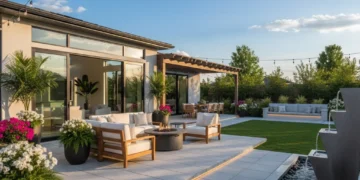
The concept of the multi-functional outdoor room is perhaps the most dominant trend in Outdoor Living Designs for 2026. Gone are the days of single-purpose patios. Today’s homeowners are seeking spaces that can seamlessly transition from a morning coffee spot to an evening dining area, a weekend entertainment hub, or even a quiet retreat for work or meditation. This design philosophy emphasizes adaptability and efficiency, making every inch of outdoor space count.
Key Elements of the Multi-Functional Outdoor Room:
- Flexible Seating Arrangements: Modular outdoor furniture is paramount. Sectionals that can be rearranged, ottomans that double as extra seating or tables, and built-in benches with hidden storage are highly sought after. The ability to shift configurations quickly allows for various activities, from intimate conversations to large gatherings.
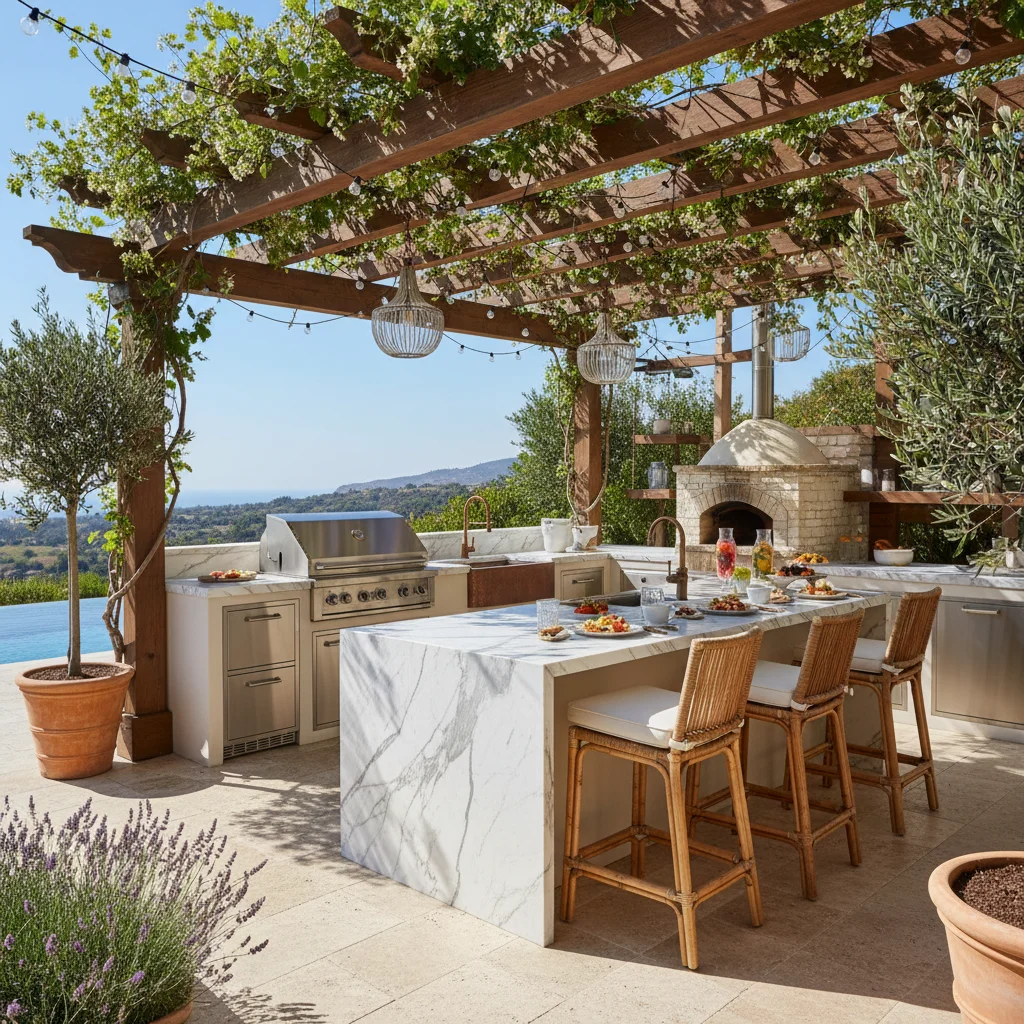
- Integrated Dining and Cooking Zones: The outdoor kitchen has evolved beyond a simple grill. Modern designs include full-service cooking stations with built-in refrigerators, sinks, pizza ovens, and even smokers. Adjacent dining areas often feature expandable tables or bar-height counters for casual meals and entertaining. The goal is to minimize trips indoors, keeping the focus on the outdoor experience.
- Weather-Resistant Entertainment: High-definition outdoor TVs, integrated sound systems, and Wi-Fi boosters ensure that entertainment options are just as robust outdoors as they are indoors. These systems are designed to withstand the elements, providing year-round enjoyment.
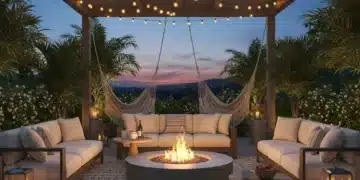
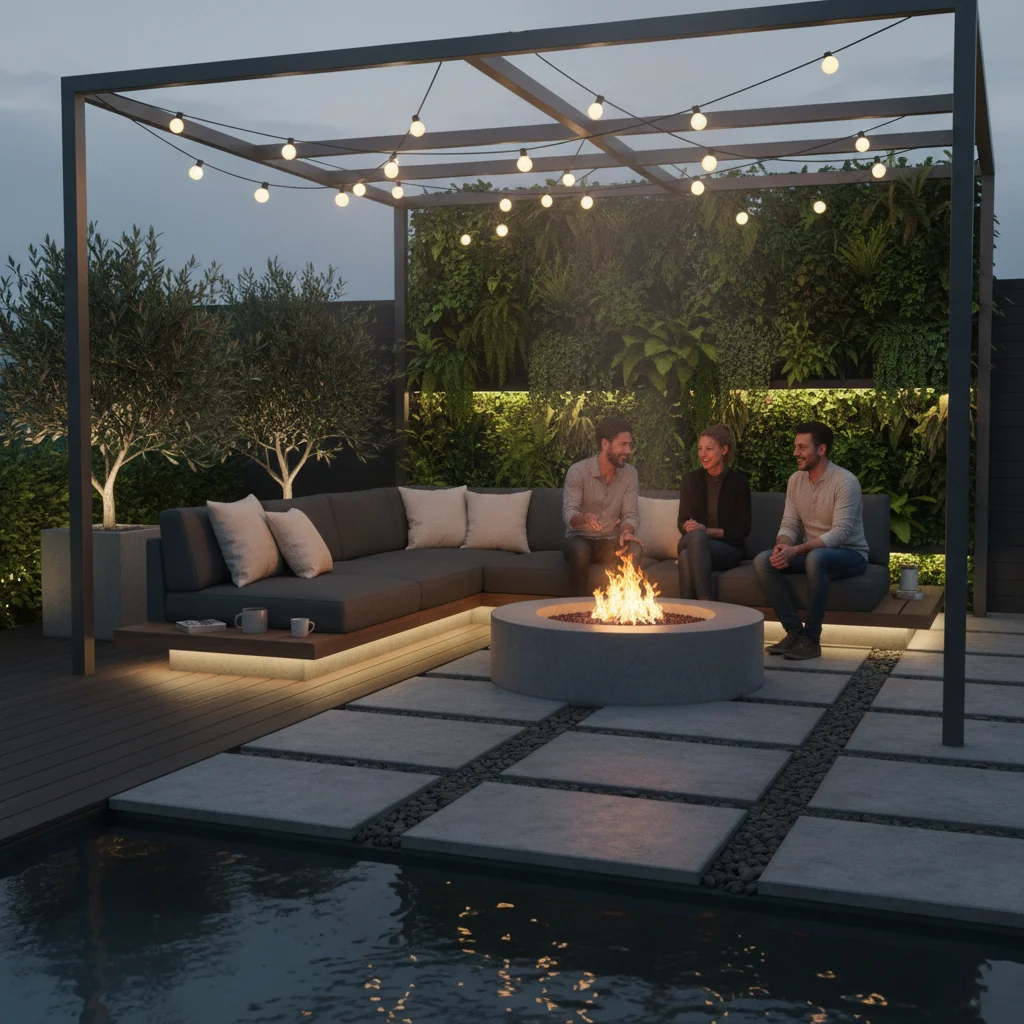
- Shade and Shelter Solutions: Retractable awnings, pergolas with adjustable louvers, and stylish gazebos offer protection from sun and rain, extending the usability of the space. These structures often incorporate lighting and heating elements like infrared heaters or fire pits, making the outdoor room comfortable in various climates and seasons.
- Smart Lighting: Dimmable LED lighting, path lights, and accent lighting create ambiance and enhance safety. Smart lighting systems allow homeowners to control brightness and color temperature from their smartphones, setting the perfect mood for any occasion.
- Privacy Features: Screens, hedges, strategically placed planters, or even outdoor curtains provide intimacy and seclusion, transforming an open area into a private sanctuary.
The appeal of the multi-functional outdoor room lies in its ability to cater to diverse needs without compromising on style or comfort. It represents a smart investment, effectively increasing a home’s usable living area and boosting its overall value. Homeowners are increasingly seeing their outdoor spaces as an extension of their interior design, demanding the same level of sophistication and functionality. This trend is particularly strong in urban and suburban areas where maximizing space is a priority, but its principles are applicable to any home looking to enhance its outdoor living experience. The thoughtful integration of various zones into a cohesive design is what truly defines these innovative Outdoor Living Designs.
2. The Sustainable Sanctuary: Eco-Conscious Outdoor Living
As environmental awareness grows, so does the demand for sustainable and eco-friendly Outdoor Living Designs. In 2026, creating an outdoor sanctuary that not only looks good but also minimizes its environmental footprint is a top priority for many homeowners. This trend goes beyond simply planting native species; it encompasses material selection, water management, energy efficiency, and fostering biodiversity.
Core Components of a Sustainable Outdoor Sanctuary:
- Native and Drought-Tolerant Landscaping: Reducing water consumption is a key aspect of sustainable design. Native plants require less water, are adapted to local climates, and support local wildlife. Drought-tolerant species, succulents, and xeriscaping techniques are becoming increasingly popular, creating beautiful landscapes with minimal irrigation needs.
- Permeable Surfaces: Traditional concrete and asphalt contribute to stormwater runoff and heat island effects. Sustainable designs favor permeable pavers, decomposed granite, gravel, or even grass pavers that allow water to infiltrate the soil, reducing runoff and replenishing groundwater.
- Recycled and Reclaimed Materials: The use of reclaimed wood for decking or pergolas, recycled plastic lumber for furniture, and recycled glass or stone for hardscaping elements is a hallmark of eco-conscious design. These materials reduce demand for new resources and often boast unique aesthetic qualities.
- Water Harvesting Systems: Rain barrels and more sophisticated rainwater harvesting systems collect precipitation for irrigation, significantly reducing reliance on municipal water supplies. Gray water systems, which repurpose water from sinks and showers for landscape use, are also gaining traction.
- Energy-Efficient Lighting: Solar-powered lights and low-voltage LED fixtures are essential for sustainable outdoor lighting. These options consume minimal energy, reduce electricity bills, and often have a longer lifespan.
- Composting and Organic Gardening: Integrating dedicated composting areas and raised garden beds for organic vegetables, herbs, and flowers supports a self-sufficient and healthy lifestyle. These elements not only provide fresh produce but also reduce waste and attract beneficial pollinators.
- Biodiversity Promotion: Designing spaces that attract birds, bees, and butterflies through specific plant choices, bird baths, and insect hotels contributes to local ecosystems and enhances the natural beauty of the outdoor area.
The appeal of the sustainable sanctuary is multi-faceted. It offers homeowners a way to connect with nature, reduce their environmental impact, and often lower maintenance costs in the long run. There’s a growing recognition that a healthy outdoor space contributes to a healthy lifestyle and a healthier planet. These Outdoor Living Designs are not just about aesthetics; they are about creating a harmonious relationship between human habitation and the natural world, fostering a sense of peace and responsibility.
3. The Tech-Integrated Entertainment Zone: Seamless Connectivity and Comfort
In an increasingly connected world, it’s no surprise that technology is playing a pivotal role in shaping Outdoor Living Designs for 2026. The tech-integrated entertainment zone is all about bringing the conveniences and luxuries of indoor technology to the great outdoors, creating spaces that are not just comfortable but also hyper-functional and engaging. This trend caters to the desire for seamless connectivity, advanced control, and immersive experiences right in your backyard.
Innovations in Tech-Integrated Outdoor Entertainment:
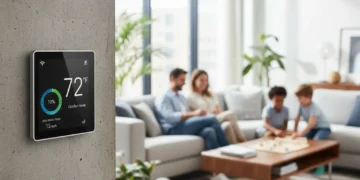
- Smart Home Integration: Outdoor lighting, heating, irrigation systems, and entertainment units are increasingly being integrated into existing smart home ecosystems. This allows for centralized control via voice commands, smartphone apps, or automated schedules, offering unparalleled convenience.
- Advanced Outdoor Audio Systems: High-fidelity, weather-resistant speakers that blend seamlessly into the landscape provide rich, immersive sound. These systems can be zoned, allowing different areas of the outdoor space to play different music or be controlled independently.
- Outdoor Televisions and Projectors: Specifically designed for outdoor use, these screens offer superior brightness, glare reduction, and durability against the elements. Paired with outdoor projectors and retractable screens, they create cinematic viewing experiences for movies, sports, and gaming under the stars.
- Automated Shade and Climate Control: Motorized pergolas, retractable awnings, and smart blinds can be controlled remotely or programmed to adjust based on sun intensity and temperature. Integrated misting systems or outdoor fans provide cooling, while built-in heaters extend the usability of the space into cooler evenings.
- Wireless Charging Stations and Power Outlets: Strategically placed outdoor-rated power outlets and wireless charging pads ensure that devices remain powered without cluttering the space with cords.
- Enhanced Wi-Fi and Connectivity: Robust outdoor Wi-Fi extenders and mesh networks guarantee strong, reliable internet access throughout the entertainment zone, essential for streaming, smart device control, and even outdoor work.
- Security and Surveillance: Integrated outdoor cameras and smart locks add an extra layer of security, allowing homeowners to monitor their outdoor space remotely and ensure peace of mind.
The tech-integrated entertainment zone transforms the backyard into a dynamic and interactive environment. It’s ideal for those who love to host, enjoy outdoor movies, or simply want to extend their digital lifestyle beyond the confines of their home. These innovative Outdoor Living Designs are about creating an effortless experience, where comfort and entertainment are just a touch or voice command away. The focus is on robust, weather-proof technology that enhances the outdoor experience without being intrusive, blending seamlessly into the overall design.
Designing Your Dream Outdoor Living Space: What to Consider
Embarking on an Outdoor Living Designs project requires careful planning and consideration. While the trends of multi-functional rooms, sustainable sanctuaries, and tech-integrated zones offer exciting possibilities, the best design for you will always be one that aligns with your specific needs, lifestyle, and local environment. Here are some crucial factors to keep in mind:
Your Lifestyle and Needs:
- How do you envision using the space? Do you frequently host large parties, prefer quiet evenings with family, or need a dedicated area for personal wellness?
- What activities are most important to you? Cooking, dining, lounging, swimming, gardening, exercising, or working outdoors?
- Who will be using the space? Consider children, pets, elderly family members, and their specific needs for safety and accessibility.
Climate and Environment:
- What are your local weather patterns? Extreme heat, cold, wind, or heavy rainfall will influence material choices, shade solutions, and heating/cooling options.
- How much sun exposure does your space receive? This will dictate plant choices and the necessity for shade structures.
- Are there any local regulations or HOA rules? Check for restrictions on structures, fencing, or material usage.
Budget and Investment:
- Establish a realistic budget early on. This will help guide your choices in materials, features, and professional services.
- Consider the long-term value. High-quality, durable materials and thoughtful design can increase your property value and provide lasting enjoyment.
- Prioritize your features. Decide which elements are must-haves and which can be added later as your budget allows.
Professional Guidance:
- Consult with landscape architects or designers. Professionals can help translate your vision into a practical plan, navigate complex installations, and ensure compliance with local codes.
- Seek out contractors specializing in outdoor living. Their expertise will be invaluable for proper construction and installation of specialized features like outdoor kitchens or smart tech.
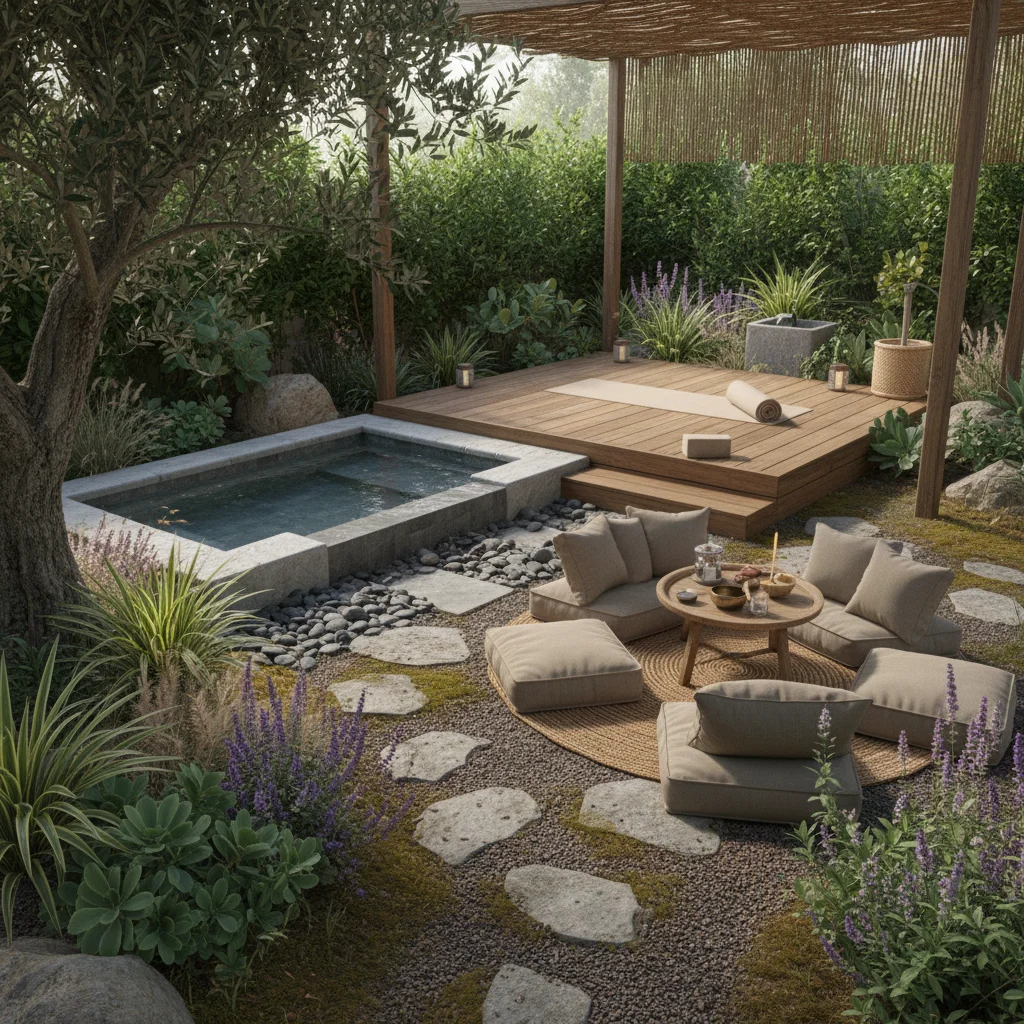
The Future of Outdoor Living is Now
The innovative Outdoor Living Designs popular across the U.S. in 2026 are a testament to our evolving relationship with our homes and the environment. They reflect a desire for spaces that are not only beautiful but also highly functional, sustainable, and technologically advanced. Whether you’re drawn to the versatility of a multi-functional outdoor room, the tranquility of a sustainable sanctuary, or the cutting-edge convenience of a tech-integrated entertainment zone, there’s an outdoor design solution to fit every dream.
Investing in your outdoor space is an investment in your lifestyle, well-being, and property value. By embracing these trends and tailoring them to your unique preferences, you can create an outdoor oasis that serves as a true extension of your home, offering comfort, joy, and endless opportunities for making memories. Start envisioning your ideal outdoor space today, and take the first step towards transforming your backyard into the ultimate destination for relaxation and entertainment.
Embracing the Trends: A Holistic Approach
It’s important to recognize that these three major trends in Outdoor Living Designs are not mutually exclusive. In fact, the most successful outdoor spaces often integrate elements from all three. Imagine a multi-functional outdoor room that incorporates native, drought-tolerant plants and permeable paving, all while being controlled by a smart home system that manages lighting, music, and climate. This holistic approach to design creates a truly integrated and sustainable living experience.
For instance, a homeowner might design a spacious patio with modular seating and an outdoor kitchen (multi-functional room), utilize recycled materials for decking and incorporate a rain garden for water management (sustainable sanctuary), and then equip the space with an outdoor TV, smart lighting, and a robust Wi-Fi system for seamless entertainment (tech-integrated zone). The synergy between these elements is what elevates a simple backyard into an extraordinary living environment.
Furthermore, the emphasis on personalization cannot be overstated. While trends provide a framework, the ultimate goal is to create a space that reflects your individual taste and needs. Don’t be afraid to mix and match elements, experiment with different styles, and infuse your personality into every corner of your outdoor design. The beauty of these 2026 trends lies in their flexibility and adaptability, allowing for a wide range of interpretations.
The Economic and Social Impact of Enhanced Outdoor Living
Beyond personal enjoyment, the rise of sophisticated Outdoor Living Designs also has significant economic and social implications. For many, a well-designed outdoor space has become a critical factor in home buying decisions, directly impacting property values and market appeal. Real estate experts consistently report that attractive outdoor amenities are among the top features homebuyers seek, offering a strong return on investment.
Socially, these spaces foster connection and community. They provide perfect settings for family gatherings, neighborly barbecues, and informal get-togethers, encouraging more face-to-face interaction in an increasingly digital world. The ability to entertain comfortably outdoors reduces the need for external venues and strengthens the home as a central hub for social activity.
Moreover, the focus on wellness and sustainability in outdoor design contributes to a healthier collective lifestyle. Promoting native plants and water conservation helps local ecosystems, while encouraging outdoor activity and relaxation has proven mental and physical health benefits. These Outdoor Living Designs are not just about luxury; they are about building better, healthier, and more connected lives.
Looking Ahead: What’s Next for Outdoor Living?
While 2026 showcases these three dominant trends, the evolution of outdoor living is continuous. We can anticipate further advancements in:
- Biophilic Design: Even deeper integration of natural elements and patterns to enhance human well-being and connection to nature.
- Micro-Outdoor Spaces: Innovative solutions for small urban balconies and patios, maximizing functionality and aesthetics in limited areas.
- Advanced Robotics: Automated lawn care, pool cleaning, and even smart gardening assistants that simplify maintenance.
- Personalized Climate Control: More sophisticated individual zoning for heating and cooling, adapting to personal preferences in different areas of the outdoor space.
The journey to creating your ideal outdoor living space is an exciting one. By understanding the current landscape of Outdoor Living Designs and looking towards future innovations, you can ensure your home remains a sanctuary that adapts to your needs and continues to inspire for years to come. Embrace the possibilities, dream big, and transform your outdoor areas into vibrant, functional, and beautiful extensions of your home.