Cut Utility Bills 15% by 2026: Smart Home Savings Guide
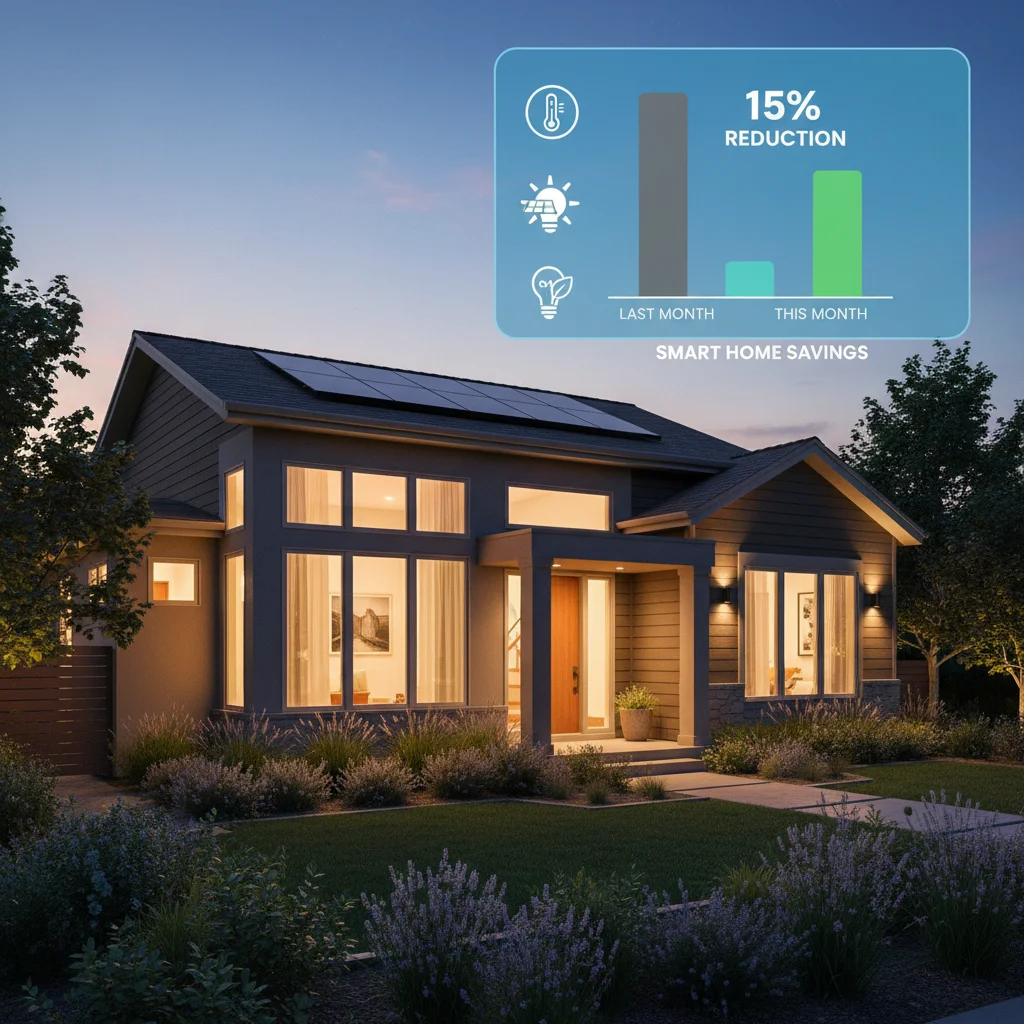
How to Cut Utility Bills by 15% by 2026: Your Ultimate Guide to Smart Savings
Are you tired of skyrocketing utility bills eating into your budget? Imagine a future where you could reliably cut utility bills by a significant 15% or more, all while enhancing your home’s comfort and value. This isn’t a pipe dream; it’s an achievable goal for every US homeowner by 2026. With strategic planning, smart technology integration, and a commitment to energy-efficient practices, you can make a substantial impact on your monthly expenses. This comprehensive guide will walk you through the essential steps, from quick fixes to long-term investments, ensuring you’re well-equipped to achieve your savings targets.
The average American household spends thousands of dollars annually on utilities, a cost that only seems to climb. Factors like aging infrastructure, fluctuating energy prices, and increasing demand contribute to this burden. However, by proactively adopting energy-saving measures, you not only save money but also contribute to a more sustainable future. This article will delve deep into practical solutions, offering a roadmap to help you cut utility bills effectively and sustainably over the next few years. We’ll explore everything from simple behavioral changes to advanced smart home technologies, empowering you to take control of your energy consumption.
Understanding Your Current Utility Consumption to Cut Utility Bills
Before you can effectively cut utility bills, you need to understand where your money is currently going. Utility bills often seem like a mysterious black box, but with a little investigation, you can uncover valuable insights. Most utility providers offer detailed breakdowns of your usage. Take the time to review these statements. Identify peak usage times, compare your consumption to previous months or years, and look for any anomalies. Many providers also offer online portals or apps that allow you to track your real-time energy consumption, which can be incredibly illuminating.
Analyzing Your Energy Bill
- Electricity: This typically accounts for the largest portion of utility costs, especially for homes with electric heating/cooling, water heaters, and numerous appliances. Pay attention to kWh usage.
- Natural Gas: Primarily used for heating, water heating, and cooking. Look at therms or CCF (hundred cubic feet) consumed.
- Water: Measured in gallons or cubic feet. Leaks, inefficient appliances, and watering habits are common culprits for high water bills.
- Other Utilities: Depending on your location, this might include sewer, trash, or internet services. While some are fixed, optimizing water and waste can still lead to savings.
A home energy audit is another powerful tool. Many utility companies offer free or low-cost audits, or you can hire a professional. An auditor will inspect your home for inefficiencies, such as poor insulation, air leaks, and outdated appliances, providing a detailed report with recommendations. This baseline understanding is crucial for setting realistic goals and prioritizing your efforts to cut utility bills.
Quick Wins: Immediate Steps to Cut Utility Bills
You don’t have to wait to start saving. Several simple, no-cost or low-cost adjustments can immediately help you cut utility bills. These changes often involve modifying daily habits and making minor adjustments around the house.
Behavioral Changes for Instant Savings
- Adjust Thermostat Settings: Set your thermostat a few degrees lower in winter and a few degrees higher in summer. Even a 1-degree change can yield significant savings. Consider programming it to adjust when you’re away or asleep.
- Unplug “Vampire” Electronics: Many electronics continue to draw power even when turned off, a phenomenon known as “phantom load” or “vampire drain.” Unplug chargers, TVs, computers, and other devices when not in use.
- Use Natural Light and Air: Maximize natural light during the day to reduce reliance on artificial lighting. Open windows and use fans instead of AC when the weather permits.
- Wash Laundry in Cold Water: Heating water for laundry accounts for a significant portion of energy use. Modern detergents are highly effective in cold water.
- Shorter Showers: Reduce your shower time by a few minutes to conserve hot water.
- Cook Smart: Use lids on pots to trap heat, utilize smaller appliances like microwaves and slow cookers for efficiency, and turn off burners a few minutes before food is fully cooked to use residual heat.
Low-Cost Upgrades with High Impact
- Seal Air Leaks: Use caulk and weatherstripping to seal gaps around windows, doors, and utility penetrations. This is one of the most cost-effective ways to improve insulation and cut utility bills related to heating and cooling.
- Install LED Lighting: Replace incandescent bulbs with energy-efficient LEDs. They use up to 90% less energy and last much longer.
- Insulate Water Heater: If your water heater is older, insulating it with a water heater blanket can reduce heat loss and lower energy consumption.
- Clean or Replace Air Filters: Dirty HVAC filters restrict airflow, making your system work harder and consume more energy. Change them monthly or as recommended.
- Install Low-Flow Fixtures: Low-flow showerheads and faucet aerators significantly reduce water consumption without sacrificing pressure, helping you cut utility bills for water and water heating.
Smart Home Technology: The Future of Energy Savings to Cut Utility Bills
Smart home technology offers an unprecedented level of control and automation, making it easier than ever to cut utility bills. These devices learn your habits, optimize energy usage, and provide valuable insights into your consumption patterns. Investing in smart home tech now will pay dividends by 2026 and beyond.
Smart Thermostats
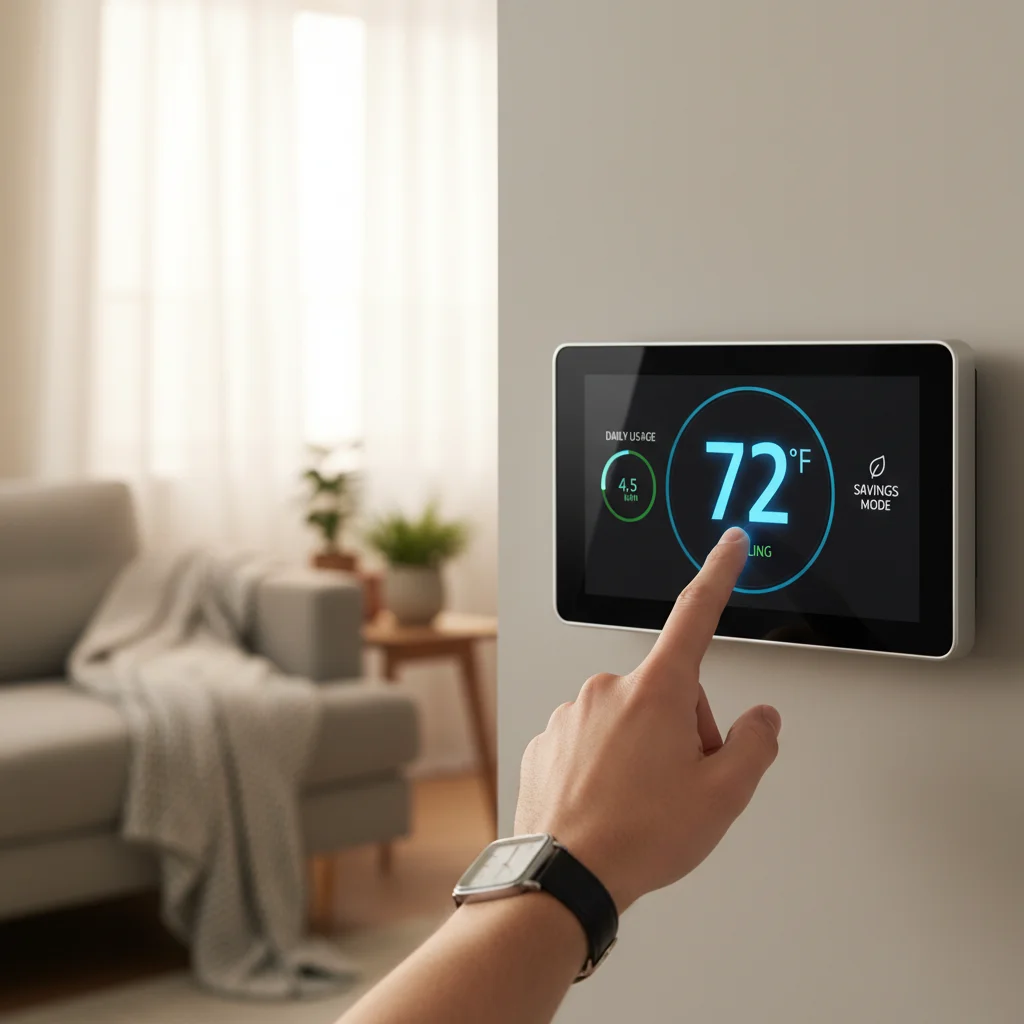
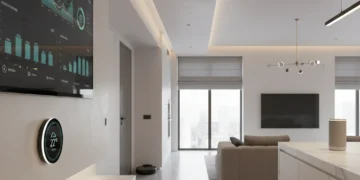
Smart thermostats like Nest, Ecobee, and Honeywell Home are game-changers. They learn your preferred temperatures, create schedules based on your routine, and can be controlled remotely via a smartphone app. Many also feature occupancy sensors, turning down the HVAC when no one is home, and integrate with local weather forecasts to optimize heating and cooling. Some even provide detailed energy usage reports, helping you pinpoint areas for improvement and further cut utility bills.
Smart Lighting Systems
Smart light bulbs and switches allow you to control your lighting from anywhere, schedule lights to turn on and off, and dim them to conserve energy. Motion sensors can ensure lights are only on when a room is occupied. This level of control prevents wasted energy from lights being left on unnecessarily, contributing significantly to your goal to cut utility bills.
Smart Plugs and Power Strips
These devices turn any ordinary appliance into a smart one. Plug your “vampire” electronics into smart plugs, and you can remotely turn them off or schedule them to power down during off-peak hours. Smart power strips can detect when devices are in standby mode and cut power to them automatically, eliminating phantom load and helping you cut utility bills effortlessly.
Smart Water Leak Detectors and Controllers
Water leaks can be incredibly costly, often going unnoticed until significant damage occurs. Smart water leak detectors alert you at the first sign of a leak, and some systems can even automatically shut off your main water supply. Smart irrigation systems use local weather data to water your lawn only when necessary, preventing overwatering and reducing your water bill.
Energy Monitoring Systems
Whole-home energy monitors, such as Sense or Emporia Vue, provide real-time data on your electricity consumption, often breaking it down by individual appliance. This granular insight empowers you to identify energy hogs and make informed decisions on how to further cut utility bills. Understanding exactly what’s using power is the first step to reducing it.
Long-Term Investments: Significant Savings by 2026
While quick wins and smart tech offer immediate benefits, certain long-term investments provide the most substantial and lasting impact on your ability to cut utility bills. These projects often require a larger upfront cost but offer excellent returns on investment over time, easily helping you reach and exceed the 15% savings target by 2026.
HVAC System Upgrades
Your heating, ventilation, and air conditioning (HVAC) system is likely the biggest energy consumer in your home. An old, inefficient system can be a major drain on your finances. Upgrading to a high-efficiency HVAC unit, such as an ENERGY STAR certified model, can dramatically reduce your heating and cooling costs. Consider heat pumps, which are incredibly efficient for both heating and cooling, especially in moderate climates. Regular maintenance, including annual tune-ups, also ensures your system runs optimally.
Improved Insulation and Air Sealing
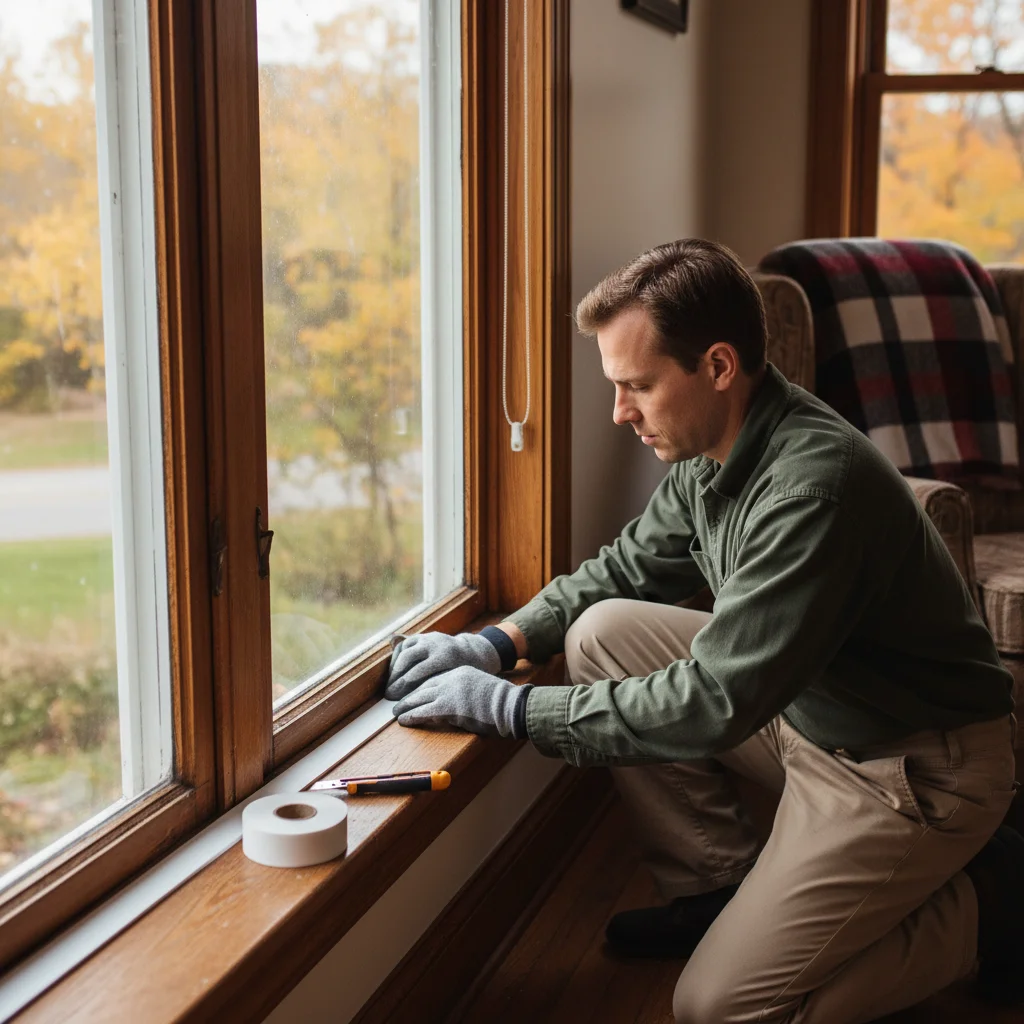
Beyond basic weatherstripping, investing in better insulation for your attic, walls, and crawl spaces can significantly improve your home’s thermal envelope. A well-insulated home retains heat in winter and repels it in summer, drastically reducing the workload on your HVAC system. Professional air sealing can identify and seal larger leaks in your home’s structure, preventing conditioned air from escaping. These improvements are fundamental to effectively cut utility bills related to climate control.
Window and Door Replacements
Old, single-pane windows and poorly sealed doors are major sources of heat loss and gain. Replacing them with ENERGY STAR certified windows and doors, especially those with double or triple-pane glass and low-emissivity (Low-E) coatings, can make a huge difference. While a significant investment, this upgrade not only helps you cut utility bills but also improves comfort, reduces noise, and enhances your home’s curb appeal.
Energy-Efficient Appliances
When it’s time to replace old appliances, always opt for ENERGY STAR certified models. Refrigerators, dishwashers, washing machines, and water heaters with this label are designed to be more energy-efficient, using less electricity, gas, or water. While the initial purchase price might be slightly higher, the long-term savings on your utility bills will quickly offset the difference, helping you to cut utility bills consistently.
Solar Panel Installation
For the ultimate long-term investment in energy independence and savings, consider installing solar panels. Photovoltaic (PV) systems generate clean electricity from the sun, significantly reducing or even eliminating your electricity bill. With various government incentives, tax credits, and decreasing installation costs, solar power is more accessible than ever. By 2026, a well-sized solar array could largely insulate you from rising electricity prices and help you drastically cut utility bills.
Water Heater Upgrades
Beyond insulating your existing water heater, consider upgrading to a more efficient model. Tankless water heaters heat water on demand, eliminating standby heat loss. Heat pump water heaters use ambient air to heat water, making them significantly more efficient than traditional electric resistance models. These upgrades can lead to substantial savings on your hot water costs, a major component of most utility bills.
Sustainable Practices: Beyond Savings, Towards a Greener Future
Adopting sustainable practices not only helps you cut utility bills but also contributes to environmental preservation and a healthier planet. These practices often go hand-in-hand with energy efficiency and can further amplify your savings by 2026.
Water Conservation Strategies
- Rainwater Harvesting: Collect rainwater for irrigation, reducing reliance on municipal water for your garden.
- Xeriscaping: Choose drought-tolerant plants for your landscaping to minimize watering needs.
- Greywater Systems: In some areas, treated greywater (from sinks, showers, and laundry) can be reused for irrigation or toilet flushing, significantly reducing your water bill.
- Regular Leak Checks: Periodically check for leaks in toilets, faucets, and irrigation systems. Even small drips add up.
Waste Reduction and Recycling
While not directly a utility bill item for all, reducing waste can lower trash collection costs and minimizes your environmental footprint. Embrace composting for organic waste and actively participate in recycling programs. The less you send to the landfill, the better for your wallet and the planet.
Mindful Energy Consumption
Even with the most advanced technology, conscious behavior remains paramount. Teach everyone in your household the importance of turning off lights, unplugging devices, and being mindful of thermostat settings. Regular discussions and reminders can instill a culture of energy conservation that will continue to help you cut utility bills for years to come.
Community and Government Programs
Stay informed about local, state, and federal programs designed to encourage energy efficiency. Many governments offer rebates, tax credits, or low-interest loans for energy-efficient upgrades, solar panel installations, and home energy audits. These programs can significantly reduce the upfront cost of your investments, making it even easier to cut utility bills and achieve your 2026 savings goal.
Monitoring Progress and Adjusting Your Strategy to Cut Utility Bills
Achieving a 15% reduction in utility bills by 2026 is an ongoing process that requires regular monitoring and adjustments. Don’t set it and forget it. Regularly review your utility statements, especially after implementing new changes or upgrades.
Key Metrics to Track
- Monthly Usage (kWh, therms, gallons): Compare current usage to previous months and the same month in prior years.
- Cost Per Unit: Be aware of any changes in utility rates.
- Seasonal Trends: Understand how your usage fluctuates with the seasons and adjust your strategy accordingly.
- Return on Investment (ROI): For larger investments, track how long it takes for the savings to pay back the initial cost.
If you find that your efforts aren’t yielding the desired results, don’t be discouraged. Revisit your home energy audit report, look for new technologies, or consult with an energy efficiency expert. The goal to cut utility bills by 15% by 2026 is ambitious but entirely attainable with consistent effort and informed decision-making.
Conclusion: Your Path to Significant Savings by 2026
The journey to significantly cut utility bills by 15% by 2026 is a rewarding one, both for your wallet and the environment. By combining smart behavioral changes, strategic adoption of smart home technology, and wise long-term investments, you can transform your home into an energy-efficient haven. Start with understanding your current consumption, implement quick wins, explore the benefits of smart devices, and plan for bigger upgrades like insulation, HVAC, and solar. Remember to continuously monitor your progress and adapt your strategy as needed.
Taking control of your home’s energy consumption is an empowering step towards financial freedom and a sustainable lifestyle. The resources and technologies are readily available; all that’s required is your commitment. Begin today, and by 2026, you’ll not only be enjoying substantially lower utility bills but also the peace of mind that comes with a more efficient, comfortable, and environmentally friendly home. Your future self (and your bank account) will thank you for making the effort to cut utility bills.