Smart Home Upgrades 2026: Cut Utility Bills by 15% with Top Devices
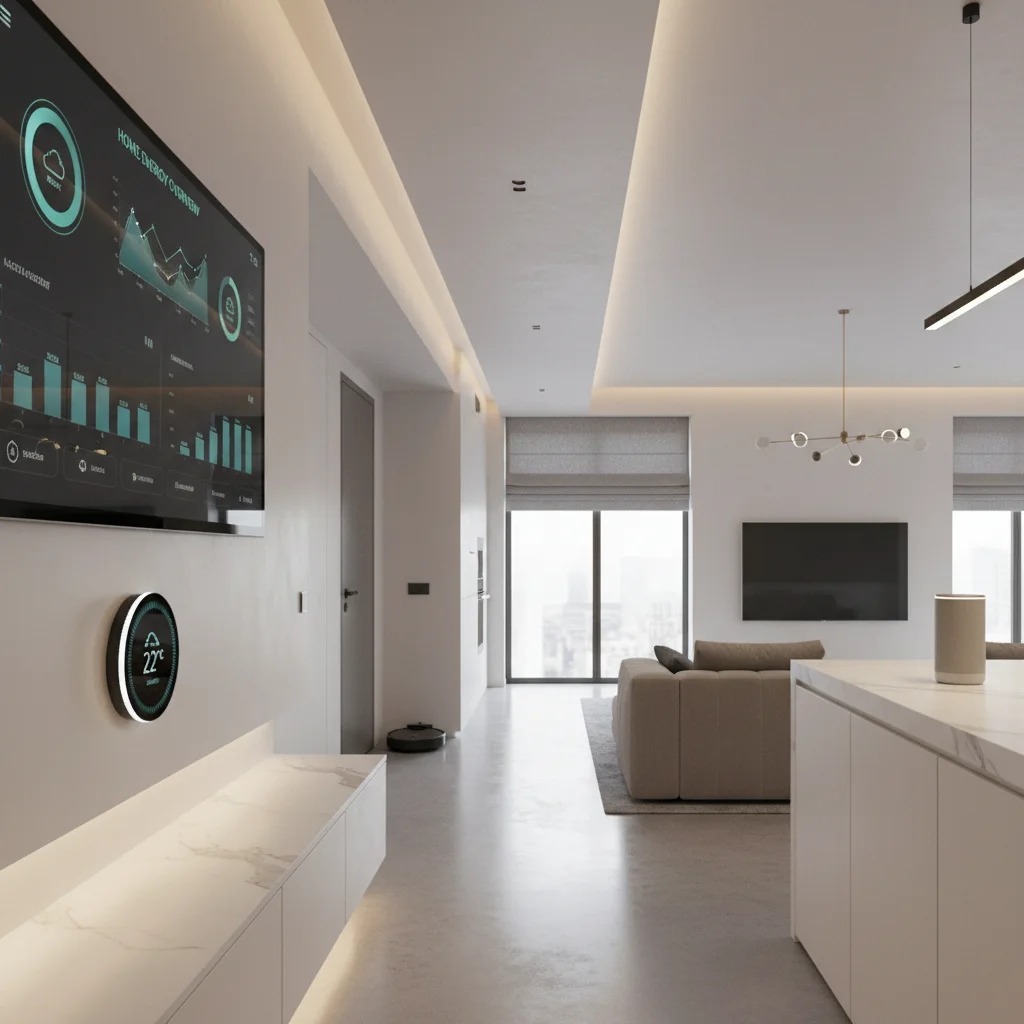
Smart Home Upgrades for 2026: 5 Devices That Cut Utility Bills by 15%
In an era where sustainability and cost-efficiency are paramount, the concept of a ‘smart home’ has evolved beyond mere convenience. We’re no longer just talking about turning lights on with your voice; we’re talking about sophisticated ecosystems designed to optimize every watt, every degree, and every drop of water. As we look ahead to 2026, the advancements in smart home technology promise even greater strides in reducing our environmental footprint and, more tangibly, our monthly utility bills. This article delves into the top 5 smart home upgrades that are poised to deliver significant savings, potentially cutting your utility expenses by a remarkable 15% or more. Get ready to embrace the future of efficient living and discover how these innovative devices contribute to substantial smart home energy savings.
The Dawn of Smarter Living: Why Smart Home Energy Savings Matter More Than Ever
The global energy landscape is constantly shifting, with rising costs and increasing awareness of climate change driving a demand for more efficient energy consumption. Homeowners are actively seeking ways to reduce their energy footprint, not just for the planet, but for their wallets too. This is where smart home technology steps in as a powerful ally. By integrating intelligent devices, you gain unprecedented control and insight into your home’s energy usage, allowing for precise adjustments and automated optimizations that were once impossible. The promise of smart home energy savings isn’t just a marketing slogan; it’s a tangible reality that can reshape your household budget.
The interconnected nature of smart home systems means that devices can communicate and cooperate, creating a synergistic effect that amplifies individual savings. For instance, a smart thermostat can work in tandem with smart blinds and occupancy sensors to create an optimal climate control strategy. This level of integrated intelligence is what truly differentiates modern smart homes from simple automation. As technology continues to evolve, these systems become more intuitive, more powerful, and more accessible, making smart home energy savings a achievable goal for a wider audience.
Understanding the 15% Savings Potential
Achieving a 15% reduction in utility bills might sound ambitious, but with the right combination of smart home devices and conscious usage, it’s an entirely realistic goal. This percentage often comes from a combination of factors:
- Eliminating Phantom Load: Many electronics consume power even when turned off (the ‘vampire drain’). Smart plugs and power strips can completely cut power to these devices when not in use.
- Optimized HVAC Usage: Heating and cooling are typically the largest energy consumers in a home. Smart thermostats, with their learning capabilities and remote access, can drastically reduce wasted energy.
- Efficient Lighting: Smart lighting systems allow for precise control over brightness, color, and scheduling, ensuring lights are only on when and where they are needed.
- Water Conservation: Smart water monitors can detect leaks and help optimize irrigation, preventing costly waste.
- Proactive Monitoring: Real-time energy monitoring provides actionable insights, empowering homeowners to make informed decisions about their consumption habits.
By addressing these key areas, the cumulative effect of smart home energy savings can indeed lead to significant reductions in your overall utility expenses. Let’s explore the specific devices that will be at the forefront of this revolution in 2026.
1. The Next-Gen Smart Thermostat: Precision Climate Control for Maximum Smart Home Energy Savings
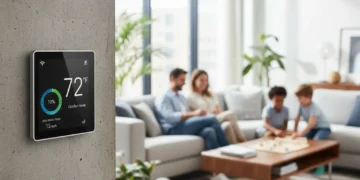
The smart thermostat has long been a cornerstone of energy-efficient homes, but by 2026, these devices will have evolved into highly sophisticated climate management systems. Beyond simple scheduling and remote control, the next generation of smart thermostats will leverage advanced AI and machine learning algorithms to create hyper-personalized heating and cooling profiles. They will integrate seamlessly with a wider array of sensors and external data sources to deliver unparalleled smart home energy savings.
Key Features to Look for in 2026:
- Predictive Learning & AI Integration: Future smart thermostats won’t just learn your habits; they’ll predict them with greater accuracy. Utilizing AI, they’ll analyze local weather forecasts, grid demand, and even your personal calendar (with your permission) to pre-condition your home for optimal comfort and efficiency. Imagine your thermostat knowing you’re heading home early because your meeting ended, and adjusting the temperature just in time, without you lifting a finger.
- Multi-Zone Control & Occupancy Sensing: While multi-zone systems exist today, 2026 will see more affordable and easier-to-install solutions. Combined with highly accurate occupancy sensors (and even facial recognition in some high-end models), these thermostats will ensure that only occupied areas are heated or cooled to your desired temperature, preventing energy waste in unused rooms.
- Integration with Renewable Energy Sources: For homes with solar panels or other renewable energy systems, smart thermostats will play a crucial role in optimizing energy usage. They’ll be able to shift energy consumption to times when renewable energy generation is highest or when grid electricity prices are lowest, further maximizing smart home energy savings.
- Advanced Air Quality Monitoring: Beyond temperature, these thermostats will incorporate sophisticated air quality sensors, monitoring pollutants, humidity, and allergens. They’ll then intelligently control HVAC systems to improve indoor air quality while maintaining energy efficiency.
- Haptic Feedback & Intuitive Interfaces: User experience will be enhanced with more intuitive touchscreens, voice control, and even haptic feedback, making interaction seamless and enjoyable.
The impact of these advanced smart thermostats on smart home energy savings cannot be overstated. By precisely managing your home’s climate, they can significantly reduce the energy consumption associated with heating and cooling, which often accounts for 40-50% of a typical household’s energy bill. A 10-15% reduction from this category alone is easily achievable with a truly intelligent system.
2. Smart Lighting Systems: Beyond Ambiance to Ultimate Smart Home Energy Savings
Smart lighting has been a popular entry point into smart home technology, offering convenience and aesthetic appeal. However, by 2026, these systems will be central to smart home energy savings, moving far beyond simple on/off control and dimming. They will become highly interconnected, responsive ecosystems that minimize wasted electricity through intelligent automation and personalized control.
Innovations in Smart Lighting for 2026:
- Hyper-Efficient LED Technology: While LEDs are already efficient, future advancements will lead to even lower wattage requirements for the same or greater lumen output, further reducing the energy footprint of lighting.
- Adaptive Lighting & Circadian Rhythms: Smart lighting systems will intelligently adjust not just brightness, but also color temperature throughout the day to mimic natural light cycles. This not only promotes well-being but also optimizes energy use by providing appropriate illumination levels based on the time of day and natural light availability.
- Occupancy & Motion Sensing with AI: Integrated sensors will become more accurate and less prone to false positives. AI will allow the system to learn patterns of movement and occupancy, ensuring lights are only on when a space is actively being used and turning them off promptly when it’s empty. This is a massive contributor to smart home energy savings.
- Daylight Harvesting: Advanced sensors will precisely measure natural light levels and adjust artificial lighting accordingly, dimming or turning off lights in areas that receive sufficient daylight. This passive energy saving mechanism will be a standard feature.
- Integration with Security & Safety: Smart lights will integrate with security systems, flashing or changing color to alert occupants during emergencies or deter intruders, adding value beyond just energy savings.
Consider the cumulative effect: lights that turn off automatically when you leave a room, dim when there’s ample daylight, and adjust to your schedule. This level of automation can lead to substantial reductions in your electricity bill, making smart lighting a powerful tool for smart home energy savings.
3. Smart Plugs & Power Strips: Eliminating Phantom Load for Real Smart Home Energy Savings
The silent drain of ‘phantom load’ or ‘vampire power’ from electronics plugged in but not actively in use is a significant, yet often overlooked, contributor to high utility bills. Smart plugs and power strips are the unsung heroes in combating this waste, and by 2026, they will be even more intelligent and integral to smart home energy savings strategies.
Evolving Features of Smart Plugs & Power Strips:
- Individual Outlet Monitoring & Control: While some smart power strips offer this today, 2026 models will provide granular control over every single outlet, allowing you to monitor and switch off specific devices remotely or via automated schedules.
- Advanced Energy Monitoring & Reporting: These devices will offer more detailed, real-time energy consumption data for each connected appliance, presented in easy-to-understand dashboards. This insight empowers users to identify energy-hungry devices and make informed decisions.
- AI-Powered Phantom Load Detection: Future smart plugs will use AI to learn the typical power consumption patterns of connected devices. If a device is drawing power outside of its normal operational hours (e.g., a TV drawing power at 3 AM when no one is watching), the smart plug can automatically cut power, thus boosting smart home energy savings.
- Integration with Occupancy Sensors: Imagine your smart TV and gaming console automatically powering down when an occupancy sensor detects no one in the living room for an extended period. This seamless integration will prevent unnecessary standby power consumption.
- Surge Protection & Device Health Monitoring: Beyond energy savings, these devices will offer enhanced surge protection and even monitor the health of connected appliances, alerting you to potential issues before they become critical.
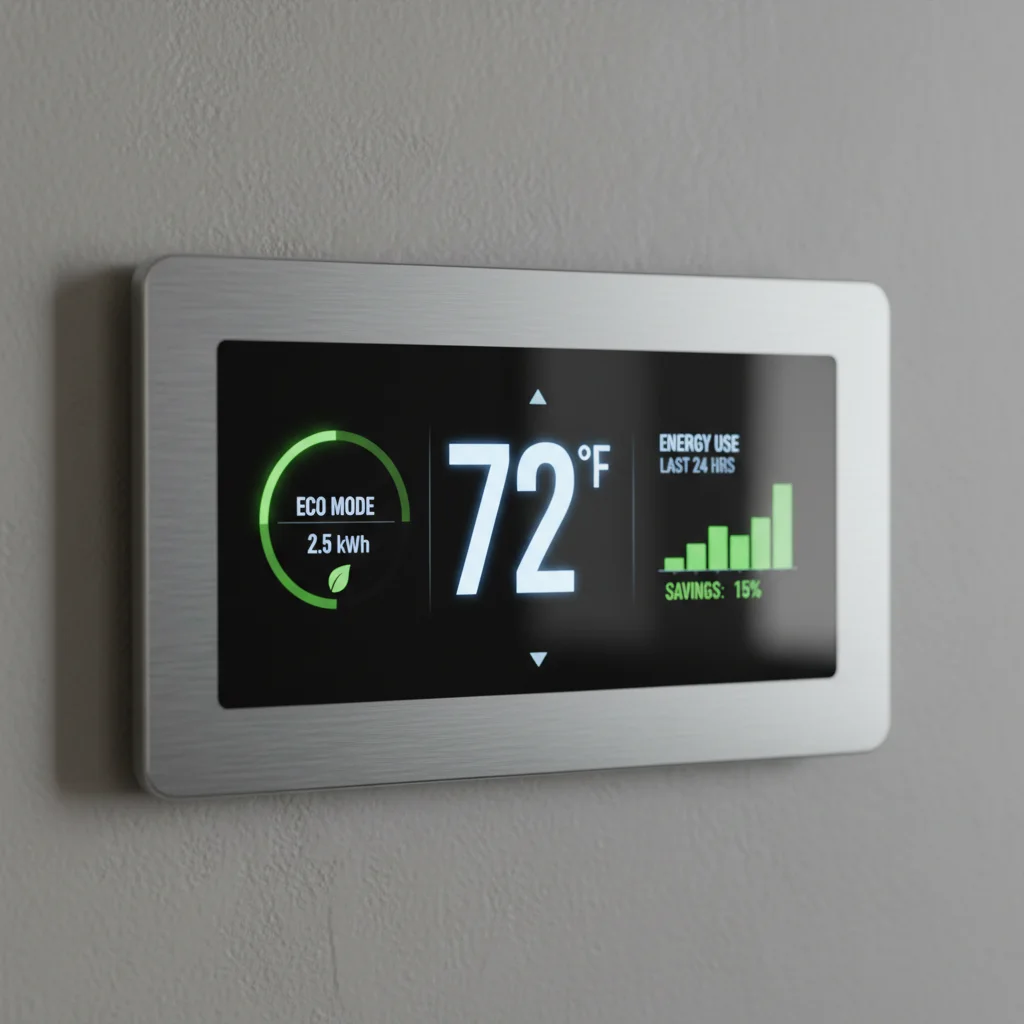
By strategically deploying smart plugs and power strips throughout your home, you can effectively eliminate wasted energy from devices in standby mode. This simple yet effective upgrade can contribute significantly to overall smart home energy savings, often accounting for several percentage points off your electricity bill.
4. Smart Water Heaters & Water Leak Detectors: Conserving H2O and Energy for Smart Home Energy Savings
Water heating is often the second-largest energy expense in a home, after HVAC. Combined with the potential for costly water leaks, managing water usage intelligently offers substantial opportunities for smart home energy savings. In 2026, smart water heaters and advanced leak detection systems will be indispensable tools for homeowners.
Innovations in Smart Water Management:
- AI-Powered Smart Water Heaters: Future smart water heaters will move beyond simple scheduling. They’ll learn your hot water usage patterns, anticipate demand, and heat water only when needed, minimizing standby heat loss. They’ll also integrate with other smart home systems, for example, pre-heating water only when an occupancy sensor detects someone is home and likely to shower.
- Real-time Water Flow Monitoring: Advanced sensors will provide instantaneous data on water consumption for the entire household, allowing you to see exactly how much water is being used by showers, appliances, and irrigation. This visibility is crucial for identifying areas of waste.
- Proactive Leak Detection & Automatic Shut-off: Water leak detectors will become more sophisticated, not just identifying leaks but pinpointing their location with greater accuracy. Crucially, they will integrate with smart main water valves that can automatically shut off the water supply to prevent catastrophic damage and wasted water, saving both money and potential repair costs.
- Smart Irrigation Systems with Hyperlocal Weather Data: For homes with irrigation, smart systems will leverage hyperlocal weather forecasts, soil moisture sensors, and plant-specific needs to optimize watering schedules, preventing overwatering and conserving water.
- Greywater Recycling Integration: While more advanced, some smart homes in 2026 will start to integrate with greywater recycling systems, using treated wastewater for irrigation or toilet flushing, further reducing fresh water consumption.
The dual benefit of reduced energy for water heating and minimized water waste makes smart water management systems incredibly effective for achieving smart home energy savings. Preventing a single major leak can save thousands in repairs and wasted water, while optimizing water heating can cut those specific energy costs by 10-20%.
5. Integrated Home Energy Management Systems (HEMS): The Orchestrator of Smart Home Energy Savings
While individual smart devices offer significant benefits, the true power of smart home energy savings lies in their integration. By 2026, Integrated Home Energy Management Systems (HEMS) will evolve into sophisticated orchestrators, bringing all your smart devices under one intelligent umbrella to maximize efficiency and provide comprehensive insights.
The Future of HEMS:
- Centralized AI-Powered Dashboard: HEMS will feature intuitive, AI-driven dashboards that provide a holistic view of your home’s energy consumption across all connected devices. This will include real-time data, historical trends, and predictive analytics, highlighting areas for improvement.
- Automated Energy Optimization Routines: Rather than setting individual schedules for each device, HEMS will allow you to create complex, intelligent routines. For example, an ‘Away’ routine could automatically set back your thermostat, turn off unnecessary lights, power down entertainment systems via smart plugs, and even put your water heater into eco-mode.
- Grid Integration & Demand Response: Future HEMS will be able to communicate with the energy grid. During peak demand periods (when electricity is most expensive), the system can automatically adjust non-essential device usage, or even temporarily draw from home battery storage if available, to reduce your costs and support grid stability. Utilities may even offer incentives for participation in these demand response programs, boosting smart home energy savings.
- Seamless Device Interoperability: The fragmentation of smart home platforms will largely be resolved by 2026, with HEMS acting as a universal translator, allowing devices from different manufacturers to communicate and cooperate seamlessly.
- Personalized Energy Saving Recommendations: Based on your usage patterns and current energy prices, the HEMS will provide actionable, personalized recommendations for further smart home energy savings, such as suggesting optimal times to run large appliances.

An integrated HEMS acts as the brain of your smart home, coordinating all the individual components to work in harmony towards the ultimate goal of smart home energy savings. It transforms your home from a collection of isolated smart gadgets into a truly intelligent, energy-efficient ecosystem, making the 15% utility bill reduction not just possible, but highly probable.
Beyond the Devices: Maximizing Your Smart Home Energy Savings
While investing in these top 5 smart home devices is crucial, maximizing your smart home energy savings also involves a few additional considerations:
Professional Installation and Configuration
For complex systems like HEMS or advanced multi-zone HVAC, professional installation ensures that everything is set up correctly and optimized for your specific home. A qualified installer can also help you understand the full capabilities of your new devices and configure them for maximum efficiency.
Regular Monitoring and Adjustment
Even with advanced AI, your smart home system will benefit from occasional review. Check your energy consumption reports, identify any anomalies, and make adjustments as your lifestyle or external conditions change. The data provided by your smart devices is your most powerful tool for continuous improvement in smart home energy savings.
Educate Your Household
Ensure everyone in your home understands how to use the smart devices and the importance of energy conservation. Smart technology is most effective when combined with conscious habits. Explain the benefits of smart home energy savings to family members to foster a collective effort.
Consider Energy Audits
Before or after implementing smart home upgrades, consider a professional energy audit. This can identify areas of energy loss in your home (like poor insulation or drafty windows) that even the smartest devices can’t fully compensate for. Addressing these structural issues alongside your smart tech will amplify your smart home energy savings.
Stay Updated with Technology
The smart home landscape is constantly evolving. Keep an eye on new software updates for your devices, as these often bring new features and efficiency improvements. Periodically research new devices or integrations that could further enhance your smart home energy savings strategy.
The Future is Efficient: Embracing Smart Home Energy Savings in 2026
The journey towards a more energy-efficient home is an ongoing one, but with the advancements in smart home technology, it’s becoming easier and more rewarding than ever before. By 2026, the five categories of smart devices discussed – next-gen smart thermostats, advanced smart lighting systems, intelligent smart plugs and power strips, smart water heaters and leak detectors, and integrated Home Energy Management Systems – will form the backbone of truly energy-optimized residences.
These upgrades are not just about cutting costs; they represent a fundamental shift towards a more sustainable and comfortable way of living. The ability to monitor, control, and automate your home’s energy consumption empowers you to make smarter choices, reduce your environmental impact, and enjoy a more responsive and intelligent living space. The promise of cutting utility bills by 15% or more is a powerful incentive, but the long-term benefits of embracing smart home energy savings extend far beyond financial returns. It’s about building a future where convenience, comfort, and sustainability coexist harmoniously.
Start planning your smart home upgrades today and prepare to unlock the immense potential of smart home energy savings in 2026. Your wallet, and the planet, will thank you.