Pest Control for US Homes: 4 Effective DIY Methods to Prevent Infestations in 2026

The year is 2026, and homeowners across the United States are more aware than ever of the importance of maintaining a pest-free environment. While professional extermination services offer comprehensive solutions, many common pest issues can be effectively managed and prevented with smart, proactive DIY pest prevention strategies. Not only can these methods save you money, but they also empower you to take control of your home’s health and safety. Understanding the habits of common household pests and implementing targeted preventative measures is key to keeping your sanctuary free from unwanted intruders. This extensive guide will delve into four highly effective DIY pest prevention methods that every US homeowner should consider for 2026 and beyond.
Pest Control for US Homes: 4 Effective DIY Methods to Prevent Infestations in 2026
No one wants to share their home with uninvited guests like ants, rodents, cockroaches, or mosquitoes. Beyond the sheer discomfort and potential for property damage, pests can pose significant health risks, carrying diseases and triggering allergies. As we navigate 2026, the emphasis on sustainable living and personal responsibility for home maintenance continues to grow. This means embracing DIY pest prevention as a fundamental aspect of homeownership. This article will equip you with the knowledge and actionable steps to implement four crucial DIY pest prevention techniques, ensuring your home remains a safe and healthy space for you and your family.
1. Seal Entry Points: The First Line of Defense in DIY Pest Prevention
One of the most fundamental and often overlooked aspects of DIY pest prevention is sealing off potential entry points. Pests, regardless of their size, are opportunists. A crack in the foundation, a gap around a pipe, or a torn window screen can be an open invitation for them to enter your home. This method is incredibly effective because it addresses the root cause of many infestations: access. By eliminating these entry points, you significantly reduce the chances of pests ever setting foot inside.
Understanding Common Entry Points
- Cracks and Gaps: Inspect your home’s foundation, exterior walls, and around windows and doors for any cracks, holes, or gaps. Even tiny openings can be enough for ants, spiders, and small rodents.
- Utility Penetrations: Pay close attention to areas where pipes, wires, and cables enter your home. These often have gaps that are perfect for rodents, insects, and even snakes.
- Doors and Windows: Ensure that all door and window screens are intact and free of tears. Check weather stripping and door sweeps for wear and tear, as these can create small openings.
- Roofs and Attics: Inspect your roof for loose shingles, damaged vents, or gaps around chimneys. These can be entry points for squirrels, raccoons, and birds, which can then lead to secondary insect infestations.
- Vents and Chimneys: Ensure all vents (attic, dryer, bathroom) are properly screened. Chimneys should have caps to prevent animal entry.
Tools and Materials for Sealing
To effectively seal entry points as part of your DIY pest prevention strategy, you’ll need a few essential tools and materials:
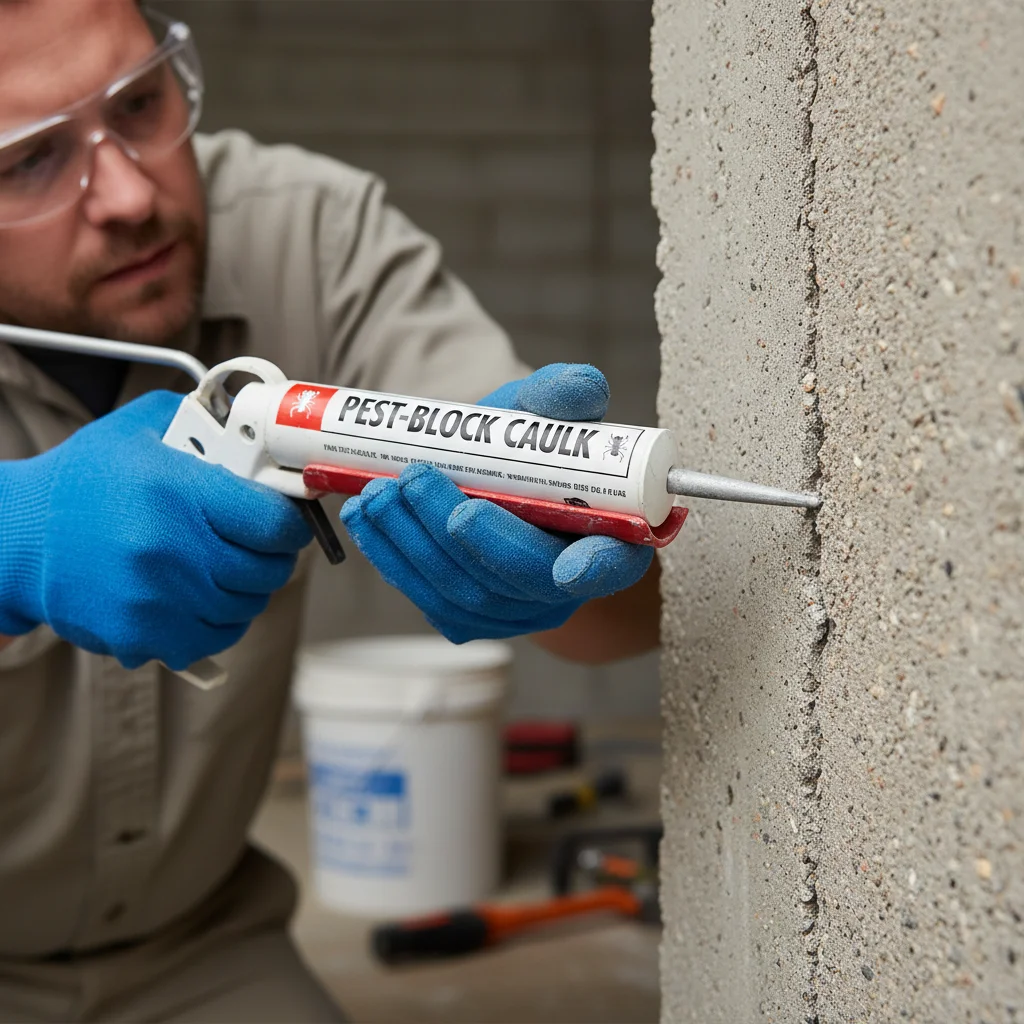
- Caulk and Caulk Gun: Silicone or acrylic latex caulk is excellent for sealing small cracks and gaps around windows, doors, and pipes. Choose a paintable caulk if you plan to paint over it.
- Weather Stripping: For gaps around doors and windows, weather stripping provides a flexible seal.
- Door Sweeps: Install these at the bottom of exterior doors to prevent pests from crawling underneath.
- Mesh or Hardware Cloth: Use galvanized steel mesh (1/4 inch or less) to cover larger openings, such as around utility lines, vents, or holes in the foundation. This is particularly effective against rodents.
- Expanding Foam: For larger, irregular gaps, expanding foam can be a good solution, but be cautious as some pests, especially rodents, can chew through it. It’s best used in conjunction with mesh for robust DIY pest prevention.
- Patching Compound: For larger cracks in concrete or masonry.
Step-by-Step Sealing Process
- Thorough Inspection: Dedicate a full day to meticulously inspect the entire exterior and interior perimeter of your home. Start at the foundation and work your way up. Don’t forget the attic and crawl spaces.
- Clean Surfaces: Before applying any sealant, ensure the surfaces are clean, dry, and free of loose debris. This will ensure proper adhesion.
- Apply Caulk: For small cracks (1/4 inch or less), apply a continuous bead of caulk. Smooth it with a wet finger or a caulk tool for a neat finish.
- Install Weather Stripping and Door Sweeps: Measure and cut these materials to fit snugly. Follow manufacturer instructions for installation.
- Mesh and Foam for Larger Holes: For bigger openings, cut mesh to size and secure it in place with screws or heavy-duty adhesive. Then, if necessary, fill any remaining gaps with expanding foam.
- Repair Screens: Patch or replace any damaged window or door screens.
This proactive approach to sealing entry points is a cornerstone of effective DIY pest prevention. It significantly reduces the avenues for pests to enter your home, making other prevention methods even more impactful.
2. Eliminate Food and Water Sources: Starving Out Pests with DIY Pest Prevention
Pests are constantly searching for food, water, and shelter. By eliminating these essential resources within and around your home, you make your property far less attractive to them. This method of DIY pest prevention focuses on sanitation and smart storage, effectively starving out potential invaders.
Food Management Inside Your Home
- Airtight Storage: Store all dry goods, including cereals, pasta, flour, sugar, pet food, and birdseed, in airtight containers made of thick plastic, glass, or metal. Cardboard boxes and plastic bags are easily chewed through by rodents and various insects.
- Clean Up Spills Immediately: Even small crumbs or liquid spills can attract pests. Wipe down counters and floors regularly, especially after meals.
- Empty Trash Regularly: Use trash cans with tight-fitting lids and empty them daily, or at least every other day, especially if they contain food waste. Keep outdoor trash bins far from your home and ensure they are also tightly sealed.
- Don’t Leave Pet Food Out: After your pet has eaten, store any leftover food in an airtight container. Leaving bowls of pet food out all day is a magnet for ants, cockroaches, and rodents.
- Clean Appliances: Regularly clean under and behind appliances like refrigerators, stoves, and dishwashers, where crumbs and spills often accumulate.
Water Source Elimination
Water is just as crucial as food for pest survival. Eliminating standing water sources is vital for DIY pest prevention, particularly for mosquitoes and cockroaches.
- Fix Leaks: Repair any leaky faucets, pipes, or drains immediately. Even a small drip can provide enough water for pests.
- Dehumidify Damp Areas: Basements, crawl spaces, and bathrooms can be damp. Use dehumidifiers or improve ventilation to reduce moisture, which attracts cockroaches, silverfish, and other moisture-loving pests.
- Empty Standing Water Outside: Regularly empty bird baths, pet water bowls, clogged gutters, old tires, and any containers that collect rainwater. Mosquitoes can breed in as little as a bottle cap full of water.
- Proper Drainage: Ensure your landscaping allows for proper water drainage away from your home’s foundation.
By diligently managing food and water sources, you create an inhospitable environment for pests, making your home a less desirable place to settle. This is a highly effective and sustainable DIY pest prevention method.
3. Maintain Your Yard and Landscaping: Outdoor DIY Pest Prevention
Your home’s exterior and surrounding landscape play a significant role in pest attraction and deterrence. A well-maintained yard acts as a natural barrier, pushing pests away from your foundation. Conversely, an overgrown or cluttered yard provides ideal harborage and breeding grounds. Implementing good yard maintenance practices is a critical component of successful DIY pest prevention.
Key Landscaping Practices
- Trim Vegetation: Keep trees, shrubs, and bushes trimmed back so they do not touch your house. Branches touching your home create bridges for pests like ants, spiders, and rodents to gain access to your roof and attic. Maintain at least a foot of clearance between plants and your home’s exterior.
- Remove Debris: Piles of leaves, wood, rocks, and other yard debris offer perfect hiding spots for rodents, snakes, and various insects. Regularly clear these away from your foundation.
- Store Firewood Properly: If you store firewood, keep it elevated off the ground and at least 20 feet away from your home. Firewood is a common harborage for termites, ants, and spiders.
- Mow Your Lawn Regularly: Tall grass provides shelter for many pests, including ticks and rodents. Keep your lawn neatly mowed.
- Check Gutters: Ensure gutters are clean and free of leaves and debris. Clogged gutters can lead to standing water, attracting mosquitoes, and can also cause water damage to your home, creating damp conditions that pests love.
- Mulch Management: While mulch can be beneficial for plants, keep it at least 6-12 inches away from your foundation. Mulch retains moisture and provides harborage for pests like termites, ants, and cockroaches. Consider using inorganic mulches like gravel or rubber near the house.
- Plant Pest-Repelling Plants: Certain plants naturally deter pests. For example, chrysanthemums deter roaches, ants, ticks, and fleas; mint repels ants and rodents; and citronella grass is known for its mosquito-repelling properties. Incorporating these into your landscaping can enhance your DIY pest prevention efforts.
Exterior Lighting Considerations
While not directly landscaping, exterior lighting can influence pest activity. Many nocturnal insects are attracted to light, and these insects can, in turn, attract larger predators like spiders. Consider these tips:
- Use Yellow Bug Lights: These lights emit a spectrum that is less attractive to insects.
- Motion-Sensor Lights: Use motion-activated lighting to illuminate areas only when needed, reducing the continuous attraction for bugs.
- Direct Light Away: Position lights to illuminate pathways and entryways without directly shining on your home’s exterior walls.
A well-maintained yard serves as a crucial buffer zone, preventing pests from getting close enough to your home to find entry. This comprehensive approach to outdoor DIY pest prevention is invaluable for long-term home protection.

4. Utilize Natural Repellents and Traps: Eco-Friendly DIY Pest Prevention Solutions
While sealing entry points and eliminating food/water sources are proactive measures, sometimes you need an active deterrent or a way to monitor pest activity. This is where natural repellents and traps come into play, offering eco-friendly and safe options for DIY pest prevention without resorting to harsh chemicals.
Natural Pest Repellents
Many common household items and essential oils possess properties that pests find unappealing, driving them away naturally.
- Essential Oils:
- Peppermint Oil: Rodents, spiders, and ants dislike the strong scent of peppermint. Soak cotton balls in peppermint oil and place them in areas of concern, such as near entry points, in cabinets, or behind appliances.
- Tea Tree Oil: Similar to peppermint, tea tree oil can deter a variety of insects.
- Citronella Oil: Excellent for deterring mosquitoes, often used in candles or diffusers for outdoor areas.
- Lavender Oil: Repels fleas, moths, and mosquitoes. Place sachets of dried lavender in closets or drawers.
- Diacaemaceous Earth (DE): A natural, non-toxic powder made from fossilized diatoms. When insects with exoskeletons (like ants, cockroaches, bed bugs) come into contact with it, the microscopic sharp edges cut their waxy outer layer, causing them to dehydrate and die. Sprinkle food-grade DE in cracks, crevices, and along baseboards. Always use food-grade DE and wear a mask during application to avoid inhaling the fine powder.
- Vinegar: White vinegar can be used as a general cleaner and repellent. Mix equal parts vinegar and water in a spray bottle and spray on surfaces to deter ants and other crawling insects. It also helps to eliminate scent trails.
- Bay Leaves: Placing bay leaves in pantry items like flour, rice, or cereal can deter weevils and other pantry pests.
- Cedar: Cedarwood naturally repels moths, silverfish, and some other insects. Use cedar blocks or sachets in closets and storage areas.
- Garlic and Chili Powder: For garden pests, a spray made from crushed garlic or chili powder mixed with water can be an effective deterrent.
Safe and Effective Traps
Traps are useful for monitoring pest activity and catching individual pests or small infestations without widespread chemical application.
- Sticky Traps (Glue Boards): Effective for catching crawling insects like cockroaches, spiders, and even small rodents. Place them along walls or in areas where pest activity is suspected. They are non-toxic but can be inhumane for larger creatures.
- Snap Traps/Live Traps: For rodents, traditional snap traps are highly effective. If you prefer a more humane approach, live traps allow you to catch and release rodents away from your home. Always check live traps frequently.
- Pheromone Traps: These traps use synthetic insect pheromones to attract specific pests, such as pantry moths or clothes moths. They are excellent for monitoring and reducing populations.
- Fruit Fly Traps: A simple DIY trap can be made with apple cider vinegar and a drop of dish soap in a small bowl, covered with plastic wrap with small holes poked in it.
- Ant Baits: Ant baits often contain a slow-acting insecticide mixed with a food attractant. Ants carry the bait back to their colony, effectively eliminating the queen and the colony. These are generally safer than sprays as they are contained.
When using natural repellents and traps, consistency is key. Reapply essential oils, replace bay leaves, and check traps regularly to maintain their effectiveness. These methods provide a safe and environmentally conscious approach to DIY pest prevention, complementing your other efforts.
The Long-Term Benefits of DIY Pest Prevention
Adopting these four DIY pest prevention methods isn’t just about immediate relief; it’s an investment in the long-term health and value of your home. A proactive approach to pest control offers numerous advantages:
- Cost Savings: Preventing infestations is almost always less expensive than treating them. Professional extermination can be costly, while DIY prevention often utilizes readily available and inexpensive materials.
- Reduced Chemical Exposure: By relying on sealing, sanitation, yard maintenance, and natural repellents, you significantly reduce the need for harsh chemical pesticides in and around your living spaces, making your home safer for children, pets, and individuals with sensitivities.
- Improved Home Health: A pest-free home is a healthier home. Pests can spread diseases, contaminate food, and trigger allergies or asthma. Preventing their entry safeguards your family’s well-being.
- Protection of Property Value: Pests can cause significant structural damage (e.g., termites, carpenter ants) or damage to wiring (e.g., rodents). Proactive prevention helps preserve the integrity and value of your property.
- Peace of Mind: Knowing that you’ve taken comprehensive steps to protect your home from pests brings a sense of security and comfort.
- Environmental Responsibility: Many DIY pest prevention methods are inherently eco-friendly, minimizing your environmental footprint compared to broad-spectrum chemical treatments.
Common Pests and Their Specific DIY Prevention Tips for 2026
While the four general DIY pest prevention strategies apply broadly, understanding specific pests can further refine your approach:
Ants
- Prevention: Seal cracks, eliminate food crumbs, store food in airtight containers, clean surfaces with vinegar.
- Repellents/Traps: Peppermint oil, diatomaceous earth, ant baits.
Cockroaches
- Prevention: Maintain impeccable cleanliness, fix leaks, reduce humidity, seal entry points around pipes.
- Repellents/Traps: Boric acid (use with caution and away from pets/children), sticky traps, essential oils (e.g., tea tree).
Rodents (Mice & Rats)
- Prevention: Seal all openings larger than 1/4 inch with mesh and caulk, store food in secure containers, keep yard tidy, trim vegetation.
- Repellents/Traps: Peppermint oil, snap traps, live traps.
Mosquitoes
- Prevention: Eliminate all standing water sources, clean gutters, ensure proper yard drainage.
- Repellents: Citronella, lemon eucalyptus oil, planting mosquito-repelling plants.
Spiders
- Prevention: Seal cracks, remove clutter (especially in basements and attics), clean regularly to remove webs and eggs.
- Repellents: Peppermint oil, cedar.
Termites
- Prevention: Address moisture issues, ensure wood does not directly contact soil, keep mulch away from foundation, fix leaky pipes.
- Note: While DIY prevention can help, professional inspection and treatment are often necessary for established termite infestations due to their destructive nature. However, preventing conducive conditions is a strong DIY pest prevention step.
Conclusion: Empowering Homeowners with DIY Pest Prevention
In 2026, taking charge of your home’s pest control is more accessible and effective than ever. By consistently applying these four DIY pest prevention methods – sealing entry points, eliminating food and water sources, maintaining your yard and landscaping, and utilizing natural repellents and traps – you can create a robust defense against most common household pests. This comprehensive strategy not only saves you money and reduces reliance on chemicals but also fosters a healthier, safer, and more enjoyable living environment for everyone in your US home. Make DIY pest prevention a regular part of your home maintenance routine, and enjoy the peace of mind that comes with a pest-free sanctuary.