Sustainable Home Products: 4 Eco-Friendly Swaps to Reduce Waste by 20% in Your US Household by 2027
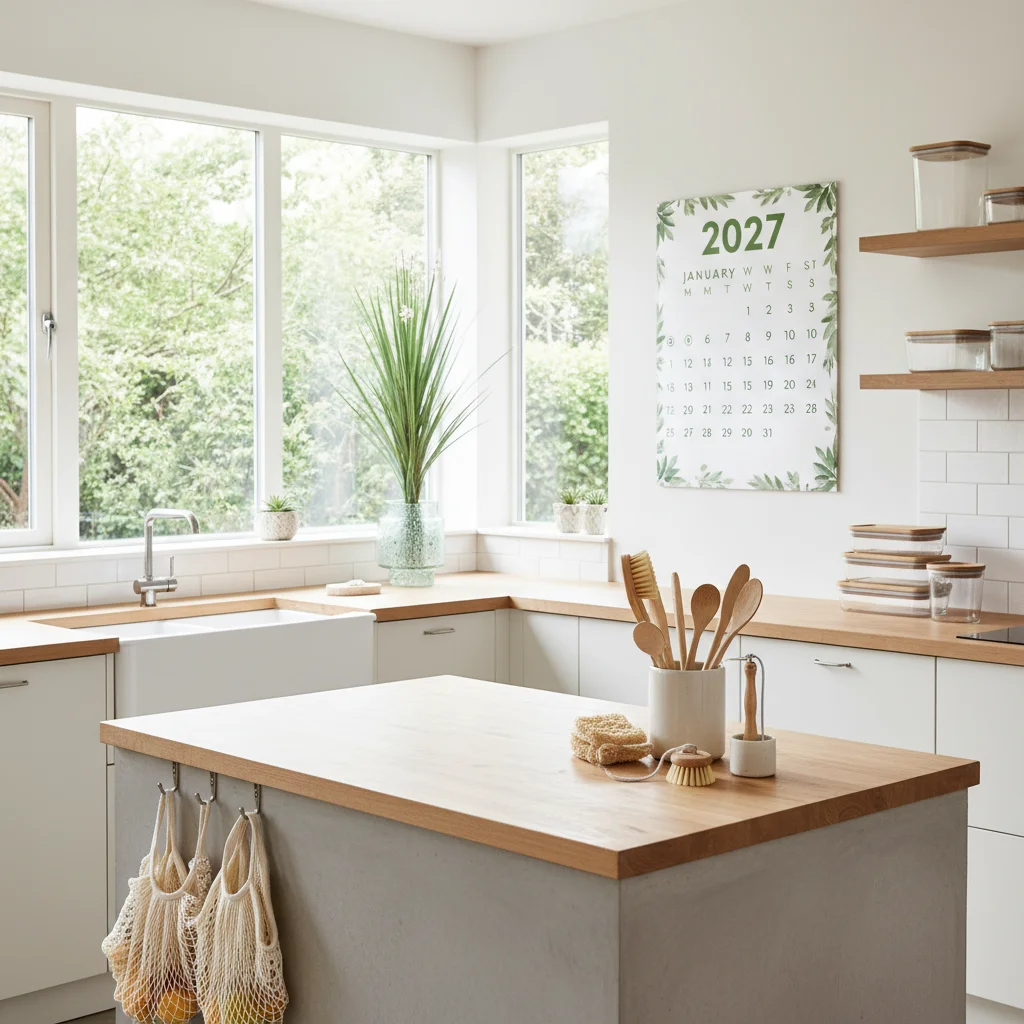
Sustainable Home Products: 4 Eco-Friendly Swaps to Reduce Waste by 20% in Your US Household by 2027
The pursuit of a more sustainable lifestyle is no longer a niche trend; it’s a global imperative. As individuals and as a nation, the United States faces significant challenges in waste management, resource depletion, and climate change. Every household contributes to this intricate web, and every conscious decision can make a tangible difference. Imagine reducing your household waste by a remarkable 20% by 2027 – a goal that is not only achievable but also incredibly impactful. This comprehensive guide will walk you through four essential eco-friendly home swaps that can set you on this path, transforming your living space into a beacon of sustainability.
Our homes are often overlooked as major sources of waste. From single-use plastics in the kitchen and bathroom to chemical-laden cleaning supplies and fast fashion, the convenience of modern life often comes at an environmental cost. However, a growing movement towards sustainable living offers a powerful alternative. By strategically replacing everyday items with their eco-friendly counterparts, you can significantly diminish your environmental footprint, conserve resources, and often, save money in the long run. These aren’t radical, overnight changes, but rather thoughtful, incremental shifts that collectively lead to substantial positive change.
This article delves deep into practical, actionable strategies for embracing eco-friendly home swaps. We’ll explore the ‘why’ behind each recommendation, detailing the environmental benefits and how these changes contribute to the ambitious goal of a 20% waste reduction. We’ll also provide actionable tips for integrating these swaps seamlessly into your daily routine, addressing common concerns, and offering guidance on selecting the best sustainable products. Get ready to embark on a journey that will not only benefit the planet but also enrich your home life with a sense of purpose and responsibility.
Understanding the Impact of Household Waste in the US
Before we dive into the solutions, it’s crucial to grasp the magnitude of the problem. The United States generates an astounding amount of waste annually. According to the Environmental Protection Agency (EPA), Americans generated 292.4 million tons of municipal solid waste (MSW) in 2018, which equates to 4.9 pounds per person per day. A significant portion of this waste ends up in landfills, where it contributes to greenhouse gas emissions, contaminates soil and groundwater, and takes centuries to decompose. Plastics, in particular, are a major concern, with only a small percentage being recycled effectively. The production of new goods also consumes vast amounts of energy and natural resources, further exacerbating environmental degradation.
The cumulative effect of individual household waste, while seemingly small on its own, creates an enormous collective burden. Every plastic bottle, every disposable coffee cup, every food scrap thrown into the general trash adds up. This is why the target of a 20% waste reduction by 2027 is not merely an arbitrary number; it represents a significant step towards mitigating these widespread environmental challenges. By focusing on eco-friendly home swaps, we directly address the sources of waste at their origin, rather than solely relying on end-of-pipe solutions like recycling, which often have their own limitations.
Moreover, the environmental impact extends beyond landfills. The manufacturing and transportation of conventional products often involve polluting processes and long supply chains. By opting for sustainable alternatives, we support industries committed to ethical production, renewable resources, and reduced carbon footprints. This shift in consumer behavior sends a powerful signal to the market, encouraging more businesses to adopt eco-conscious practices. Your choices as a consumer have far-reaching implications, influencing everything from global supply chains to local economies.
Swap 1: Embrace Reusable Kitchen & Food Storage Solutions
The kitchen is often the heart of the home, and unfortunately, a primary source of single-use plastic waste. From plastic wrap and aluminum foil to disposable food containers and Ziploc bags, convenience often trumps sustainability. Making eco-friendly home swaps in this area can lead to immediate and substantial waste reduction.
Why This Swap Matters:
- Reduced Plastic Waste: Single-use plastics are notorious for polluting oceans, harming wildlife, and accumulating in landfills. By switching to reusables, you directly combat this problem.
- Cost Savings: While the initial investment might be slightly higher, reusable items quickly pay for themselves as you eliminate the need for constant repurchases of disposables.
- Health Benefits: Many plastics contain chemicals like BPA and phthalates, which can leach into food, especially when heated. Glass, silicone, and stainless steel alternatives offer a safer storage solution.
- Resource Conservation: Less demand for single-use items means less energy and fewer resources are expended in their production.
Actionable Eco-Friendly Home Swaps for the Kitchen:
- Replace Plastic Wrap and Aluminum Foil with Beeswax Wraps or Silicone Lids:
- Beeswax wraps: Made from cotton infused with beeswax, jojoba oil, and tree resin, these wraps are pliable, breathable, and naturally antibacterial. They mold to the shape of bowls or food items and can be washed and reused for up to a year.
- Silicone stretch lids: These versatile lids come in various sizes and stretch to fit over bowls, cups, and even cut fruits and vegetables, creating an airtight seal. They are durable, dishwasher-safe, and last for years.
- Swap Disposable Ziploc Bags for Reusable Silicone or Fabric Bags:
- Silicone storage bags: Durable, freezer-safe, microwave-safe, and dishwasher-safe, these bags are ideal for storing snacks, sandwiches, and even liquids. They are an excellent investment for long-term use.
- Reusable fabric produce bags: Perfect for grocery shopping, these lightweight mesh or cotton bags eliminate the need for plastic produce bags. They are washable and can double as storage for fruits and vegetables in the fridge.
- Upgrade from Plastic Food Containers to Glass or Stainless Steel:
- Glass containers: Oven-safe, microwave-safe (without lid), and dishwasher-safe, glass containers are non-toxic, don’t stain or retain odors, and are incredibly durable. They are perfect for meal prepping and storing leftovers.
- Stainless steel containers: Lightweight, robust, and ideal for lunches on the go. They are also non-toxic and long-lasting.
- Ditch Paper Towels for Reusable Cloth Wipes/Towels:
- Invest in a set of washable cotton or bamboo towels. These can be used for spills, cleaning surfaces, and drying hands, significantly reducing paper waste.
Impact on 20% Waste Reduction Goal: By eliminating single-use plastic wraps, bags, and containers, and reducing paper towel consumption, you can drastically cut down on a significant portion of your daily household waste. This category alone can contribute 5-7% towards your 20% target.
Swap 2: Transform Your Bathroom into a Plastic-Free Oasis
The bathroom is another hotspot for single-use plastics, often disguised in attractive packaging. Shampoo bottles, conditioner bottles, body wash containers, toothpaste tubes, and disposable razors all contribute to a mountain of plastic waste. Making eco-friendly home swaps here is not only good for the planet but can also introduce you to innovative, effective products.
Why This Swap Matters:
- Combat Plastic Pollution: Bathroom plastics are often difficult to recycle due to their shape, size, or material composition, frequently ending up in landfills or incinerators.
- Reduce Chemical Exposure: Many conventional personal care products contain synthetic fragrances, parabens, and other chemicals that can be harmful to both human health and aquatic ecosystems. Sustainable alternatives often use natural ingredients.
- Support Ethical Brands: Many eco-friendly personal care brands are committed to cruelty-free practices, sustainable sourcing, and fair labor.
Actionable Eco-Friendly Home Swaps for the Bathroom:
- Switch to Solid Shampoo, Conditioner, and Soap Bars:
- These bars are concentrated, long-lasting, and come in minimal or compostable packaging. They eliminate the need for plastic bottles entirely.
- Many brands offer options for different hair types and skin concerns, just like their liquid counterparts.
- Replace Plastic Toothbrushes with Bamboo Toothbrushes:
- Bamboo is a fast-growing, sustainable resource that is biodegradable. Bamboo toothbrushes perform just as well as plastic ones but significantly reduce plastic waste.
- Look for options with plant-based bristles for a fully compostable product.
- Opt for Refillable Deodorant, Toothpaste Tablets, or Toothpaste in Jars:
- Refillable deodorant: Many brands now offer elegant, reusable deodorant cases with refillable inserts, cutting down on plastic waste.
- Toothpaste tablets: These small, chewable tablets foam up when brushed, providing effective cleaning without the plastic tube. They often come in glass jars or compostable pouches.
- Toothpaste in jars: Some brands offer toothpaste in glass jars, allowing for easy scooping with a spatula.
- Invest in a Reusable Safety Razor:
- Disposable plastic razors are a major source of waste. A safety razor, made of stainless steel, uses single, recyclable blades that are significantly cheaper and produce far less waste over time.
- Replace Plastic Loofahs with Natural Loofahs or Washcloths:
- Natural loofahs are biodegradable and can be composted after use. Cotton washcloths are washable and reusable for years.

Impact on 20% Waste Reduction Goal: By making these bathroom swaps, you can significantly reduce plastic waste, particularly from packaging. This area can contribute an additional 4-6% towards your 20% waste reduction target.
Swap 3: Green Your Cleaning Routine with Eco-Friendly Products
Conventional cleaning products are often packaged in plastic bottles and contain harsh chemicals that can be detrimental to indoor air quality, aquatic life, and human health. Shifting to eco-friendly home swaps in your cleaning regimen benefits both your home environment and the wider ecosystem.
Why This Swap Matters:
- Reduced Chemical Exposure: Eco-friendly cleaners often use plant-based ingredients, essential oils, and natural minerals, avoiding harsh toxins, synthetic fragrances, and volatile organic compounds (VOCs).
- Less Plastic Waste: Many sustainable cleaning brands offer concentrated formulas, refill options, or come in plastic-free packaging, drastically reducing plastic bottle consumption.
- Safer for Pets and Children: A home cleaned with natural products is a safer environment for everyone, especially those with sensitivities or young children who explore by touch.
- Protecting Waterways: When you wash chemical cleaners down the drain, they enter water systems and can harm aquatic life. Biodegradable, natural alternatives minimize this impact.
Actionable Eco-Friendly Home Swaps for Cleaning:
- Switch to Concentrated or Refillable All-Purpose Cleaners:
- Instead of buying a new plastic spray bottle every time, opt for brands that offer concentrated cleaner tablets or liquid refills. You simply add water to a reusable spray bottle.
- Alternatively, make your own all-purpose cleaner using vinegar, water, and essential oils – incredibly effective and virtually zero waste.
- Replace Disposable Cleaning Wipes with Reusable Cloths & Sponges:
- Microfiber cloths (though plastic-based, they are very durable and effective, reducing the need for chemical cleaners) or cotton cloths are excellent for various cleaning tasks and can be washed and reused hundreds of times.
- For scrubbing, choose natural loofah sponges, cellulose sponges, or coconut fiber scrubbers, which are biodegradable.
- Use Laundry Strips or Powdered Detergent in Cardboard Packaging:
- Laundry strips: These ultra-concentrated, dissolvable strips are plastic-free, lightweight, and take up minimal space. They are highly effective and reduce shipping emissions.
- Powdered detergents: Many brands offer powdered detergent in recyclable cardboard boxes, avoiding plastic jugs.
- Opt for a Dish Brush with Replaceable Heads or a Wooden Dish Brush:
- Instead of plastic dish sponges that wear out quickly and cannot be recycled, choose a wooden dish brush with natural bristles and a replaceable head, or a biodegradable scrubber.
- Choose Toilet Cleaning Bombs or Solid Toilet Cleaner:
- These alternatives often come in plastic-free packaging and are made with natural ingredients like baking soda and citric acid, effectively cleaning without harsh chemicals or plastic applicators.
Impact on 20% Waste Reduction Goal: By overhauling your cleaning supplies, you’ll eliminate numerous plastic bottles, chemical waste, and disposable wipes. This can contribute another 3-5% towards your 20% waste reduction target, making a significant dent in your household’s overall environmental impact.
Swap 4: Initiate a Home Composting System
Food waste is a surprisingly large component of household trash, often accounting for 20-30% of what we throw away. When food waste ends up in landfills, it decomposes anaerobically (without oxygen), producing methane – a potent greenhouse gas far more impactful than carbon dioxide. Starting a home composting system is one of the most effective eco-friendly home swaps for waste reduction.
Why This Swap Matters:
- Divert Food Waste from Landfills: Directly prevents methane emissions and reduces the volume of landfill waste.
- Create Nutrient-Rich Soil: Composting turns food scraps and yard waste into valuable compost, a natural fertilizer that enriches soil, improves water retention, and reduces the need for chemical fertilizers.
- Reduce Carbon Footprint: Less waste going to landfills means fewer transportation emissions and reduced methane production.
- Support a Circular Economy: Transforms waste into a resource, closing the loop on organic materials.
Actionable Eco-Friendly Home Swaps for Composting:
- Choose a Composting Method that Suits Your Lifestyle:
- Indoor Countertop Composter: Ideal for small spaces or apartments. These often use activated carbon filters to control odors. Some electric models can break down food scraps into a soil amendment in hours.
- Outdoor Compost Bin/Pile: Suitable for homes with yards. Options include simple open piles, enclosed bins (like tumblers or static bins), or worm composting (vermicomposting).
- Community Composting: If home composting isn’t feasible, look for local community composting programs or drop-off sites in your area. Many cities are expanding these initiatives.
- Understand What Can Be Composted:
- Green Materials (Nitrogen-rich): Fruit and vegetable scraps, coffee grounds, tea bags, grass clippings, fresh plant trimmings.
- Brown Materials (Carbon-rich): Dry leaves, shredded newspaper, cardboard, wood chips, sawdust, straw.
- Avoid: Meat, dairy, oily foods (attract pests), diseased plants, pet waste, and any non-biodegradable items.
- Integrate Composting into Your Daily Routine:
- Keep a small countertop collection bin for daily scraps. Empty it into your main composter regularly.
- Educate family members on what can and cannot be composted.
- Utilize Your Compost:
- Once your compost is ready (it will be dark, crumbly, and smell like fresh earth), use it to enrich your garden beds, potting soil, or houseplants.
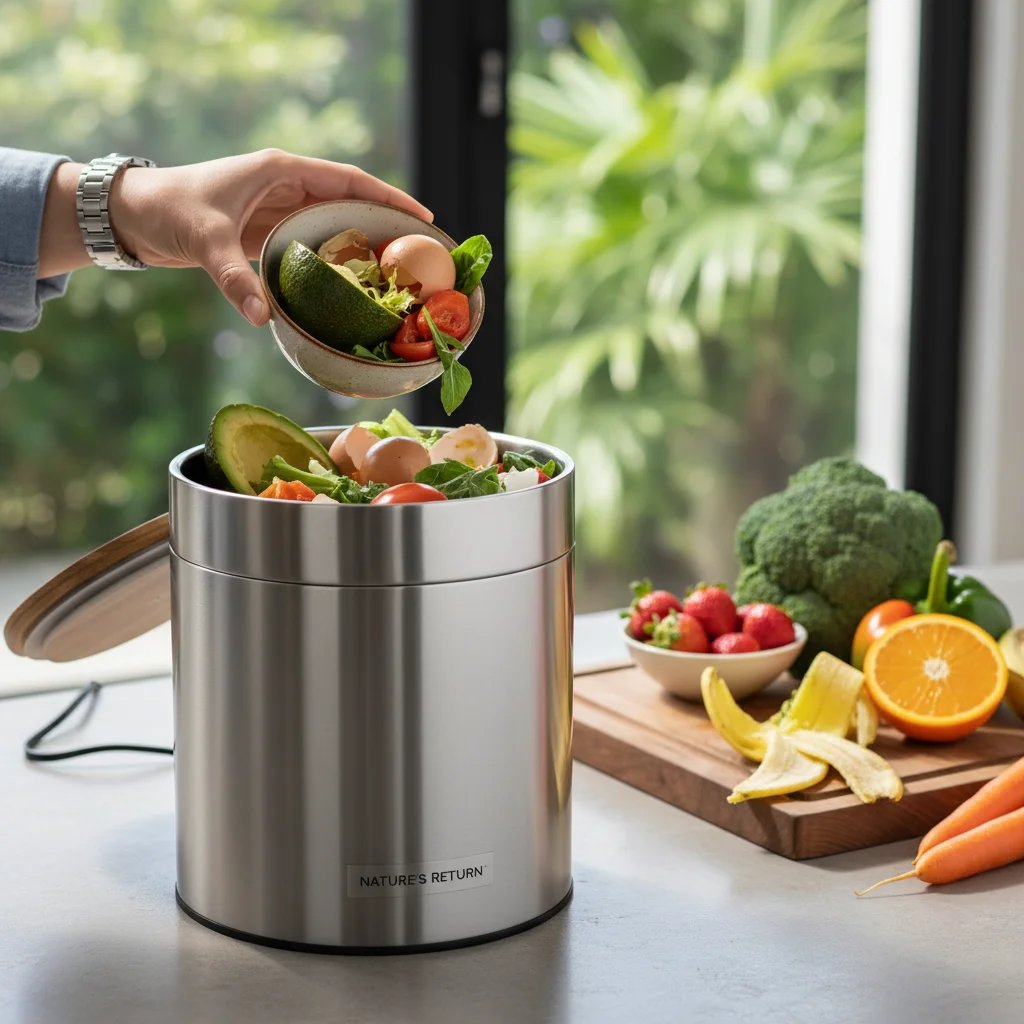
Impact on 20% Waste Reduction Goal: Composting can significantly reduce the weight and volume of your household waste. For many households, food waste accounts for 20-30% of their trash, meaning effective composting can contribute a substantial 8-10% (or even more) towards your 20% reduction target by 2027.
The Cumulative Power of Eco-Friendly Home Swaps: Achieving 20% Waste Reduction by 2027
Individually, each of these eco-friendly home swaps might seem like a small change. However, their cumulative effect is profound. Let’s recap the potential impact:
- Reusable Kitchen & Food Storage: ~5-7% waste reduction
- Plastic-Free Bathroom: ~4-6% waste reduction
- Green Cleaning Routine: ~3-5% waste reduction
- Home Composting System: ~8-10% waste reduction
Adding these up, you can see that by implementing all four of these core swaps, you are well on your way to, and likely exceeding, the 20% waste reduction target by 2027. This isn’t just about throwing away less; it’s about a fundamental shift in how you consume, use, and dispose of products in your home.
Beyond the Numbers: Additional Benefits of Sustainable Living
The benefits of embracing eco-friendly home swaps extend far beyond just waste reduction:
- Improved Health: Reducing exposure to chemicals in cleaning products and plastics can lead to a healthier living environment.
- Financial Savings: While some initial investments are required, reusable products and DIY cleaning solutions often save money in the long run.
- Enhanced Home Aesthetics: Many sustainable products are designed with natural materials and minimalist aesthetics, contributing to a more serene and organized home.
- Educational Opportunity: Involving family members, especially children, in these sustainable practices teaches valuable lessons about environmental responsibility.
- Peace of Mind: Knowing you are actively contributing to a healthier planet can bring a deep sense of satisfaction and purpose.
- Community Impact: Your actions can inspire friends, family, and neighbors to adopt similar practices, creating a ripple effect of positive change.
Overcoming Challenges and Staying Motivated
Embarking on a journey of sustainable living can present its own set of challenges. Here are some tips to help you stay motivated and overcome common hurdles:
- Start Small and Be Patient: You don’t have to overhaul your entire home overnight. Pick one swap to focus on each month or quarter. Small, consistent changes are more sustainable than drastic, overwhelming ones.
- Research and Educate Yourself: Understand why certain materials are harmful and why alternatives are better. The more informed you are, the more committed you’ll be.
- Prioritize Your Swaps: Identify the areas in your home that generate the most waste and tackle those first for the biggest impact.
- Budget Consciously: While many eco-friendly products save money over time, some have a higher upfront cost. Plan your purchases and view them as investments.
- Embrace Imperfection: Zero waste is a goal, not a strict rule. Don’t get discouraged by occasional slip-ups. Every effort counts.
- Join a Community: Connect with other individuals or online groups committed to sustainable living. Sharing tips, challenges, and successes can be incredibly motivating.
- Support Local and Ethical Businesses: When purchasing new items, look for local businesses, B Corps, or companies with strong sustainability credentials.
- Repurpose and Repair: Before buying new, consider if an existing item can be repurposed or repaired. This is the ultimate form of waste reduction.
Looking Ahead: Your Role in a Sustainable Future
The target of reducing household waste by 20% by 2027 in your US household is ambitious, but entirely within reach with these eco-friendly home swaps. It’s a testament to the power of individual action when multiplied across millions of homes. This journey is not just about changing products; it’s about cultivating a mindset of conscious consumption, resourcefulness, and respect for our planet.
As you implement these changes, you’ll likely discover even more ways to reduce waste and live more sustainably. The market for eco-friendly products is constantly evolving, with new innovations emerging regularly. Stay curious, stay informed, and continue to seek out ways to lighten your environmental load.
Your home can be a powerful agent of change. By embracing these four key eco-friendly home swaps – in your kitchen, bathroom, cleaning routine, and waste management – you are not only contributing to a healthier environment but also building a more resilient, mindful, and sustainable lifestyle for yourself and future generations. Start today, and let’s collectively reach that 20% waste reduction goal by 2027, making a significant difference for our planet, one sustainable swap at a time.