Home Automation 2026: US Market Trends & Integrated Smart Systems
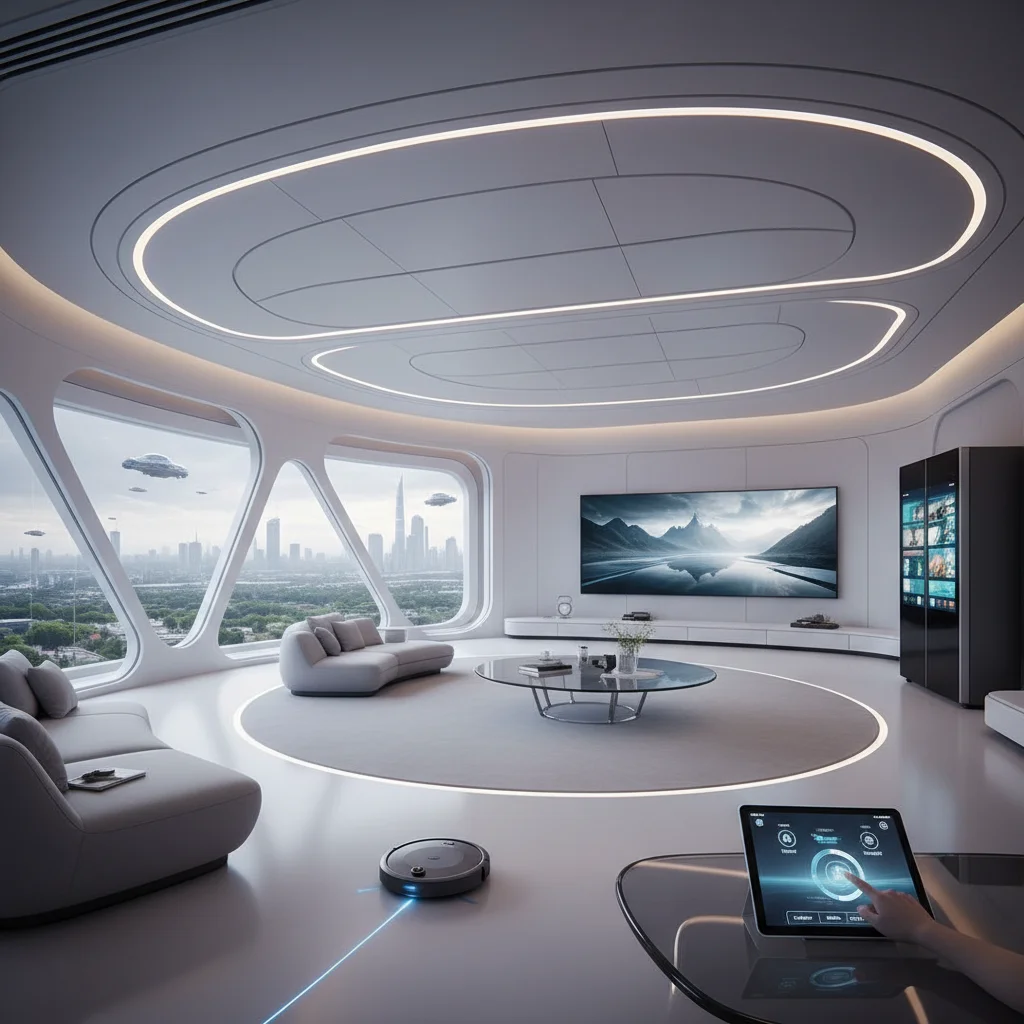
The landscape of residential living is undergoing a profound transformation, driven by the relentless march of technological innovation. At the heart of this evolution lies home automation, a sector that promises not just convenience, but also enhanced security, energy efficiency, and a truly personalized living experience. As we cast our gaze towards 2026, the United States market for home automation stands poised for significant expansion and diversification. This comprehensive analysis will delve into the intricate facets of this burgeoning industry, exploring the key trends, technological advancements, and market dynamics that will define Home Automation 2026 in the US.
The concept of a ‘smart home’ has moved beyond niche luxury to a mainstream aspiration. What was once the stuff of science fiction is now becoming an everyday reality for millions of Americans. From voice-activated assistants controlling lighting and entertainment to sophisticated security systems monitoring every corner of a property, the integration of smart technologies is reshaping how we interact with our living spaces. Understanding the trajectory of Home Automation 2026 requires a deep dive into consumer adoption, technological maturity, and the competitive landscape.
The Current State of Home Automation in the US: A Foundation for 2026
Before projecting into the future, it’s crucial to acknowledge the current state of home automation in the US. The market has witnessed robust growth over the past few years, fueled by increasing awareness, decreasing device costs, and the proliferation of high-speed internet. Early adopters paved the way, but now, a broader demographic is embracing smart home solutions. Key categories like smart speakers, smart lighting, and smart thermostats have achieved considerable penetration, laying a solid foundation for more complex integrated systems.
Consumer demand is being driven by a desire for convenience, security, and energy savings. The ability to control various aspects of a home remotely, or through intuitive voice commands, has a strong appeal. Furthermore, concerns about home security have propelled the adoption of smart surveillance cameras, video doorbells, and intelligent locks. The promise of reduced utility bills through smart energy management systems also remains a significant motivator for many households.
However, the market is not without its challenges. Interoperability issues between devices from different manufacturers, concerns about data privacy and cybersecurity, and the perceived complexity of setup and maintenance have historically hindered broader adoption. For Home Automation 2026 to reach its full potential, addressing these pain points will be paramount.
Key Growth Drivers for Home Automation 2026 in the US
Several powerful forces are expected to propel the US home automation market forward into 2026:
1. The Proliferation of the Internet of Things (IoT)
The backbone of home automation is the Internet of Things. As more devices become internet-connected, the possibilities for smart home integration expand exponentially. By 2026, we can expect an even greater number of household appliances, sensors, and gadgets to be IoT-enabled, creating a richer ecosystem for smart home management. This pervasive connectivity will enable more sophisticated automation routines and predictive functionalities.
2. Advancements in Artificial Intelligence (AI) and Machine Learning (ML)
AI and ML are transforming smart homes from reactive systems to proactive, intelligent environments. In Home Automation 2026, AI will enable devices to learn inhabitant preferences, predict needs, and adapt autonomously. Imagine a home that learns your daily routine, adjusts lighting and temperature before you arrive, and even anticipates maintenance needs for appliances. This level of personalized intelligence will be a major differentiator.
3. Increasing Demand for Energy Efficiency and Sustainability
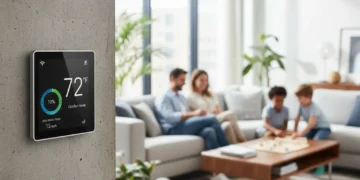
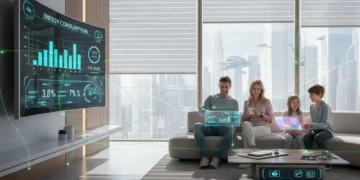
With growing environmental awareness and rising energy costs, consumers are increasingly seeking ways to reduce their carbon footprint and save money. Smart thermostats, smart lighting, and intelligent energy monitoring systems will play a crucial role in achieving these goals. By 2026, these solutions will be more sophisticated, offering granular control and real-time insights into energy consumption, making sustainable living more accessible and automated.
4. Enhanced Security and Safety Features
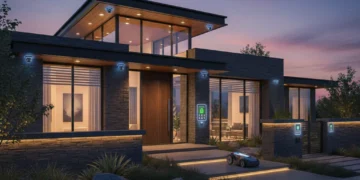
Home security remains a top priority for homeowners. The evolution of smart security systems, incorporating advanced analytics, facial recognition, and drone surveillance, will continue to drive market growth. Beyond traditional security, smart sensors for smoke, carbon monoxide, water leaks, and even fall detection for elderly residents will become more commonplace, offering comprehensive safety solutions. The integration of these features will be a significant aspect of Home Automation 2026.
5. The Rise of Integrated Smart Systems and Ecosystems
One of the most significant shifts expected by 2026 is the move away from standalone smart devices towards fully integrated smart home ecosystems. Consumers are tired of managing multiple apps and incompatible devices. Major players like Apple, Google, Amazon, and Samsung are investing heavily in creating cohesive platforms that allow seamless interaction between diverse devices. This push for interoperability, often facilitated by standards like Matter, will simplify the user experience and accelerate adoption.
6. Aging Population and Accessibility Needs
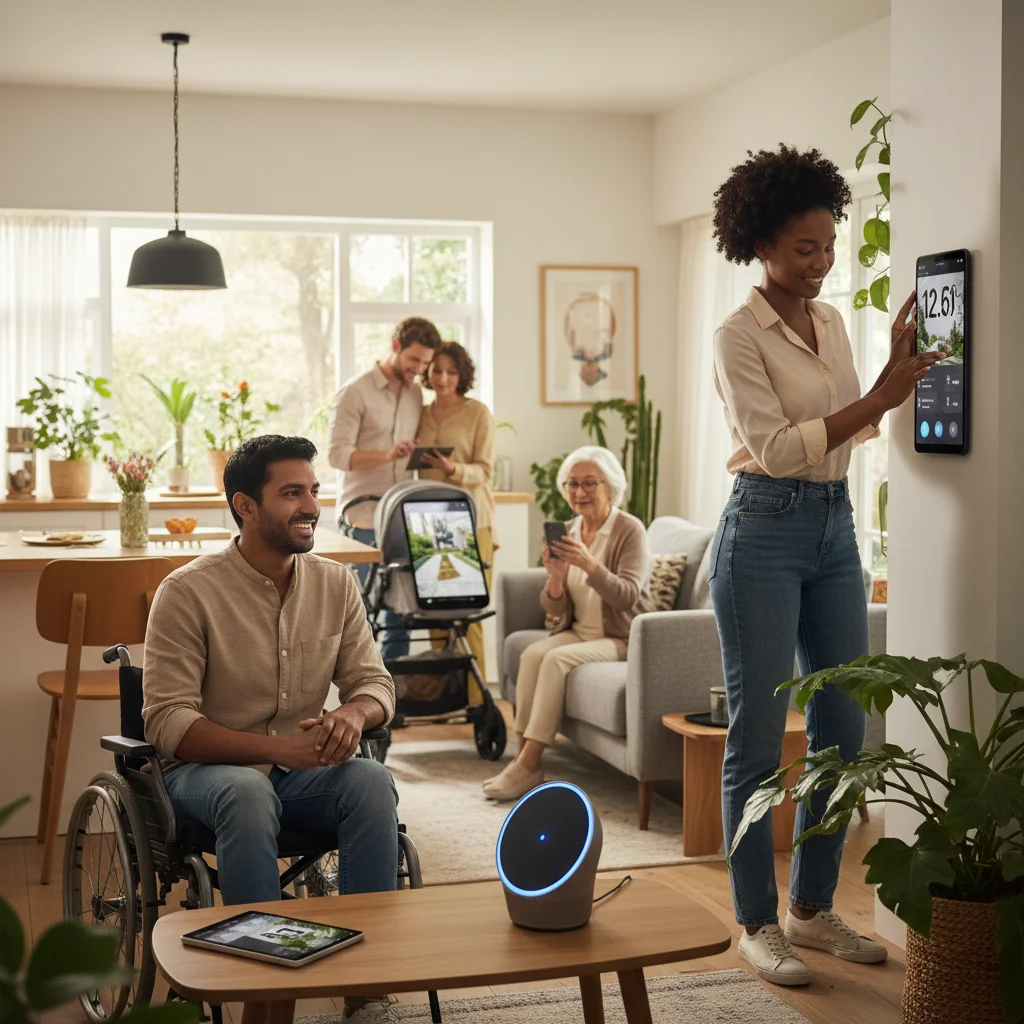
The aging population in the US presents a unique opportunity for home automation. Smart home technology can significantly enhance the quality of life and independence for seniors, offering features like remote monitoring, medication reminders, fall detection, and voice control for everyday tasks. By 2026, smart homes designed with accessibility in mind will become a growing segment, providing peace of mind for families and empowering older adults.
Emerging Technologies Shaping Home Automation 2026
Beyond current trends, several cutting-edge technologies are poised to make a substantial impact on the home automation market by 2026:
1. Edge Computing and Local Processing
While cloud computing has been central to smart home operations, edge computing is gaining traction. Processing data closer to the source (i.e., on the device itself) reduces latency, enhances privacy, and improves reliability. For Home Automation 2026, this means faster response times for smart devices, more robust security, and the ability for systems to function even with intermittent internet connectivity.
2. Advanced Sensors and Biometrics
Next-generation sensors will provide richer data about the home environment and its inhabitants. Expect to see more sophisticated presence detection, air quality monitoring, and even health-tracking capabilities integrated into smart home devices. Biometric authentication (fingerprint, facial recognition, iris scans) will become more prevalent for secure access and personalized experiences.
3. Augmented Reality (AR) for Setup and Maintenance
AR could revolutionize how consumers set up and maintain their smart homes. Imagine using an AR app on your phone to visualize where to place a new smart speaker, troubleshoot a connectivity issue with guided overlays, or even receive virtual assistance for repairs. This could significantly lower the barrier to entry for less tech-savvy users.
4. Greater Integration with Wearable Technology
Wearable devices, such as smartwatches and fitness trackers, are becoming increasingly sophisticated. By 2026, expect deeper integration between wearables and smart home systems. Your smartwatch could automatically adjust your home’s temperature based on your body temperature, unlock doors as you approach, or even trigger emergency alerts if it detects a fall.
5. Self-Healing and Predictive Maintenance Systems
Leveraging AI and machine learning, smart home systems will evolve to anticipate and even prevent problems. Appliances could self-diagnose issues and order replacement parts, or the system could proactively adjust HVAC settings to prevent maintenance problems. This move towards predictive and self-healing systems will enhance reliability and reduce homeowner stress.
Market Segments and Key Players in Home Automation 2026
The US home automation market is diverse, encompassing several key segments:
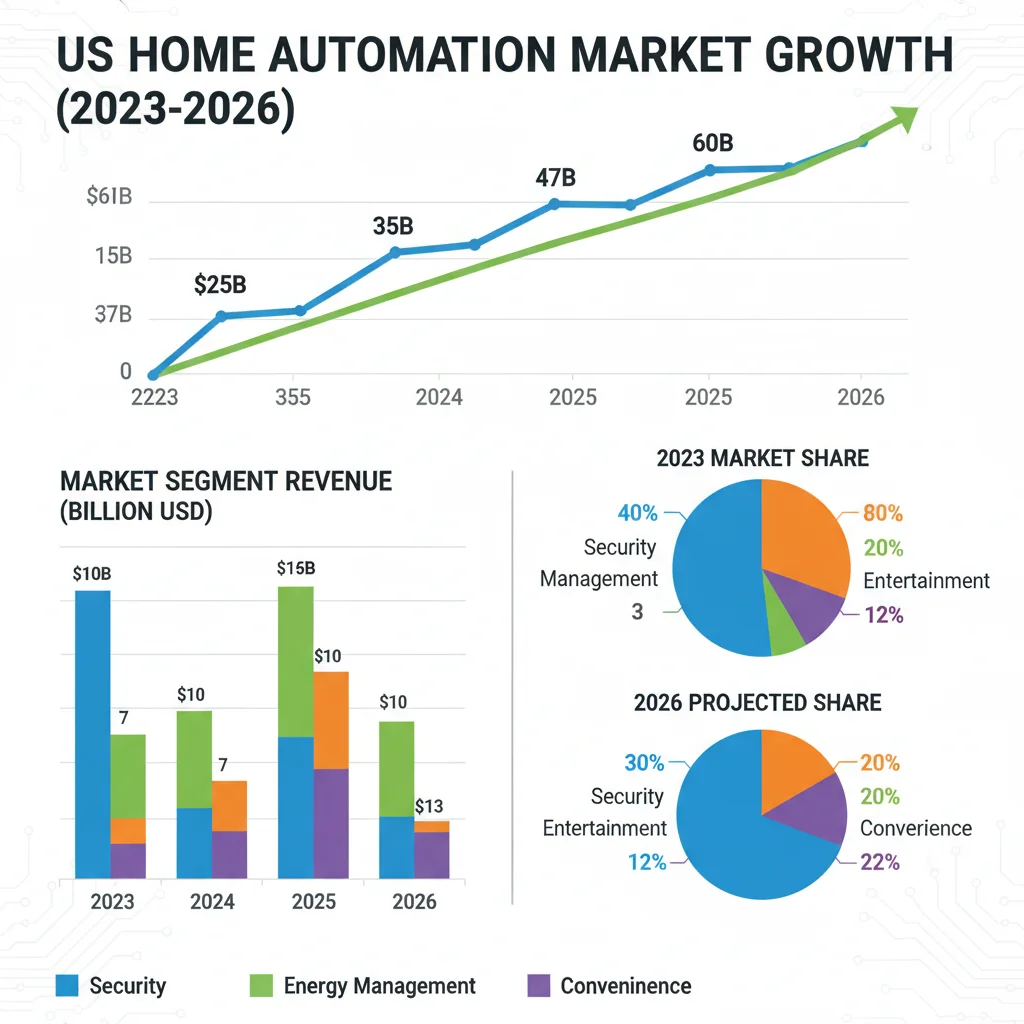
- Smart Security and Surveillance: This segment includes smart locks, video doorbells, security cameras, motion sensors, and alarm systems. Companies like Ring, Arlo, ADT, and SimpliSafe are dominant here.
- Smart Energy Management: Smart thermostats, smart plugs, and intelligent lighting systems fall into this category. Nest, Ecobee, Lutron, and Philips Hue are major players.
- Smart Entertainment and Connectivity: This includes smart speakers, smart TVs, home theater systems, and mesh Wi-Fi networks. Amazon, Google, Apple, Sonos, and various network hardware providers compete in this space.
- Smart Appliances: Refrigerators, ovens, washing machines, and dishwashers with smart features. Samsung, LG, and Whirlpool are leading this segment.
- Home Healthcare and Assisted Living: Devices and systems designed for elder care, remote monitoring, and accessibility. This is a growing niche with specialized providers and partnerships with traditional healthcare companies.
The competitive landscape for Home Automation 2026 will likely be characterized by continued consolidation and strategic partnerships. Tech giants will vie for ecosystem dominance, while specialized startups will innovate in niche areas. The ability to offer a seamless, integrated experience will be a critical success factor.
Challenges and Considerations for Home Automation 2026
Despite the optimistic outlook, the home automation market faces significant hurdles that need to be addressed for sustained growth:
1. Data Privacy and Cybersecurity Concerns
As smart homes collect vast amounts of personal data, privacy concerns are paramount. Consumers are increasingly wary of how their data is collected, stored, and used. Robust encryption, clear privacy policies, and transparent data handling practices will be essential to build trust. Cybersecurity threats, from device hacking to network breaches, also pose a significant risk that manufacturers must continually mitigate.
2. Interoperability and Standardization
The lack of universal standards has long been a pain point, leading to fragmented ecosystems. While initiatives like Matter aim to create a more unified environment, achieving true, seamless interoperability across all devices and brands remains a challenge. Simplification of connectivity will be crucial for broader mainstream adoption of Home Automation 2026.
3. Cost of Entry and Installation Complexity
While device costs have decreased, a comprehensive smart home system can still represent a significant investment. Furthermore, the perceived complexity of installation and setup can deter potential buyers. Manufacturers and service providers need to focus on making smart home solutions more affordable and easier to install, perhaps through professional installation services or intuitive DIY guides.
4. Reliability and User Experience
A smart home system is only as good as its reliability. Glitches, connectivity issues, or unresponsive devices can quickly lead to user frustration. Manufacturers must prioritize robust engineering and intuitive user interfaces to ensure a consistently positive experience. For Home Automation 2026 to thrive, the technology must fade into the background, working seamlessly without constant intervention.
5. Consumer Education and Awareness
Many consumers are still unaware of the full potential and benefits of home automation. Targeted education campaigns are needed to demystify the technology, highlight its practical advantages, and address common misconceptions. Demonstrating clear return on investment, whether through energy savings, enhanced security, or improved quality of life, will be key.
The Future is Integrated: A Vision for Home Automation 2026
The overarching theme for Home Automation 2026 in the US will be integration. The isolated smart device will increasingly become a relic of the past, replaced by sophisticated, interconnected systems that work in harmony. This integration will manifest in several ways:
- Cross-Platform Compatibility: Devices from different brands will communicate seamlessly, driven by open standards and API integrations.
- Contextual Awareness: Smart homes will become more aware of their environment and inhabitants, adjusting settings based on factors like time of day, weather, occupancy, and even individual mood or activity.
- Proactive and Predictive Capabilities: AI-powered systems will move beyond simple automation to anticipating needs, preventing issues, and offering personalized recommendations.
- Enhanced Voice and Gesture Control: While voice control is prevalent, expect more natural language processing and the emergence of advanced gesture-based controls for an even more intuitive interface.
- Modular and Scalable Systems: Homeowners will be able to start with basic smart home setups and easily expand their systems as their needs evolve, without having to replace core components.
The ultimate vision for Home Automation 2026 is a home that is truly intelligent, adaptive, and invisible. It will be a living space that anticipates your needs, protects your family, conserves resources, and enhances your well-being, all while operating effortlessly in the background.
Economic Impact and Investment Opportunities
The growth of home automation will have a significant economic impact, creating jobs in manufacturing, software development, installation services, and customer support. Investment opportunities will abound for companies developing innovative hardware, software platforms, and specialized services. Venture capital will continue to flow into startups pushing the boundaries of AI, IoT, and user experience in the smart home sector.
Real estate will also be profoundly affected. Smart home features are becoming increasingly desirable, and by 2026, a fully integrated smart home could command a premium in the housing market. Builders and developers will incorporate smart home technology from the ground up, offering turnkey connected living experiences.
Conclusion: A Smarter Tomorrow with Home Automation 2026
The US home automation market is on an exciting trajectory towards 2026. Driven by technological advancements, evolving consumer expectations, and a growing emphasis on efficiency and security, the smart home is rapidly moving from a luxury item to a household staple. While challenges related to privacy, interoperability, and cost persist, the industry is actively working to overcome these hurdles through standardization efforts and user-centric design.
The future of residential living, as defined by Home Automation 2026, will be characterized by seamless integration, intelligent responsiveness, and personalized experiences. Homes will no longer just be structures; they will be dynamic, adaptive environments that contribute actively to the comfort, safety, and sustainability of their inhabitants. For consumers, businesses, and investors alike, understanding these trends is not just about staying current, but about actively shaping the connected world of tomorrow.