Water Filtration Systems: Essential for US Homes in 2026
In an era where health and well-being are paramount, the quality of the water we consume daily has become a central concern for many households across the United States. As we look towards 2026, compelling data suggests that a significant portion of American homes – indeed, as many as one in three – should seriously consider upgrading their existing water filtration systems, or installing one for the first time. This isn’t merely about taste; it’s about safeguarding health, enhancing daily life, and adapting to evolving environmental challenges and infrastructure needs. The push for better home water filtration is driven by a confluence of factors, including aging infrastructure, increased awareness of waterborne contaminants, and advancements in filtration technology.
The landscape of water quality in the US is complex. While municipal water treatment facilities work diligently to provide safe drinking water, issues can arise once water leaves these plants. Old pipes, agricultural runoff, industrial pollution, and even natural geological formations can introduce a myriad of contaminants into the water supply before it reaches your tap. Furthermore, emerging contaminants, such as microplastics and certain pharmaceutical residues, are posing new challenges that traditional treatment methods may not fully address. This comprehensive guide will delve into why home water filtration is becoming an indispensable component of a healthy household, what factors are driving this urgent need for upgrades, and how you can choose the best system to protect your family.
The Silent Threat: Understanding Water Contaminants
To truly appreciate the value of advanced home water filtration, it’s crucial to understand the silent threats that can lurk in our tap water. These contaminants are often invisible, odorless, and tasteless, making them difficult to detect without proper testing. The types of substances that can compromise water quality are diverse and can originate from various sources:
Microbial Contaminants:
Bacteria, viruses, and parasites like Giardia and Cryptosporidium can enter water supplies through sewage overflows, agricultural runoff, or wildlife. These can cause gastrointestinal illnesses, especially in vulnerable populations.
Inorganic Contaminants:
Heavy metals such as lead, mercury, arsenic, and nitrates are common culprits. Lead often leaches from old plumbing pipes and fixtures, while arsenic can be naturally occurring or a byproduct of industrial activities. Nitrates typically come from agricultural fertilizers or septic systems.
Organic Contaminants:
Pesticides, herbicides, industrial solvents (VOCs like benzene and trichloroethylene), and byproducts of chlorine disinfection (e.g., trihalomethanes) fall into this category. These can have long-term health effects, including an increased risk of cancer.
Emerging Contaminants:
This is a growing concern. Pharmaceuticals and personal care products (PPCPs), microplastics, and per- and polyfluoroalkyl substances (PFAS, also known as ‘forever chemicals’) are increasingly being detected in water sources. The long-term health impacts of many of these are still being studied, but their presence underscores the need for robust filtration.
Sediment and Turbidity:
While not always a direct health threat, suspended particles like sand, silt, and rust can affect water clarity, taste, and odor, and can also harbor microbial contaminants.
The cumulative effect of exposure to even low levels of these contaminants over time can be significant. This is precisely why investing in reliable home water filtration is not just a luxury, but an increasingly vital necessity for proactive health management.
Why 2026? The Tipping Point for Home Water Filtration Upgrades
The specific timeline of ‘one in three US homes by 2026’ is based on several converging trends and projections:
Aging Infrastructure:
A significant portion of the US water infrastructure is over 50 years old, with some pipes dating back to the early 20th century. The American Society of Civil Engineers (ASCE) consistently gives US drinking water infrastructure poor grades. As these pipes corrode and degrade, they become more susceptible to breaks and can leach contaminants like lead and copper into the water supply. The replacement rate for these pipes is often slow, meaning many homes will continue to receive water through old systems for years to come.
Increased Contaminant Awareness and Testing:
Public awareness campaigns, increased media coverage of water crises (like Flint, Michigan), and accessible home water testing kits have made consumers more informed about potential water quality issues. This heightened awareness is driving demand for solutions like home water filtration.
Stricter Regulations and Non-Compliance:
While federal regulations like the Safe Drinking Water Act set standards, enforcement and compliance vary. Many smaller water systems struggle to meet these standards, and even larger systems can face challenges. Reports from environmental agencies frequently highlight violations, prompting homeowners to take matters into their own hands.
Climate Change Impacts:
Changing weather patterns, including more severe droughts and floods, can impact water sources. Droughts can concentrate contaminants, while floods can overwhelm treatment plants and introduce new pollutants. This unpredictability makes robust home water filtration even more critical.
Technological Advancements:
Water filtration technology has made significant strides. Modern home water filtration systems are more efficient, effective, and affordable than ever before, capable of removing a wider range of contaminants with less waste and maintenance. This makes upgrading an increasingly attractive and feasible option for many households.
The Rise of Emerging Contaminants:
As mentioned, chemicals like PFAS and microplastics are becoming more prevalent. Current municipal treatment may not always be equipped to handle these, making advanced home water filtration a necessary last line of defense.
These factors collectively create an urgent impetus for homeowners to re-evaluate their water quality and consider advanced home water filtration solutions within the next few years.
Benefits Beyond Purity: The Holistic Impact of Clean Water
The advantages of having a reliable home water filtration system extend far beyond simply removing contaminants. The holistic impact on health, lifestyle, and even finances is substantial:
Improved Health and Wellness:
This is the primary benefit. By removing harmful bacteria, viruses, chemicals, and heavy metals, a home water filtration system significantly reduces the risk of waterborne illnesses and long-term health complications. Clean water supports better digestion, healthier skin and hair, and overall bodily functions.
Better Taste and Odor:
Chlorine, sulfur, and other dissolved solids can give tap water an unpleasant taste and smell. Filtration removes these elements, leaving you with fresh, clean-tasting water that encourages greater hydration.
Cost Savings:
Investing in a home water filtration system can lead to significant savings over time. You’ll reduce or eliminate the need to purchase bottled water, which is not only expensive but also environmentally damaging.
Environmental Impact:
By foregoing bottled water, you contribute to a reduction in plastic waste, a major global environmental concern. A home water filtration system is a sustainable choice.
Protection for Appliances:
Hard water minerals (calcium and magnesium) and sediment can build up in pipes and appliances like coffee makers, dishwashers, and water heaters, leading to reduced efficiency and a shorter lifespan. Filtration can mitigate this, saving on repair and replacement costs.
Convenience:
Having readily available, clean, and great-tasting water directly from your tap is incredibly convenient. No more lugging heavy water bottles from the store or waiting for pitcher filters to slowly process water.
Peace of Mind:
Perhaps one of the most underrated benefits is the peace of mind that comes from knowing your family is consuming safe, healthy water every day.
Considering these comprehensive benefits, the argument for investing in a quality home water filtration system becomes overwhelmingly strong.
Navigating the Options: Types of Home Water Filtration Systems
The market for home water filtration systems is diverse, offering solutions tailored to different needs, budgets, and water quality issues. Understanding the main types will help you make an informed decision:
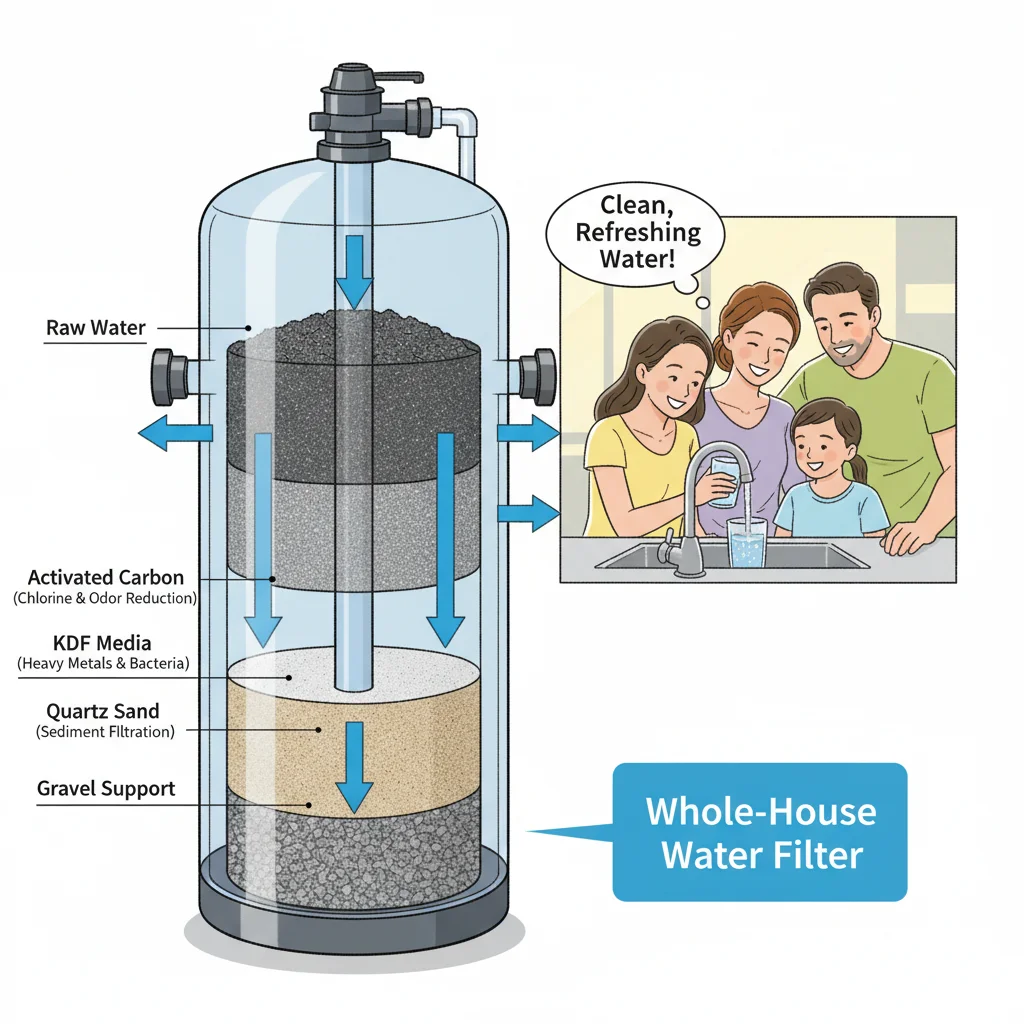
1. Whole-House Water Filtration Systems (Point-of-Entry)
- How they work: Installed at the main water line where water enters your home, these systems filter all the water used throughout the house, including for drinking, bathing, and washing.
- Benefits: Comprehensive protection against sediment, chlorine, chloramines, and sometimes more advanced contaminants depending on the filter media. Protects plumbing and appliances from mineral buildup and corrosion.
- Considerations: Higher initial cost, requires professional installation, and filters are typically larger and need periodic replacement. Often paired with a water softener if hard water is a significant issue.
- Ideal for: Homes with widespread water quality concerns, or those looking for complete protection for all water sources in the house.
2. Under-Sink Water Filtration Systems (Point-of-Use)
- How they work: Installed directly under the kitchen sink, these systems provide filtered water specifically for drinking and cooking from a dedicated faucet or the existing cold water line.
- Benefits: Highly effective at removing specific contaminants (e.g., lead, VOCs, cysts) from drinking water. More affordable than whole-house systems and generally easier to install.
- Considerations: Only filters water from one tap, so other household water remains unfiltered. Filter replacement frequency varies.
- Types:
- Reverse Osmosis (RO): Uses a semi-permeable membrane to remove a very wide range of contaminants, including dissolved solids, heavy metals, and many chemicals. Produces highly pure water but can be slower and generate some wastewater.
- Carbon Filters: Excellent for removing chlorine, sediment, taste, and odor, as well as many organic chemicals. Can be multi-stage for enhanced filtration.
- Ideal for: Those primarily concerned with the quality of their drinking and cooking water.
3. Countertop Water Filters
- How they work: These units sit on your kitchen counter and connect directly to your existing faucet or have a reservoir that you fill.
- Benefits: Easy to install (often DIY), portable, and more affordable than under-sink systems. Good for renters or those who don’t want permanent modifications.
- Considerations: Can take up counter space, may have slower flow rates, and filter capacity might be smaller.
- Ideal for: Renters, small households, or those on a budget who want improved drinking water quality without installation.
4. Faucet-Mounted Filters
- How they work: Attach directly to your kitchen faucet, allowing you to switch between filtered and unfiltered water.
- Benefits: Inexpensive, very easy to install, and provide instant filtered water.
- Considerations: Slower flow rate, smaller filter capacity, and may not remove as wide a range of contaminants as other systems. Can be bulky on the faucet.
- Ideal for: Basic filtration needs, budget-conscious consumers, or temporary solutions.
5. Water Filter Pitchers
- How they work: A simple pitcher with a built-in filter that you fill with tap water. Gravity draws the water through the filter.
- Benefits: Most affordable and portable option, requires no installation.
- Considerations: Filters small batches of water, slow filtration rate, and limited contaminant removal capabilities compared to other systems.
- Ideal for: Very basic filtration, individuals, or small offices.
Making the Right Choice: A Step-by-Step Guide
Choosing the best home water filtration system for your needs requires a systematic approach. Here’s how to navigate the decision-making process:
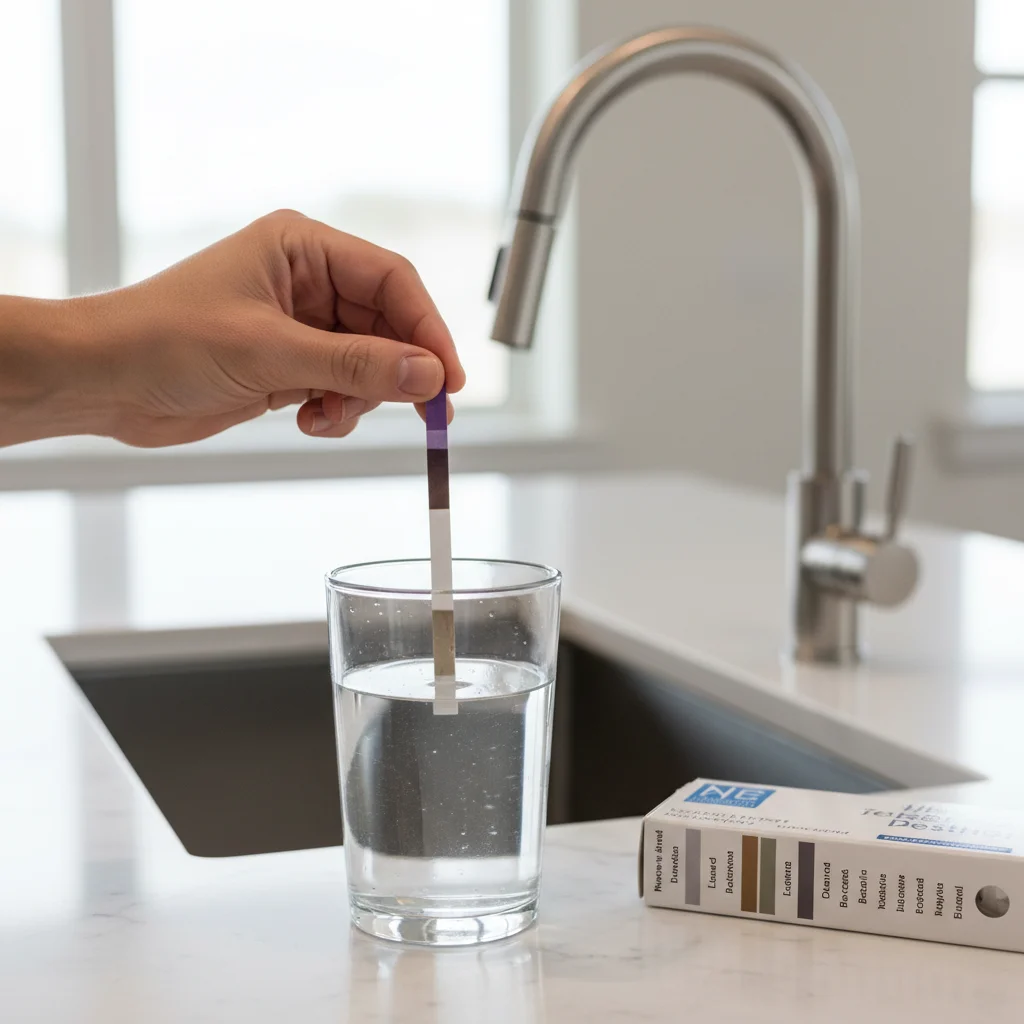
Step 1: Test Your Water
This is arguably the most critical first step. You can’t effectively treat a problem you don’t understand. Home water testing kits are available, or you can send samples to a certified lab for a comprehensive analysis. Key contaminants to test for include lead, chlorine, nitrates, heavy metals, bacteria, and hardness. Your local water utility’s annual water quality report (Consumer Confidence Report) can also provide valuable insights into what’s in your municipal water supply.
Step 2: Identify Your Needs and Priorities
- What contaminants are you most concerned about? (e.g., lead, PFAS, chlorine)
- Do you want filtered water for just drinking/cooking, or for the entire house?
- What’s your budget? (initial purchase, installation, and ongoing filter replacement costs)
- How much maintenance are you willing to do?
- Do you own your home, or are you renting? (influences installation options)
Step 3: Research Filtration Technologies
Based on your water test results and needs, delve deeper into the technologies best suited for removing specific contaminants:
- Activated Carbon: Excellent for chlorine, taste, odor, VOCs.
- Reverse Osmosis (RO): Best for dissolved solids, heavy metals, fluoride, nitrates, and a very wide range of chemical contaminants.
- UV Filters: Effective against bacteria, viruses, and other microorganisms, often used in conjunction with other filters.
- Ion Exchange: Primarily for water softening (removing calcium and magnesium), but also effective for some heavy metals.
- KDF (Kinetic Degradation Fluxion): Reduces chlorine, heavy metals, and inhibits bacterial growth.
- Ultrafiltration (UF): Removes suspended solids, bacteria, viruses, and cysts, but leaves beneficial minerals.
Step 4: Compare Systems and Brands
Once you have a clear idea of the technology you need, compare different systems and brands. Look for:
- Certifications: NSF International, Water Quality Association (WQA), or ANSI certifications ensure the product meets specific performance standards.
- Filter Lifespan and Cost: Factor in the ongoing cost and frequency of filter replacements.
- Flow Rate: Especially important for whole-house systems to ensure adequate water pressure.
- Installation Requirements: DIY-friendly vs. professional installation.
- Warranty and Customer Support: Essential for long-term satisfaction.
Step 5: Consider Professional Installation and Maintenance
While some systems are DIY-friendly, complex installations like whole-house systems or RO systems might benefit from professional plumbing services. Regular maintenance, primarily filter replacement, is crucial to ensure the system continues to perform effectively. Neglecting maintenance can lead to reduced filtration efficiency and even potential contamination.
The Future of Water: Innovation in Filtration
The field of home water filtration is continuously evolving. Looking ahead to 2026 and beyond, we can anticipate even more sophisticated and integrated solutions:
Smart Filtration Systems:
Systems with IoT capabilities that monitor water quality in real-time, track filter life, and even integrate with smart home platforms to alert you when filters need changing or if an issue is detected.
Enhanced Contaminant Removal:
New filter media and hybrid technologies are being developed to target an even broader spectrum of emerging contaminants, including advanced removal of microplastics and specific pharmaceutical compounds.
Sustainable Solutions:
A greater focus on reducing water waste (especially for RO systems), using more eco-friendly filter materials, and developing longer-lasting filters to minimize environmental impact.
Decentralized Water Treatment:
As concerns about centralized infrastructure grow, more homes might adopt advanced point-of-entry systems that effectively act as mini-treatment plants, providing a higher level of autonomy over water quality.
These innovations promise to make home water filtration even more effective, convenient, and environmentally responsible in the coming years.
Conclusion: Securing Your Home’s Water Future
The call for one in three US homes to consider upgrading their home water filtration systems by 2026 is not an overstatement; it’s a reflection of a growing awareness and necessity. Our water quality is under increasing pressure from aging infrastructure, environmental changes, and new contaminants. Proactive steps in securing clean, safe water for your household are no longer optional but a fundamental aspect of modern homeownership and health management.
By investing in a robust home water filtration system, you’re not just buying a product; you’re investing in your family’s health, peace of mind, and a more sustainable future. Take the time to understand your water, explore the available solutions, and make an informed decision that will benefit you and your loved ones for years to come. The future of clean water in your home starts today.