Home Maintenance Checklist 2026: 10 Tasks to Prevent Costly Repairs This Year
Owning a home is a rewarding experience, but it also comes with the significant responsibility of upkeep. Neglecting small issues can quickly escalate into major, expensive repairs. That’s why a proactive approach to home maintenance is not just smart, it’s essential. As we step further into 2026, it’s the perfect time to establish a robust home maintenance checklist that will save you money, stress, and ensure your home remains a safe and comfortable sanctuary.
Many homeowners often wonder, “What should be on my annual home maintenance checklist?” The answer isn’t always straightforward, as it depends on various factors like your home’s age, location, and specific features. However, there are universal tasks that every homeowner should prioritize. This comprehensive guide will walk you through 10 critical home maintenance tasks for 2026, designed to help you prevent costly repairs and maintain your property’s value for years to come. By consistently following this home maintenance checklist, you’ll be well on your way to a well-preserved and efficient home.
The Importance of a Proactive Home Maintenance Checklist
Before diving into the specifics, let’s briefly underscore why a proactive home maintenance checklist is so crucial. Think of your home as a complex machine; regular tune-ups and inspections keep it running smoothly. Ignoring potential issues is like ignoring a strange noise in your car—eventually, it leads to a breakdown. For homeowners, this breakdown often translates into significant financial strain, inconvenience, and a decrease in property value.
A well-executed home maintenance checklist helps in several ways:
- Saves Money: Addressing minor problems before they become major ones is almost always cheaper. For example, cleaning gutters regularly is far less expensive than repairing water damage to your foundation or roof.
- Extends Lifespan of Systems and Appliances: Regular maintenance, such as cleaning HVAC filters or servicing your water heater, can significantly extend the operational life of these expensive components, delaying the need for costly replacements.
- Ensures Safety: Tasks like checking smoke detectors, carbon monoxide alarms, and electrical systems are vital for the safety of your household.
- Maintains Property Value: A well-maintained home holds its value better and is more attractive to potential buyers should you decide to sell in the future.
- Improves Efficiency: Tasks like sealing drafts and maintaining HVAC systems can lead to lower energy bills.
- Reduces Stress: Knowing that you’re on top of your home’s needs provides peace of mind and reduces the likelihood of unexpected emergencies.
Now, let’s get into the nitty-gritty of your 2026 home maintenance checklist.
1. HVAC System Inspection and Maintenance (Spring & Fall)
Your Heating, Ventilation, and Air Conditioning (HVAC) system is one of the most critical and expensive components of your home. It’s responsible for your indoor comfort and air quality. Neglecting it can lead to inefficient operation, higher energy bills, and premature system failure. This makes HVAC maintenance a top priority on any home maintenance checklist.
What to do:
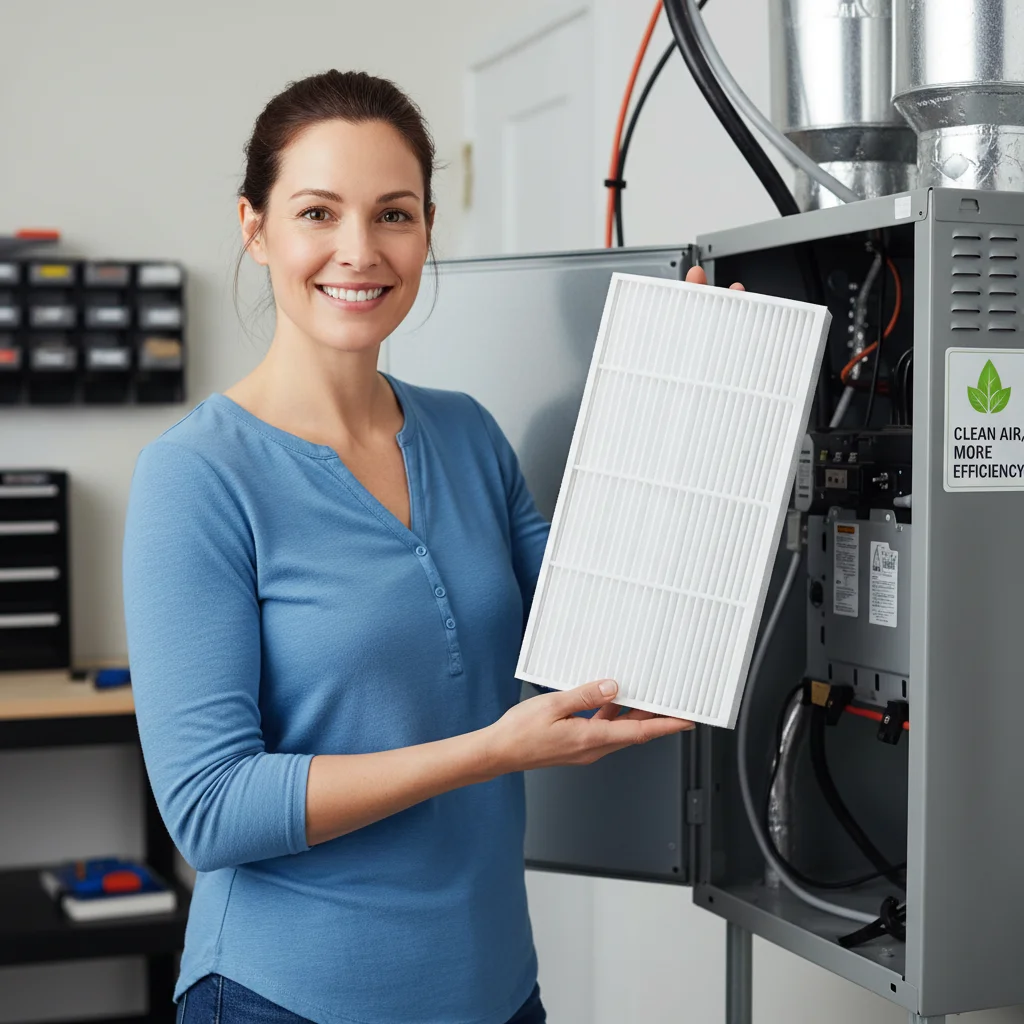
- Change Air Filters: This is the easiest and most frequent task. Filters should be checked monthly and replaced every 1-3 months, or more often if you have pets, allergies, or live in a dusty environment. A clean filter ensures good airflow and prevents dust and allergens from circulating.
- Professional Tune-Up: Schedule professional inspections and tune-ups twice a year – once in the spring before cooling season and once in the fall before heating season. Technicians will clean coils, check refrigerant levels, inspect electrical connections, lubricate moving parts, and ensure all components are functioning correctly.
- Clean Vents and Returns: Periodically vacuum or wipe down supply and return vents to remove dust buildup, ensuring optimal airflow.
- Clear Around Outdoor Unit: Ensure the outdoor condenser unit is free of debris, leaves, and overgrown vegetation. This allows for proper airflow and efficient operation.
Why it prevents costly repairs: Regular maintenance prevents minor issues from becoming major compressor failures or motor breakdowns, which can cost thousands to repair or replace. It also ensures your system runs efficiently, saving on energy bills.
2. Inspect and Clean Gutters and Downspouts (Spring & Fall)
Gutters and downspouts play a vital role in directing rainwater away from your home’s foundation, siding, and landscaping. When they become clogged with leaves, twigs, and other debris, water can overflow, leading to a host of expensive problems. This task is a non-negotiable item on your home maintenance checklist.
What to do:
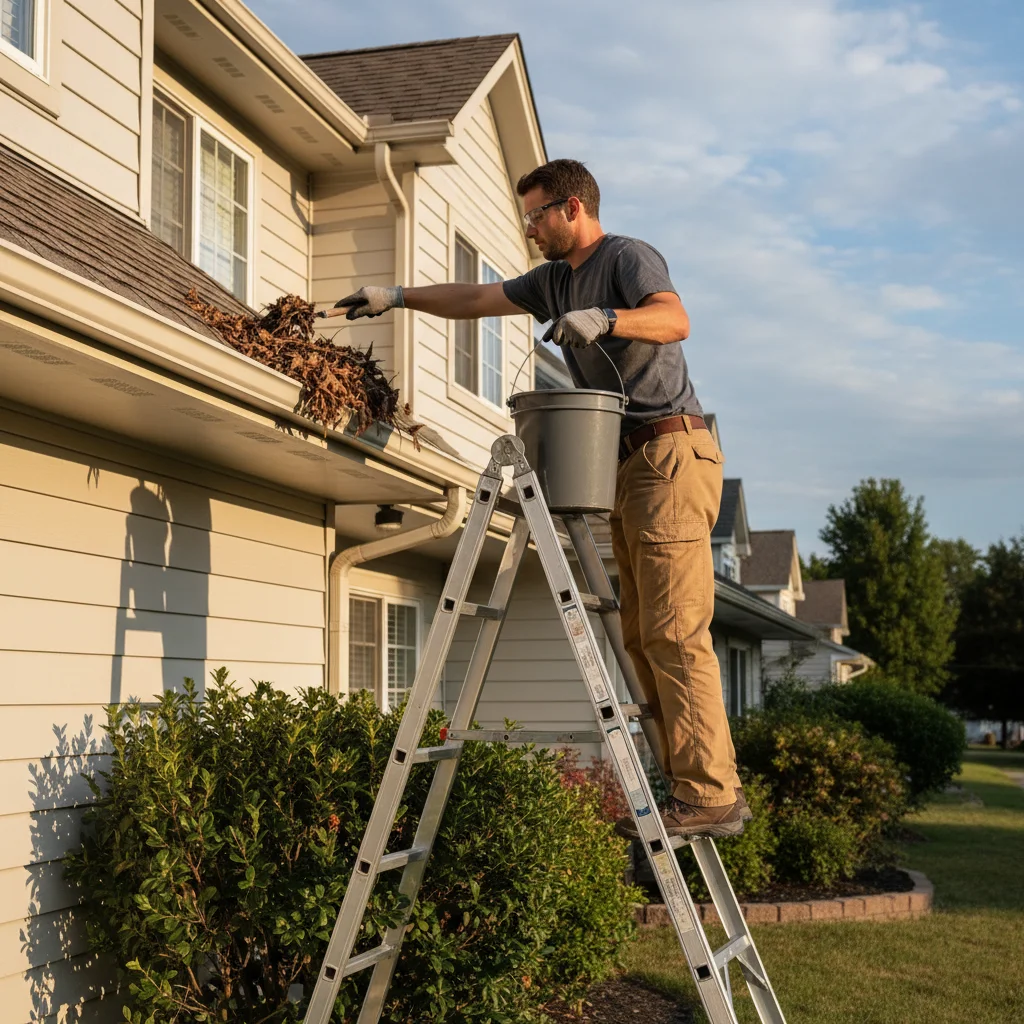
- Clear Debris: At least twice a year (after spring pollen season and after fall leaf drop), manually remove all leaves, twigs, and shingle grit from your gutters. You can use a scoop or wear gloves and use your hands.
- Flush with Water: Once cleaned, use a garden hose to flush water through the gutters and downspouts. Watch to ensure water flows freely and exits through the downspouts without any blockages or leaks.
- Check for Damage: While cleaning, inspect gutters for any cracks, rust, loose fasteners, or sagging sections. Ensure downspouts are securely attached and direct water at least 5-10 feet away from your foundation.
- Consider Gutter Guards: If you have many trees, consider installing gutter guards to reduce the frequency of cleaning, though they still require occasional checks.
Why it prevents costly repairs: Clogged gutters can lead to fascia board rot, foundation damage (due to water pooling), basement flooding, landscape erosion, and even issues with your home’s siding and roof. Regular cleaning is a small effort to prevent these significant expenses.
3. Check and Repair Roof (Annually)
Your roof is your home’s first line of defense against the elements. A damaged or compromised roof can lead to water leaks, structural damage, and mold growth inside your home. An annual roof inspection is a critical part of any diligent home maintenance checklist.
What to do:
- Visual Inspection from Ground: Use binoculars to scan your roof for missing, cracked, or curled shingles. Look for signs of wear and tear, especially after severe weather.
- Inspect from Ladder (Safely!): If comfortable and safe, use a ladder to get a closer look. Check flashing around chimneys, vents, and skylights for cracks or deterioration. Look for granules in your gutters, which can indicate shingle wear.
- Check for Moss or Algae: These can trap moisture and accelerate shingle deterioration. Address them with appropriate cleaning solutions if necessary.
- Inspect Attic for Leaks: From inside your attic, look for water stains, damp spots, or signs of mold on the underside of the roof decking. This can indicate a leak that isn’t visible from the exterior.
- Professional Inspection: Consider hiring a professional roofer for an annual inspection, especially if your roof is older or you’re uncomfortable performing the inspection yourself.
Why it prevents costly repairs: Catching and repairing a small roof leak early can prevent extensive damage to your attic, ceilings, walls, and insulation, saving you thousands in water damage restoration and mold remediation.
4. Test Smoke and Carbon Monoxide Detectors (Monthly & Annually)
While not directly a structural repair, ensuring your smoke and carbon monoxide (CO) detectors are functioning correctly is paramount for the safety of your family. This is an easy yet critically important item on your home maintenance checklist.
What to do:
- Monthly Test: Press the “test” button on each detector monthly to ensure the alarm sounds.
- Replace Batteries: Replace batteries at least once a year, or immediately when the detector chirps to indicate low battery. A good habit is to do this when you change your clocks for daylight saving time.
- Check Expiration Dates: Smoke detectors typically have a lifespan of 10 years, and CO detectors often last 5-7 years. Check the manufacture date on the back of the unit and replace them accordingly, even if they seem to be working.
- Placement: Ensure you have detectors on every level of your home, inside and outside sleeping areas.
Why it prevents costly repairs: While not a direct repair, properly functioning detectors can literally save lives and prevent devastating property loss from fires or carbon monoxide poisoning. The cost of replacing batteries or outdated units is negligible compared to the potential consequences.
5. Inspect and Seal Windows and Doors (Annually)
Drafty windows and doors are not just uncomfortable; they are significant culprits in energy loss, leading to higher heating and cooling bills. Addressing these issues is a smart addition to your home maintenance checklist.
What to do:
- Check for Drafts: On a windy day, hold a lit incense stick or a piece of tissue paper around the edges of closed windows and doors. If the smoke wavers or the tissue moves, you have a draft.
- Inspect Weatherstripping: Check the weatherstripping around doors and windows for cracks, gaps, or deterioration. Replace any worn-out sections.
- Examine Caulking: Look at the caulk around window and door frames, both inside and out. If it’s cracked, peeling, or missing, remove the old caulk and apply a fresh bead.
- Repair or Replace Seals: For older windows, inspect the glazing putty or seals around the glass. If they are compromised, consider repair or replacement.
Why it prevents costly repairs: Sealing drafts can significantly reduce your energy consumption, leading to lower utility bills. It also prevents moisture intrusion, which can lead to wood rot, mold, and damage to your home’s structure.
6. Examine Plumbing for Leaks and Drips (Quarterly)
Water leaks, no matter how small, can cause extensive damage over time, leading to mold growth, structural compromise, and expensive water bills. A regular plumbing check-up is a wise inclusion in your home maintenance checklist.
What to do:
- Check Under Sinks: Regularly look under all sinks for any signs of leaks, water stains, or drips from pipes and connections.
- Inspect Toilets: Check for leaks around the base of toilets and listen for constant running water, which indicates an internal leak. Add a few drops of food coloring to the toilet tank; if the color appears in the bowl without flushing, you have a leak.
- Examine Water Heater: Look for any signs of rust or leaks around the base of your water heater. Flush the water heater annually to remove sediment buildup, which improves efficiency and extends its lifespan.
- Check Exposed Pipes: In basements, crawl spaces, and utility rooms, inspect exposed pipes for corrosion, drips, or bulging.
- Outdoor Faucets: Ensure outdoor spigots are not leaking and are properly winterized in cold climates to prevent pipes from bursting.
Why it prevents costly repairs: A small drip can waste hundreds of gallons of water annually and lead to significant water damage, mold growth, and rotting wood. Early detection and repair prevent these expensive issues.
7. Inspect and Clean Dryer Vent (Annually)
A clogged dryer vent is more than an inconvenience; it’s a significant fire hazard and reduces your dryer’s efficiency. This simple task is often overlooked but critical on any home maintenance checklist.
What to do:
- Disconnect Dryer: Unplug the dryer and disconnect the vent hose from the back of the dryer and the wall.
- Remove Lint: Use a vacuum cleaner with a hose attachment to remove lint from inside the dryer vent opening and the vent hose itself.
- Clean Exterior Vent Cap: Go outside and clean any lint buildup from the exterior vent cap. Ensure the flapper opens and closes freely.
- Professional Cleaning: If your vent run is long or has many bends, consider hiring a professional dryer vent cleaning service annually.
Why it prevents costly repairs: Lint is highly flammable. A clogged dryer vent is a leading cause of house fires. Regular cleaning prevents this danger and also improves your dryer’s efficiency, saving energy and extending the life of the appliance.
8. Test Electrical Outlets and GFCI Outlets (Annually & Monthly)
Electrical safety is paramount. Ensuring your outlets are functioning correctly, especially Ground Fault Circuit Interrupter (GFCI) outlets, is a crucial part of your home maintenance checklist.
What to do:
- GFCI Outlets (Monthly): GFCI outlets, typically found in kitchens, bathrooms, laundry rooms, and outdoors, protect against electrical shock. Test them monthly by pressing the “test” button; it should trip the circuit. Then press “reset.” If it doesn’t trip or reset, it needs replacement.
- Inspect Standard Outlets (Annually): Check standard outlets for loose connections, scorch marks, or buzzing sounds. If you notice any of these, contact a qualified electrician.
- Overloaded Outlets: Avoid overloading outlets with too many devices, which can lead to overheating and fire hazards.
- Check Cords: Inspect appliance cords for fraying or damage. Replace damaged cords immediately.
Why it prevents costly repairs: Faulty wiring or outlets can cause electrical fires, which are incredibly destructive and expensive to repair. GFCI outlets protect against electrical shock, preventing serious injury or even death.
9. Inspect Foundation and Basement/Crawl Space (Annually)
Your home’s foundation is its backbone. Any issues here can lead to widespread structural problems throughout your entire house. A thorough inspection of your foundation and any below-grade spaces is a critical item on your home maintenance checklist.
What to do:
- Exterior Foundation Check: Walk around your home and look for any cracks in the foundation walls. Hairline cracks are often normal, but wider cracks (more than 1/8 inch), horizontal cracks, or stair-step cracks in brick mortar can indicate more serious issues.
- Check for Grading: Ensure the ground around your foundation slopes away from the house, directing water away. If it slopes towards the house, you may need to add soil to improve grading.
- Basement/Crawl Space Inspection: Look for signs of moisture, water stains, mold, or musty odors. Inspect support beams and floor joists for rot or pest damage.
- Sump Pump Check (if applicable): If you have a sump pump, test it to ensure it’s working by pouring a bucket of water into the pit.
Why it prevents costly repairs: Foundation repairs can be some of the most expensive and disruptive home repairs. Catching issues like poor drainage or minor cracks early can prevent major structural damage, basement flooding, and mold growth, saving tens of thousands of dollars.
10. Landscaping and Tree Maintenance (Annually)
While often seen as purely aesthetic, proper landscaping and tree care are integral to your home’s structural integrity and safety. This is a vital, often overlooked, part of your home maintenance checklist.
What to do:
- Trim Trees and Shrubs: Ensure tree branches are trimmed back at least 10 feet from your roof and power lines to prevent damage during storms and to keep pests away. Trim shrubs away from your home’s siding to prevent moisture buildup and pest entry.
- Clear Debris: Keep garden beds and areas around your foundation free of leaves, mulch, and other organic debris that can attract pests or trap moisture.
- Check for Root Intrusion: Be mindful of large tree roots that might be growing too close to your foundation, driveway, or underground pipes.
- Maintain Sprinkler Systems: If you have an irrigation system, check for leaks, broken sprinkler heads, and ensure proper coverage to avoid overwatering near the foundation.
Why it prevents costly repairs: Overgrown trees can fall on your house during storms, causing extensive roof and structural damage. Roots can damage foundations and plumbing. Proper landscaping prevents moisture issues around the foundation and deters pests, all of which can lead to expensive repairs.
Establishing Your Home Maintenance Routine for 2026
Creating a home maintenance checklist is one thing; sticking to it is another. To make these tasks manageable, consider the following strategies:
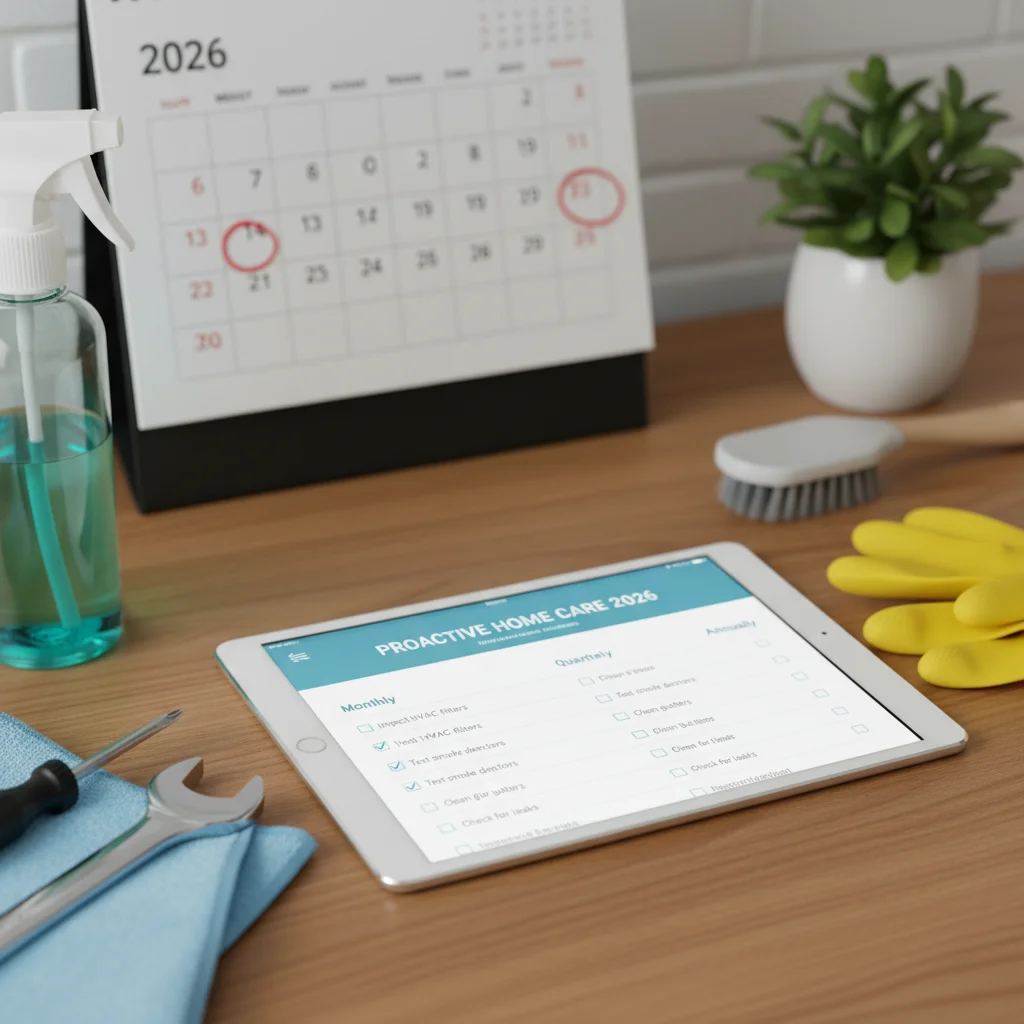
- Create a Schedule: Break down the annual checklist into seasonal or monthly tasks. For example, some tasks are best done in spring, others in fall, and some monthly.
- Use Reminders: Set calendar reminders on your phone or use a dedicated home maintenance app to keep track of what needs to be done and when.
- Gather Tools: Ensure you have the necessary tools for common tasks (ladders, cleaning supplies, basic hand tools).
- DIY vs. Professional: Understand your limits. Some tasks are simple DIY projects, while others (like complex electrical work or major roof repairs) are best left to qualified professionals. Budget for these professional services.
- Involve the Family: Make home maintenance a family affair. Even children can help with simple tasks like dusting vents or raking leaves.
- Keep Records: Maintain a log of all maintenance performed, including dates, costs, and any issues found. This is valuable for tracking the health of your home and can be useful information if you ever sell.
By integrating these 10 essential tasks into your 2026 home maintenance checklist, you’re not just preventing costly repairs; you’re investing in the longevity, safety, and comfort of your home. A little effort consistently applied throughout the year goes a long way in ensuring your home remains a source of pride and security.
Beyond the Checklist: Continuous Vigilance
While a structured home maintenance checklist is invaluable, continuous vigilance is equally important. Pay attention to your home throughout the year. Notice new sounds, smells, or visual changes. A small water stain on the ceiling, a flickering light, or an unusual smell from an appliance could be early indicators of a problem that needs addressing. Don’t ignore these subtle cues. Trust your instincts – if something feels off, investigate it or call a professional.
Moreover, consider the age of your home and its systems. Older homes often require more frequent inspections and proactive repairs. Components like water heaters, roofs, and HVAC systems have finite lifespans. Knowing the age of these critical systems can help you anticipate major expenses and plan for replacements before they fail catastrophically.
Embracing technology can also aid in your home maintenance efforts. Smart home devices, such as smart leak detectors, smart carbon monoxide alarms, and smart thermostats, can provide real-time alerts and data that help you monitor your home’s health and efficiency. Integrating these tools can enhance your home maintenance checklist by offering an extra layer of protection and insight.
The Financial Benefits of Consistent Home Maintenance
Let’s revisit the financial aspect, as it’s often the most compelling reason for homeowners to adopt a rigorous home maintenance checklist. The adage “an ounce of prevention is worth a pound of cure” holds especially true for homeownership. Consider these examples:
- Energy Savings: Properly sealed windows and doors, a well-maintained HVAC system, and insulated attics can shave hundreds of dollars off your annual energy bills. These are not one-time savings but recurring benefits that add up significantly over time.
- Avoidance of Emergency Repairs: An emergency repair, like a burst pipe in the middle of winter or a sudden roof leak during a storm, often comes with a premium cost. Plumbers or roofers charging emergency rates can be significantly more expensive than scheduled maintenance or minor repairs. Your home maintenance checklist helps minimize these stressful and costly surprises.
- Preserving Home Value: When it comes time to sell your home, a history of consistent maintenance is a huge selling point. Buyers are often willing to pay more for a home that shows evidence of being well-cared for, as it suggests fewer immediate expenditures for them. Conversely, a neglected home may require significant price reductions or demands for repairs during negotiations.
- Extended Appliance Lifespan: Replacing a major appliance like an HVAC unit, water heater, or washing machine can cost thousands. Regular maintenance, as outlined in our home maintenance checklist, can extend the life of these units by several years, postponing these large capital expenditures.
By viewing home maintenance not as an expense, but as an investment, you shift your perspective and reinforce the importance of these tasks. Each item on your home maintenance checklist contributes to the overall financial health of your property.
Conclusion: Your Home, Your Investment
Your home is likely your largest asset, and treating it as such means dedicating time and resources to its care. This 2026 home maintenance checklist provides a solid foundation for ensuring your property remains in excellent condition, year after year. From the structural integrity of your roof and foundation to the efficiency of your HVAC system and the safety of your electrical components, every task plays a crucial role.
By adopting a proactive mindset and diligently following these 10 essential tasks, you’ll not only prevent costly and stressful repairs but also enjoy a more comfortable, safe, and energy-efficient living environment. Make 2026 the year you master your home maintenance routine, safeguarding your investment and enjoying the peace of mind that comes with a well-cared-for home.
Remember, consistency is key. A little effort regularly applied is far more effective than sporadic, reactive interventions. Start planning your home maintenance checklist for 2026 today, and reap the rewards for years to come.