Boost Your Home’s Indoor Air Quality: 3 Critical Steps for 2026
In an era where we spend a significant portion of our lives indoors, the quality of the air we breathe within our homes has become an increasingly critical factor for our overall health and well-being. As we look towards 2026, understanding and actively working to improve indoor air quality is not just a recommendation; it’s a necessity. Poor indoor air quality can contribute to a myriad of health issues, ranging from mild allergies and respiratory discomfort to more severe conditions like asthma and other chronic illnesses. The good news is that significant improvements are within reach, and by implementing a few critical steps, you can transform your home into a healthier, more breathable sanctuary.
This comprehensive guide will delve into three pivotal strategies designed to help you dramatically improve indoor air quality in your home, aiming to reduce allergens by a substantial 30% or more. We’ll explore the science behind these methods, provide actionable advice, and equip you with the knowledge to make informed decisions about your home’s air. From understanding the common pollutants lurking in your home to adopting advanced purification techniques, prepare to embark on a journey towards a fresher, cleaner, and healthier living environment for you and your loved ones.
The Silent Threat: Why Indoor Air Quality Matters More Than Ever
Before we dive into solutions, it’s crucial to grasp the gravity of the problem. Many people assume that outdoor air pollution is the primary concern, but studies have consistently shown that indoor air can be two to five times, and occasionally more than 100 times, more polluted than outdoor air. This startling fact is due to several factors:
- Sealed Homes: Modern homes are built to be more energy-efficient, which often means they are tightly sealed. While great for insulation, this reduces natural ventilation, trapping pollutants inside.
- Indoor Sources: Our homes are filled with potential sources of pollution. These include building materials, furniture, cleaning products, personal care items, cooking fumes, pet dander, mold, and even our own activities like smoking or burning candles.
- Time Spent Indoors: With lifestyles increasingly centered around indoor activities, we spend roughly 90% of our time inside, making our exposure to indoor pollutants prolonged and significant.
Common Indoor Air Pollutants and Their Impact
To effectively improve indoor air quality, we must first identify the enemies:
- Particulate Matter (PM): Tiny solid or liquid particles suspended in the air. Sources include dust, pollen, pet dander, smoke, and combustion byproducts. PM can penetrate deep into the lungs, causing respiratory and cardiovascular problems.
- Volatile Organic Compounds (VOCs): Gases emitted from certain solids or liquids. Common sources are paints, varnishes, cleaning supplies, air fresheners, building materials, and furnishings. VOCs can cause headaches, nausea, organ damage, and some are known carcinogens.
- Biological Pollutants: Mold, mildew, bacteria, viruses, dust mites, and pet dander. These can trigger allergies, asthma attacks, and infections. High humidity often exacerbates mold and dust mite issues.
- Carbon Monoxide (CO): An odorless, colorless, and poisonous gas produced by incomplete combustion. Sources include faulty furnaces, gas stoves, and vehicle exhaust. High levels can be fatal.
- Radon: A radioactive gas that comes from the natural decay of uranium in soil, rock, and water. It can enter homes through cracks in foundations. Radon is the second leading cause of lung cancer.
Understanding these threats underscores the urgency and importance of taking proactive steps to improve indoor air quality. Now, let’s explore the three critical strategies.
Critical Step 1: Enhance Ventilation and Air Circulation
One of the most fundamental and often overlooked strategies to improve indoor air quality is to ensure adequate ventilation and air circulation. Stagnant air allows pollutants to accumulate, making your home a breeding ground for allergens and harmful chemicals. By regularly introducing fresh outdoor air and moving indoor air, you can significantly dilute and expel these contaminants.
Natural Ventilation: The Power of Opening Windows
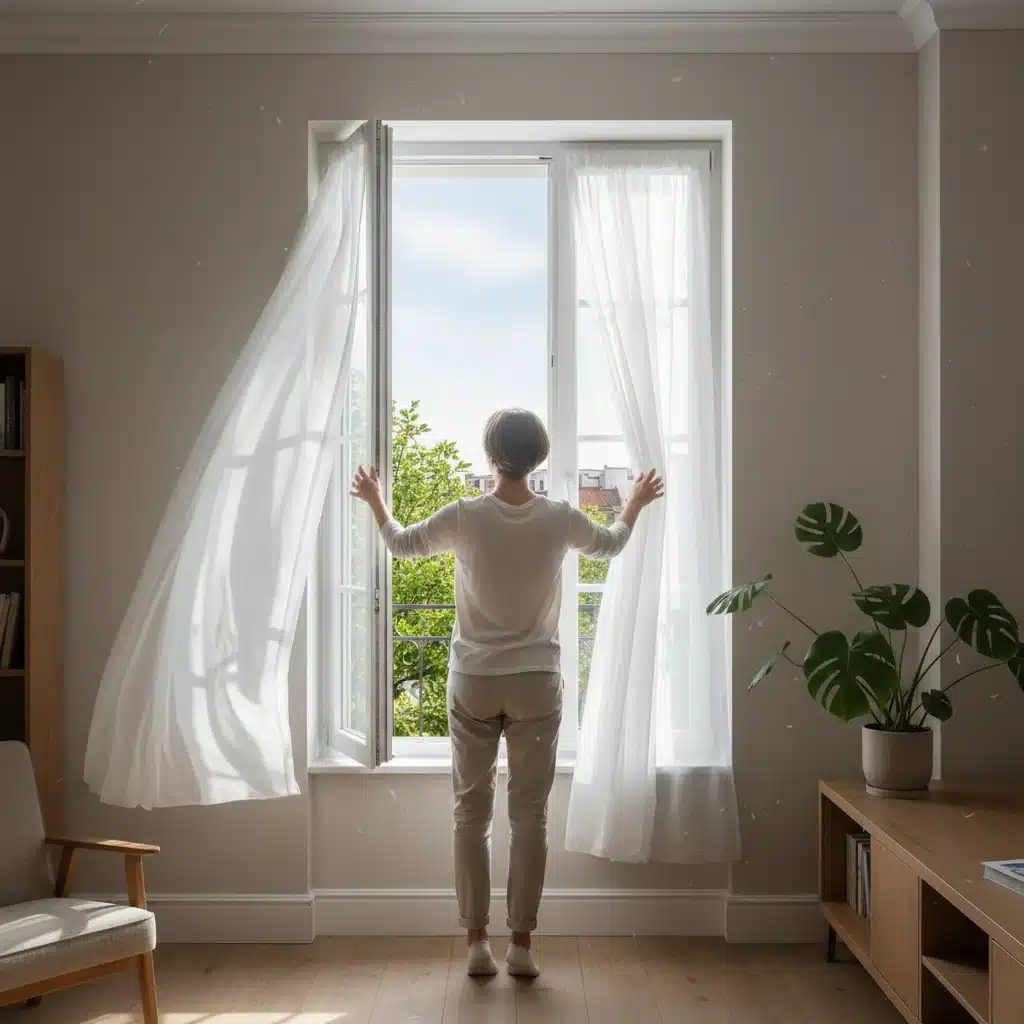
The simplest and most cost-effective method is natural ventilation. Regularly opening windows and doors, even for short periods, can work wonders. Aim for:
- Cross-Ventilation: Open windows on opposite sides of your house to create a cross-breeze. This maximizes airflow and flushes out stale air.
- Daily Routine: Make it a habit to open windows for at least 10-15 minutes daily, especially after cooking, cleaning, or showering.
- Strategic Timing: If outdoor air quality is poor (e.g., during peak traffic hours or allergy season), consider ventilating during off-peak times or using alternative methods.
While seemingly basic, consistent natural ventilation is a powerful first line of defense to improve indoor air quality by preventing the buildup of pollutants.
Mechanical Ventilation Systems: Beyond the Basics
For homes in areas with consistently poor outdoor air quality or those with specific indoor pollutant challenges, mechanical ventilation systems offer a more controlled and continuous solution.
- Exhaust Fans: Ensure your kitchen and bathroom exhaust fans are working efficiently and used regularly. Kitchen fans remove cooking fumes, VOCs, and moisture, while bathroom fans tackle humidity and prevent mold growth. Make sure they vent outside, not into an attic.
- Heat Recovery Ventilators (HRVs) and Energy Recovery Ventilators (ERVs): These systems are designed for energy-efficient homes. They continuously bring in fresh outdoor air while expelling stale indoor air. Critically, they transfer heat (and sometimes moisture) between the incoming and outgoing air streams, minimizing energy loss. HRVs are ideal for colder climates, while ERVs are beneficial in humid climates as they also manage moisture. Investing in an HRV or ERV is a significant step to continually improve indoor air quality without compromising energy efficiency.
- Whole-House Fans: These fans are installed in the ceiling and pull air from open windows throughout the house, exhausting it through the attic. They are effective for rapid air changes and cooling, especially in moderate climates.
Optimizing Air Circulation with HVAC Systems
Your existing heating, ventilation, and air conditioning (HVAC) system plays a crucial role in air circulation. While not primarily designed for ventilation (bringing in fresh air), it can help move and filter existing indoor air.
- Run the Fan: Many HVAC systems have a “fan on” setting that circulates air even when heating or cooling isn’t active. Running the fan for a few hours a day can help distribute air more evenly and push it through your filtration system.
- Regular Maintenance: Ensure your HVAC system is regularly inspected and maintained by professionals. A well-maintained system runs more efficiently and is better at circulating air.
By combining natural and mechanical ventilation with optimized HVAC use, you create a dynamic environment where fresh air is consistently introduced and stale, pollutant-laden air is removed, making a substantial impact to improve indoor air quality.
Critical Step 2: Implement Advanced Filtration and Purification
Ventilation helps remove pollutants, but filtration and purification actively capture and neutralize them. This step is particularly vital for targeting particulate matter like dust, pollen, pet dander, and even some microscopic contaminants. To effectively improve indoor air quality, you need robust filtration.
Upgrading Your HVAC Filters
Your HVAC system’s filter is your first line of defense against airborne particles. Not all filters are created equal:
- MERV Rating: Look for filters with a higher Minimum Efficiency Reporting Value (MERV) rating. A MERV 8 filter is a good standard, but MERV 11-13 filters offer significantly better particle capture, trapping smaller particles like mold spores, pet dander, and fine dust. Higher MERV ratings can sometimes restrict airflow, so check your HVAC system’s compatibility or consult a professional.
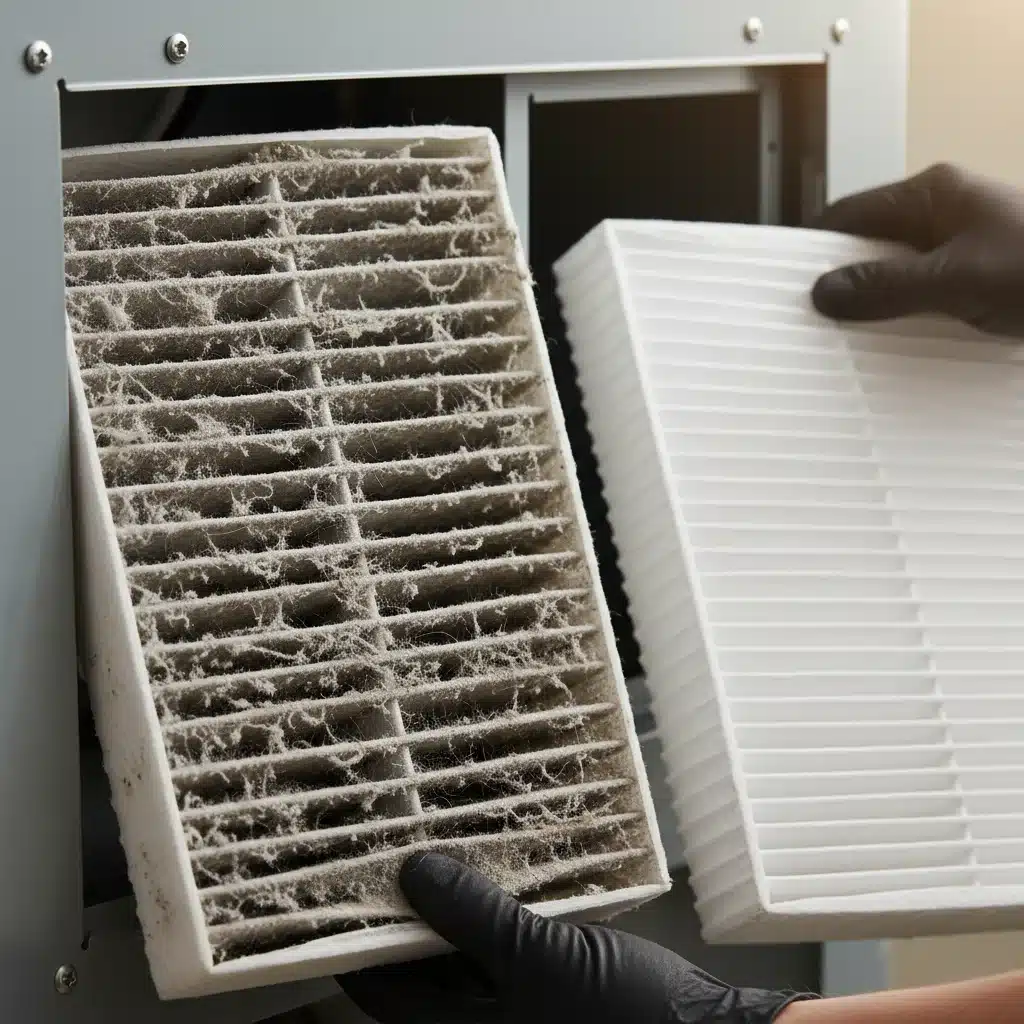
- Regular Replacement: The best filter is useless if it’s clogged. Replace your HVAC filter every 1-3 months, or more frequently if you have pets, allergies, or live in a dusty environment. A dirty filter not only stops working effectively but also reduces HVAC efficiency and can strain your system.
Portable Air Purifiers: Targeted Solutions
For specific rooms or to supplement your HVAC system, portable air purifiers are an excellent investment to improve indoor air quality. When choosing one, consider:
- HEPA Filters: High-Efficiency Particulate Air (HEPA) filters are the gold standard for capturing particles. They can remove at least 99.97% of airborne particles 0.3 microns in size, including dust mites, pollen, pet dander, and mold spores.
- Activated Carbon Filters: These filters are essential for removing gases, odors, and Volatile Organic Compounds (VOCs) that HEPA filters cannot capture. Look for purifiers that combine both HEPA and activated carbon for comprehensive purification.
- CADR Rating: The Clean Air Delivery Rate (CADR) indicates how quickly the purifier cleans a room of specific pollutants (smoke, pollen, dust). Match the CADR to your room size for optimal performance.
- Placement: Place purifiers in rooms where you spend the most time, such as bedrooms and living areas. Ensure they are not obstructed by furniture.
Beyond Filters: Advanced Purification Technologies
While filters physically remove particles, some technologies go a step further to neutralize or destroy pollutants:
- UV-C Light: Ultraviolet-C (UV-C) lamps can be integrated into HVAC systems or some air purifiers. They are effective at destroying airborne viruses, bacteria, and mold spores by disrupting their DNA.
- Photocatalytic Oxidation (PCO): PCO technology uses UV light and a titanium dioxide catalyst to create highly reactive ions that break down VOCs, odors, and other gaseous pollutants into harmless substances. While effective, some PCO systems can produce ozone, a lung irritant, so choose ozone-free options.
Implementing a multi-layered approach with high-quality HVAC filters, targeted portable air purifiers, and potentially advanced purification technologies will significantly improve indoor air quality by actively removing a wide spectrum of airborne contaminants.
Critical Step 3: Source Control and Regular Maintenance
The most effective way to improve indoor air quality is to prevent pollution from entering or forming in your home in the first place. This involves identifying and controlling sources of pollutants and maintaining a clean, healthy living environment.
Identify and Eliminate Pollution Sources
- Reduce VOCs: Choose low-VOC or zero-VOC paints, finishes, and building materials. Opt for solid wood furniture over pressed wood products that off-gas formaldehyde. Use natural cleaning products or those labeled “green” or “eco-friendly.” Avoid aerosol sprays, synthetic air fresheners, and scented candles, which can release VOCs and particulate matter.
- Control Moisture: Prevent mold growth by fixing leaks promptly, using exhaust fans in bathrooms and kitchens, and maintaining indoor humidity levels between 30-50%. A dehumidifier can be useful in humid climates or damp basements.
- Manage Pests: Pests like cockroaches and rodents can introduce allergens. Keep food stored properly and maintain cleanliness to deter them.
- Pet Dander Management: While you can’t eliminate pet dander, you can minimize its impact. Bathe pets regularly, vacuum frequently with a HEPA-filtered vacuum, and consider keeping pets out of bedrooms.
- Smoking Indoors: The most straightforward way to eliminate indoor smoke pollution is to prohibit smoking inside your home. Secondhand smoke is a major source of particulate matter and numerous toxic chemicals.
- Combustion Appliances: Ensure gas stoves, fireplaces, and other combustion appliances are properly vented and maintained. Install carbon monoxide detectors on every level of your home.
- Radon Testing: Test your home for radon, especially if you live in an area known for high radon levels. If levels are elevated, professional mitigation systems are available.
By proactively addressing these sources, you create a foundation for excellent indoor air quality, making the job of ventilation and filtration much easier.
Regular and Thorough Cleaning Practices
Even with source control, dust, allergens, and other particles will accumulate. Consistent cleaning is paramount to improve indoor air quality.
- Vacuum with HEPA: Invest in a vacuum cleaner with a HEPA filter to effectively trap dust, pet dander, and other allergens, preventing them from being recirculated into the air. Vacuum carpets and upholstery at least once or twice a week.
- Dust Regularly: Use a damp cloth to dust surfaces. Dry dusting can simply stir up particles, allowing them to resettle. Pay attention to often-forgotten areas like ceiling fan blades, blinds, and behind furniture.
- Wash Bedding: Wash bedding, including sheets, pillowcases, and blankets, weekly in hot water (at least 130°F or 54°C) to kill dust mites and remove allergens.
- Clean Curtains and Blinds: These can be significant dust and allergen collectors. Vacuum or wash curtains and blinds regularly.
- Maintain Floors: Mop hard floors frequently to remove dust and dirt that vacuums might miss.
- Entryway Mats: Place robust mats at all entrances to trap dirt and pollutants from shoes, preventing them from spreading throughout your home. Remove shoes before entering.
The Role of Indoor Plants (with caution)
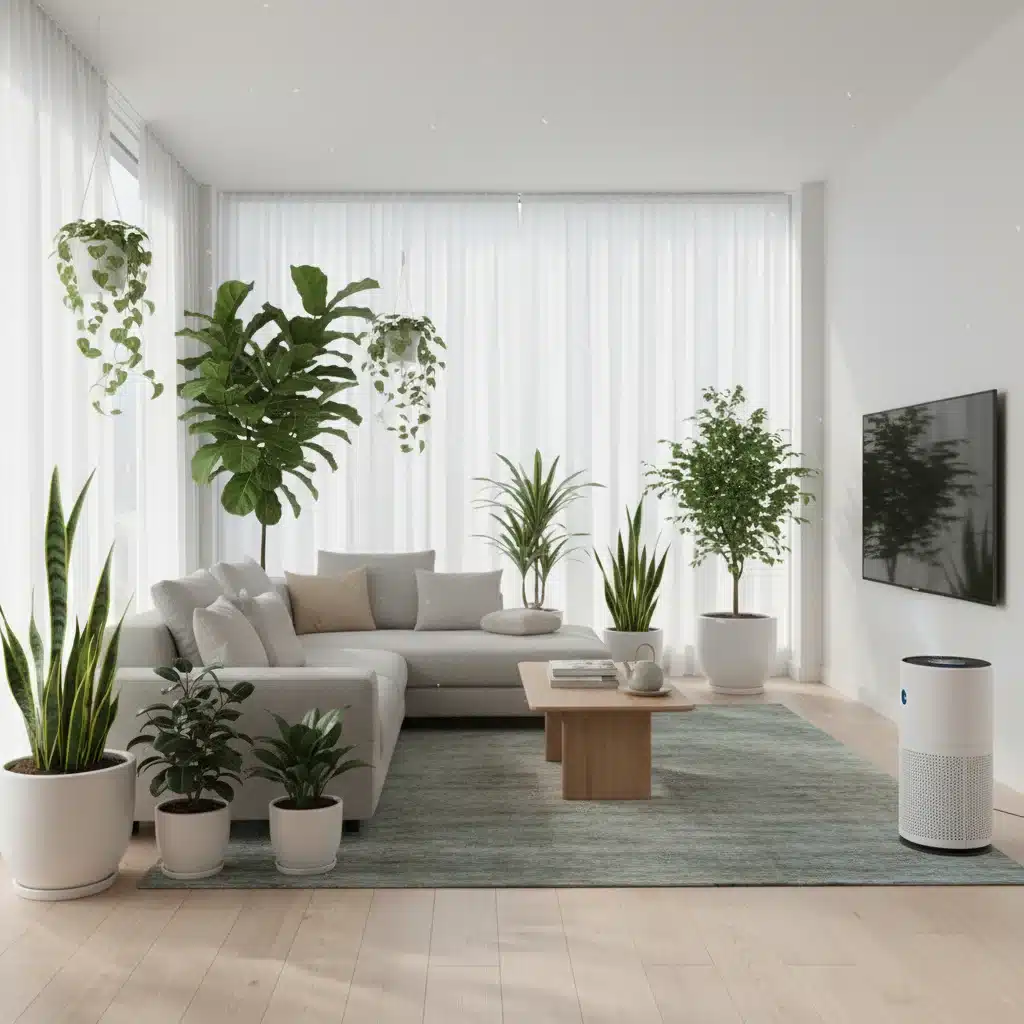
While some indoor plants are touted for their air-purifying qualities, their impact on overall indoor air quality is often overstated in typical home settings. While they can remove small amounts of certain VOCs, you would need an impractically large number of plants to significantly affect the air in an average room. Furthermore, overwatering can lead to mold growth in soil, and some plants can be allergens themselves. If you enjoy plants, keep them for aesthetic reasons, but don’t rely on them as your primary strategy to improve indoor air quality.
Professional Cleaning and Duct Maintenance
Periodically, consider professional help:
- Duct Cleaning: While not always necessary annually, if you’ve recently moved into an older home, completed major renovations, or notice excessive dust or odors from your vents, professional duct cleaning can remove accumulated dust, mold, and debris.
- Carpet Cleaning: Professional deep cleaning of carpets can remove embedded dirt, allergens, and dust mites that regular vacuuming might miss.
By diligently practicing source control and maintaining a rigorous cleaning schedule, you drastically reduce the input of pollutants into your home, making it easier to maintain superior indoor air quality.
Putting It All Together: Your Roadmap to a Healthier Home in 2026
Achieving and maintaining excellent indoor air quality is an ongoing process, not a one-time fix. By integrating these three critical steps into your home management routine, you will not only improve indoor air quality but also create a healthier, more comfortable, and more energy-efficient living space. Let’s recap the roadmap:
- Enhance Ventilation and Air Circulation: Regularly open windows for natural airflow, utilize kitchen and bathroom exhaust fans, and consider mechanical ventilation systems like HRVs or ERVs for continuous fresh air exchange. Ensure your HVAC fan is used to circulate and filter air.
- Implement Advanced Filtration and Purification: Upgrade your HVAC filters to higher MERV ratings and replace them consistently. Deploy portable air purifiers with HEPA and activated carbon filters in key living areas. Explore advanced technologies like UV-C lights for added protection against biological contaminants.
- Source Control and Regular Maintenance: Proactively identify and eliminate sources of pollution by choosing low-VOC products, controlling moisture, managing pests, and prohibiting indoor smoking. Maintain a rigorous cleaning schedule using HEPA vacuums and damp dusting techniques.
Measuring Your Progress and Staying Vigilant
How do you know if your efforts to improve indoor air quality are working? While you might feel the difference in reduced allergy symptoms or a fresher smell, consider investing in an indoor air quality monitor. These devices can track levels of particulate matter, VOCs, CO2, temperature, and humidity, providing objective data on your home’s air health. This feedback can help you adjust your strategies and pinpoint areas that need more attention.
Remember, consistency is key. Small, consistent actions over time will yield significant results. By making conscious choices about the products you bring into your home, how you manage moisture, and how thoroughly you clean, you empower yourself to take control of your indoor environment.
In conclusion, as we advance into 2026, the focus on home health will only intensify. Taking these critical steps to improve indoor air quality is an investment in your health, your family’s well-being, and the longevity of your home. Breathe easier knowing you’ve created a truly healthy and vibrant living space. Your lungs will thank you, and your overall quality of life will undoubtedly improve.