Cut Energy Bills: Top 5 Energy-Efficient Appliances for US Homes in 2026
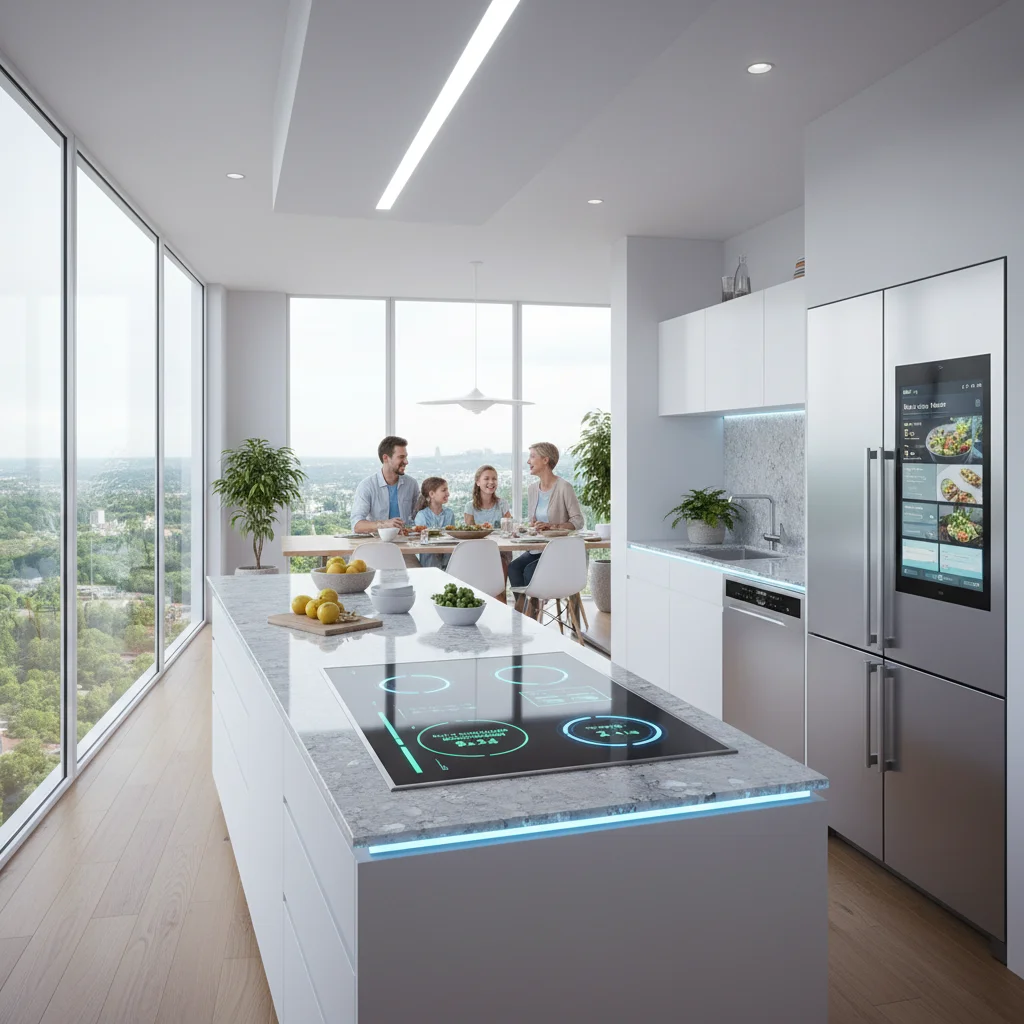
In an era where sustainability and economic prudence are paramount, the concept of a truly energy-efficient home is no longer a luxury but a necessity. As we look towards 2026, advancements in appliance technology promise not only significant reductions in our carbon footprint but also substantial savings on our monthly utility bills. The average U.S. household spends a considerable portion of its budget on energy, with heating, cooling, and water heating being major contributors. By strategically upgrading to energy-efficient appliances, homeowners can realistically aim to cut their energy consumption and associated costs by up to 20% or even more.
This comprehensive guide delves into the top five energy-efficient appliances that are set to become must-haves for U.S. homes by 2026. We will explore how these innovations work, their benefits, and what you should consider when making your next purchase. From smart thermostats that learn your habits to heat pump technology revolutionizing water heating, preparing your home for a more sustainable and cost-effective future starts now.
The Imperative of Energy Efficiency: Why Now?
The push for energy efficiency is driven by a confluence of factors: rising energy costs, growing environmental concerns, and advancements in technological capabilities. For the average American household, energy expenditures represent a significant and often fluctuating line item in the budget. Volatile fuel prices, increased demand, and the aging infrastructure of power grids contribute to these rising costs. By embracing energy-efficient appliances, homeowners can gain greater control over their expenses, insulating themselves from market fluctuations and enjoying predictable savings.
Beyond the financial incentives, the environmental impact of our energy consumption cannot be overstated. Traditional appliances often rely on energy sources that contribute to greenhouse gas emissions, exacerbating climate change. Energy-efficient appliances are designed to perform the same tasks using less energy, thereby reducing the demand for fossil fuels and lowering carbon emissions. This aligns with broader societal goals of sustainability and environmental stewardship, allowing homeowners to contribute positively to global efforts to combat climate change.
Moreover, government incentives and rebates are increasingly available for homeowners who choose to upgrade to energy-efficient models. These programs, often at federal, state, and local levels, can significantly offset the initial investment costs, making the transition even more appealing. As technology continues to evolve, the performance gap between standard and energy-efficient appliances widens, with the latter offering superior functionality, durability, and often, integrated smart features that enhance convenience and control.
Understanding Energy Star Ratings and Beyond
When shopping for energy-efficient appliances, the ENERGY STAR label is your most trusted guide. This widely recognized symbol indicates that a product meets strict energy efficiency guidelines set by the U.S. Environmental Protection Agency (EPA) and the U.S. Department of Energy (DOE). ENERGY STAR certified products are independently tested and verified to deliver energy savings without compromising performance.
However, the landscape of energy efficiency is constantly evolving. While ENERGY STAR provides a solid baseline, consumers should also look for specific metrics like the Energy Factor (EF) for water heaters, Integrated Modified Energy Factor (IMEF) for washing machines, and Energy Use (kWh/year) for refrigerators. These metrics offer a more granular understanding of an appliance’s energy consumption and can help you make an informed decision tailored to your household’s specific needs and usage patterns.
Furthermore, the concept of "smart" appliances is increasingly intertwined with energy efficiency. Many modern energy-efficient appliances come equipped with Wi-Fi connectivity and intelligent features that allow for remote monitoring, scheduling, and optimization. These smart capabilities can further amplify energy savings by enabling more precise control and data-driven insights into your consumption habits.
The Top 5 Energy-Efficient Appliances for 2026
Here are the five categories of energy-efficient appliances that are poised to make the biggest impact on U.S. homes by 2026, helping you achieve significant energy savings and a more sustainable lifestyle.
1. Smart Thermostats with Learning Capabilities
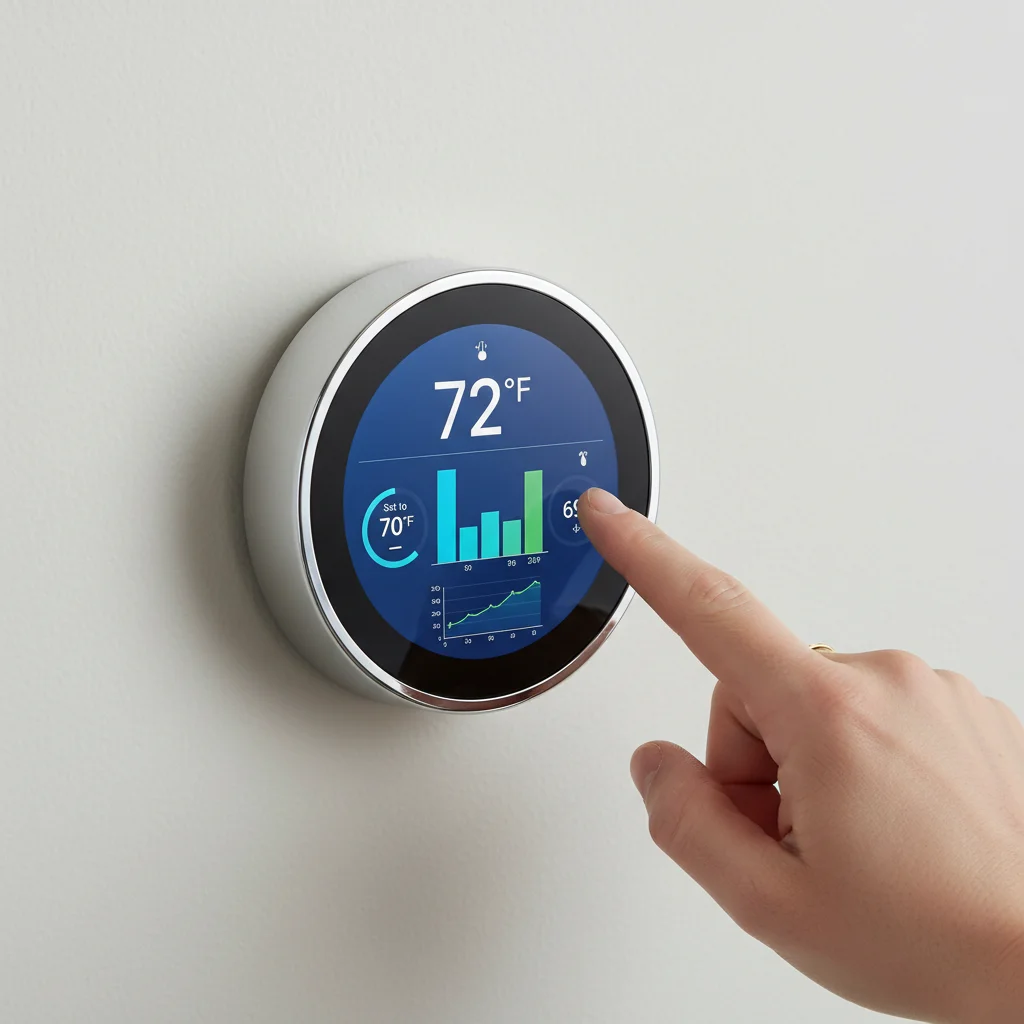
Heating and cooling constitute the largest portion of energy consumption in most U.S. homes, often accounting for more than half of the total energy bill. Traditional thermostats offer basic temperature control, but smart thermostats with learning capabilities take efficiency to an entirely new level.
How They Work: These devices learn your daily routines and preferences over time, automatically adjusting temperature settings to optimize comfort and energy use. They can detect when you’re home or away using geofencing, motion sensors, or linked smart home devices, ensuring that you’re not heating or cooling an empty house. Many models also offer detailed energy reports, allowing you to track consumption and identify areas for further savings. Advanced algorithms can even factor in local weather forecasts to pre-heat or pre-cool your home efficiently.
Benefits:
- Significant Savings: Studies by the EPA suggest that smart thermostats can save homeowners between 10-15% on heating and cooling costs.
- Enhanced Comfort: Your home is always at the ideal temperature when you need it, without manual adjustments.
- Remote Control: Adjust settings from anywhere using a smartphone app, ensuring your home is comfortable upon arrival or making last-minute changes to your schedule.
- Energy Insights: Detailed reports help you understand your energy consumption patterns and make informed decisions.
- Integration: Seamlessly integrate with other smart home systems, creating a more cohesive and automated environment.
What to Look For: When selecting a smart thermostat, consider its compatibility with your existing HVAC system, ease of installation, user interface, and integration capabilities with other smart home platforms (e.g., Amazon Alexa, Google Home, Apple HomeKit). Look for models with geofencing, occupancy sensors, and robust energy reporting features.
2. Heat Pump Water Heaters (HPWHs)
Water heating is the second-largest energy expense in most homes, typically accounting for about 18% of the average utility bill. Traditional tank water heaters use electric resistance or gas to heat water directly, which can be energy-intensive. Heat pump water heaters (HPWHs) offer a dramatically more efficient alternative.
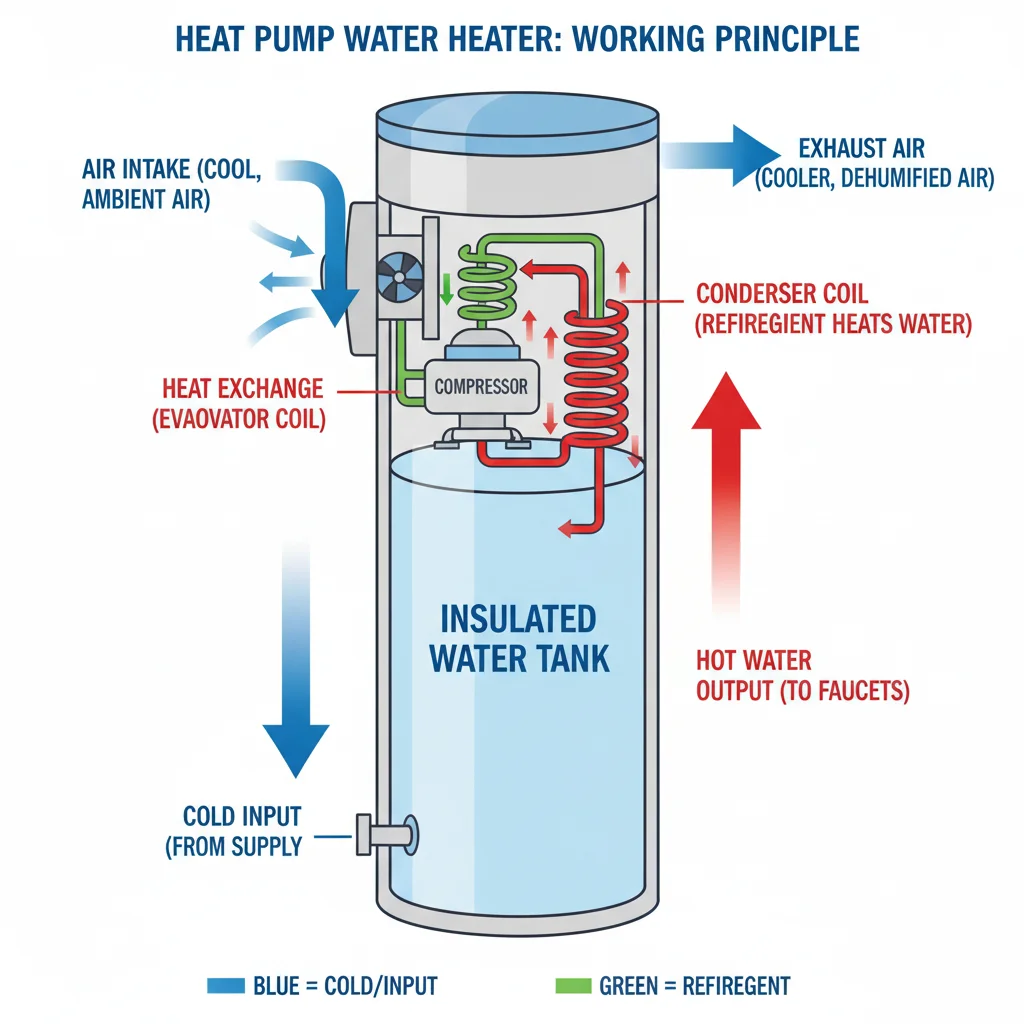
How They Work: Instead of generating heat, HPWHs move heat from the surrounding air to the water in the tank. They work much like a refrigerator in reverse: an evaporator coil absorbs heat from the ambient air, a compressor increases the temperature of the refrigerant, and a condenser coil transfers this heat to the water. This process is incredibly efficient, as it only uses electricity to move heat rather than generate it.
Benefits:
- Major Energy Savings: HPWHs are typically 2-3 times more energy-efficient than conventional electric storage water heaters, potentially saving hundreds of dollars annually.
- Reduced Carbon Footprint: By consuming less electricity, they significantly lower greenhouse gas emissions.
- Long Lifespan: Often designed for durability, many HPWHs have a longer lifespan than traditional models.
- Dehumidification: As a byproduct of their operation, HPWHs can also provide some dehumidification and cooling to the space where they are installed, which can be beneficial in humid climates or basements.
What to Look For: Consider the Uniform Energy Factor (UEF) rating; higher UEF values indicate greater efficiency. Ensure the unit is appropriately sized for your household’s hot water demand. Installation location is also crucial, as HPWHs require sufficient space and ambient air to operate efficiently, ideally in a garage, basement, or utility room where temperatures remain above 40°F (4.4°C).
3. Induction Cooktops and Ranges
Gas and electric resistance cooktops have long been the standard, but induction technology is rapidly gaining traction due to its superior energy efficiency, speed, and safety.
How They Work: Induction cooktops use electromagnetic fields to directly heat the cookware itself, rather than heating the cooktop surface and then transferring that heat to the pan. This direct transfer means very little energy is wasted, making them incredibly efficient. They require induction-compatible cookware (typically magnetic materials like cast iron or stainless steel).
Benefits:
- Exceptional Efficiency: Induction cooking is about 85-90% efficient, compared to 70-75% for electric resistance and only 30-40% for gas cooktops. This directly translates to lower energy bills.
- Faster Cooking: Water boils significantly faster on an induction cooktop than on gas or electric, saving time and energy.
- Precise Temperature Control: Induction offers instantaneous and precise temperature adjustments, similar to gas, but with greater accuracy and consistency.
- Enhanced Safety: The cooktop surface itself does not get hot, only the pan. This reduces the risk of burns and makes cleanup easier as spills don’t bake onto the surface.
- Improved Air Quality: Eliminates the release of combustion byproducts (like nitrogen dioxide) into your kitchen, which can be an issue with gas stoves.
What to Look For: Verify that your existing cookware is induction-compatible (a magnet will stick to the bottom). Consider the number of burners, power levels, and features like pan size detection and automatic shut-off. While the initial cost can be higher, the long-term energy savings and performance benefits justify the investment.
4. ENERGY STAR Certified Refrigerators and Freezers
Refrigerators and freezers run 24/7, making them constant energy consumers. While older models can be significant energy hogs, modern ENERGY STAR certified units have made tremendous strides in efficiency.
How They Work: Energy-efficient refrigerators and freezers incorporate advanced insulation materials, more efficient compressors, improved door seals, and smart defrost systems. They are designed to maintain optimal temperatures with minimal energy expenditure, reducing heat transfer from the outside and optimizing cooling cycles. Many newer models also feature smart technology for energy monitoring and optimization.
Benefits:
- Substantial Long-Term Savings: An ENERGY STAR certified refrigerator uses about 9% less energy than a conventional model, which can add up to significant savings over its lifespan, especially when replacing an old, inefficient unit.
- Reduced Environmental Impact: Lower energy consumption means a smaller carbon footprint.
- Improved Food Preservation: Consistent temperatures and better humidity control can help food stay fresh longer.
- Advanced Features: Many come with smart features like door alarms, remote temperature control, and even internal cameras, enhancing convenience and preventing energy waste.
What to Look For: Pay close attention to the yellow EnergyGuide label, which provides annual energy consumption (kWh/year) and estimated operating costs. Compare models based on their size, features, and energy ratings. Consider features like external ice/water dispensers (which can slightly increase energy use but offer convenience) and smart diagnostics. Replacing a refrigerator from the 1990s with a new ENERGY STAR model could save you hundreds of dollars annually.
5. High-Efficiency Clothes Washers and Dryers
Laundry appliances are another major energy user in the home, particularly the dryer. Both clothes washers and dryers have seen significant advancements in energy efficiency.
High-Efficiency Clothes Washers
How They Work: ENERGY STAR certified clothes washers use significantly less water and energy than conventional models. They achieve this through advanced wash systems that clean effectively with less water, often using horizontal-axis (front-load) designs or vertical-axis (top-load) designs without a traditional agitator. These designs allow for higher spin speeds, extracting more water from clothes and reducing drying time.
Benefits:
- Water and Energy Savings: ENERGY STAR washers use about 25% less energy and 33% less water than regular washers. This reduces both electricity and water utility bills.
- Gentler on Clothes: The absence of a central agitator or the use of tumbling action is often gentler on fabrics, extending the life of your clothes.
- Reduced Drying Time: Higher spin speeds mean clothes come out drier, requiring less time and energy in the dryer.
What to Look For: Check the Integrated Modified Energy Factor (IMEF) and Integrated Water Factor (IWF) ratings. Higher IMEF means more efficient energy use, and lower IWF indicates less water consumption. Consider capacity, wash cycles, and smart features like delayed start and load sensing.
High-Efficiency Clothes Dryers (Heat Pump Dryers)
How They Work: While traditional electric dryers use electric resistance to generate heat and vent hot, moist air outside, heat pump dryers work by recirculating air through a heat pump system. They use a refrigerant to extract moisture from the clothes, similar to how an air conditioner or refrigerator works. This process is much more energy-efficient and doesn’t require an external vent, offering greater installation flexibility.
Benefits:
- Massive Energy Savings: Heat pump dryers can use 20-60% less energy than conventional dryers, making them one of the most significant energy-saving laundry upgrades.
- No Venting Required: This allows for installation in apartments or homes without external venting options.
- Gentler on Fabrics: Lower drying temperatures can be less harsh on clothes, preserving their quality.
- Reduced Heat Emission: They release less heat into your home, which can be beneficial in warmer climates.
What to Look For: Look for ENERGY STAR certified heat pump dryers. Consider the capacity, cycle options, and any smart features. While they may have a longer drying time for very large loads, the energy savings are substantial over the long run.
Maximizing Your Savings: Beyond the Appliances
While investing in energy-efficient appliances is a crucial step, maximizing your savings involves a holistic approach to home energy management. Here are additional strategies to consider:
Home Energy Audit
Before making significant purchases, consider a professional home energy audit. An auditor can identify areas of energy loss in your home, such as inadequate insulation, leaky windows, or inefficient HVAC systems. Addressing these issues can amplify the benefits of your new appliances.
Smart Home Integration
Connect your smart appliances to a central smart home hub. This allows for seamless automation, scheduling, and monitoring across all your devices, creating an ecosystem that works together to optimize energy use. For example, your smart thermostat could communicate with your smart blinds to reduce solar gain on hot days.
Behavioral Changes
Even the most efficient appliances can be undermined by wasteful habits. Simple changes like unplugging electronics when not in use (phantom load), using cold water for laundry, air-drying clothes when possible, and setting your thermostat efficiently can significantly contribute to overall savings.
Regular Maintenance
Ensure your appliances, especially your HVAC system and water heater, are regularly maintained. Clean filters, clear vents, and routine check-ups can prevent inefficiencies and extend the lifespan of your units.
Leverage Incentives and Rebates
As mentioned earlier, many federal, state, and local governments, as well as utility companies, offer incentives for purchasing and installing energy-efficient products. Research these programs in your area to take advantage of potential savings that can offset the upfront cost of new appliances.
The Future is Efficient: Preparing for 2026 and Beyond
The trajectory for home energy consumption is clear: the future is efficient. As technology continues to advance, we can expect even greater innovations in energy-efficient appliances. The integration of artificial intelligence, machine learning, and advanced sensor technology will make our homes even smarter, more responsive to our needs, and remarkably less wasteful.
By proactively upgrading to the top 5 energy-efficient appliances discussed – smart thermostats, heat pump water heaters, induction cooktops, ENERGY STAR certified refrigerators, and high-efficiency washers and dryers – U.S. homeowners can position themselves at the forefront of this energy revolution. The benefits extend far beyond monetary savings, contributing to a healthier planet and a more comfortable, convenient living environment.
Making these conscious choices today ensures that your home is not just prepared for 2026, but is also a sustainable and economically sound investment for decades to come. Start planning your upgrades now and join the growing number of homeowners who are taking control of their energy consumption and building a greener future, one appliance at a time.