Smart Sensors Everywhere: 7 Cutting-Edge Sensor Technologies Expected to Enhance Daily Life and Data Collection by 2027
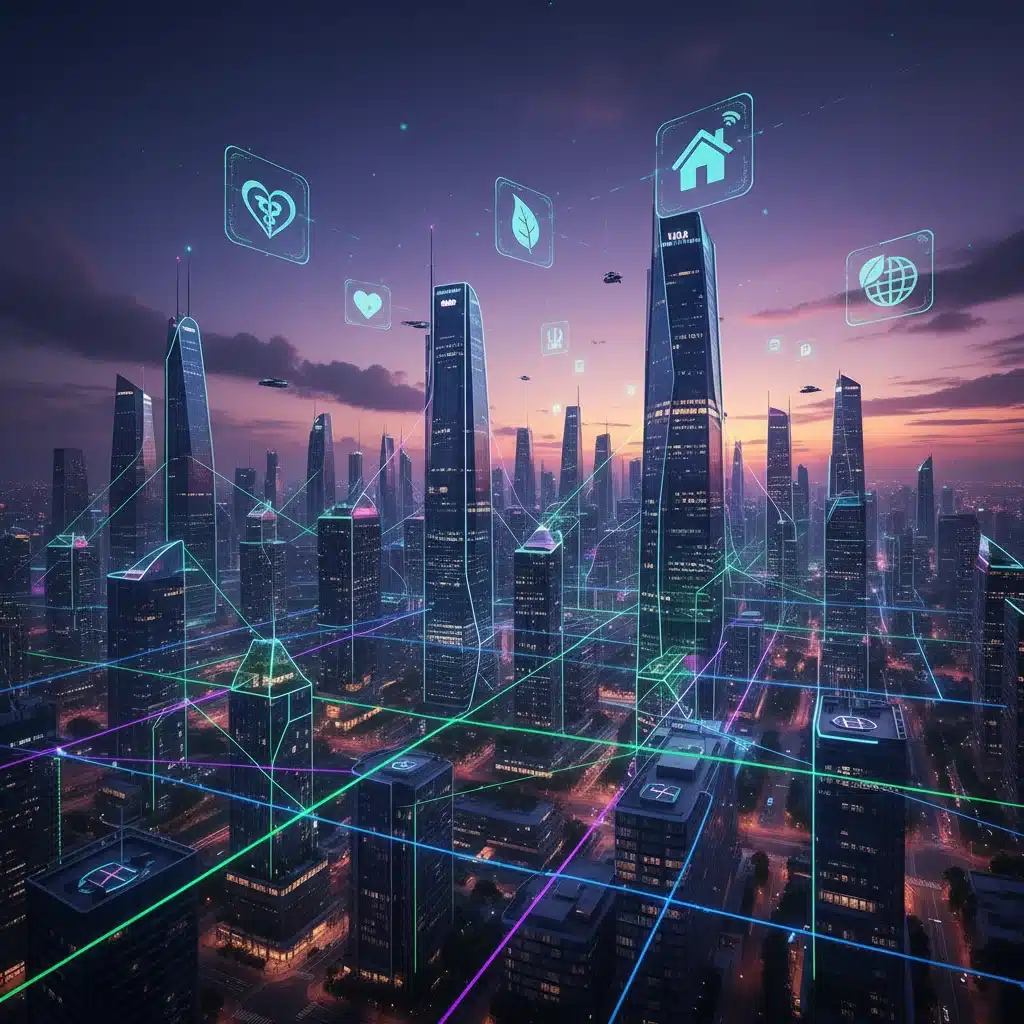
The world is becoming increasingly connected, data-rich, and intelligent, largely thanks to the relentless evolution of smart sensor technologies. These tiny, yet powerful, devices are the unsung heroes of the Internet of Things (IoT), quietly gathering the data that fuels our smart homes, cities, healthcare systems, and industries. As we look towards 2027, the pace of innovation in smart sensor technologies is accelerating, promising a future where our environments are more responsive, our health is more proactively managed, and our data collection is more precise and pervasive than ever before. This article delves into seven cutting-edge smart sensor technologies that are poised to redefine our daily lives and reshape the landscape of data collection in the coming years.
The impact of smart sensor technologies is already profound, transforming everything from how we monitor our fitness to how cities manage traffic and pollution. However, the next wave of innovation promises to push these boundaries even further. We’re moving beyond simple data acquisition to sophisticated sensing capabilities that can interpret complex environments, predict outcomes, and even interact with us in more intuitive ways. The integration of artificial intelligence (AI) and machine learning (ML) with these advanced sensors is creating a synergy that unlocks unprecedented levels of insight and automation. Understanding these emerging trends in smart sensor technologies is crucial for anyone interested in the future of technology, business, and society.
From hyper-personalized health monitoring to advanced environmental protection, the scope of these advancements is vast. Each of these smart sensor technologies represents a significant leap forward, offering solutions to long-standing problems and opening doors to entirely new possibilities. By 2027, many of these technologies will have transitioned from research labs to mainstream applications, becoming integral parts of our daily routines and industrial operations. Let’s explore the future, one sensor at a time.
1. Flexible and Stretchable Wearable Sensors: The Future of Health Monitoring
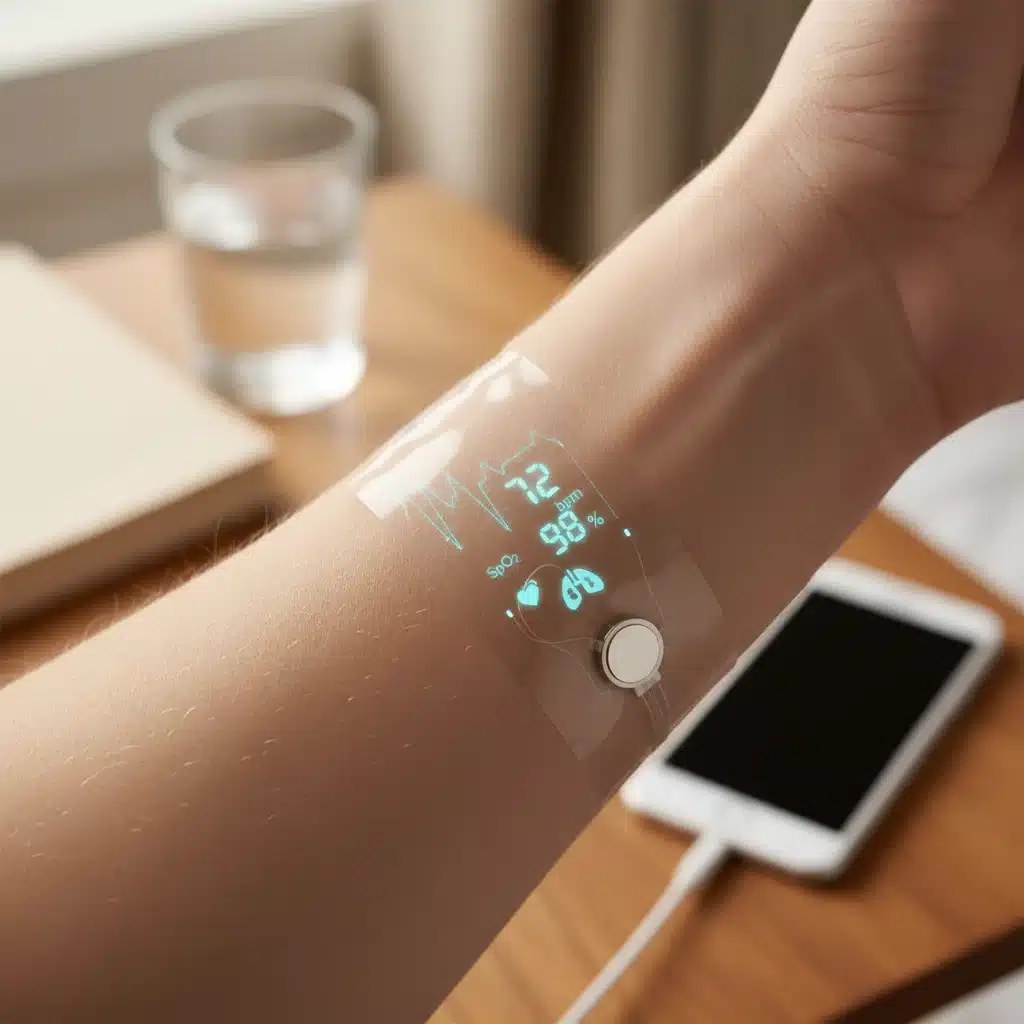
One of the most exciting frontiers in smart sensor technologies is the development of flexible and stretchable wearable sensors. Unlike rigid, traditional sensors, these innovative devices can conform to the human body, integrate seamlessly into clothing, or even be applied directly to the skin like a second skin. This adaptability is critical for continuous, comfortable, and accurate health monitoring, moving beyond the limitations of current smartwatches and fitness trackers.
By 2027, we can expect these sensors to offer hyper-personalized health insights. Imagine a discreet patch on your skin that continuously monitors your glucose levels non-invasively, tracks your hydration, measures specific biomarkers in your sweat related to stress or disease, and even detects early signs of infection. These smart sensor technologies will leverage advanced materials like graphene, carbon nanotubes, and conductive polymers to create devices that are not only flexible but also highly sensitive and durable. Their applications extend beyond just individual health, offering invaluable data for clinical trials, remote patient monitoring, and preventive medicine.
The comfort and unobtrusiveness of these sensors will significantly improve user compliance, leading to richer, more consistent data sets for both personal health management and medical research. This continuous stream of physiological data, combined with AI analytics, will enable predictive health models, allowing individuals and healthcare providers to intervene proactively before serious conditions develop. The potential for these smart sensor technologies to revolutionize chronic disease management and enhance overall well-being is immense, making them a cornerstone of future healthcare.
2. Advanced Environmental & Air Quality Sensors: Breathing Cleaner Air
As global concerns about climate change and air pollution intensify, the demand for sophisticated environmental and air quality smart sensor technologies is skyrocketing. The next few years will see a significant leap in the capabilities of these sensors, moving beyond basic particulate matter detection to comprehensive real-time analysis of a wide array of pollutants and environmental factors.
By 2027, expect to see widespread deployment of miniaturized, highly accurate sensors capable of detecting specific volatile organic compounds (VOCs), nitrogen oxides (NOx), sulfur dioxide (SO2), carbon monoxide (CO), and even biological agents. These sensors will be integrated into smart cities infrastructure, public transportation, and even personal devices, providing granular, localized data on air quality. This level of detail will empower individuals to make informed decisions about their exposure and enable municipalities to implement targeted interventions.
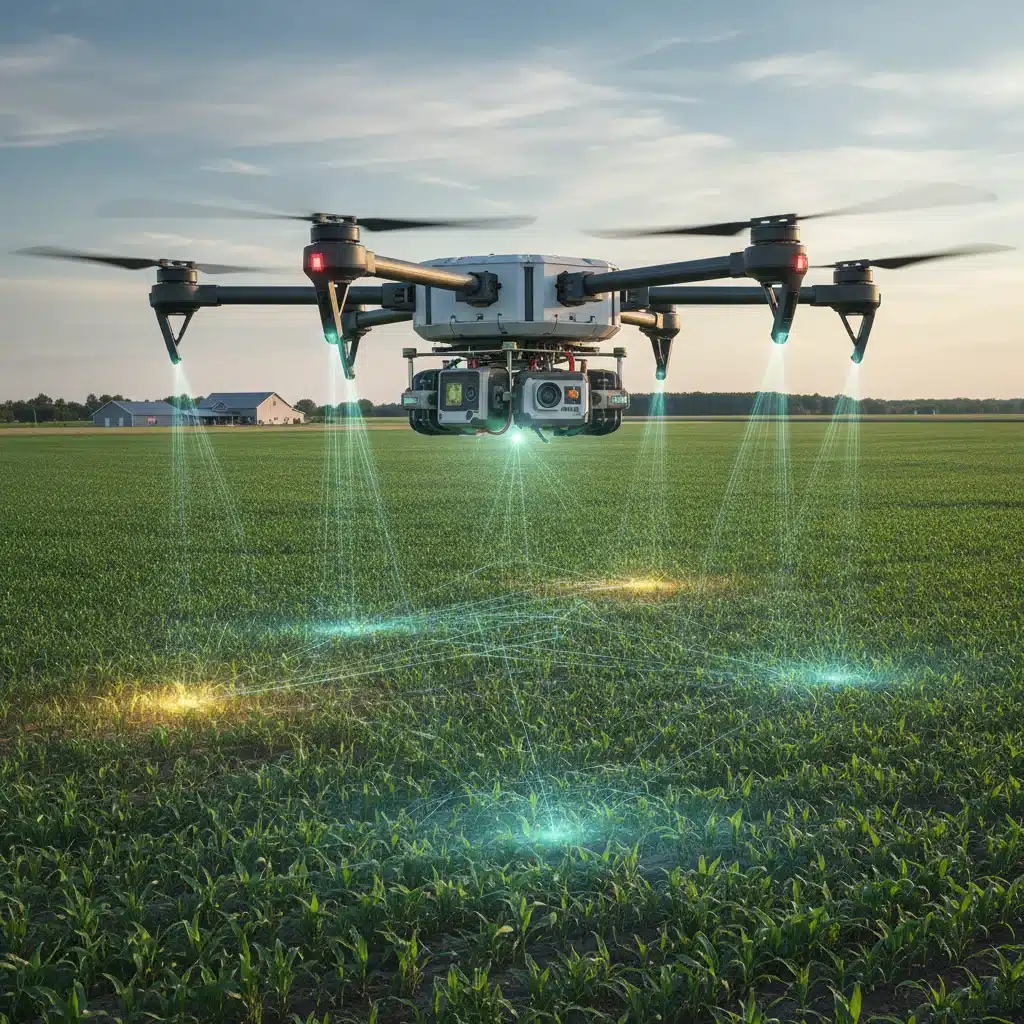
Furthermore, these advanced environmental smart sensor technologies will play a crucial role in precision agriculture, monitoring soil composition, nutrient levels, and moisture content with unprecedented accuracy. This data will allow farmers to optimize irrigation, fertilization, and pest control, leading to more sustainable and efficient food production. The ability to monitor environmental parameters at such a fine scale will be instrumental in mitigating the impacts of climate change and fostering healthier living environments globally.
3. Lidar and Radar Miniaturization for Enhanced Autonomous Systems
Lidar (Light Detection and Ranging) and Radar (Radio Detection and Ranging) systems are fundamental to autonomous vehicles, robotics, and advanced industrial automation. While already powerful, the trend towards miniaturization and cost reduction in these smart sensor technologies is set to unlock their full potential by 2027.
The development of solid-state Lidar and more compact, higher-resolution radar units is reducing the size, weight, and power consumption of these sensors, making them viable for a much broader range of applications. This includes not only more affordable and integrated autonomous driving solutions but also smaller drones for delivery and inspection, advanced robotics for manufacturing and logistics, and even smart home security systems with enhanced spatial awareness.
These miniaturized smart sensor technologies will improve object detection, mapping, and navigation capabilities in complex environments, even in adverse weather conditions where traditional cameras struggle. The enhanced perception offered by these compact Lidar and Radar systems will be critical for achieving higher levels of autonomy and safety across various sectors, leading to more efficient and reliable automated processes. The widespread adoption of these sensors will accelerate the development of fully autonomous systems, transforming transportation, logistics, and industrial operations.
4. Biosensors for Rapid Diagnostics and Food Safety
Biosensors are analytical devices that combine biological components with physicochemical transducers to detect specific biological or chemical substances. The next five years will witness a dramatic advancement in biosensor smart sensor technologies, particularly in rapid diagnostics and food safety applications.
By 2027, expect to see highly sensitive and specific biosensors capable of detecting pathogens, toxins, allergens, and disease biomarkers with unprecedented speed and accuracy, often at the point of need. This includes portable devices for self-testing of common infections, rapid screening for foodborne illnesses in supply chains, and on-site detection of environmental contaminants. The integration of microfluidics and nanotechnology will further enhance their performance, allowing for multi-analyte detection from tiny sample volumes.
These advancements in biosensor smart sensor technologies will democratize access to diagnostic tools, reduce the time and cost associated with laboratory testing, and significantly improve public health outcomes. In the food industry, they will enable real-time monitoring of food quality and safety from farm to fork, minimizing waste and preventing outbreaks. The ability to quickly and accurately identify biological threats will be a game-changer for healthcare, agriculture, and environmental protection, making our world safer and healthier.
5. Quantum Sensors: Unlocking Unprecedented Precision
While still largely in the research phase, quantum smart sensor technologies are poised to move closer to commercial viability by 2027, promising a revolution in measurement precision. Unlike classical sensors that rely on macroscopic properties, quantum sensors exploit the fundamental properties of quantum mechanics, such as superposition and entanglement, to achieve unparalleled sensitivity.
These sensors could lead to ultra-precise timing devices for navigation and communication, highly sensitive gravimeters for underground imaging and geological surveys, and extremely accurate magnetometers for medical imaging (e.g., magnetoencephalography) and defense applications. The ability to measure physical quantities with such extraordinary precision will open up new scientific discoveries and enable technologies currently deemed impossible.
For instance, quantum sensors could significantly enhance GPS accuracy, making autonomous navigation even more reliable, or provide early detection of brain disorders by measuring tiny magnetic fields. While widespread consumer adoption might be further off, the foundational advancements in quantum smart sensor technologies by 2027 will lay the groundwork for transformative applications across scientific research, defense, and specialized industrial sectors, setting new benchmarks for measurement capabilities.
6. Acoustic and Ultrasonic Sensors for Predictive Maintenance and Material Analysis
Acoustic and ultrasonic smart sensor technologies are becoming increasingly sophisticated, moving beyond simple sound detection to complex analysis of vibrations and sound waves for predictive maintenance and advanced material characterization. By 2027, these sensors will be indispensable tools in industrial settings and beyond.
In manufacturing and infrastructure, miniaturized ultrasonic sensors will be embedded within machinery, bridges, and pipelines to continuously monitor for micro-cracks, material fatigue, and structural integrity without the need for manual inspection. This proactive approach to maintenance, powered by AI-driven analysis of acoustic signatures, will significantly reduce downtime, prevent catastrophic failures, and extend the lifespan of critical assets. The ability to detect anomalies at an early stage will translate into massive cost savings and improved safety.
Beyond industrial applications, advancements in acoustic smart sensor technologies are also improving human-computer interaction, enabling more natural voice interfaces and gesture recognition. In healthcare, ultrasonic sensors are being refined for non-invasive imaging and therapeutic applications. The evolution of these sensors to be more compact, energy-efficient, and intelligent will broaden their utility across numerous domains, making them a versatile component of future smart systems.
7. Event-Based Vision Sensors: Mimicking the Human Eye
Traditional cameras capture images at a fixed frame rate, processing every pixel regardless of whether it has changed. Event-based vision smart sensor technologies, however, operate on a fundamentally different principle, mimicking the human eye’s retina. Instead of capturing full frames, these sensors only record changes in pixel intensity (events), making them incredibly efficient and fast.
By 2027, these sensors will see increased adoption in applications requiring high dynamic range, low latency, and low power consumption. This includes high-speed robotics, drones operating in challenging lighting conditions, virtual and augmented reality (VR/AR) systems, and even advanced surveillance. Their ability to react to changes in milliseconds, without generating redundant data, makes them ideal for environments where rapid motion and varying illumination are common.
The sparse data output of event-based vision smart sensor technologies also reduces computational load, enabling real-time processing on edge devices. This efficiency will be crucial for developing more agile and responsive autonomous systems. As AI algorithms become more adept at processing event-based data, these sensors will unlock new capabilities in machine vision, allowing machines to perceive and interact with the world in ways that are closer to biological vision, paving the way for truly intelligent machines.
The Transformative Power of Smart Sensor Technologies
The evolution of smart sensor technologies is not merely about incremental improvements; it’s about a fundamental shift in how we interact with and understand our world. The seven cutting-edge technologies discussed above represent a diverse array of advancements, each with the potential to create profound impacts across various sectors. From enhancing personal health and environmental quality to revolutionizing industrial processes and enabling advanced autonomous systems, these sensors are the bedrock of our increasingly intelligent future.
By 2027, many of these technologies will have matured significantly, becoming more accessible, affordable, and integrated into our daily lives. The sheer volume and quality of data they will generate will fuel the next generation of AI and machine learning applications, leading to even more sophisticated insights and automated decision-making. This continuous feedback loop between advanced sensors and intelligent algorithms will accelerate innovation at an unprecedented pace.
However, alongside these exciting opportunities come challenges, particularly concerning data privacy, security, and ethical considerations. As smart sensor technologies become more pervasive, ensuring responsible development and deployment will be paramount. Governments, industries, and individuals will need to collaborate to establish frameworks that harness the benefits of these technologies while safeguarding individual rights and societal well-being.
In conclusion, the future is undeniably sensing. The advancements in smart sensor technologies are paving the way for a world that is more connected, efficient, safe, and responsive to human needs. Keeping an eye on these developments will be key to understanding the technological landscape of tomorrow and preparing for the transformative changes they will bring. The journey towards a truly smart planet is well underway, and these sensors are illuminating the path forward.